Why Good Training Feels Uncomfortable
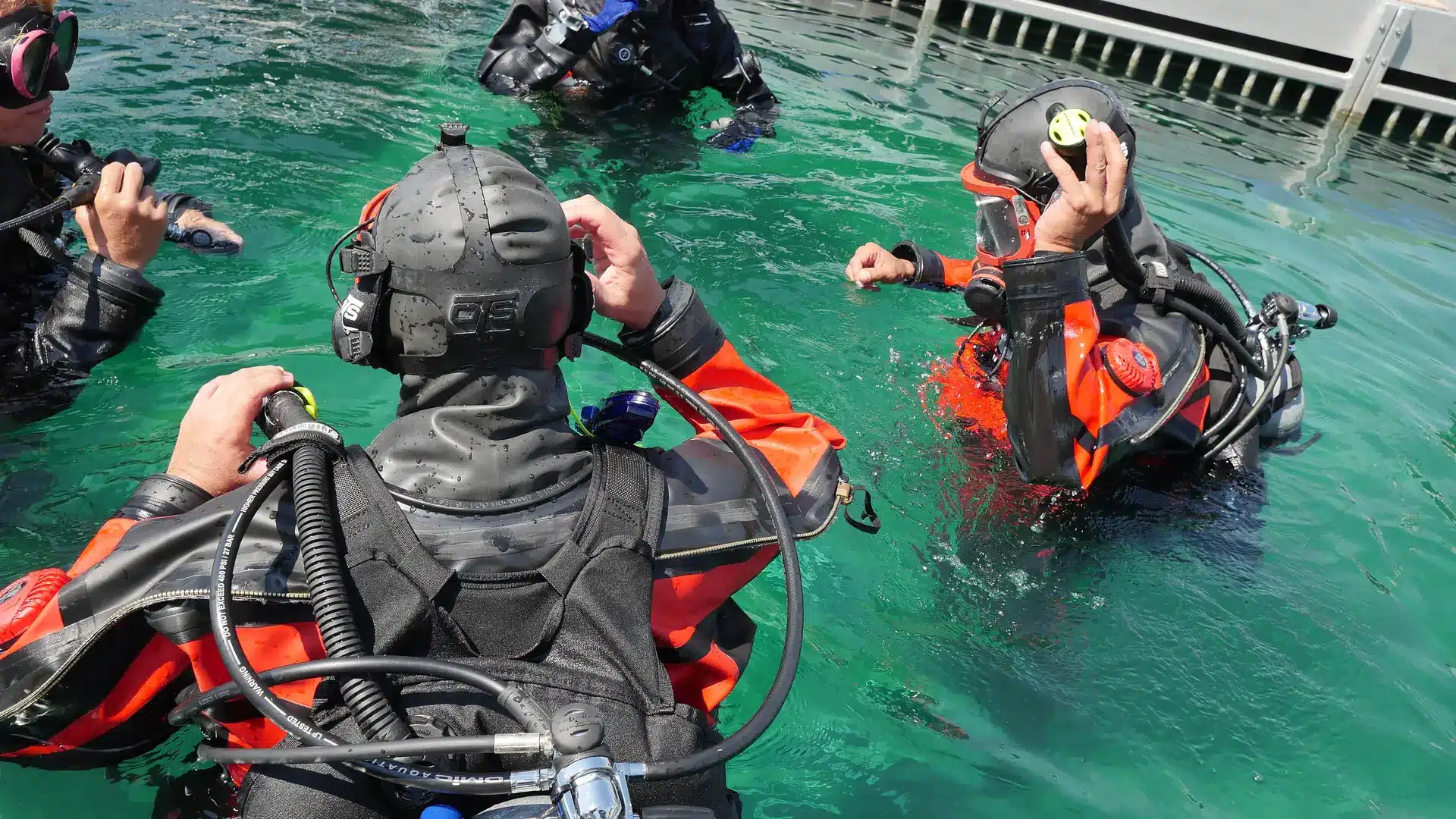
Well-designed training rarely feels comfortable. It introduces stress, complexity, and scrutiny in ways that ordinary dives do not.
This discomfort is intentional.
Technical diving training is structured to stretch capacity in controlled environments so that real-world dives feel manageable by comparison. Training that feels easier than reality leaves divers underprepared when conditions deteriorate.
The Difference Between Training and Operations
Operational dives prioritise stability and margin. Training dives prioritise learning.
To achieve learning, instructors deliberately:
- Increase task loading
- Introduce simulated failures
- Apply performance pressure
- Observe under scrutiny
Advanced technical diving progression uses this contrast to build confidence rooted in capability, not luck.
Why Stress Is Introduced in Training
Stress reveals weaknesses that calm conditions hide. Divers who perform flawlessly when relaxed may struggle when challenged.
Training exposes these gaps early—when consequences are limited. Technical diving training treats stress as a diagnostic tool rather than an obstacle.
Controlled Difficulty vs Real Risk
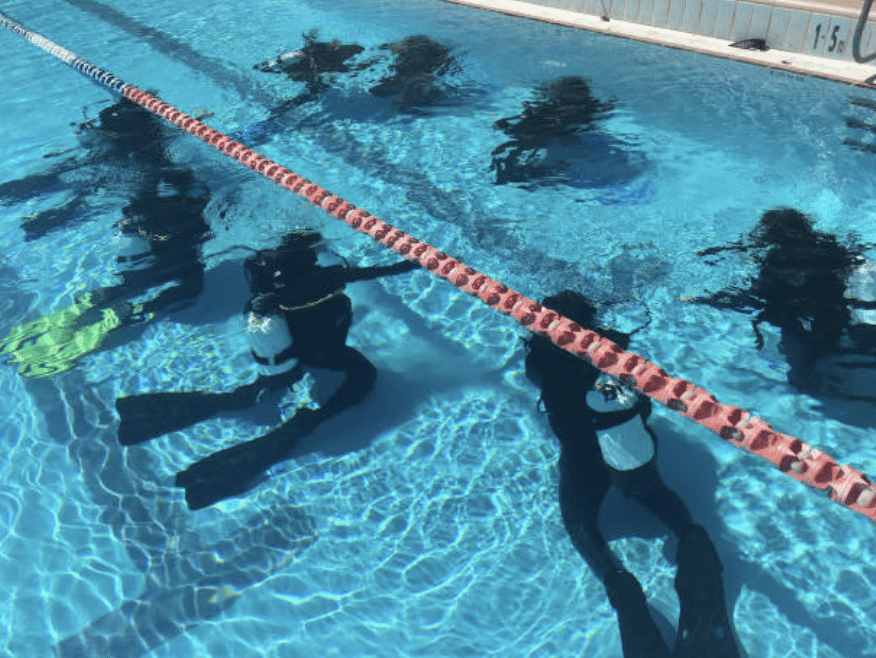
Training difficulty is controlled. Risks are managed, margins are preserved, and instructors are positioned to intervene.
Real diving offers no such guarantees. Advanced technical diving progression ensures that the hardest moments occur in training—not in unstructured environments.
Why Students Often Feel “Worse” During Training
As awareness increases, confidence may temporarily drop. Students become conscious of complexity they previously overlooked.
This phase is normal—and healthy. Technical diving training recognises that reduced confidence paired with increased awareness is a sign of genuine learning.
Training Builds Decision-Making Capacity
Courses do not aim to produce perfect execution. They aim to build decision-making under pressure.
By making training scenarios harder than typical dives, advanced technical diving progression ensures that real-world decision-making occurs with surplus capacity.
The Role of Instructor Pressure
Instructor observation adds pressure. Knowing that performance is being evaluated elevates stress—even when no additional task is added.
This pressure simulates real-world stakes. At N9BO℠, instructors use observation deliberately to surface habits that might otherwise remain hidden.

Why Easy Training Is a Red Flag
Training that never challenges students may feel enjoyable—but it fails to reveal limits.
Divers who complete “easy” courses often struggle later when exposed to complexity. Technical diving training treats challenge as essential—not optional.
Post-Training Calm Is the Goal
Well-trained divers often report that real dives feel calmer and slower than training scenarios.
This is success.
Advanced technical diving progression aims to create operational headroom, not just certification completion.
Professional Parallels
Military, aviation, and emergency services all train harder than they operate. Simulations introduce chaos so real missions feel controlled.
Technical diving adopts this same philosophy. Training prepares for reality—not ideal conditions.
The Bottom Line
Training should challenge you.
Real dives should feel manageable.
If a course feels demanding, it is likely doing its job. The goal of technical training is not comfort—it is preparedness.
At N9BO℠, training is designed so reality feels easier.
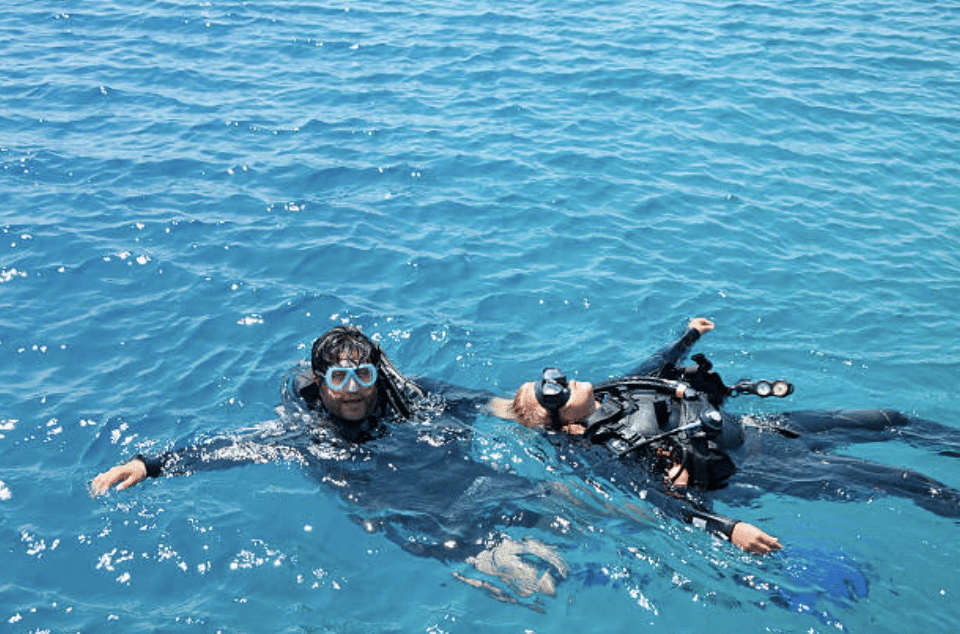
Wondering Why Training Feels So Demanding?
Training is intentionally structured to build resilience before real-world challenges appear. Contact us to discuss training approaches designed for long-term competence.
From the N9BO℠ Knowledge Base