Children Are Not Small Adults
One of the most common mistakes in youth diving education is treating children as miniature adults. While equipment may be scaled down, cognitive processing, emotional regulation, and risk perception are fundamentally different.
Professional diving training recognises that teaching children requires a separate mindset—not a simplified version of adult instruction.
The Instructor’s Responsibility Is Magnified
When teaching children, instructors carry an elevated duty of care. Decisions affect not only immediate safety, but long-term attitudes toward risk, learning, and authority.
At N9BO℠, youth programmes are designed with conservative pacing and explicit safeguards to protect both physical and psychological well-being.
Psychology Matters More Than Technique
Children learn through trust, reassurance, and positive reinforcement. Fear or embarrassment can shut down learning instantly.
Instructor-level training emphasises emotional intelligence when working with young divers—reading cues, pacing exposure, and knowing when to stop.
Confidence Must Be Built, Not Forced
Confidence in children develops through success at manageable challenges—not pressure.
Rushing progression may produce certification, but it damages trust and enjoyment. Professional diving education prioritises comfort and curiosity over milestones.
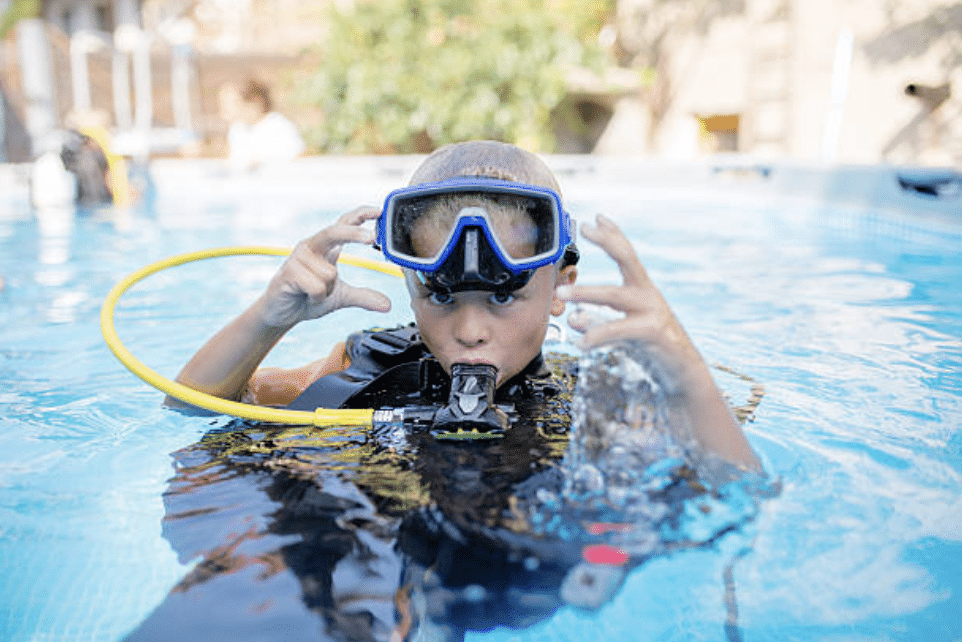
Teaching Safety Without Creating Fear
Children must understand rules and boundaries without becoming anxious.
Effective instructors frame safety as empowerment, not danger avoidance. At N9BO℠, safety is taught as something that enables exploration—not restricts it.
Physiological Considerations
Children differ physiologically in:
- Thermoregulation
- Fatigue onset
- Attention span
- Stress response
Professional youth training accounts for these differences through shorter sessions, warmer conditions, and frequent breaks.
Instructor Perspective: Slowing Down Is Success
Instructors often feel pressure—from parents or centres—to accelerate progress.
At N9BO℠, instructors are trained to resist this pressure and prioritise developmental readiness over external expectations.
Long-Term Impact of Early Dive Experiences
A child’s first experiences underwater shape their relationship with diving for years.
Positive, respectful instruction builds lifelong divers. Poor experiences often end interest permanently. Professional training recognises this long-term responsibility.

Team and Parental Communication
Teaching children requires clear communication with parents and guardians.
Expectations, limits, and safety protocols must be transparent. Instructor training treats parental engagement as part of the safety system.
Professional Parallels
In aviation, mountaineering, and youth sports, early instruction emphasises foundations and attitude over performance.
Diving follows the same principle. Early experiences shape future behaviour.
The Bottom Line
Teaching children to dive is not about producing young divers quickly.
It is about creating safe, confident humans around water.
In professional diving education, responsibility outweighs ambition. When done correctly, youth diving builds trust, respect, and lifelong appreciation for the underwater world.
At N9BO℠, youth education is approached with discipline, patience, and care.
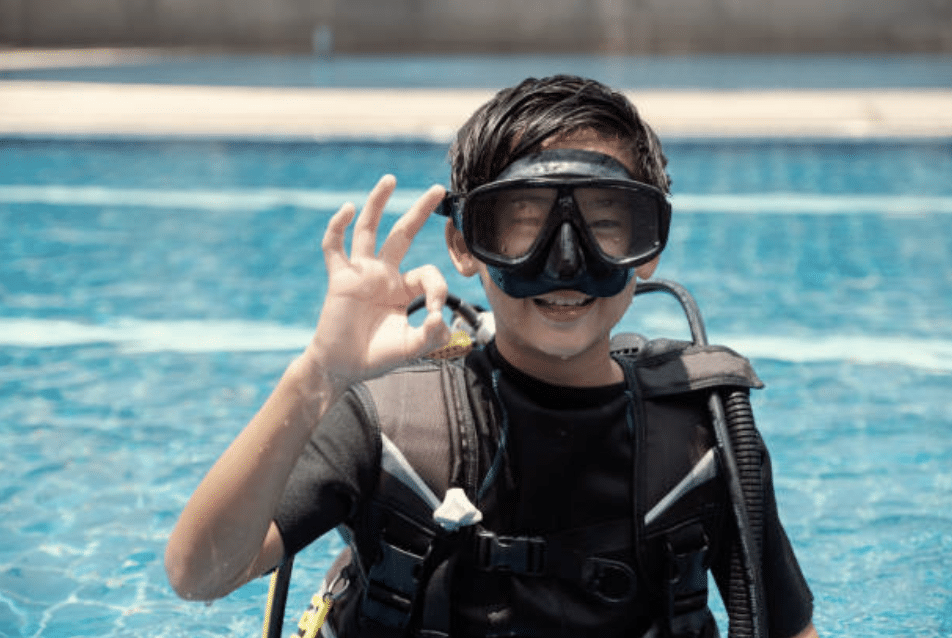
Planning to Teach Young Divers?
Teaching children requires a different psychological and instructional approach. Contact us to discuss safe, responsible, and effective youth diving training.
From the N9BO℠ Knowledge Base