Equipment, Gas & Asset Management

Negative or Positive Buoyant Fins: Why Fin Choice Directly Affects Trim and Control

Fin Buoyancy: The Overlooked Variable

Most divers choose fins based on:

  • Comfort.
  • Blade stiffness.
  • Aesthetic preference.
  • Instructor recommendation.

Few consider:

Fin buoyancy characteristics.

Fins may be:

  • Negatively buoyant (sink in water).
  • Neutral.
  • Slightly positively buoyant (float).

That buoyancy interacts with:

  • Exposure suit type.
  • Cylinder configuration.
  • Weight placement.
  • Body posture.

Trim begins at the feet.


Why Trim Matters

Horizontal trim is essential for:

  • Reduced drag.
  • Efficient propulsion.
  • Gas conservation.
  • Environmental protection.
  • Controlled decompression.

If fins are too buoyant:

  • Feet rise.
  • Diver becomes head-down.
  • Depth control becomes unstable.

If fins are too negative:

  • Feet sink excessively.
  • Diver struggles to maintain level posture.
  • Increased fin effort required.

Fin buoyancy influences stability.

Stability influences safety.


Dry Suit Divers: The Classic Example

Dry suit divers often experience:

  • Air migration toward feet.
  • Increased leg buoyancy.
  • Tendency for feet to rise.

In such configurations:

Negatively buoyant fins can:

  • Counterbalance air in legs.
  • Improve horizontal stability.
  • Reduce inversion risk.

Many technical divers in dry suits prefer:

Heavier rubber fins.

Not because they look serious.

But because they stabilise trim.


Wetsuit Divers: Different Dynamics

Wetsuits compress at depth.

Leg buoyancy reduces during descent.

Positive fins in wetsuits may:

  • Exaggerate feet-up posture.
  • Require compensatory hip adjustment.

Negative fins in wetsuits:

  • May over-weight lower body.
  • Increase ankle strain.
  • Reduce efficiency for lighter divers.

Configuration must be individualised.

There is no universal solution.

A black swim fin and an underwater camera housing rest on a wet, rocky surface near clear water.

Technical vs Recreational Context

Technical divers prioritise:

  • Precision trim.
  • Back kick control.
  • Frog kick efficiency.
  • Stable decompression posture.

Fin buoyancy becomes critical.

Recreational divers in:

  • Warm water.
  • Minimal exposure.
  • Single cylinder setups.

May prioritise comfort over precision.

But even then:

Trim influences gas consumption.

Gas influences margin.

Margin influences safety.


Fin Weight and Energy Expenditure

Heavier fins:

  • Increase ankle workload.
  • Increase muscular fatigue.
  • Demand stronger propulsion.

Lighter fins:

  • Reduce effort.
  • Improve long surface swims.
  • May reduce power in strong currents.

Choosing overly heavy fins without need:

Increases fatigue.

Fatigue reduces performance.

Performance degradation increases risk.


Back Kick, Helicopter Turns, and Control

Advanced propulsion techniques require:

  • Fin responsiveness.
  • Predictable balance.
  • Controlled ankle movement.

Negatively buoyant fins often:

  • Provide stable pivot point.
  • Improve control in frog kick.
  • Support reverse propulsion precision.

However:

Technique matters more than mass.

Equipment supports skill.

It does not replace it.


Environmental Considerations

In overhead environments:

  • Fine silt requires stable trim.
  • Poor visibility demands precision.
  • Small fin misalignment can disturb bottom.

Fin buoyancy affects:

Foot positioning.

Blade angle.

Sediment disturbance.

Precision diving requires predictable fin behaviour.
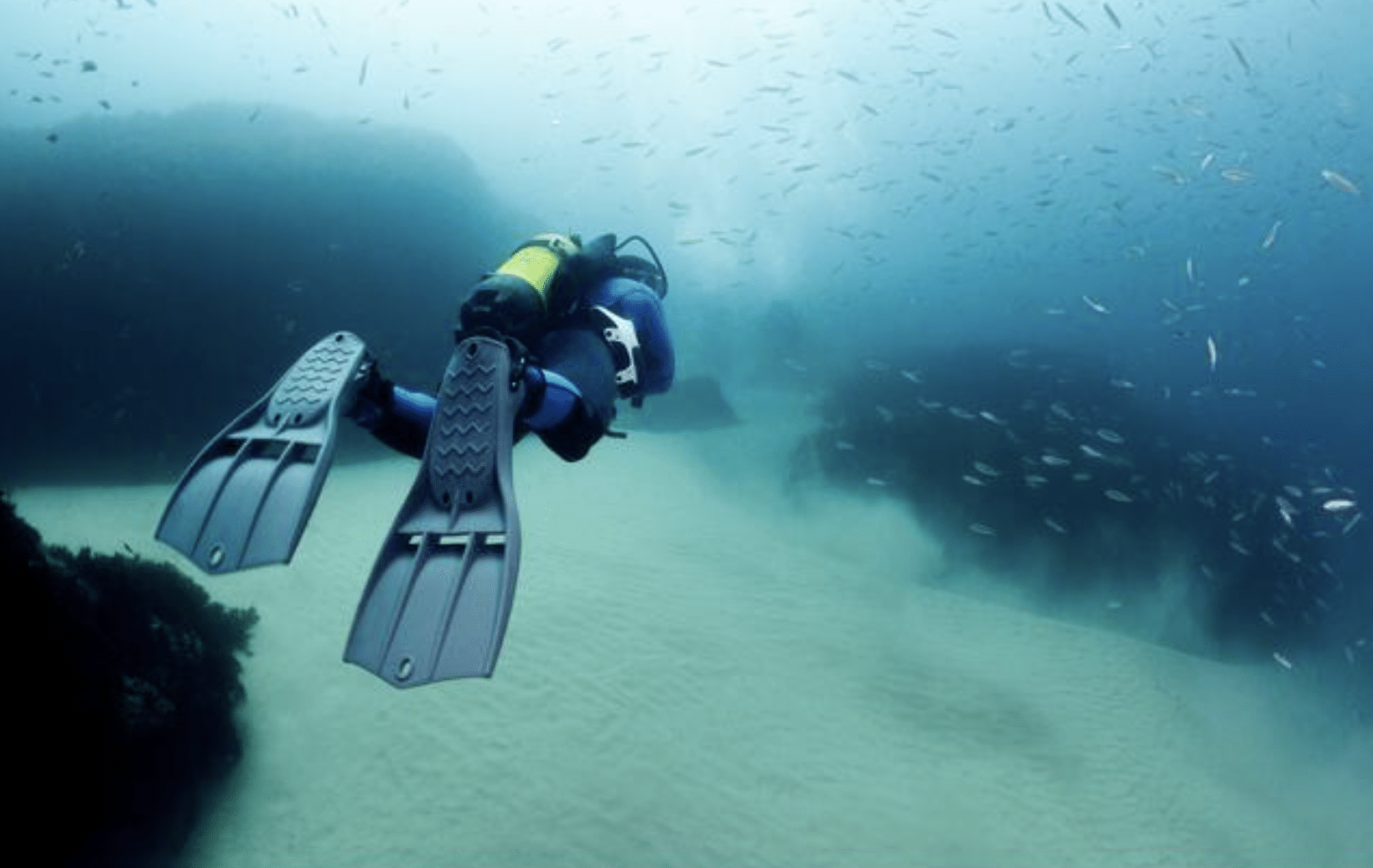
A scuba diver with fins and an oxygen cylinder swims underwater among small fish, surrounded by blue-green water and rocky formations.

Testing and Configuration Discipline

Divers should evaluate fins by:

  • Floating test in confined water.
  • Observing leg position in neutral hover.
  • Testing frog and back kicks.
  • Monitoring fatigue over long dives.

Do not assume:

What works for one diver works for another.

Configuration is contextual.


Common Misconceptions

“Heavy fins are more professional.”

Not necessarily.

“Light fins are only for beginners.”

Incorrect.

“Fin buoyancy does not matter.”

It absolutely does.

Professional divers assess:

Balance.

Function.

Integration.

Not trends.


Integration With Full Configuration

Fin buoyancy must be evaluated alongside:

  • Cylinder position.
  • Backplate weight.
  • Weight belt distribution.
  • Exposure suit type.
  • Boot buoyancy.
  • Stage bottle placement.

Small changes affect system equilibrium.

Trim is systemic.

Not isolated.

At N9BO℠, we emphasise configuration analysis as part of professional development. Equipment selection is deliberate — because underwater stability is not accidental.


The Psychological Component

Balanced trim reduces:

  • Anxiety.
  • Task loading.
  • Depth fluctuation.
  • Gas spikes.

Confidence increases when:

The body remains stable effortlessly.

Good configuration reduces cognitive load.

Cognitive margin protects decision quality.


When to Reconsider Your Fins

Consider reassessing fin choice if:

  • You struggle with horizontal trim.
  • Your feet constantly rise or sink.
  • You fatigue quickly in currents.
  • You experience ankle strain.
  • You transition between wetsuit and dry suit environments.

Configuration evolves.

Professionals adapt.


Final Perspective

Fins are not just propulsion tools.

They are trim regulators.

Energy modifiers.

Stability influencers.

Choosing negative or positive buoyant fins is not about aesthetics.

It is about:

Balance.

Efficiency.

Control.

Small equipment decisions create large performance outcomes.

People wearing wetsuits and flippers stand on the deck of a boat, preparing for a dive. The sea and distant mountains are visible in the background on a clear, sunny day.


Unsure If Your Fin Configuration Supports Your Diving?


Trim and propulsion depend on proper equipment balance. Contact N9BO℠ to evaluate your configuration and optimise performance.


From the N9BO℠ Knowledge Base


Share this

J-Valve, K-Valve, and Y-Valve: Understanding Cylinder Valve Evolution and Why It Still Matters

Why Cylinder Valves Deserve More Attention

Most divers focus on:

  • Regulators.
  • Buoyancy systems.
  • Computers.

Few consider the valve.

Yet the valve is:

  • The gatekeeper of breathing gas.
  • The first mechanical control point.
  • A potential failure location.
  • A redundancy enabler.

Valve design influences:

  • Gas awareness.
  • Failure management.
  • System redundancy.

Understanding valves is not historical trivia.

It is operational knowledge.


The J-Valve: Mechanical Reserve Before Pressure Gauges

Before submersible pressure gauges (SPGs) became standard, divers had no precise way to monitor remaining gas.

The solution:

The J-valve.

How It Worked

The J-valve contained:

  • A spring-loaded mechanism.
  • A mechanical reserve.
  • A pull rod accessible to the diver.

When tank pressure dropped to a preset level:

  • Gas flow restricted.
  • Breathing became difficult.
  • Diver pulled the reserve rod.
  • Full remaining gas became available.

It was an early warning system.

But it had flaws.


Limitations of the J-Valve

The J-valve relied on:

  • Mechanical calibration.
  • Diver reaction.
  • Proper maintenance.

Common issues included:

  • Forgetting to reset the reserve.
  • Accidental activation.
  • Mechanical failure.
  • False confidence in remaining gas.

As SPGs became standard:

Divers could see pressure directly.

Mechanical reserve became unnecessary.

The industry moved forward.


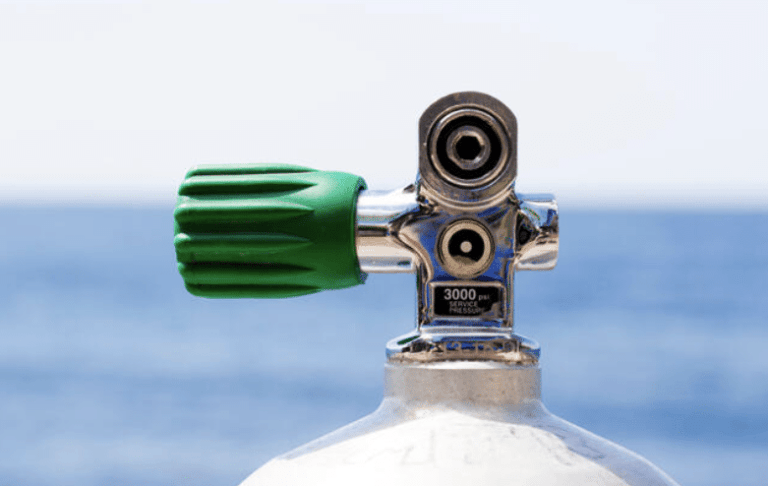
The K-Valve: Simplicity and Visibility

The K-valve is:

  • A simple on/off valve.
  • The modern standard in recreational diving.

It contains:

  • No reserve mechanism.
  • No internal complexity.
  • A direct gas pathway.

With SPGs available:

Gas awareness became procedural.

Not mechanical.

The K-valve symbolises:

A shift from equipment-based safety to behavioural safety.

You monitor your gas.

The valve does not protect you from poor planning.

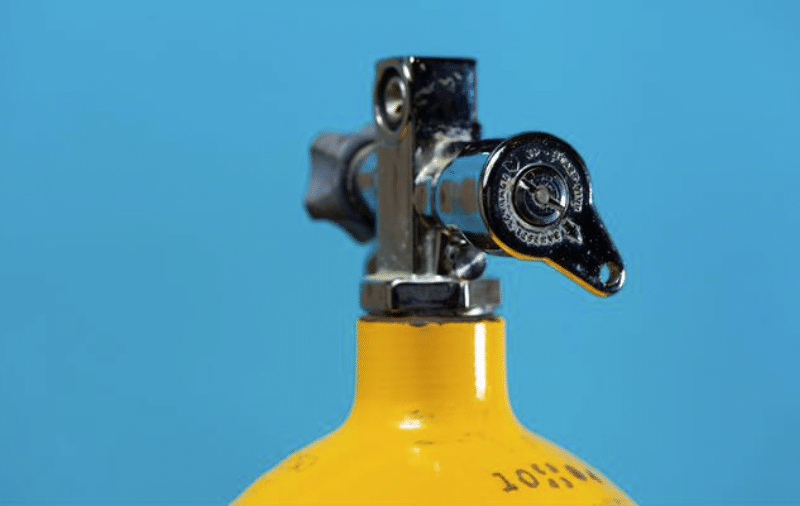
A close-up of the valve and top portion of a yellow scuba diving cylinder against a solid blue background.

The Y-Valve and H-Valve: Redundancy in One Cylinder

Technical and professional diving introduced:

Redundancy requirements.

Enter the Y-valve and H-valve.

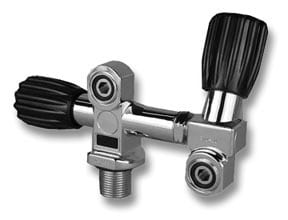
Y-Valve

  • One cylinder.
  • Two independent regulator outlets.
  • Both share the same gas source.

H-Valve

  • Similar purpose.
  • Slightly different internal design.
  • Often used interchangeably in terminology.

These valves allow:

  • Two first stages.
  • Redundant regulator systems.
  • Failure isolation capability.

If one regulator fails:

The diver switches to the other.

Gas supply remains intact.


Redundancy vs True Separation

Important distinction:

Y- and H-valves provide regulator redundancy.

They do NOT provide gas redundancy.

If the cylinder fails:

Both regulators fail.

True gas redundancy requires:

  • Twin cylinders with isolator manifold.
  • Independent sidemount cylinders.
  • Separate gas sources.

Understanding this difference is critical.

Redundancy must match risk.


Valve Orientation and Failure Points

Valve position influences:

  • Hose routing.
  • Access during drills.
  • Shutdown capability.

In technical diving:

Valve drills are foundational.

Divers practice:

  • Reaching back.
  • Identifying valve.
  • Closing correct post.
  • Managing regulator failure.

Valve familiarity reduces panic.

Panic increases risk.

A chrome-plated valve with two black ribbed handles positioned at a right angle, designed for controlling the flow of fluid or gas through pipes.

Operational Implications

In military, commercial, and public safety diving:

Valve choice depends on:

  • Mission objective.
  • Redundancy requirement.
  • Surface support.
  • Decompression exposure.
  • Overhead environment presence.

A simple K-valve may suffice.

Or a manifolded twinset may be mandatory.

Valve configuration is never aesthetic.

It is risk-aligned.


Maintenance and Inspection

Valves require:

  • Regular servicing.
  • O-ring inspection.
  • Thread integrity checks.
  • Smooth operation verification.

Valve failure underwater can result in:

  • Gas loss.
  • Rapid ascent.
  • Task overload.
  • Mission abort.

Asset management includes valves.

Not just cylinders.


From Mechanical Safeguards to Professional Discipline

The evolution from J-valve to K-valve reflects:

A cultural shift.

Early diving relied on:

Mechanical reserves.

Modern diving relies on:

Gas planning.
Pressure monitoring.
Team communication.
Abort criteria.

Equipment became simpler.

Procedures became stronger.

Professional culture matured.


Why This Still Matters Today

Even today:

  • Some vintage divers remember J-valves.
  • Technical divers rely on manifold systems.
  • Public safety divers use specialised configurations.

Understanding valve history builds:

Mechanical literacy.
Failure awareness.
Configuration discipline.

At N9BO℠, equipment education goes beyond “how to assemble.” We teach divers to understand system logic — because valves are not accessories. They are part of life support architecture.


Valves Reflect Philosophy

  • J-valve = mechanical safeguard.
  • K-valve = procedural responsibility.
  • Y/H-valve = redundancy integration.

Each reflects a stage in diving evolution.

Diving safety advanced not by complexity alone, but by understanding.

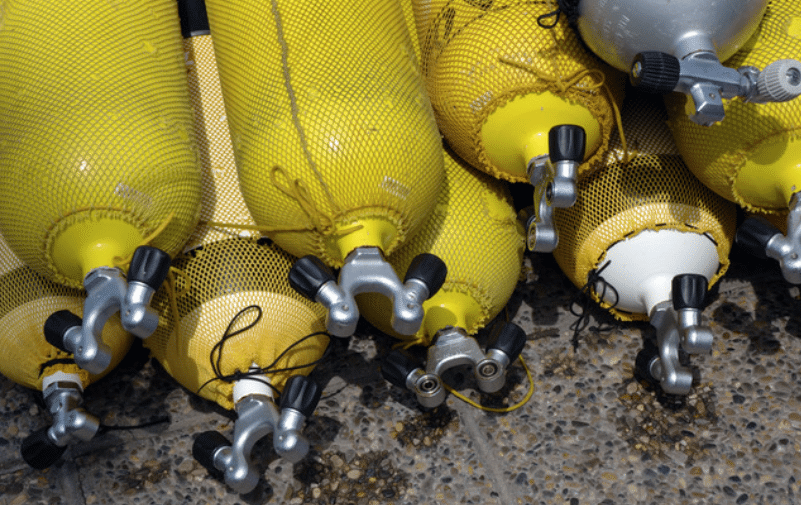
A group of yellow scuba diving cylinders with protective mesh covers are lying on a rough, pebbled surface. The cylinders are arranged side by side, with their valves and regulators facing outward.


Want to Understand Your Life Support System Properly?


Equipment knowledge reduces risk and builds confidence. Contact N9BO℠ to explore structured technical and equipment-focused training pathways.


From the N9BO℠ Knowledge Base


Share this

PADI Air Compressor Operator: The Invisible Role That Protects Every Breath

Air Is Life Support

Divers often focus on:

  • Buoyancy.
  • Equipment configuration.
  • Gas planning.
  • Decompression.

Yet all of these depend on one fundamental element:

Breathing gas quality.

Compressed air is:

  • Stored under high pressure.
  • Delivered directly to the diver’s lungs.
  • Relied upon without second thought.

If air quality is compromised, no amount of skill compensates.

Compressor operation is not background activity.

It is safety infrastructure.


Who Should Take the Course?

The PADI Air Compressor Operator course is suitable for:

  • Dive centre staff.
  • Boat crew.
  • Expedition personnel.
  • Public safety support teams.
  • Industrial facilities.
  • Non-divers responsible for air management.

You do not need to be a diver.

You need to understand responsibility.

Anyone operating or supervising a compressor must understand:

  • Pressure.
  • Contamination.
  • Moisture.
  • Heat.
  • Filtration systems.

Understanding Compressor Systems

A diving compressor:

  • Intakes atmospheric air.
  • Compresses it in stages.
  • Filters impurities.
  • Removes moisture.
  • Delivers clean, dry air into cylinders.

Each stage has risk factors.

Contamination sources include:

  • Carbon monoxide.
  • Oil vapour.
  • Moisture.
  • Particulate matter.

Failure to manage these risks can result in:

  • Toxic exposure.
  • Equipment corrosion.
  • Regulator malfunction.
  • Serious health incidents.
Two industrial air compressors are stacked in a metal frame against a wall, surrounded by blue pipes and gauges. Several metal gas cylinders are lined up on the floor in front of the equipment.

Air Quality Standards

Compressor operators must understand:

  • Maximum allowable CO levels.
  • Moisture limits.
  • Oil vapour thresholds.
  • Filtration change intervals.

Air must meet recognised standards.

Testing is not optional.

Monitoring must be documented.

Assumption is not quality control.

Verification is.


Moisture Management and Corrosion Prevention

Moisture in compressed air causes:

  • Internal cylinder corrosion.
  • Regulator contamination.
  • Freezing risk in cold water.
  • Equipment degradation.

Operators must manage:

  • Drain intervals.
  • Filter replacement.
  • Condensation traps.
  • Proper storage.

Dry air extends equipment life.

Dry air protects diver safety.


Filling Procedures and Pressure Discipline

Cylinder filling requires:

  • Correct valve sequencing.
  • Controlled pressure ramp-up.
  • Monitoring temperature.
  • Avoiding overfill.
  • Final pressure verification.

Rapid filling increases:

  • Heat.
  • Stress on cylinder walls.
  • Pressure instability.

Slow, controlled fills preserve integrity.

Professional discipline defines safety margin.


Compressor Maintenance and Inspection

Routine maintenance includes:

  • Oil changes.
  • Filter replacement.
  • Hose inspection.
  • Pressure gauge verification.
  • Safety valve checks.

Deferred maintenance increases:

  • Contamination risk.
  • Mechanical failure probability.
  • Operational downtime.

Documentation protects both operator and facility.

Infrastructure requires oversight.

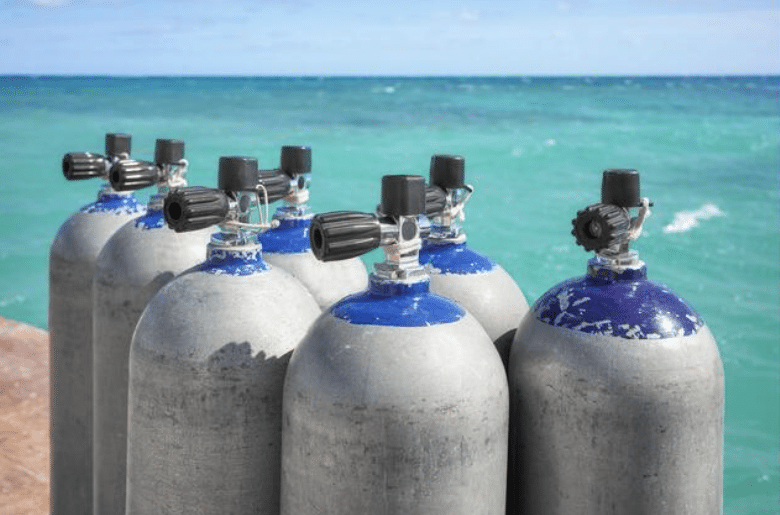
A group of scuba diving air cylinders with blue tops arranged on a quay, positioned near turquoise sea water under a clear sky.

Human Factors in Compressor Operation

Common errors occur due to:

  • Distraction.
  • Fatigue.
  • Overconfidence.
  • Poor documentation habits.

Compressor operation demands:

  • Focus.
  • Checklist use.
  • Clear procedures.
  • Accountability.

A compressor room is not a casual workspace.

It is a life-support environment.

At N9BO℠, we emphasise that air management is part of professional diving culture. Infrastructure discipline equals diver protection.


Legal and Operational Responsibility

Operators carry:

  • Liability responsibility.
  • Equipment stewardship.
  • Health protection accountability.

Air contamination incidents can:

  • Harm divers.
  • Damage reputation.
  • Trigger legal consequence.

Training reduces exposure.

Competence reduces risk.


Beyond Dive Centres

Compressor operator training is valuable for:

  • Remote field operations.
  • Expedition teams.
  • Public safety units.
  • Industrial facilities using compressed breathing air.

Breathing gas management extends beyond recreational diving.

Professional environments require structured oversight.


The Invisible Guardian Role

Divers rarely see:

  • The compressor room.
  • The filtration system.
  • The maintenance logs.

But every breath they take depends on:

  • A trained operator.
  • Clean filters.
  • Properly maintained equipment.
  • Disciplined procedures.

Compressor operators protect divers before the dive begins.

Safety starts at the fill station.

A scuba diving air filling station with several metal air cylinders, a control panel with gauges and hoses, safety signs on the wall, and blue equipment labelled “REMONDIA COLTRI.”.


Become a Certified PADI Air Compressor Operator


Clean, dry, safe breathing gas begins with trained infrastructure management. Contact N9BO℠ to learn more about the PADI Air Compressor Operator course.


From the N9BO℠ Knowledge Base


Share this

TDI Booster Operator: High-Pressure Gas Transfer With Precision, Safety, and Responsibility

Why Boosters Exist

Standard compressors are limited in:

  • Maximum output pressure.
  • Helium handling capability.
  • Efficient gas transfer from storage banks.

Gas boosters allow:

  • Topping up cylinders to full working pressure.
  • Efficient helium transfer.
  • Precise pressure control.
  • Mixed gas preparation flexibility.

In technical and expedition contexts, boosters are essential infrastructure.

Without them, advanced gas operations are limited.


Understanding Booster Mechanics

A gas booster is a pressure-amplifying device that:

  • Uses air drive or hydraulic power.
  • Transfers gas from supply cylinder to receiving cylinder.
  • Increases pressure beyond supply bank level.

It does not create gas.

It moves and amplifies it.

Understanding the mechanical function is critical.

Boosters operate under:

  • High pressure.
  • High oxygen concentration.
  • Potential mechanical heat.

Improper use creates significant risk.


Oxygen Boosting: Elevated Risk Environment

Boosting oxygen introduces:

  • Increased fire hazard.
  • Heat generation during compression.
  • Contamination sensitivity.
  • Oxygen compatibility requirements.

Operators must understand:

  • Oxygen-clean components.
  • Lubricant compatibility.
  • Temperature monitoring.
  • Slow compression rates.

Heat plus oxygen equals ignition potential.

Procedure prevents escalation.


Helium Boosting and Cost Control

Helium is:

  • Expensive.
  • Logistically complex.
  • Sometimes scarce.

Boosters allow:

  • Efficient use of remaining bank pressure.
  • Minimal helium waste.
  • Accurate trimix preparation.

Without boosting, partial cylinders may be unusable.

Efficiency protects operational budget.

Precision protects dive planning.

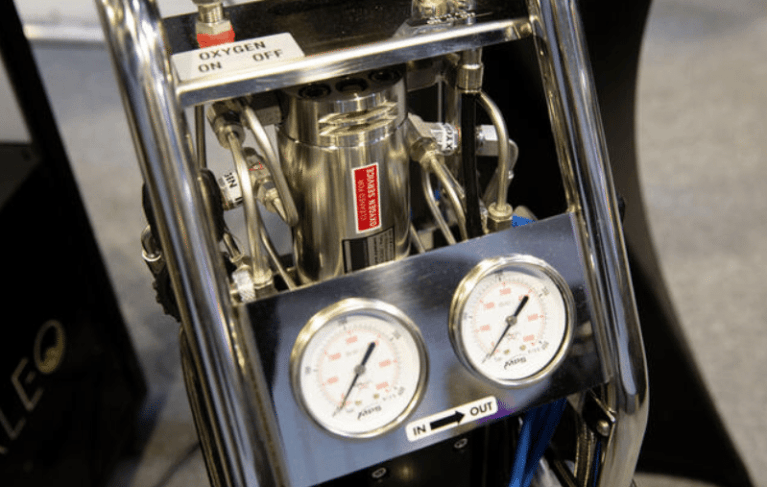
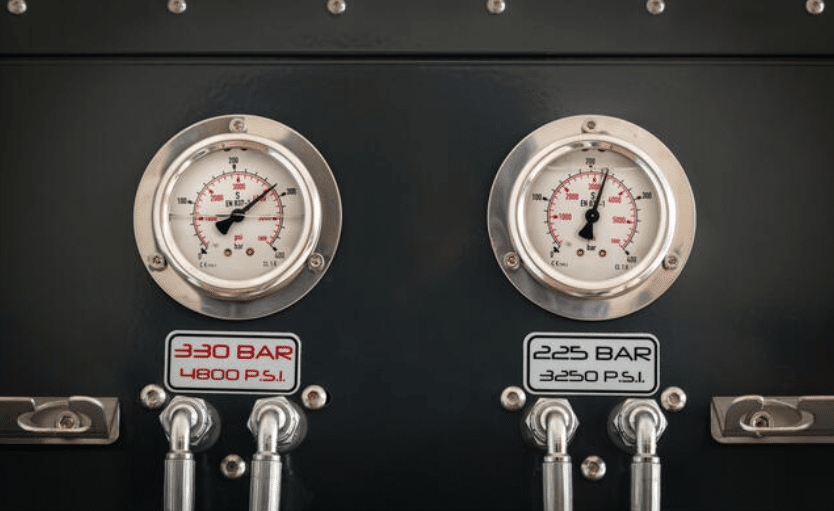
Close-up of two industrial pressure gauges on a black panel, displaying readings in BAR and PSI. The left gauge is labelled 330 BAR / 4800 PSI, and the right one is labelled 225 BAR / 3250 PSI.

Pressure and Temperature Awareness

High-pressure gas transfer increases:

  • Internal temperature.
  • Mechanical stress.
  • Risk of seal failure.

Booster operators must:

  • Monitor pressure rise carefully.
  • Allow cooling time.
  • Prevent rapid over-compression.
  • Verify integrity before disconnection.

Thermal management is safety management.

Pressure must be controlled deliberately.


Contamination and Cleanliness

Booster systems must be:

  • Maintained regularly.
  • Inspected for contamination.
  • Oxygen-clean where applicable.
  • Serviced according to manufacturer guidelines.

Hydrocarbon contamination in oxygen systems can lead to:

  • Combustion.
  • Equipment failure.
  • Severe injury.

Clean systems are non-negotiable.

Routine inspection protects lives.


Operational Protocol and Checklists

Booster operation requires:

  • Pre-use inspection.
  • Pressure verification.
  • Valve sequencing.
  • Controlled ramp-up.
  • Documentation.

Checklists prevent:

  • Incorrect valve alignment.
  • Over-pressurisation.
  • Gas cross-contamination.
  • Equipment damage.

Boosters amplify pressure.

Procedural discipline must amplify attention.

At N9BO℠, booster training emphasises that high-pressure systems are unforgiving of distraction.

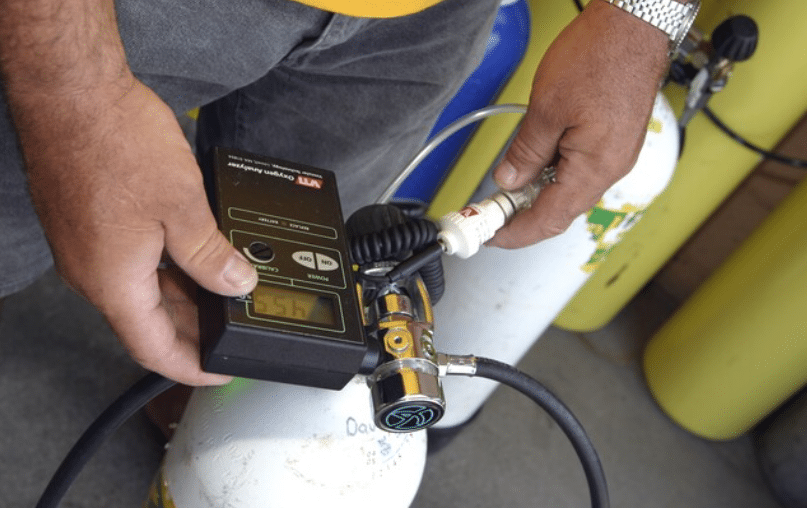
A person uses an oxygen analyser device connected to a scuba cylinder, checking the oxygen concentration. Several other scuba cylinders are visible in the background.

Failure Scenarios and Emergency Management

Operators must be prepared for:

  • Seal failure.
  • Hose rupture.
  • Rapid decompression.
  • Unexpected temperature spikes.
  • Gas leaks.

Emergency protocols include:

  • Immediate isolation.
  • Pressure venting.
  • Safe shutdown.
  • Post-incident inspection.

Preparedness reduces consequence.

Untrained operation increases exposure.


Legal and Professional Accountability

Gas infrastructure management includes:

  • Liability awareness.
  • Equipment log tracking.
  • Service interval documentation.
  • Compliance with safety standards.

Booster operators hold responsibility for:

  • Accurate pressure transfer.
  • Safe oxygen handling.
  • Equipment integrity.

Professionalism requires transparency.

Documentation protects operator and facility.


Booster Operation in Technical Facilities

Booster certification is essential for:

  • Technical dive centres.
  • Expedition teams.
  • Public safety units.
  • Military support facilities.
  • Remote operations.

Advanced gas operations rely on:

  • Reliable infrastructure.
  • Competent personnel.
  • Conservative procedures.

Booster failure can interrupt entire operations.

Operational continuity depends on trained operators.


Infrastructure Is Part of Dive Safety

Divers often focus on:

  • Gas planning.
  • Equipment configuration.
  • Decompression profiles.

But gas must first be prepared correctly.

Booster operators are upstream safety guardians.

Every properly filled cylinder reflects:

  • Mathematical precision.
  • Mechanical understanding.
  • Procedural discipline.

The dive begins in the fill station.

Close-up of a pressure gauge showing measurements from 0 to 5000 psi, with the needle pointing just above 0. The gauge is housed in a black casing with some wear visible on the surface.


Become a Certified TDI Booster Operator


High-pressure gas systems demand precision and disciplined handling. Contact N9BO℠ to learn more about the TDI Booster Operator course and professional gas infrastructure training.


From the N9BO℠ Knowledge Base


Share this

TDI Advanced Gas Blender: Managing Mixed Gases With Precision, Discipline, and Accountability

Beyond Nitrox: Enter Helium

While Nitrox reduces nitrogen exposure, advanced technical diving introduces helium to:

  • Reduce narcosis.
  • Manage gas density at depth.
  • Improve cognitive clarity.
  • Enhance decompression efficiency (in some profiles).

Helium changes the equation.

Literally.

Blending Trimix or Heliox involves:

  • Oxygen fraction.
  • Helium fraction.
  • Nitrogen balance.
  • Target MOD.
  • END (Equivalent Narcotic Depth).

Advanced blending is precision chemistry.


Why Helium Changes the Risk Profile

Helium introduces new considerations:

  • Cost and availability.
  • Thermal conductivity effects.
  • Gas density management.
  • Accurate pressure tracking.
  • Supply logistics.

Helium is expensive.

It must be managed responsibly.

Wasted helium is wasted margin.

Advanced blenders must calculate accurately to avoid:

  • Over-blending.
  • Under-blending.
  • Costly errors.
  • Dangerous composition shifts.

Trimix Calculations: No Room for Assumption

Advanced blending requires understanding:

  • Dalton’s Law.
  • Gas density thresholds.
  • Partial pressure relationships.
  • Oxygen exposure limits.
  • Target depth planning.

Blenders must calculate:

  • Target FO₂.
  • Target FHe.
  • Resulting FN₂.
  • Cylinder pressure additions.
  • Temperature corrections.

Even small percentage errors matter at depth.

At 60 metres, miscalculation becomes consequence.


Blending Methods in Advanced Context

Advanced blending may involve:

  • Partial pressure blending (O₂ and He added separately).
  • Continuous blending with helium injection systems.
  • Banked helium storage management.
  • Decanting from high-pressure cylinders.

Helium behaves differently than oxygen during filling.

Temperature and pressure relationships must be monitored carefully.

Proper sequencing prevents stratification.

Gas homogeneity must be verified.

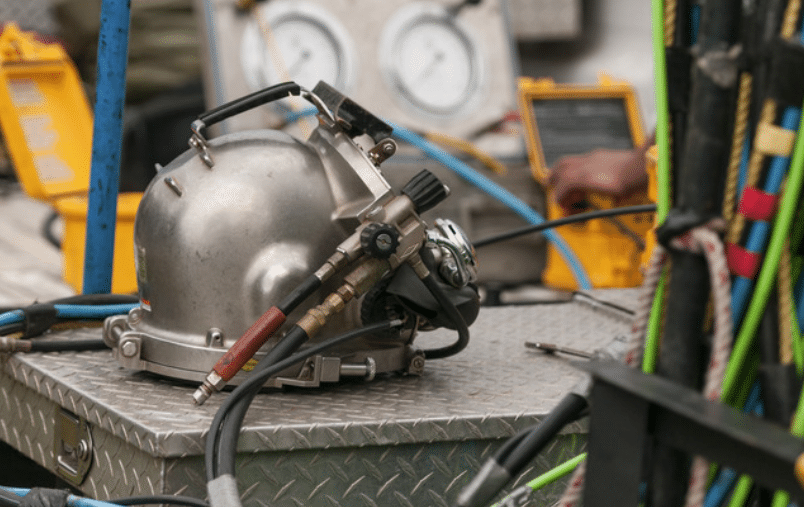
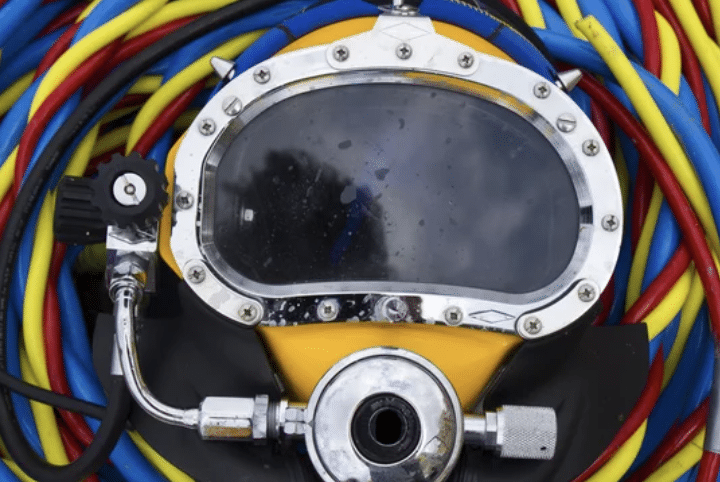
A close-up of a metal diving helmet with attached hoses resting on a metal surface, surrounded by colourful cables and equipment, with blurred gauges and a person in the background.

Oxygen Cleanliness and Compatibility

Advanced blending typically involves:

  • High oxygen partial pressures.
  • Dedicated oxygen-clean cylinders.
  • Hydrocarbon-free systems.
  • Controlled filling speeds.

Oxygen handling errors increase fire risk dramatically.

Advanced blenders must:

  • Inspect equipment thoroughly.
  • Maintain oxygen-clean standards.
  • Avoid incompatible lubricants.
  • Control temperature rise during fills.

Cleanliness is not optional.

It is life support hygiene.


Gas Density and Human Performance

Modern technical diving increasingly recognises gas density as a safety factor.

High-density gas increases:

  • Work of breathing.
  • CO₂ retention risk.
  • Cognitive impairment under stress.

Advanced blenders must understand how mixture composition influences:

  • Diver respiratory workload.
  • CO₂ retention potential.
  • Operational safety margin.

Blending is connected to physiology.

The gas prepared determines diver workload.


Documentation and Quality Control

Advanced gas blending requires:

  • Clear labelling.
  • MOD marking.
  • END documentation.
  • Helium percentage confirmation.
  • Logbook recording.

Analysis must include:

  • Oxygen verification.
  • Helium verification (when possible).
  • Cross-check procedures.

Gas without documentation is unsafe.

Professional culture requires traceability.

Three metal gas pressure regulators mounted on a white wall, each with a gauge, control knob, and connected pipes. The knobs are colour-coded blue, black, and green.

Error Pathways in Advanced Blending

Common errors include:

  • Calculation mis-entry.
  • Pressure misreading.
  • Inadequate mixing time.
  • Incorrect top-off pressure.
  • Labelling errors.

These errors propagate:

  • Incorrect decompression assumptions.
  • Misaligned dive planning.
  • Increased narcosis exposure.
  • Hypoxic breathing gas risk.

Upstream discipline prevents downstream failure.

At N9BO℠, gas blending training emphasises that blending is an operational responsibility equal to dive leadership.

The blender protects the team before the dive begins.


Operational Contexts for Advanced Blenders

Advanced Gas Blender certification is essential for:

  • Technical dive centres.
  • Expedition teams.
  • Public safety units.
  • Military dive operations.
  • Offshore commercial diving support.

Wherever Trimix is used, blending competence must match dive complexity.

Gas complexity increases exposure.

Exposure requires structured preparation.


Ethics and Accountability

Blenders must:

  • Refuse unsafe requests.
  • Verify diver qualification before supplying gases.
  • Educate customers on MOD and END.
  • Maintain strict standards.

Professional integrity protects:

  • The diver.
  • The facility.
  • The operation.

Blending is not customer service.

It is safety control.


Precision Behind Every Technical Dive

Advanced gas blending is invisible during the dive.

Yet every technical diver depends on:

  • Accurate FO₂.
  • Correct helium fraction.
  • Verified MOD.
  • Reliable gas density.

Blending errors are silent.

Consequences are not.

Professional diving culture treats blending as mission-critical.

Precision defines professionalism.

A man in a red polo shirt adjusts a valve on a metal tank in a room with several large gas cylinders and industrial equipment.


Become a Certified TDI Advanced Gas Blender


Mixed gas diving demands disciplined preparation at the fill station. Contact N9BO℠ to learn about the TDI Advanced Gas Blender course and professional Trimix management training.


From the N9BO℠ Knowledge Base


Share this

TDI Nitrox Gas Blender: Precision, Responsibility, and the Science Behind Every Fill

Gas Is Life Support

Every diver depends on breathing gas.

In recreational diving, this may be:

  • Compressed air.
  • Nitrox mixtures.

In technical diving:

  • Multiple Nitrox blends.
  • Oxygen-rich decompression gases.
  • Mixed gas configurations.

Gas is not fuel.

It is life support.

Improper blending compromises safety before the diver even enters the water.


What Nitrox Really Is

Nitrox refers to enriched air mixtures containing:

  • More than 21% oxygen.
  • Typically 32% or 36% O₂ in recreational contexts.

Increasing oxygen reduces:

  • Nitrogen loading.
  • Decompression stress (within limits).

However, oxygen introduces new risks:

  • Oxygen toxicity.
  • Fire hazard during blending.
  • Equipment compatibility requirements.

Understanding oxygen is essential.


Blending Is Not Guesswork

The TDI Nitrox Gas Blender course covers:

  • Dalton’s Law of Partial Pressures.
  • Oxygen fraction calculations.
  • Target blend formulas.
  • Pressure-temperature relationships.
  • Cylinder preparation.

Blenders must calculate:

Target mix %
Starting pressure
Oxygen addition amount
Top-up air volume

Math prevents error.

Error increases exposure.

Gas planning begins in the fill station.

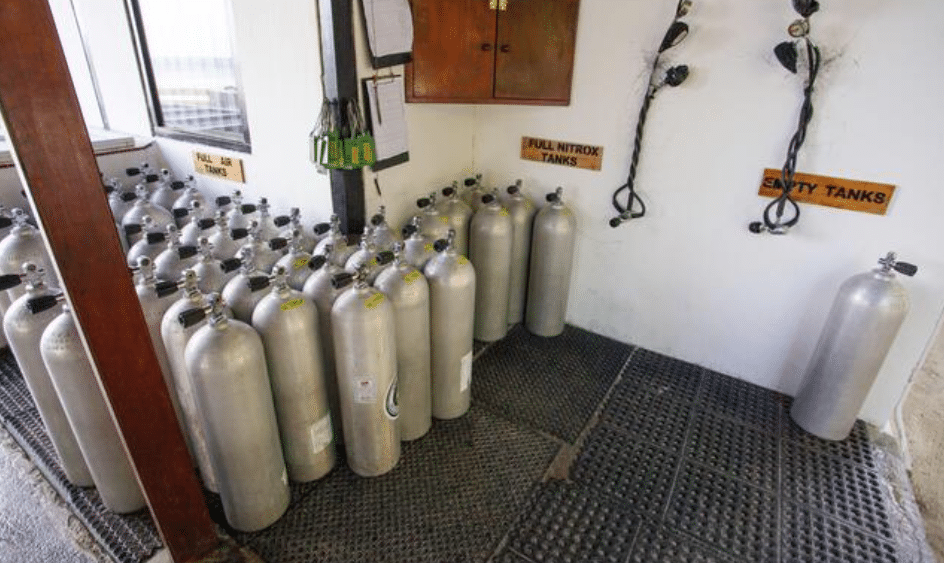
Several scuba cylinders are lined up against a wall in a diving centre, with labels indicating Full Nitrox Cylinders and Empty Cylinders. Equipment and paperwork are visible nearby.

Blending Methods

Common blending techniques include:

Partial Pressure Blending

  • Oxygen added first.
  • Air topped to target pressure.
  • Requires oxygen-clean cylinders.

Continuous Flow Blending

  • Oxygen injected into air stream.
  • Mixed before entering cylinder.
  • Requires specialised equipment.

Each method requires:

  • Monitoring.
  • Verification.
  • Documentation.

Procedure matters.

Shortcuts increase risk.


Oxygen Handling and Fire Risk

Oxygen supports combustion.

In high concentrations, materials that are safe in air can ignite.

Blenders must understand:

  • Oxygen-clean standards.
  • Proper lubricants.
  • Hydrocarbon contamination risks.
  • Temperature control during filling.

A single contaminated fitting can create catastrophic failure.

Cleanliness is safety.


Analysis and Documentation

After blending:

  • Gas must be analysed.
  • Oxygen fraction verified.
  • Cylinder labelled.
  • MOD (Maximum Operating Depth) marked.

Divers rely on:

  • Accurate analysis.
  • Clear documentation.
  • Proper identification.

Gas without verification is assumption.

Assumption has no place in life support.


Human Factors in Blending

Blending errors often result from:

  • Distraction.
  • Calculation shortcuts.
  • Fatigue.
  • Inadequate documentation.

Professional blending requires:

  • Structured checklist.
  • Focused attention.
  • Clear recording.
  • Double-check protocol.

Discipline protects outcome.

At N9BO℠, we emphasise that blending is a safety role — not an administrative task.

The blender protects divers before they descend.

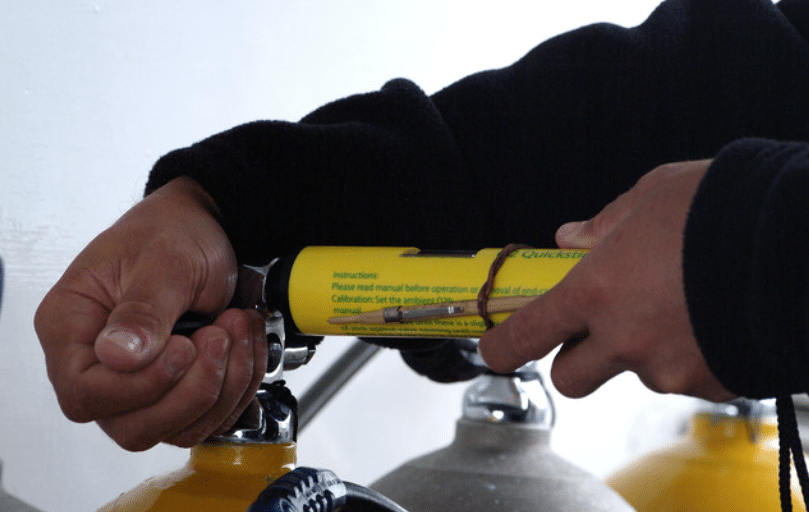
Close-up of a person’s hands attaching a yellow air tank or oxygen cylinder, possibly for diving or safety purposes, with a black sleeve visible on one arm.

Why Blender Training Matters

Many divers assume gas blending is simple.

It is not.

Proper training ensures:

  • Accurate mixture calculation.
  • Safe oxygen handling.
  • Equipment compatibility awareness.
  • Liability reduction.

A certified TDI Nitrox Gas Blender understands both:

  • The science.
  • The responsibility.

Competence behind the scenes protects lives underwater.


Blending in Professional Operations

Blender competence is essential in:

  • Dive centres.
  • Technical diving facilities.
  • Expedition teams.
  • Public safety units.
  • Offshore operations.

When multiple gases are involved, procedural discipline becomes critical.

Gas must match plan.

Plan must match depth.

Depth determines exposure.


From Fill Station to Decompression Stop

The gas blended at the station directly influences:

  • Bottom time.
  • CNS exposure.
  • Decompression profile.
  • Diver safety margin.

Incorrect blending may lead to:

  • Unexpected oxygen toxicity.
  • Incorrect decompression assumptions.
  • Computer profile mismatch.

Blending is upstream risk control.

Upstream discipline prevents downstream crisis.


Professional Identity Through Precision

The TDI Nitrox Gas Blender certification represents:

  • Technical competence.
  • Scientific literacy.
  • Oxygen safety awareness.
  • Operational responsibility.

Blenders are part of the safety chain.

Their work is invisible during the dive.

But essential before it begins.

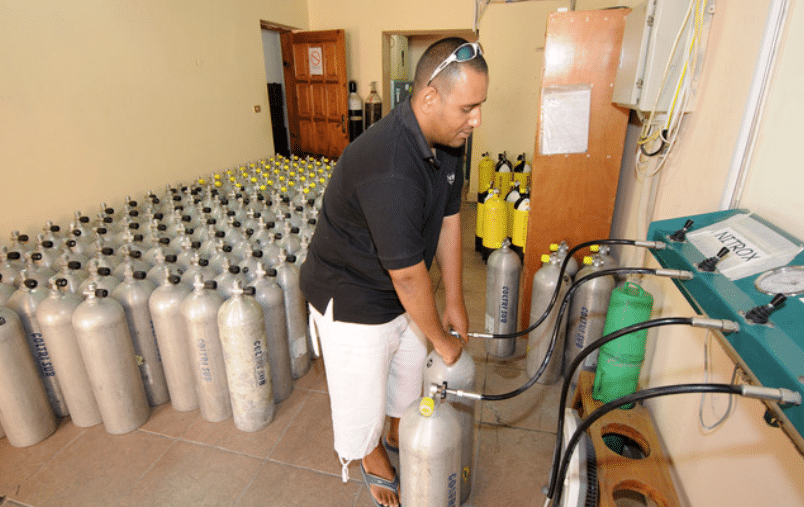
A man in a black shirt and white shorts fills a metal scuba cylinder with air in a room containing many similar cylinders lined up against the wall.


Ready to Become a Certified Nitrox Gas Blender?


Precision blending protects every dive. Contact N9BO℠ to learn more about the TDI Nitrox Gas Blender course and professional gas management training.


From the N9BO℠ Knowledge Base


Share this

How to Choose the Right Dry Suit for Technical or Public Safety Diving

More Than Thermal Protection

Many divers initially think of a dry suit as a way to stay warm.

That is only partially true.

In technical and public safety diving, a dry suit is not simply about comfort—it is a critical component of the diver’s overall system. It affects buoyancy, mobility, gas management, and even emergency response capability. A poorly selected or poorly fitted suit does not just reduce efficiency. It can actively compromise safety.

When diving in cold, contaminated, or extended-duration environments, exposure protection becomes inseparable from operational performance. A diver who is cold loses dexterity. A diver who is restricted cannot move efficiently. A diver who cannot manage buoyancy precisely increases risk for the entire team.

The dry suit, therefore, must be considered as part of a complete system—not an accessory.


Material Matters: Durability vs Flexibility

One of the first decisions when choosing a dry suit is material.

Different materials offer different advantages, but they also introduce trade-offs.

Membrane (or trilaminate) suits are lightweight and flexible. They allow greater freedom of movement, making them popular for technical divers who require precision and agility. However, they provide little inherent insulation, meaning thermal protection must come from undergarments. They are also more susceptible to damage if used in abrasive environments.

Neoprene suits, on the other hand, offer built-in insulation and durability. They are thicker and more robust, which can be beneficial in public safety environments where divers may encounter debris, sharp objects, or confined spaces. However, they are less flexible and can compress at depth, affecting buoyancy characteristics.

The choice depends on operational context.

A diver working in controlled technical environments may prioritise mobility. A public safety diver operating in unpredictable conditions may prioritise durability.

There is no universal answer—only the correct answer for the mission.


Fit: The Most Overlooked Safety Factor

Fit is one of the most underestimated aspects of dry suit selection.

An ill-fitting suit introduces multiple problems:

  • Excess air trapping
  • Restricted movement
  • Increased drag
  • Difficulty reaching valves or equipment

Too large, and the suit creates uncontrolled air movement, making buoyancy management unstable. Too tight, and it restricts circulation and mobility, increasing fatigue and limiting access to critical equipment.

Proper fit ensures:

  • Even air distribution
  • Full range of motion
  • Efficient propulsion

In technical diving, where precision matters, poor fit is immediately noticeable. In public safety diving, where visibility is often zero, it becomes even more critical—because the diver cannot rely on visual feedback to compensate.

A dry suit must fit the diver—not the other way around.

Two people stand on a wooden jetty by a calm lake; one helps the other adjust scuba diving kit. Blue fins, a large cylinder, and water containers are visible, with mountains and forest in the background.

Inflation and Exhaust Systems: Control Under Pressure

A dry suit introduces an additional gas space that must be managed.

This requires:

  • An inflation system (typically connected to a cylinder)
  • An exhaust valve for controlled gas release

These systems are not optional features.

They are essential for:

  • Maintaining buoyancy
  • Preventing uncontrolled ascent
  • Ensuring comfort and control

A diver who cannot manage dry suit inflation properly may experience:

  • “Suit squeeze” (insufficient gas)
  • Excessive buoyancy (too much gas)
  • Instability during ascent or descent

In public safety environments, where divers may be tethered or operating in confined areas, precise control becomes even more important.

Training plays a critical role here. At N9BO℠, dry suit training goes beyond basic familiarisation. We focus on real operational control—because managing a dry suit in a pool is not the same as managing it in zero visibility with task loading.


Failure Points: What Can Go Wrong

Every piece of equipment has failure modes.

Dry suits are no exception.

Common issues include:

  • Leaks (seals, zippers, material damage)
  • Valve malfunction
  • Improper inflation gas management

A minor leak may be manageable.

A major failure can rapidly lead to:

  • Loss of thermal protection
  • Increased stress
  • Aborted dive

Divers must not only choose the right suit—they must understand how it can fail and how to respond.

This includes:

  • Recognising early signs of problems
  • Managing buoyancy without relying on the suit
  • Knowing when to abort

Equipment knowledge is not theoretical.

It is operational.

A person in full scuba diving kit, including a mask and gloves, is being assisted by another person wearing a red vest labelled CALE. They appear to be preparing for a dive outdoors, with trees in the background.

Integration With the Rest of the System

A dry suit does not exist in isolation.

It must integrate with:

  • Harness configuration
  • Cylinder setup
  • Weighting system
  • Exposure protection layers

For example, adding a dry suit changes buoyancy characteristics. This affects weighting and trim. Improper integration can result in:

  • Poor body position
  • Increased gas consumption
  • Reduced efficiency

Technical divers often spend significant time refining this integration.

Public safety divers must achieve it quickly and reliably.

Because operational environments do not allow for trial and error.


Training: Beyond “Staying Upright”

Many entry-level dry suit courses focus on basic skills:

  • Staying upright
  • Avoiding inversion
  • Simple buoyancy control

This is not sufficient for professional diving.

Real-world operations involve:

  • Task loading
  • Restricted movement
  • Environmental hazards

A diver must be able to:

  • Manage buoyancy while working
  • Maintain trim under stress
  • Respond to failures without losing control

At N9BO℠, dry suit training is treated as a performance skill—not a comfort upgrade. Because in technical and public safety diving, the ability to control your system under pressure defines your effectiveness.


Final Perspective

Choosing a dry suit is not a matter of preference.

It is a decision that affects:

  • Safety
  • Performance
  • Operational capability

The right suit:

  • Fits correctly
  • Matches the environment
  • Integrates with the system

The wrong suit introduces:

  • Instability
  • Fatigue
  • Risk

For professional divers, this decision must be made deliberately.

Because once underwater, the suit is not just equipment.

It is part of how you survive—and how you perform.

A person wearing a yellow commercial diving helmet and black gloves adjusts their mask, preparing for an underwater operation. Another figure in a hat is partially visible on the left.


Not Sure Which Dry Suit Fits Your Diving Needs?


Contact N9BO℠ for expert guidance and training on dry suit selection, configuration, and real-world operational use.


From the N9BO℠ Knowledge Base

Share this

VIP Inspector Courses in Thailand: Why Authorisation Matters

VIP Inspection Is a Legal and Safety Responsibility

VIP inspection is not simply a technical skill—it is a formal declaration of safety.

When an inspector signs off on a cylinder, they assume responsibility for declaring that the pressure vessel is fit for service. This carries operational, legal, and moral consequences. Authorised training matters because liability is real.


What a VIP Inspector Is Authorised to Do

A certified VIP Inspector is trained to:

  • Evaluate structural integrity
  • Identify corrosion and fatigue
  • Assess valve and neck compatibility
  • Reject cylinders that present risk
  • Document inspection outcomes correctly

This authority must be backed by recognised certification—not informal experience.


The Problem With Unauthorised VIP Training

In some regions, informal or outdated VIP instruction persists.

These programmes often:

  • Skip material science fundamentals
  • Ignore composite-specific risks
  • Fail to teach proper documentation
  • Create false confidence

Unauthorised training exposes operators and divers to unacceptable risk.


Why Authorisation Is Non-Negotiable in Thailand

Thailand hosts a high density of dive operations, technical diving, and professional gas handling.

Without centralised standards, inspection quality varies dangerously. N9BO℠ provides authorised VIP Inspector training aligned with international best practice—raising the baseline nationally.

Sunlight filters through the clear blue water, illuminating underwater rock formations and coral on the ocean floor, creating serene patterns of light and shadow.

Instructor Perspective: Teaching Responsibility, Not Just Technique

VIP courses are not about speed or convenience.

At N9BO℠, instruction emphasises:

  • Conservative decision-making
  • Ethical rejection criteria
  • Accountability under pressure
  • Understanding when not to pass a cylinder

This mindset protects lives and reputations.


VIP Inspection and Professional Operations

Public safety units, technical diving centres, and emergency services depend on reliable cylinders.

In these contexts, inspection failure affects teams—not individuals. Authorised VIP training ensures inspectors understand this broader impact.


Documentation Is Part of the Inspection

A cylinder without traceable records is a liability.

VIP Inspectors are trained to maintain:

  • Serial tracking
  • Inspection histories
  • Condemnation records

This protects organisations during audits or incidents.

Sunlight filters through the clear blue water, illuminating underwater rock formations and coral on the ocean floor, creating serene patterns of light and shadow.

Why N9BO℠ Sets the Benchmark

As an SDI 5-Star Instructor Training Facility and the only authorised VIP Inspector training provider in Thailand, N9BO℠ operates under elevated scrutiny.

This status ensures:

  • Current standards
  • Instructor oversight
  • QA compliance
  • Recognised certification

Professional Parallels

In industrial gas, aviation, and medical oxygen systems, inspection authority is tightly regulated.

VIP inspection belongs in the same category. Diving cylinders are no exception.


The Bottom Line

VIP inspection is not casual maintenance—it is a declaration of safety.

Authorised training ensures inspectors understand their responsibility and act conservatively. At N9BO℠, VIP Inspector courses are delivered with professional accountability, because pressure vessels demand respect.

Sunlight filters through the clear blue water, illuminating underwater rock formations and coral on the ocean floor, creating serene patterns of light and shadow.

Interested in Becoming a Certified VIP Inspector?

Authorised training ensures inspections meet recognised international standards. Contact us to learn about upcoming VIP Inspector courses at N9BO℠.


From the N9BO℠ Knowledge Base

Share this

Cylinder Safety Done Right: VIP, Hydro, and Composite Inspection at N9BO℠

Cylinders Are Pressure Vessels — Not Consumables

Every dive cylinder stores enormous potential energy.

Failures are rare—but when they occur, consequences are severe. Cylinder inspection is not about compliance; it is about risk elimination. Professional diving operations treat cylinder safety as non-negotiable infrastructure.


What VIP Actually Covers

A proper Visual Inspection Procedure goes far beyond a quick internal look.

VIP includes:

  • Internal corrosion assessment
  • Neck-thread evaluation
  • O-ring groove inspection
  • Exterior structural checks
  • Valve compatibility verification

ASSET-certified inspectors are trained to recognise early-stage failure indicators invisible to untrained eyes.


Hydrostatic Testing: Structural Integrity Under Load

Hydrostatic testing verifies that a cylinder can elastically withstand pressure without permanent deformation.

This process confirms:

  • Material integrity
  • Manufacturing tolerance retention
  • Long-term fatigue resistance

Hydro testing is not optional—it is structural validation.

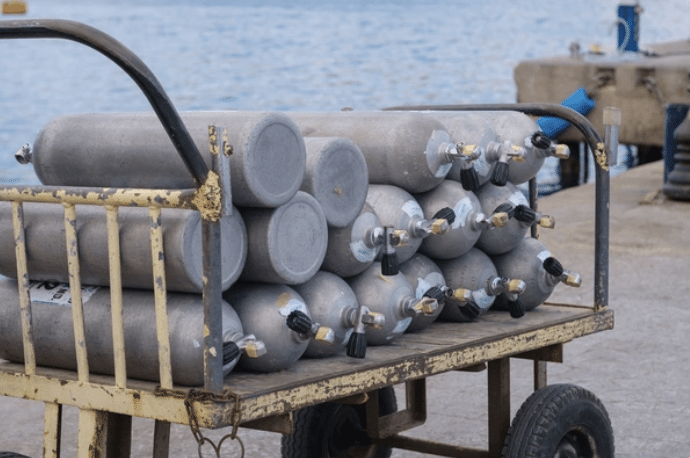
A yellow metal trolley holds several stacked scuba diving air cylinders near a waterfront, with the sea and a concrete quay visible in the background.

Composite Cylinders Change the Equation

Composite cylinders introduce different failure modes:

  • Fibre delamination
  • UV degradation
  • Resin fatigue
  • Impact sensitivity

Inspection requires specific composite training, not assumptions based on steel or aluminium experience.


Instructor Perspective: Correcting Dangerous Shortcuts

Instructors and managers often assume that “recent hydro” equals safe.

At N9BO℠, cylinder safety training dismantles this myth. A cylinder can pass hydro and still be unsafe operationally without proper VIP.


Why ASSET Certification Matters

ASSET certification ensures inspectors are trained to:

  • Recognise manufacturer-specific issues
  • Follow traceable inspection protocols
  • Maintain inspection documentation
  • Apply conservative rejection criteria

This protects divers, facilities, and organisations legally and operationally.


Cylinder Safety in Professional Contexts

Public safety, technical, commercial, and emergency services rely on cylinders in high-risk environments.

Failures in these contexts affect entire teams. Professional-grade inspection standards are therefore essential.

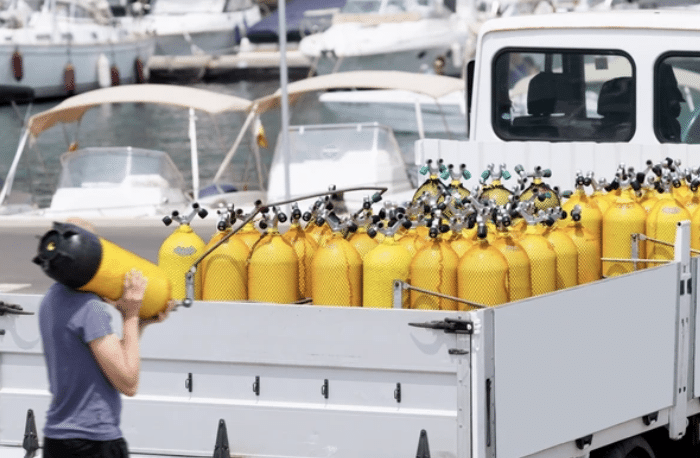
A person carries a large yellow scuba cylinder towards a white lorry loaded with many similar yellow scuba cylinders, parked near a marina with boats in the background.

Documentation and Accountability

Proper inspection includes:

  • Serial tracking
  • Inspection records
  • Condemnation documentation

This creates transparency and legal protection. Professional operations depend on traceability.


Why “It Looks Fine” Is Not Enough

Cylinder failures develop internally and progressively.

Visual reassurance is meaningless without trained inspection. Professional inspection training eliminates guesswork.


Professional Parallels

In aviation and industrial gas systems, pressure vessel inspection is tightly regulated.

Diving operations must apply the same seriousness. Cylinders are not exceptions.


The Bottom Line

Cylinder safety is foundational—not optional.

VIP, hydrostatic, and composite inspections require training, discipline, and accountability. At N9BO℠, ASSET-certified inspection ensures cylinders meet professional standards—because pressure does not forgive assumptions.

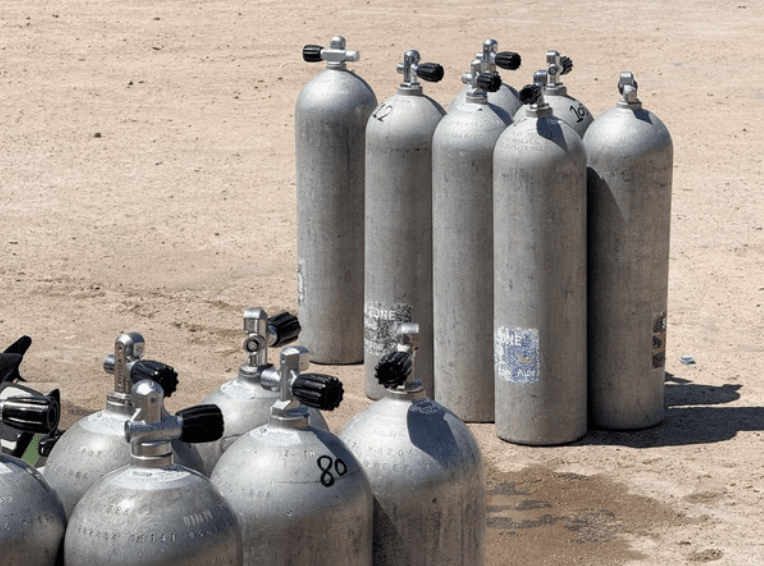
A group of metal oxygen or scuba cylinders is arranged on a sandy, sunlit ground. Some cylinders are upright while others lie horizontally. The cylinders have visible valves and show signs of use and wear.

Need Professional Cylinder Inspection or VIP Training?

Proper cylinder inspection protects divers long before the dive begins. Contact us to learn about VIP inspection courses and asset safety programmes.


From the N9BO℠ Knowledge Base

Share this

The TDI Equipment Specialist: Understanding Gear Beyond Assembly

Equipment Familiarity Is Not Equipment Understanding

Many divers know how to assemble their equipment correctly. Far fewer understand why it is configured the way it is—or how it behaves under failure conditions.

The TDI Equipment Specialist programme exists to close this gap. Professional equipment training focuses on systems thinking, not mechanical routine.


What the Equipment Specialist Really Studies

The Equipment Specialist does not memorise brand features. Instead, training covers:

  • System architecture and redundancy
  • Failure modes and consequences
  • Interaction between components
  • Environmental effects on performance

This knowledge allows divers to predict problems before they occur. TDI training treats equipment as an integrated system.


Understanding Failure Before It Happens

Equipment failures rarely appear suddenly. They develop through:

  • Wear
  • Misconfiguration
  • Contamination
  • Environmental stress

An Equipment Specialist learns to recognise early indicators. Professional training prioritises anticipation over reaction.


Why This Matters in Technical Diving

In technical environments, equipment failure often removes direct ascent as an option.

Divers must diagnose, isolate, and manage failures calmly. TDI Equipment Specialist training prepares divers to respond with understanding rather than guesswork.

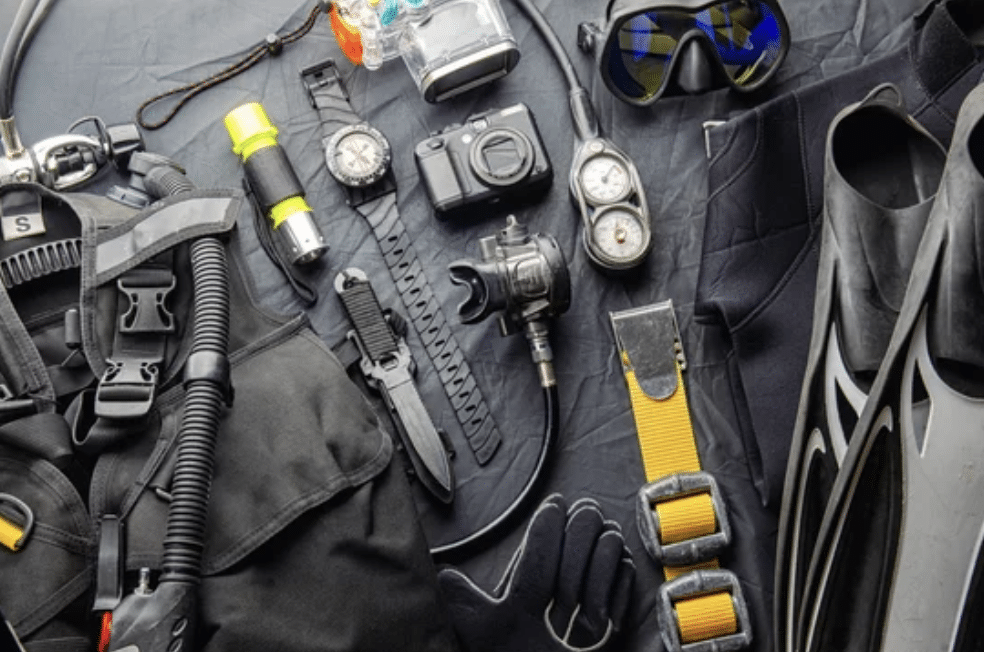
A flat lay of scuba diving gear, including a diving mask, snorkel, regulator, gauges, underwater camera, torch, diving watch, gloves, fins, and a wetsuit, all arranged on a dark surface.

Instructor Perspective: Correcting Overconfidence

Instructors frequently encounter divers who are confident in their gear but unaware of its limitations.

At N9BO℠, equipment training emphasises humility—understanding what gear cannot do is as important as knowing what it can.


Equipment Choices Shape Behaviour

Equipment configuration influences decision-making, task loading, and team interaction.

Poorly understood setups create unnecessary complexity. Professional equipment training teaches divers to choose gear intentionally.


Equipment Knowledge Improves Team Safety

In team diving, understanding a teammate’s equipment is critical during emergencies.

The Equipment Specialist learns to recognise and assist across configurations. TDI training treats shared equipment literacy as a safety multiplier.


Maintenance vs Systems Knowledge

Routine maintenance keeps equipment functional. Systems knowledge keeps divers safe when it isn’t.

The Equipment Specialist bridges this divide. Professional training emphasises decision-making under degraded equipment conditions.

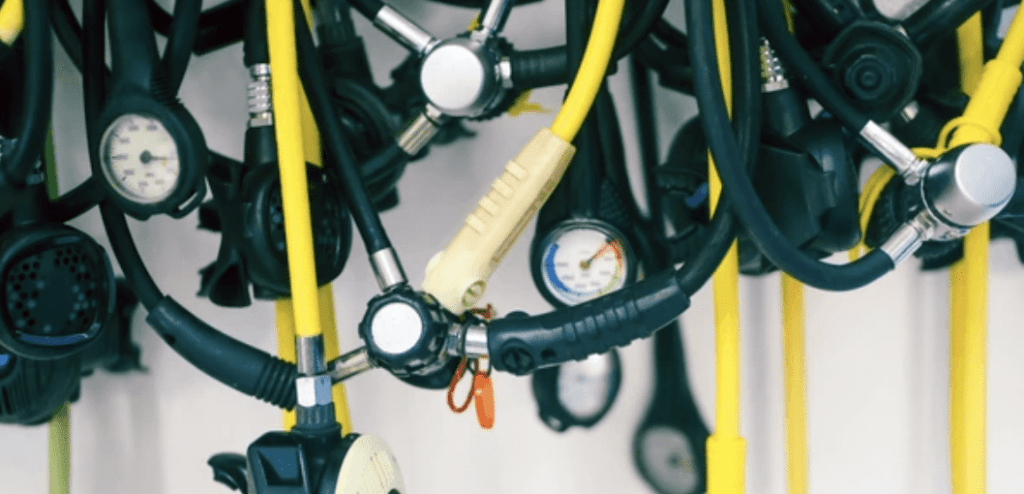
A close-up of several scuba diving regulators and hoses with attached pressure gauges, mostly black and yellow, hanging together in a cluster.

Equipment and Human Factors

Complex equipment increases cognitive load.

The Equipment Specialist learns to balance capability with simplicity. Advanced technical training reinforces human factors awareness in equipment selection.


Professional Parallels

In aviation and engineering, operators understand systems—not just controls.

Technical diving follows the same logic. Knowledge enables resilience.


The Bottom Line

Equipment does not make dives safer.

Understanding equipment does.

The TDI Equipment Specialist develops divers who can anticipate, diagnose, and manage equipment behaviour intelligently.

At N9BO℠, equipment training is about mastery—not assembly.

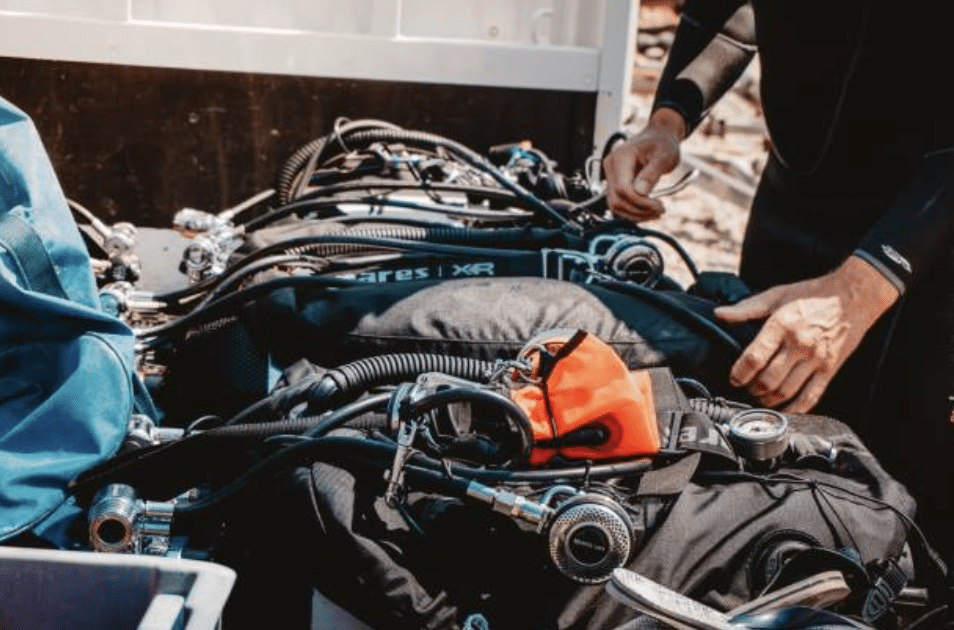
A person wearing a wetsuit organises scuba diving equipment, including oxygen cylinders, gauges, and a bright orange safety marker, laid out on a surface outdoors.

Want to Understand Your Equipment at a Professional Level?

Equipment knowledge improves safety, efficiency, and confidence underwater. Contact us to learn more about Equipment Specialist training programmes.


From the N9BO℠ Knowledge Base

Share this
Facebook
Instagram
X (Twitter)
TikTok
Youtube
Whatsapp