Purpose of the Advanced Nitrox Course
The TDI Advanced Nitrox course is not simply an extension of enriched air diving. It represents a transition into technical diving, where planning, discipline, and procedural control replace flexibility and improvisation.
The course enables divers to use oxygen-rich gases up to 100%, primarily to optimise decompression. This allows for more efficient off-gassing and supports dives that extend beyond standard no-decompression limits.
However, the capability itself is not the objective. The objective is control—control of gas, exposure, and execution. Divers must understand how each element of the dive plan interacts, and how small deviations can introduce disproportionate risk.
At N9BO℠, we emphasise that Advanced Nitrox is not about diving deeper or longer: it is about operating with greater precision.
Oxygen Exposure and Risk Management
The introduction of higher oxygen fractions fundamentally changes the risk profile of the dive. Oxygen toxicity becomes a central consideration, requiring continuous awareness and strict adherence to limits.
Divers must operate within defined exposure parameters, managing both depth and time with accuracy. Maximum operating depths are calculated based on oxygen partial pressure, and these limits are absolute. Exceeding them introduces immediate risk, often without warning.
What changes at this level is not only the knowledge of these limits, but the discipline to respect them under all conditions. Environmental factors, task loading, and team dynamics must not influence compliance.
Exposure is cumulative. It must be tracked across the entire dive, not just at isolated points. This requires active monitoring and integration into the overall dive plan.
At N9BO℠, we treat oxygen management as a continuous process, not a calculation completed before the dive.
Decompression as a Controlled Phase
In Advanced Nitrox diving, decompression is no longer incidental—it is planned, structured, and critical to the success of the dive.
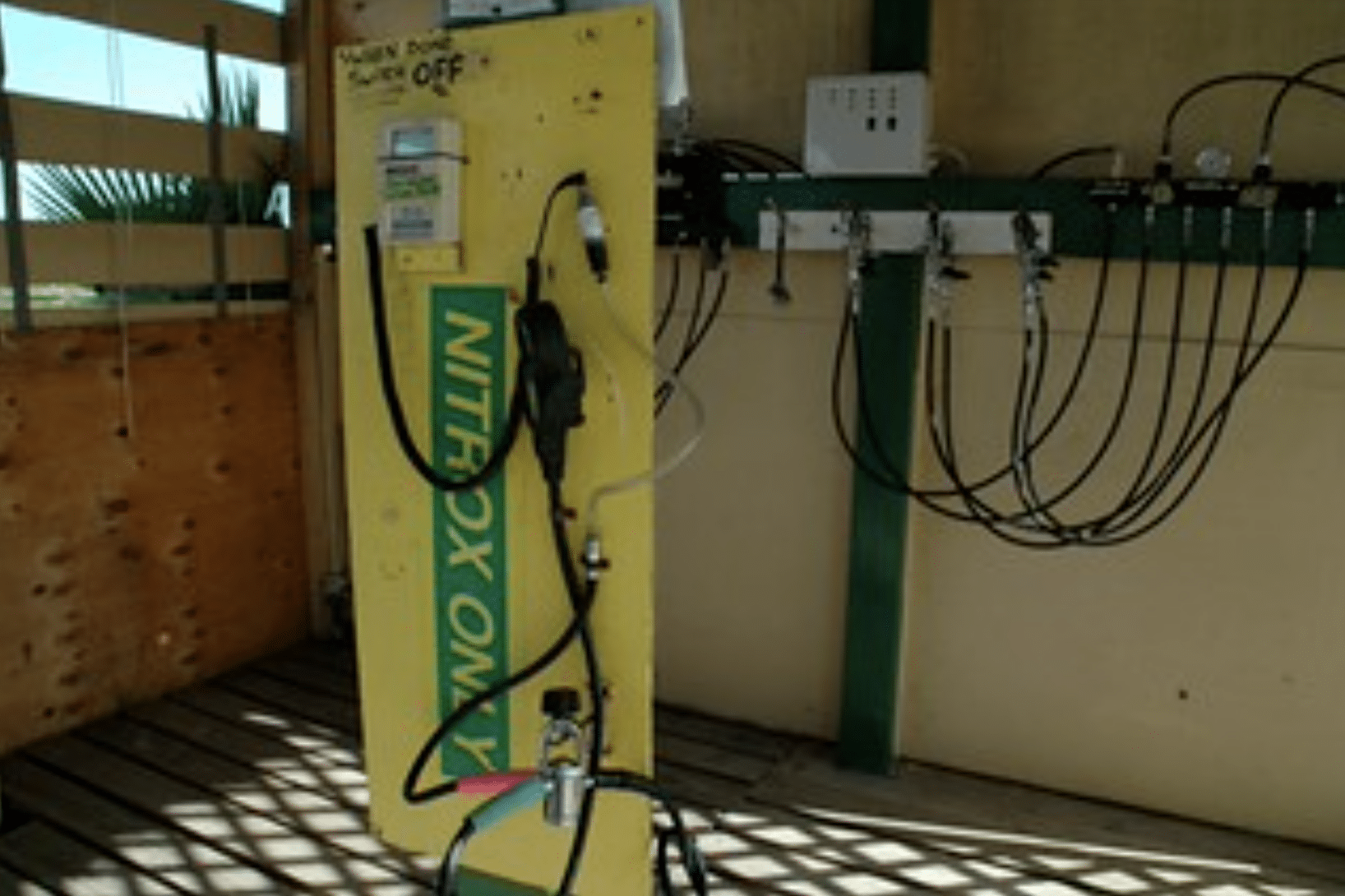
Divers are introduced to the use of oxygen-rich gases to accelerate decompression. This requires precise execution of gas switches and strict adherence to planned stop depths and durations.
Decompression becomes an active phase of the dive. The diver must maintain stable depth, monitor time accurately, and manage gas transitions without error. Any deviation—whether from poor buoyancy control or lack of attention—affects the efficiency and safety of the process.
There is no margin for approximation. Depth control must be exact, and timing must be consistent.
At N9BO℠, we emphasise that decompression is where discipline is most critical. It is not a passive wait—it is an active operational task.
Gas Management and Switching Discipline
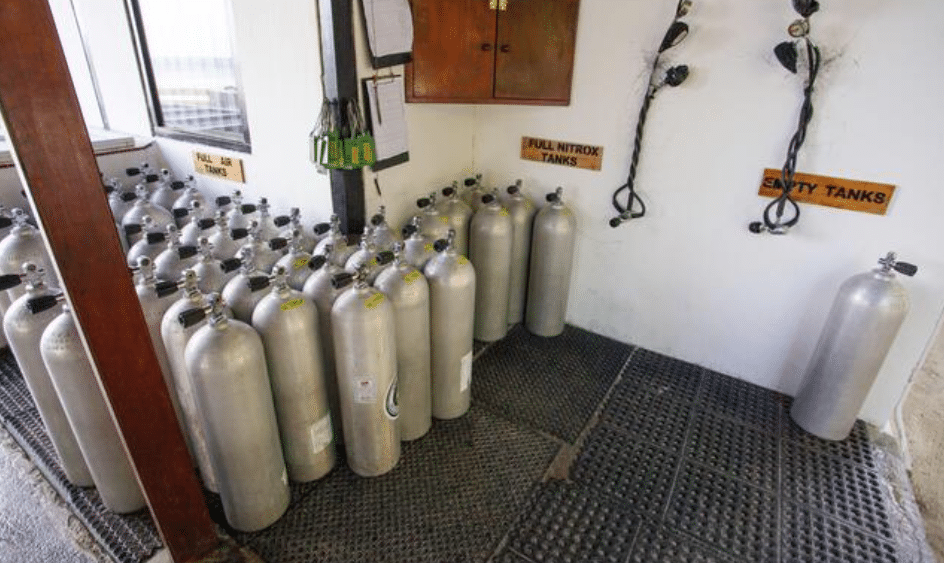
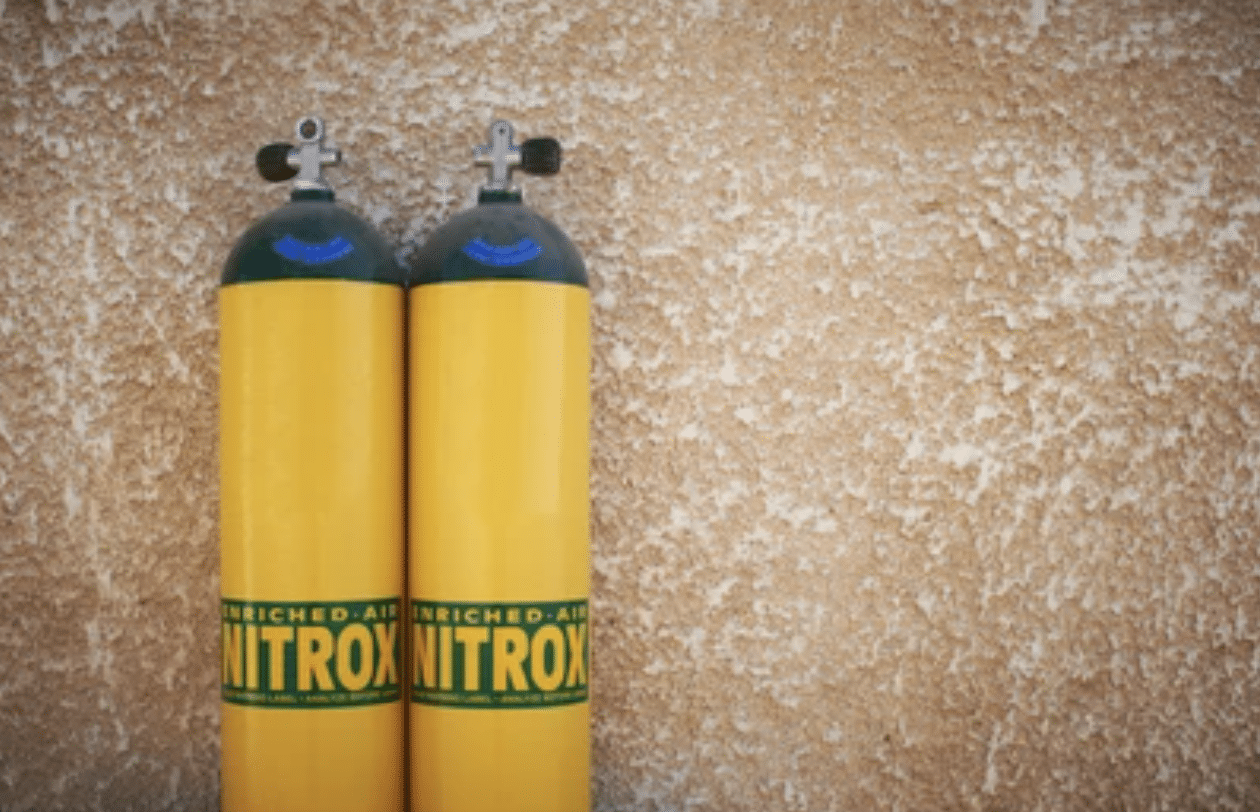
The introduction of multiple gases increases complexity significantly. Divers must manage not only their primary gas supply, but also decompression gases, each with specific roles and limits.
Gas switching becomes one of the highest-risk points in the dive. It requires a structured, repeatable procedure to ensure that the correct gas is used at the correct depth.
Errors at this stage are often procedural, not technical. They result from assumption, distraction, or lack of verification.
To mitigate this, switching must be deliberate. The diver must confirm the gas, confirm the depth, and execute the switch in a controlled manner. There is no reliance on memory or habit—only on procedure.
At N9BO℠, we enforce disciplined gas switching protocols, recognising that this is a primary failure point in technical diving.
Equipment Configuration and System Integrity
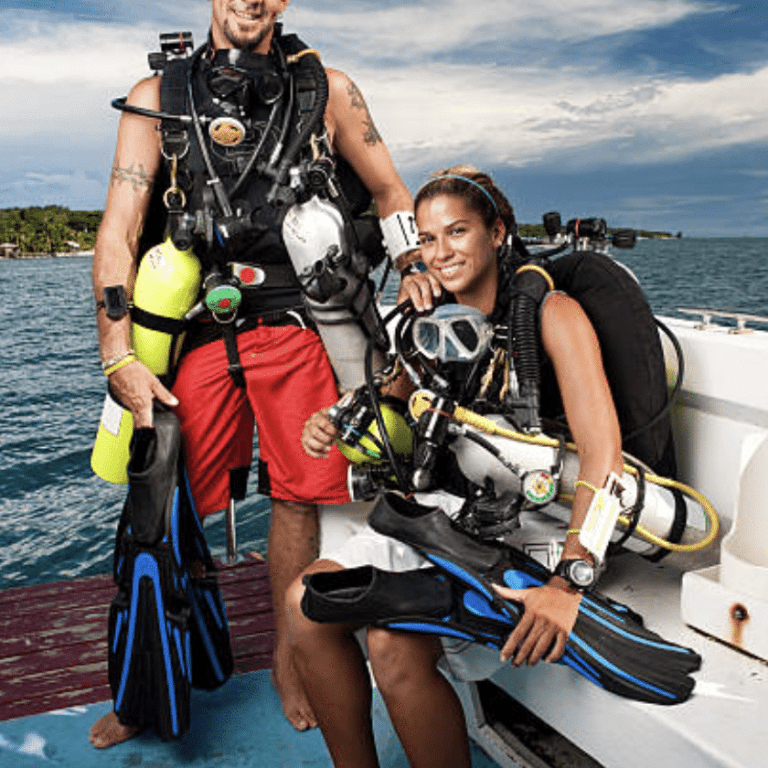
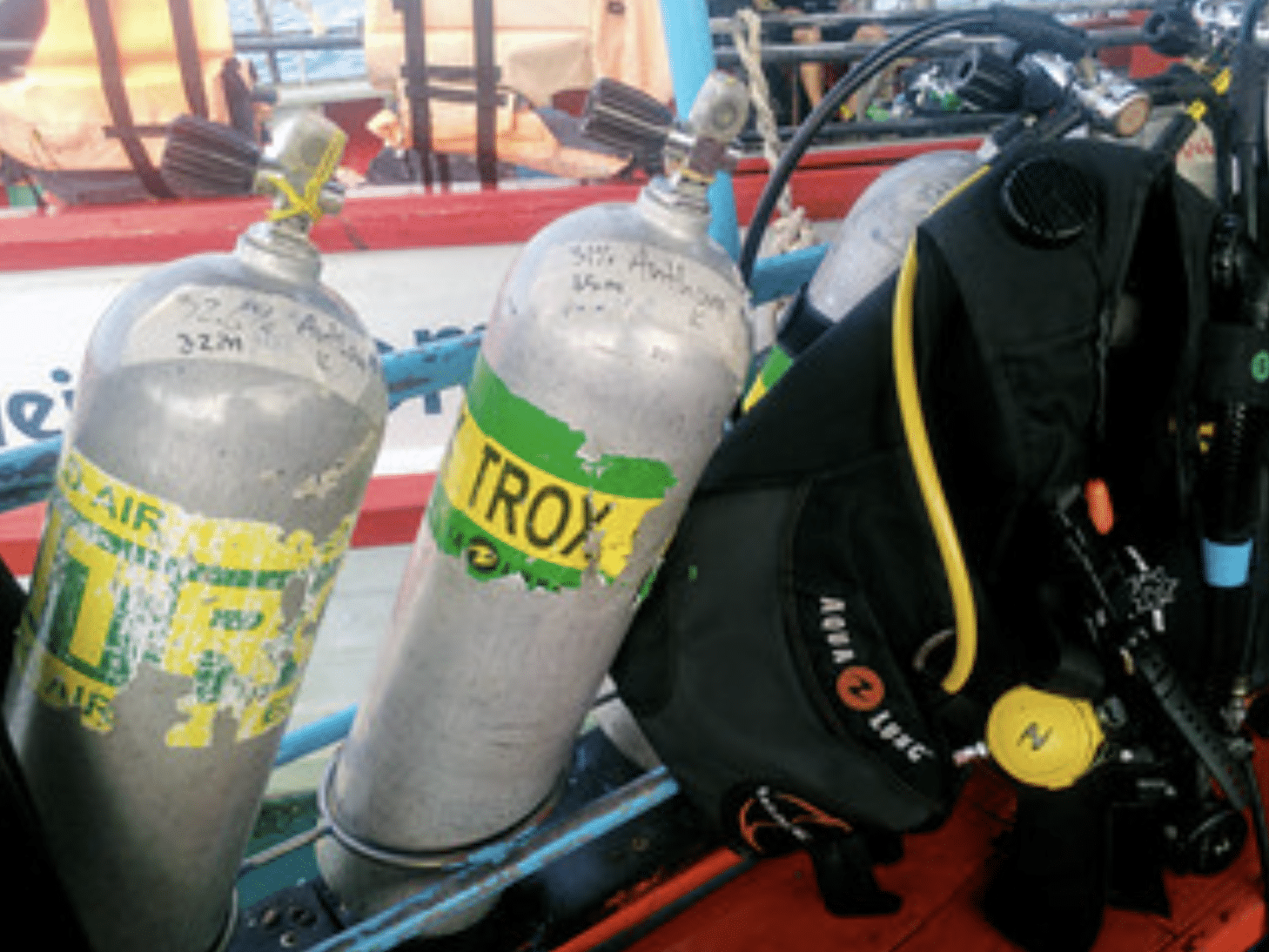
Advanced Nitrox diving introduces additional equipment, including stage or decompression cylinders. This changes the configuration and requires a higher level of organisation and familiarity.
Equipment must be configured to support:
- Clear identification of gases
- Efficient access during switches
- Redundancy in critical systems
Configuration is not individual preference—it must support operational clarity and reduce the likelihood of error.
Each component must be maintained to a higher standard. Failure of equipment in a decompression environment has greater consequences than in standard diving.
At N9BO℠, we treat equipment as part of a system. Its configuration must align with the dive plan and support execution without ambiguity.
Managing Task Load and Maintaining Awareness
As complexity increases, so does task load. The diver must manage multiple variables simultaneously—gas, depth, time, positioning, and environmental conditions.
This creates a risk of cognitive overload. Attention may become focused on a single task, reducing overall situational awareness.
Maintaining control requires structure. Tasks must be prioritised, and awareness must be actively maintained. The diver must continuously monitor critical parameters while avoiding fixation.
This is where discipline replaces instinct. The diver must follow a structured approach, ensuring that no element is neglected.
At N9BO℠, we integrate human factors into training, ensuring that divers can manage complexity without loss of control.
Team Coordination and Procedural Consistency
Technical diving introduces a higher level of team dependency. Individual actions affect the entire team, particularly during decompression.
Procedures must be standardised. Gas switches, ascent rates, and stop durations must be aligned across the team. Any deviation introduces risk not only to the individual, but to the group.
Communication becomes more structured, even when limited. Each diver must understand the plan and execute it consistently.
Coordination reduces variability. It ensures that all team members operate within the same framework.
At N9BO℠, we treat team alignment as a critical control measure in technical operations.
Transitioning to a Technical Mindset
The Advanced Nitrox course represents a shift from flexibility to discipline. Recreational diving allows for adaptation within broad limits. Technical diving does not.
Every aspect of the dive is planned and executed with precision. There is reduced tolerance for deviation, and increased reliance on procedure.
This requires a change in mindset. The diver must move from reacting to conditions, to controlling them through planning and execution.
Confidence is no longer based on comfort—it is based on competence and adherence to process.
At N9BO℠, we emphasise that technical progression is defined by mindset as much as skill.
Operational Mindset
Advanced Nitrox establishes the foundation for technical diving. It introduces complexity, but more importantly, it introduces control.
Success at this level depends on precision in planning, discipline in execution, and continuous awareness throughout the dive.
The margin for error is reduced. This is not a limitation—it is a requirement for safe extension of capability.
At N9BO℠, we approach Advanced Nitrox as a system of control. Each element—gas, equipment, procedure, and mindset—must function together.
In technical diving, capability is not defined by how far you can go, but by how precisely you operate within your limits.
Build Precision Before You Extend Your Limits
Contact N9BO℠ to integrate TDI Advanced Nitrox training into your development pathway, building the control, discipline, and technical capability required for advanced diving operations.
From the N9BO℠ Knowledge Base