Purpose of the Tec Trimix Course
The Tec Trimix course is designed to extend technical divers beyond normoxic trimix into hypoxic trimix environments. This means the breathing gas used at depth does not contain sufficient oxygen to support life at the surface, requiring strict gas management from descent to ascent.
Divers are trained to conduct dives approaching 90 metres / 300 feet while managing multiple gases and extended decompression obligations.
This is not an incremental progression from Tec Trimix 65. It represents a shift into deep technical diving where depth, exposure, and complexity are all significantly increased.
At N9BO℠, we position Tec Trimix as the level where technical diving becomes fully mission-driven.
From Normoxic to Hypoxic Trimix
Unlike Tec Trimix 65, which uses normoxic trimix, this course introduces hypoxic gas mixtures. These gases require the use of travel gas during descent and ascent, as they cannot sustain consciousness at shallow depth.
This fundamentally changes dive planning. The diver must manage:
- Travel gas for descent and ascent
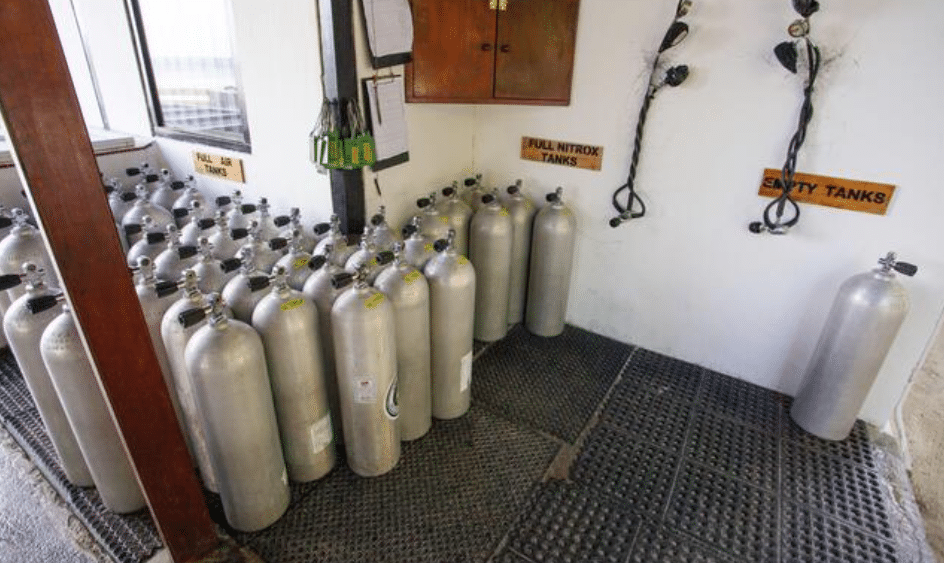
- Bottom gas optimised for depth and narcosis
- Multiple decompression gases for ascent
Gas sequencing becomes critical. Each transition must occur at a precise depth, with no margin for error.
This creates a layered system where gas management defines the structure of the dive.
At N9BO℠, we emphasise that hypoxic trimix demands absolute procedural discipline.
Depth, Exposure, and Operational Commitment
Diving to 90 metres introduces a level of exposure where all variables become critical. Gas consumption increases rapidly, decompression obligations extend significantly, and environmental factors have an amplified impact.
At this depth, the diver operates with minimal margin for error. Any deviation in depth, timing, or gas use can have immediate and serious consequences.
The dive must be planned in full detail, including contingencies for equipment failure, gas loss, and decompression extension.
Execution must follow the plan without deviation.
At N9BO℠, we treat deep trimix diving as a controlled operation where commitment replaces flexibility.
Multi-Gas Management and Decompression Strategy
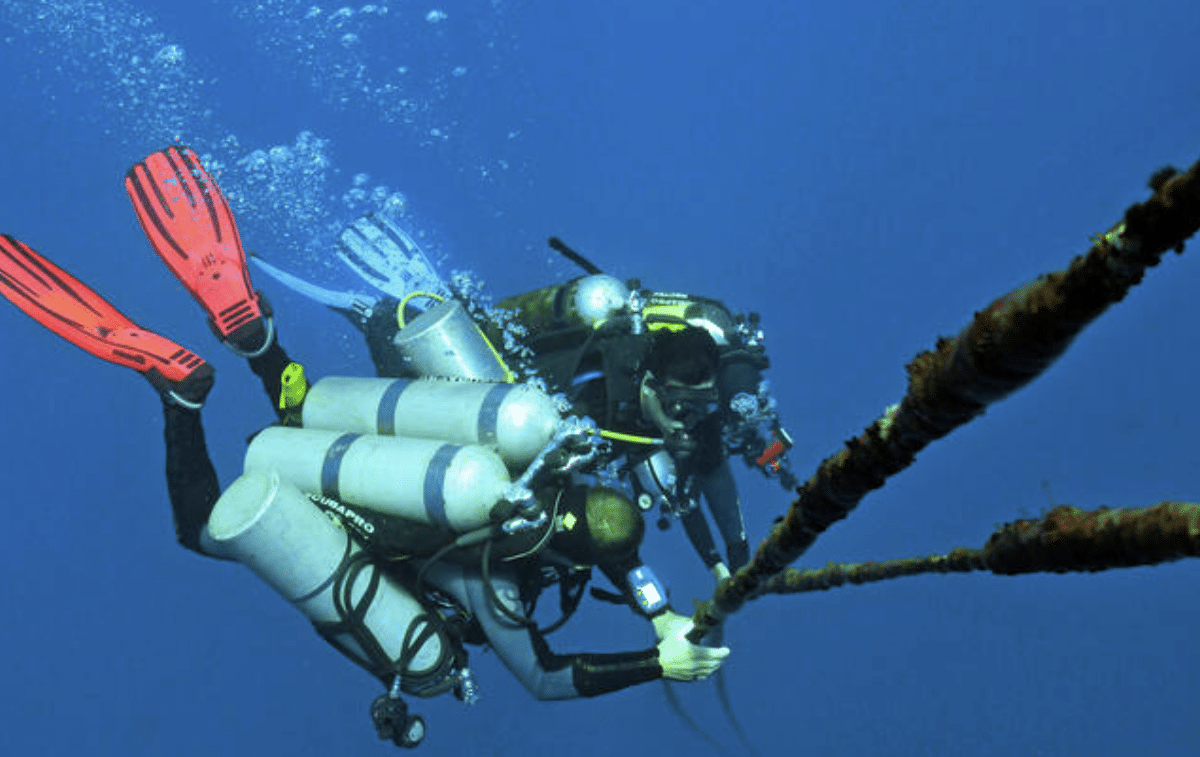
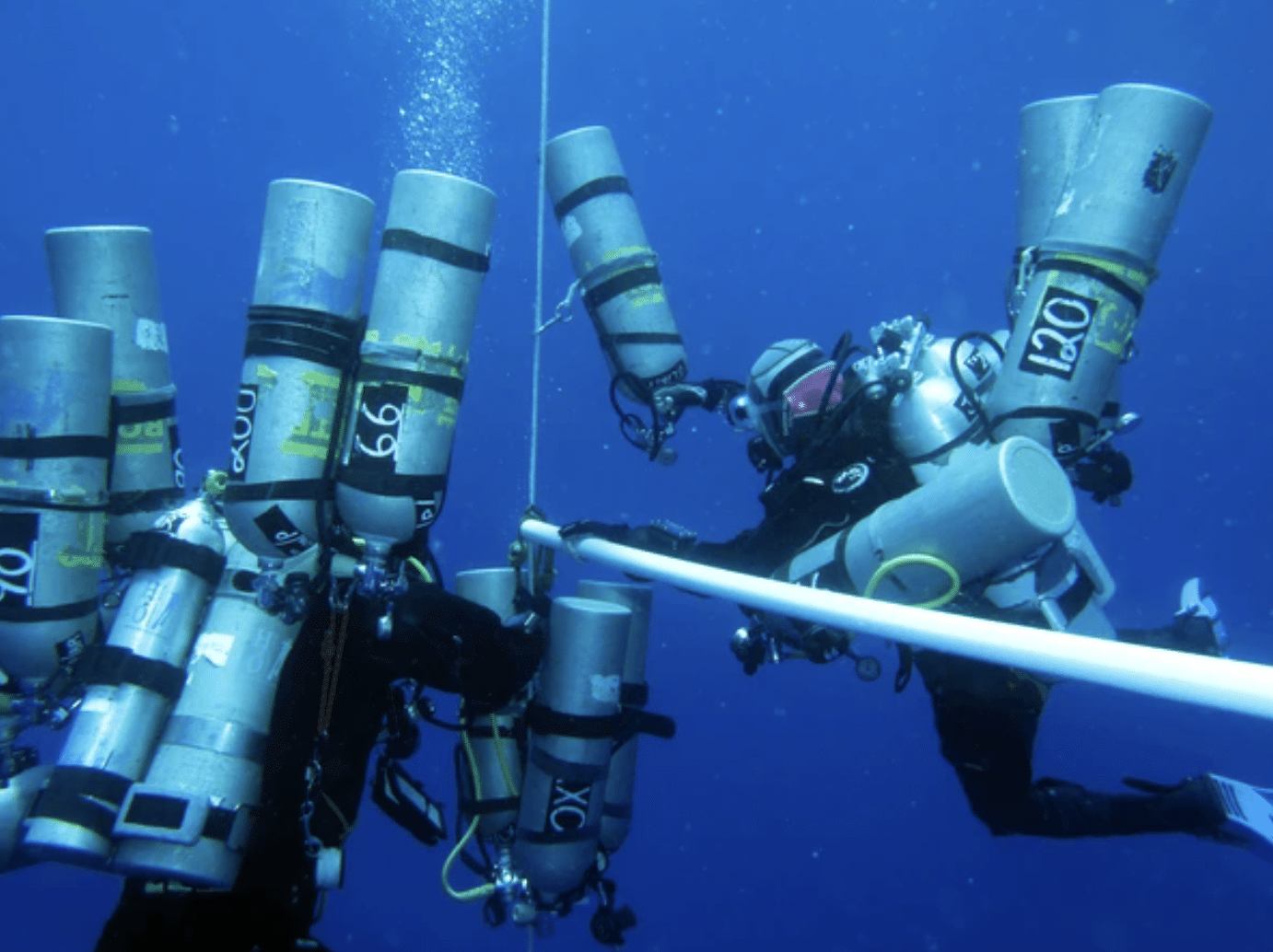
The Tec Trimix course requires divers to manage multiple gases, often including bottom trimix, travel gas, and several decompression gases.
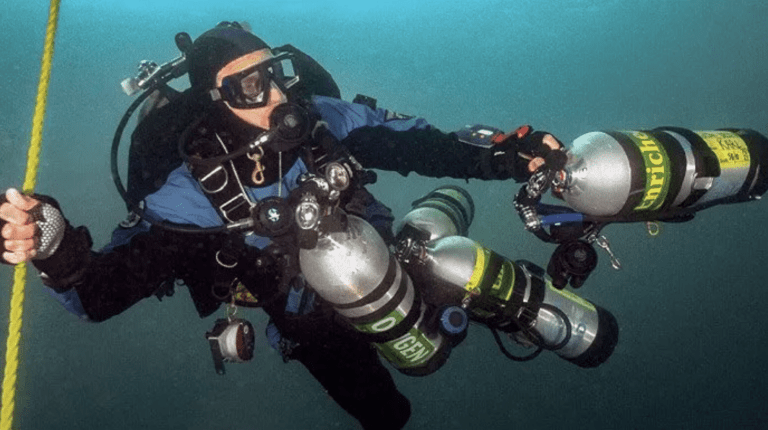
Divers may carry up to four stage or decompression cylinders, each with a specific role in the dive profile.
Planning must integrate:
- Gas selection for each phase of the dive
- Maximum operating depths and switch depths
- Decompression schedules based on multiple gas transitions
Decompression becomes extended and highly structured. Stops must be executed precisely, and gas switches must be aligned with the decompression model.
At this level, decompression is not a phase—it is a major component of the dive.
At N9BO℠, we emphasise that multi-gas decompression defines technical diving at extreme depth.
Equipment Configuration and Redundancy Systems
Equipment configuration at this level must support increased complexity and extended exposure. Divers operate with full technical setups, including doubles or sidemount systems and multiple stage cylinders.
All systems must be redundant. The diver must be capable of managing failures without compromising decompression obligations that may last significant durations.
Configuration must be:
- Standardised and predictable
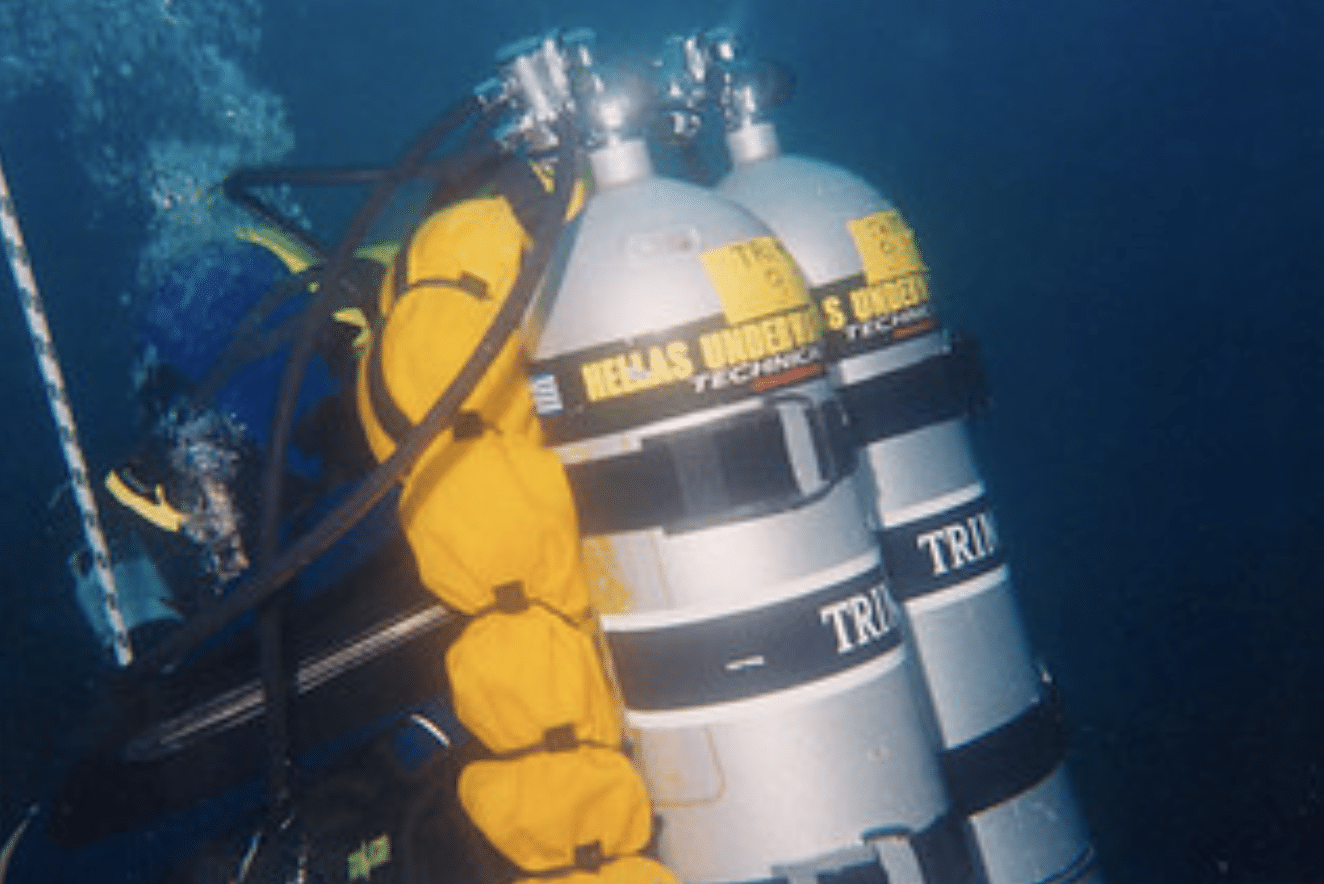
- Clearly labelled for gas identification
- Optimised to reduce task load during critical phases
Any ambiguity in equipment increases risk, particularly under high task load at depth.
At N9BO℠, we treat equipment as a critical component of the operational system.
Task Load, Awareness, and Performance
The Tec Trimix course represents a peak in task load for open-circuit diving. Divers must manage multiple gases, extended decompression, depth, time, and team coordination simultaneously.
Even with the benefits of helium reducing narcosis, the complexity of the dive requires structured awareness. The diver must monitor all variables continuously while executing procedures without hesitation.
Decision-making must remain procedural. There is no space for improvisation at this level.
At N9BO℠, we train divers to maintain control through structure, ensuring performance remains consistent under extreme conditions.
Team Coordination and Deep Diving Protocols
At extreme depth, team coordination becomes essential. Divers must operate within a shared plan, maintaining alignment throughout all phases of the dive.
Gas switches, ascent rates, and decompression stops must be synchronised. Each diver must be aware of team status and capable of responding to deviations.
The team functions as a single system. Individual error affects the entire operation.
At N9BO℠, we emphasise that deep trimix diving is always a coordinated team effort.
Prerequisites and Training Standards
The Tec Trimix course requires divers to already hold advanced technical certifications, typically including Tec 50 and Rescue Diver, along with significant logged dive experience.
Training involves multiple dives, including confined or limited open water sessions and several open water dives conducted under strict ratios, typically limited to small groups to maintain control.
These standards reflect the level of complexity and risk involved. Divers must demonstrate full competence before entering this environment.
At N9BO℠, we treat prerequisites as operational requirements, not administrative steps.
Position Within the Technical Pathway
Tec Trimix is the highest level of open-circuit training within the PADI TecRec system. It prepares divers for extreme depth exploration and specialised technical applications.
Beyond this level, progression typically moves into rebreather systems or specialised environments such as cave or expedition diving.
This course represents both an endpoint and a transition into advanced technical operations.
At N9BO℠, we position Tec Trimix as the level where technical diving becomes fully mission-capable.
Operational Mindset
The Tec Trimix course reinforces that deep technical diving is defined by control, not depth. The use of hypoxic trimix allows access to extreme environments, but only when managed within strict operational limits.
Planning must be exact. Execution must be disciplined. Awareness must remain continuous.
At N9BO℠, we approach deep trimix diving as a system where gas, equipment, and procedures must align perfectly.
In extreme technical diving, success is not defined by how deep you go, but by how precisely you manage the entire operation.
Push Depth with Precision, Not Risk
Contact N9BO℠ to integrate PADI Tec Trimix training into your development pathway, building the capability, discipline, and operational control required for extreme technical diving.
From the N9BO℠ Knowledge Base