Where Sidemount Came From
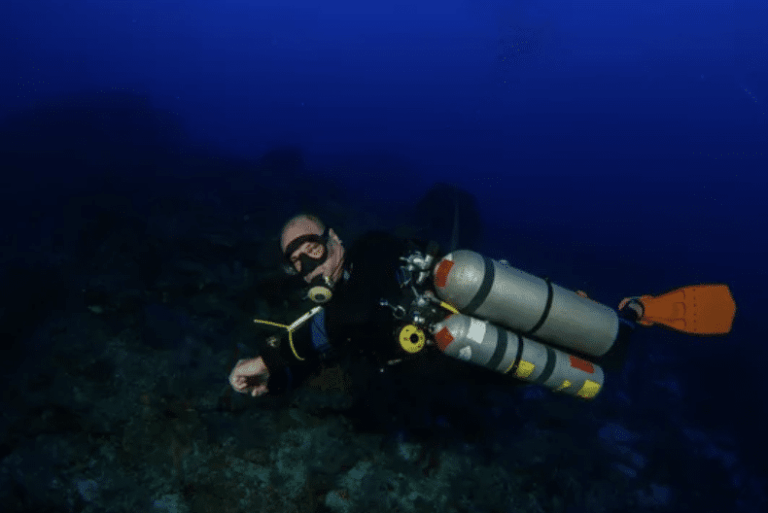
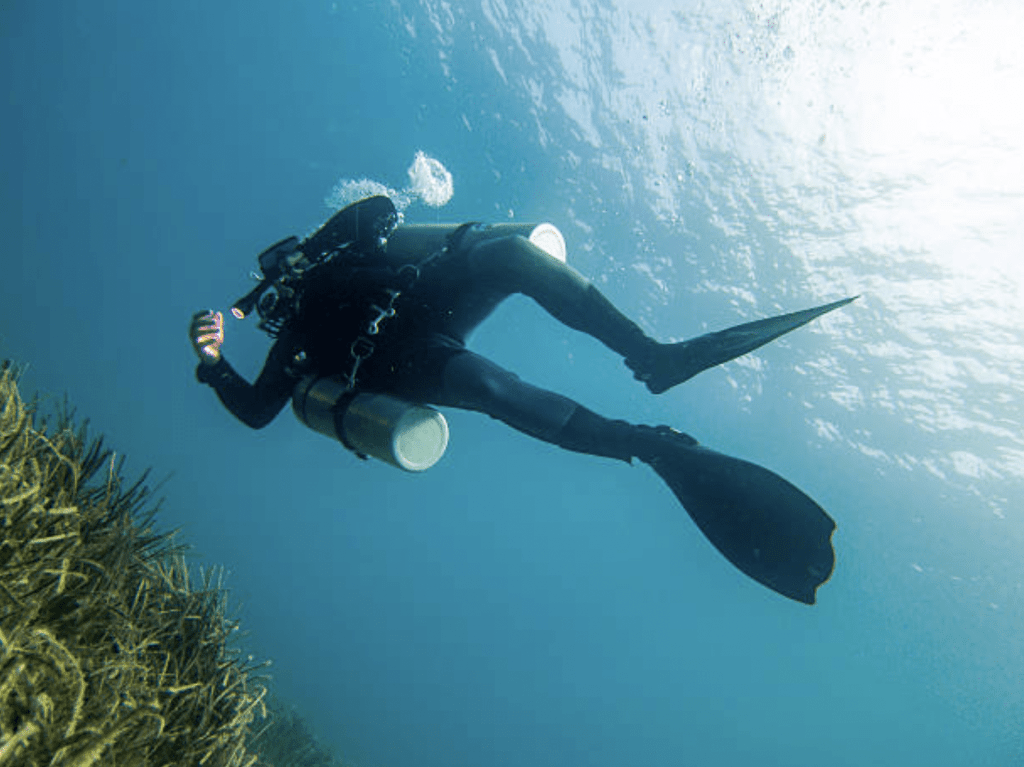
Sidemount configuration originated in cave diving communities.
Explorers navigating narrow restrictions required:
- Lower profile
- Independent cylinder management
- Flexible equipment positioning
Mounting cylinders at the diver’s sides reduced vertical height and allowed removal of tanks when necessary.
The system was designed for problem-solving in overhead environments — not for novelty.
As sidemount entered mainstream recreational diving, its purpose sometimes became obscured.
Core Principles of Sidemount
Effective sidemount diving is based on:
- Balanced trim
- Symmetrical cylinder placement
- Alternating regulator use
- Streamlined hose routing
- Independent gas tracking
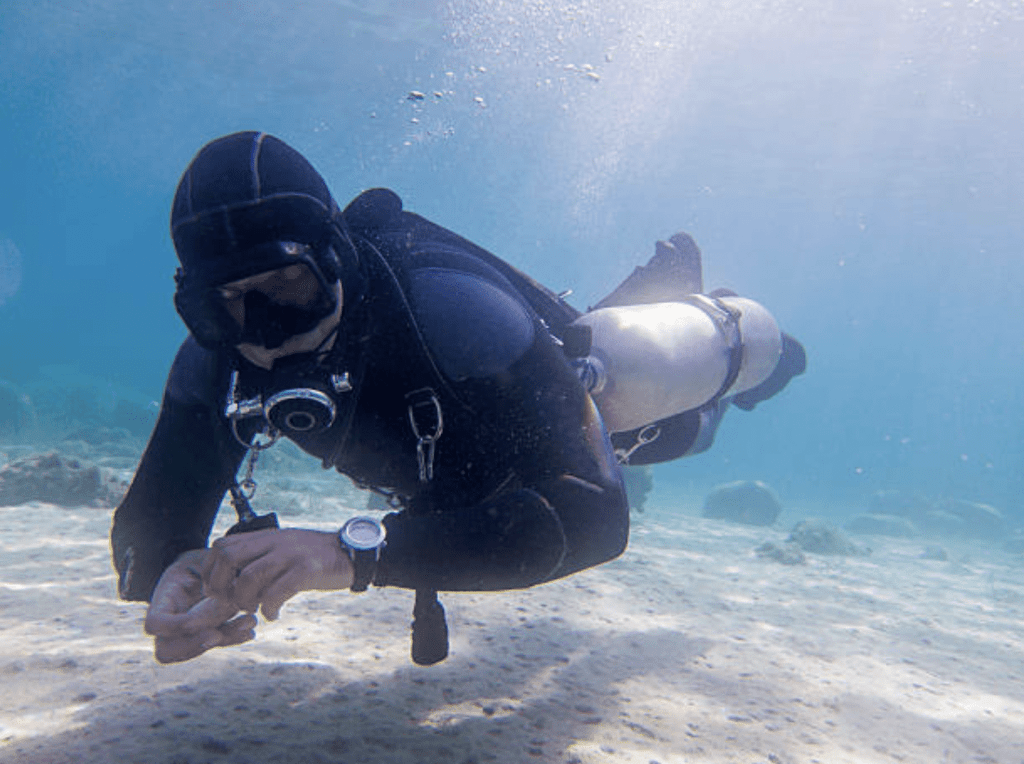
Unlike manifolded backmount systems, sidemount divers manage two independent gas supplies.
Gas discipline becomes active rather than passive.
Frequent regulator switching maintains balanced pressure between cylinders.
This process demands attentiveness.
Advantages of Sidemount Configuration
When properly trained, sidemount offers:
1. Improved Streamlining
Reduced frontal area can enhance propulsion efficiency.
2. Cylinder Accessibility
Valves and regulators remain within the diver’s field of view.
3. Flexibility in Overhead Environments
Tanks can be unclipped for tight restrictions.
4. Modular Gas Management
Additional cylinders can be added for technical progression.
These benefits become meaningful when aligned with operational need.
Common Misconceptions
Sidemount is often marketed as:
- More comfortable
- Easier on the back
- “More advanced”
Comfort varies by diver. Complexity increases with improper setup.
Without structured training, divers often experience:
- Poor trim
- Cylinder sagging
- Hose entanglement
- Gas imbalance
Configuration requires careful tuning.
Sidemount done casually can degrade safety margin.
Gas Management in Sidemount
Independent cylinders require:
- Regular pressure checks
- Alternating regulator use
- Clear switching protocols
- Stress-adjusted consumption planning
Unlike manifolded backmount, there is no shared gas supply.
Failure to alternate regulators can create asymmetrical buoyancy and limited bailout margin.
Procedural discipline maintains balance.
Gas tracking becomes an active task.

Trim and Buoyancy Control
Proper sidemount positioning allows:
- Horizontal trim
- Neutral buoyancy
- Reduced silting in overhead environments
Cylinder placement adjustments must be precise.
Minor attachment changes affect posture.
Fine-tuning takes time.
At N9BO℠, we emphasise configuration workshops before open-water progression. Sidemount is not clipped and forgotten — it is adjusted and refined.
When Sidemount Makes Sense
Sidemount is particularly appropriate for:
- Cave diving
- Wreck penetration
- Technical decompression diving
- Divers requiring equipment modularity
It is less about identity and more about context.
Choosing sidemount without understanding its operational application creates unnecessary complexity.
Configuration should match objective.
Psychological Discipline and Sidemount
Sidemount increases task loading.
Divers must:
- Monitor dual regulators
- Maintain hose awareness
- Adjust buoyancy dynamically
- Execute regulator switches under stress
Comfort with configuration reduces cognitive strain.
Structured repetition builds fluidity.
Confidence in sidemount is earned through disciplined training — not equipment purchase.
Tool, Not Trend
Equipment does not define competence.
Sidemount is a tool designed for specific operational needs.
Professional divers evaluate:
- Environment
- Mission profile
- Gas requirement
- Personal proficiency
before selecting configuration.
At N9BO℠, we teach sidemount as a system — not as a fashion statement. The objective is controlled movement, balanced gas management, and structured redundancy.
Configuration must support clarity, not complicate it.
Thinking About Sidemount Training?
Configuration matters more than aesthetics. Contact N9BO℠ to discuss structured sidemount training and proper setup progression.
From the N9BO℠ Knowledge Base