Cave Diving Is an Environment, Not an Adventure
Caves remove:
- Direct ascent.
- Natural light.
- Immediate exit.
- Surface reference.
They introduce:
- Silt.
- Restrictions.
- Complex navigation.
- Zero-visibility potential.
- Psychological pressure.
The TDI cave progression recognises:
Competence must precede exposure.
Divers do not “become cave divers” in a weekend.
They build capacity step by step.
Stage One: TDI Cavern Diver
The Cavern course introduces:
- Overhead awareness.
- Line reference discipline.
- Light communication protocols.
- Silt avoidance techniques.
- Basic emergency response in overhead.
Limits include:
- Staying within the light zone.
- No complex navigation.
- No restrictions.
- Conservative penetration distance.
The objective is not exploration.
It is:
Orientation.
Understanding how overhead changes decision-making.
Many divers underestimate this transition.
Cavern builds foundation.
Why Cavern Is More Than “Shallow Cave”
Cavern teaches:
Body control under constraint.
Propulsion precision.
Line handling basics.
Team positioning awareness.
Gas discipline beyond open water norms.
Without mastering cavern-level control:
Progression becomes fragile.
Cavern is about:
Precision before penetration.
Stage Two: TDI Intro to Cave
Intro to Cave expands:
Penetration distance.
Line navigation.
Zero-visibility drills.
Gas management discipline.
Emergency protocol complexity.
Divers learn:
Primary and secondary tie-offs.
Lost line procedures.
Lost buddy procedures.
Light failure management.
Air-sharing exits in overhead.
Restrictions remain limited.
Complex navigation remains controlled.
But psychological demand increases.
Intro to Cave builds:
Structured confidence.
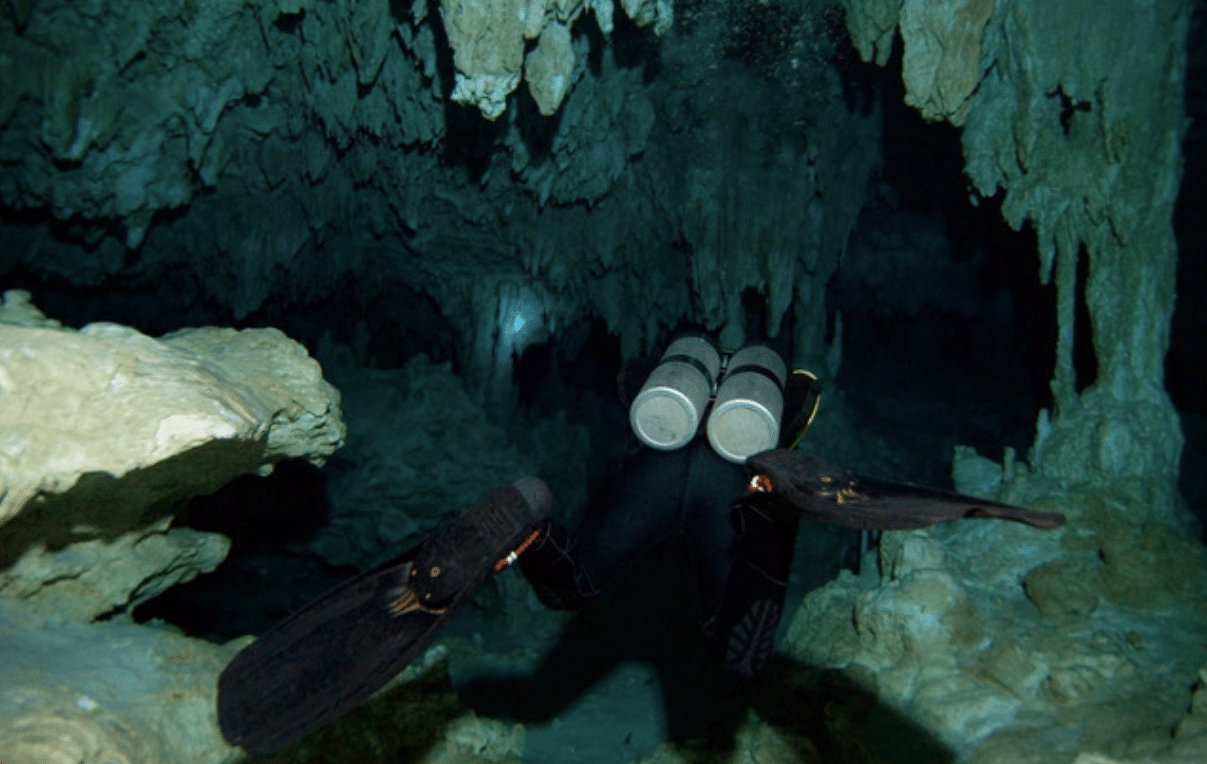
Gas Planning Becomes Critical
In Intro to Cave:
Gas management shifts to:
Rule of thirds.
Strict turn pressures.
Team-based gas matching.
Failure contingency reserves.
Gas is no longer just personal supply.
It is:
Team survival margin.
Mathematical planning must align with:
Real-world stress response.
Stage Three: TDI Full Cave Diver
Full Cave certification introduces:
- Complex navigation.
- Circuits.
- Traverses.
- Multiple T-intersections.
- Advanced jump protocols.
- Controlled navigation through restrictions.
Divers now operate:
Without reliance on visible exit light.
Navigation becomes:
Systematic.
Disciplined.
Documented.
Penetration distance expands only within:
Structured planning.
Restrictions and Psychological Management
Full Cave divers must manage:
Narrow passages.
Body compression zones.
Equipment clearance constraints.
Silt-heavy areas.
Complex map awareness.
Restrictions are not forced.
They are:
Assessed.
Planned.
Executed deliberately.
Emotional control defines success.
Equipment Configuration Evolution
Throughout progression:
Configuration becomes more standardised.
Typically including:
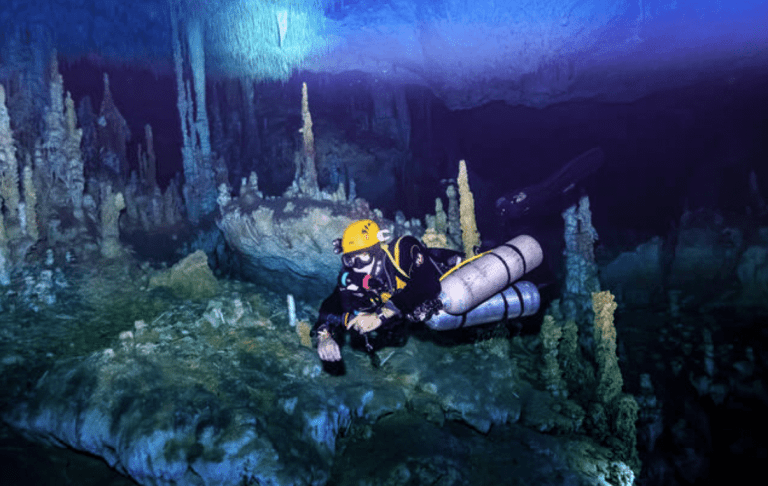
- Twin cylinders with manifold.
- Long hose primary donate.
- Redundant lights.
- Backup mask.
- Streamlined harness.
- Precise trim weighting.
Improper configuration:
Magnifies risk in overhead.
Standardisation reduces ambiguity.
Failure Is Assumed, Not Hypothetical
Cave training emphasises:
Failure anticipation.
Students practise:
Primary light failure.
Multiple light loss.
Valve shutdown drills.
Zero-visibility exits.
Lost diver protocols.
Training is designed to feel demanding.
Because caves do not forgive improvisation.
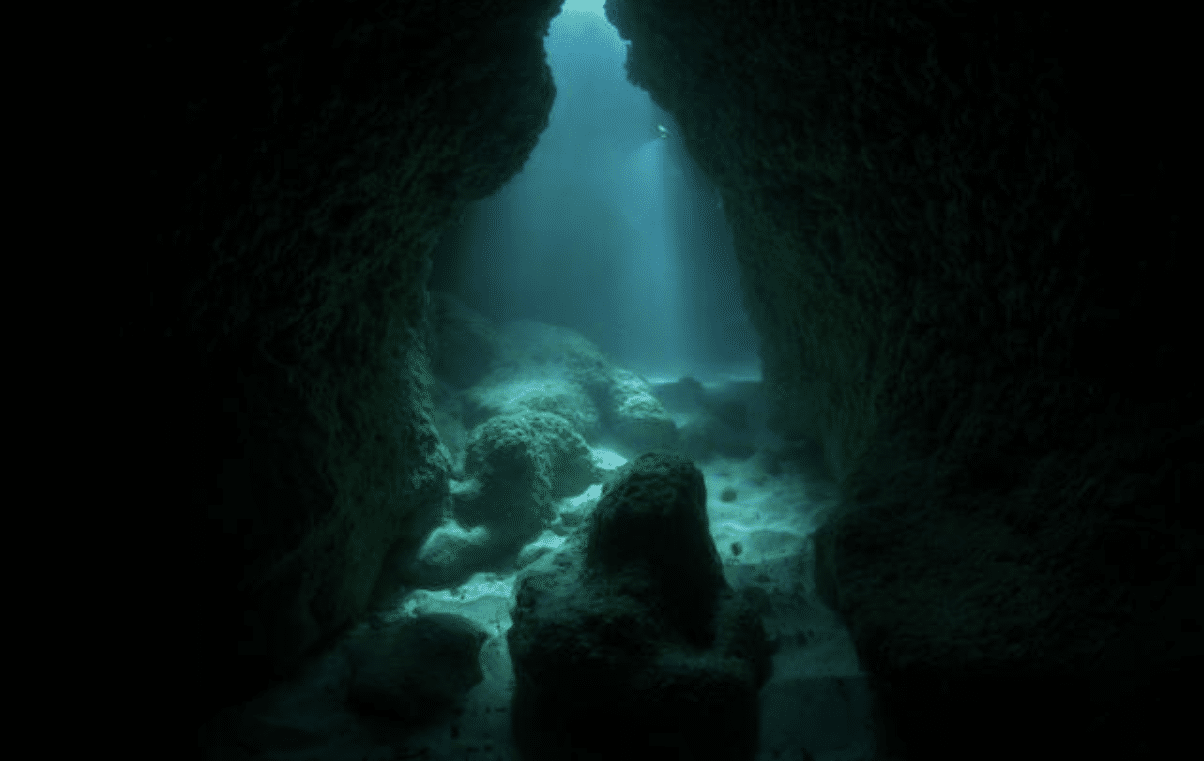
Why the Progression Matters
Skipping levels:
Creates false confidence.
Each stage develops:
Motor skill.
Cognitive discipline.
Stress tolerance.
Team awareness.
Penetration distance is not progression.
Control is progression.
Team Cohesion in Cave Diving
Cave diving is a team discipline.
Divers must:
Maintain visual contact.
Communicate via light signals.
Manage spacing.
Respect turn pressure agreements.
Share gas seamlessly under stress.
Individual strength does not compensate for:
Team failure.
Environmental Responsibility
Cave environments are fragile.
Training reinforces:
Non-contact propulsion.
Minimal silt disturbance.
Line placement care.
Conservation ethics.
Cave divers are custodians.
Not visitors.
Operational Philosophy at N9BO℠
At N9BO℠, cave progression is delivered with:
Measured pace.
Strict standard adherence.
Deliberate skill evaluation.
Psychological readiness assessment.
Real-world environmental respect.
We do not rush progression.
We build competence.
Because cave diving does not reward speed.
It rewards discipline.
Who Should Enter Cave Progression
Ideal candidates possess:
Strong buoyancy control.
Consistent trim.
Gas planning confidence.
Task loading resilience.
Mental composure.
Cave diving amplifies:
Existing weaknesses.
Preparation determines readiness.
Final Perspective
The TDI Cave progression:
Cavern → Intro to Cave → Full Cave
Is a structured path toward:
Competence in the most unforgiving underwater environment.
Cave diving is not about distance.
It is about:
Control.
Planning.
Team discipline.
Failure management.
Each level builds margin.
Margin protects survival.

Ready to Begin Your Cave Diving Progression?
Explore the TDI Cavern, Intro to Cave, and Full Cave pathway and build structured competence in overhead environments.
From the N9BO℠ Knowledge Base