Professional Diving & Safety Culture

Checklists Save Lives: Why Professionals Never “Just Remember”

The Dangerous Confidence in Memory

Many divers believe that experience eliminates the need for checklists. After hundreds or thousands of dives, procedures feel automatic, equipment feels familiar, and preparation feels routine.

This confidence is understandable—and dangerous.

Human memory is unreliable, especially under stress, fatigue, distraction, or time pressure. Technical diving training recognises this limitation and compensates for it through structured checklist use. Checklists do not replace expertise; they protect it.


Why Memory Fails When It Matters Most

Memory degrades precisely when conditions become demanding. Stress hormones narrow attention. Task loading fragments focus. Familiarity breeds assumption.

In these conditions, divers do not forget everything—they forget one thing. And in technical diving, one missed step can cascade into serious consequences.

Advanced technical diving progression treats memory as a vulnerability, not a resource.


Checklists as Error-Chain Breakers

Most diving incidents involve a chain of small errors rather than a single catastrophic mistake. Checklists interrupt these chains early by ensuring that foundational steps are completed consistently.

Examples include:

  • Verifying gas analysis
  • Confirming valve positions
  • Checking team readiness
  • Reviewing abort criteria

Each item may seem obvious—until it is missed.


Why Experts Use Checklists More, Not Less

In aviation, medicine, and nuclear operations, the most experienced professionals are often the most disciplined checklist users. Expertise increases responsibility, not immunity.

TDI technical diving courses align with this professional standard. Checklists are framed as tools for consistency, not crutches for beginners.

A diver who refuses checklists because they “already know” is signalling misplaced confidence.
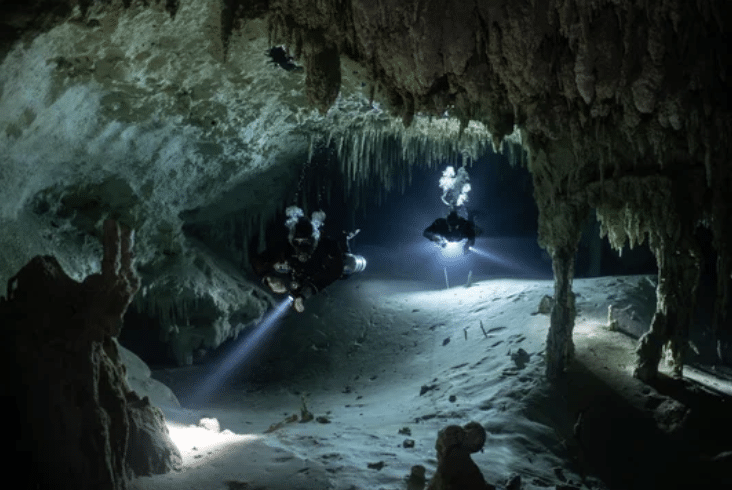
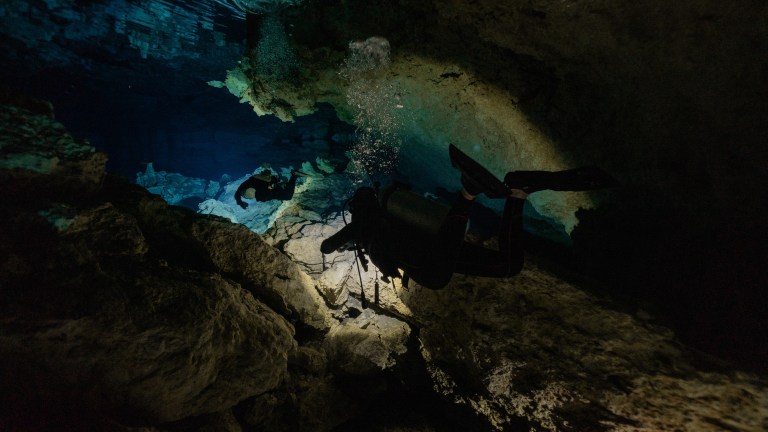
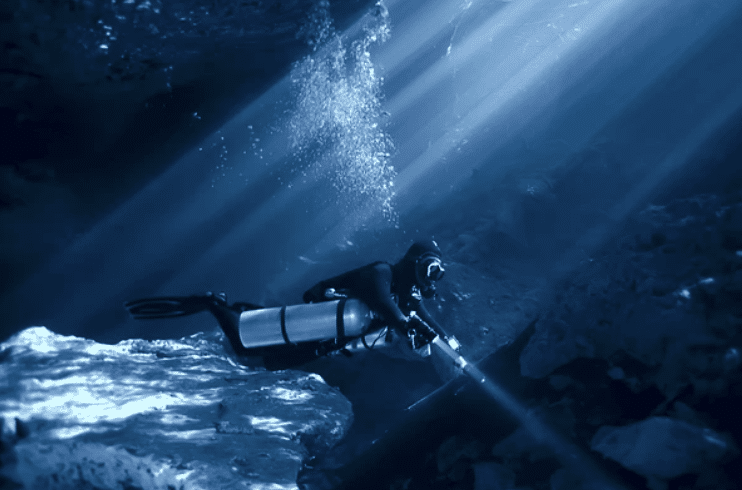
Two scuba divers with torches explore an underwater cave filled with stalactites and rock formations. Their beams illuminate parts of the sandy cave floor and the jagged ceiling above.

The Myth That Checklists Slow You Down

Some divers resist checklists because they believe they add time or disrupt flow. In practice, checklists save time by preventing last-minute corrections, confusion, or aborted dives.

A concise, well-designed checklist is faster than troubleshooting underwater. Technical diving training teaches divers to use checklists efficiently and deliberately.


Checklists Reduce Cognitive Load

By externalising memory, checklists free cognitive capacity for situational awareness and decision-making. Divers no longer need to mentally track whether a step was completed.

This reduction in cognitive load improves calmness and clarity—especially before complex dives. Advanced technical diving progression integrates checklists as part of mental workload management.


Pre-Dive vs In-Dive Checklists

Not all checklists are the same. Effective technical diving uses:

  • Pre-dive checklists for preparation and configuration
  • Team checklists for shared understanding
  • In-water checks for final verification

Each serves a distinct purpose. Skipping one undermines the others.

A scuba diver swims underwater near the remains of a sunken shipwreck, surrounded by blue water and rusted metal structures.

Why Informal “Mental Checklists” Are Not Enough

Mental checklists rely on memory—the very thing checklists are meant to protect against. They also lack visibility, making team verification impossible.

Written or verbalised checklists allow teammates to confirm completion. Technical diving training emphasises transparency over internal reassurance.


Checklist Discipline Under Pressure

The true value of checklists appears under pressure. Divers who practise checklist use routinely are more likely to rely on them when stress increases.

This habit is deliberately reinforced during advanced technical diving progression, where checklists remain mandatory even during simulated emergencies.


Instructor Perspective: What Checklists Reveal

Instructors often learn more about a diver’s mindset from checklist behaviour than from skill execution. Rushed, skipped, or resisted checklists indicate deeper issues with discipline and judgement.

At N9BO℠, checklist use is treated as a professional behaviour—not an optional preference.


Professional Parallels

Professional domains with zero tolerance for error rely heavily on checklists because they work. Diving is no different.

Technical diving adopts this proven model not out of tradition, but out of evidence. Checklists save lives—not because divers are careless, but because they are human.


The Bottom Line

Memory is unreliable.

Experience does not change that.

Checklists do not replace skill or judgement—they protect them. In technical diving, the most professional action is often the simplest one: checking anyway.

At N9BO℠, divers are taught that forgetting is human.

Planning for it is professional.

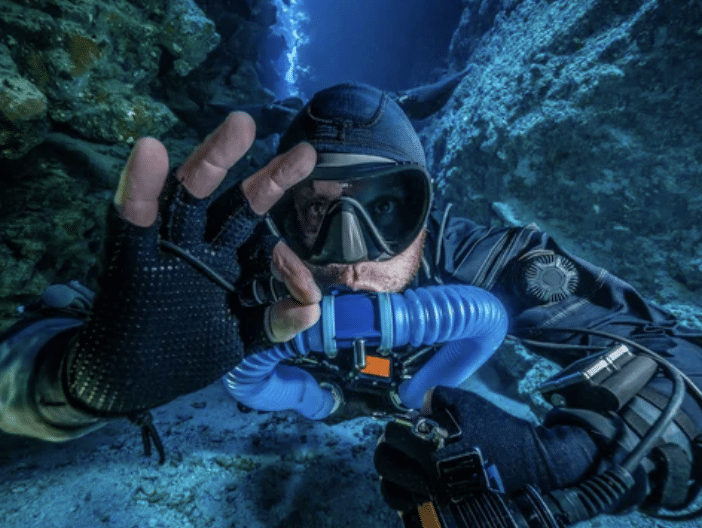
A scuba diver underwater wearing full diving kit makes an “OK” hand signal towards the camera, surrounded by blue water and coral.

Still Relying on Memory Alone?

Checklists exist to protect divers from normal human limitations. If you want to build safer, more reliable diving procedures, get in touch.


From the N9BO℠ Knowledge Base


Share this

Failure Is Inevitable: Why Technical Diving Trains for What Will Go Wrong

The Dangerous Myth of “If Nothing Fails, We’re Fine”

Many divers approach technical diving with an unspoken assumption: if equipment functions correctly and no mistakes are made, the dive will be safe. While technically true, this mindset ignores a critical reality—complex systems fail.

Technical diving operates in environments where small problems can escalate rapidly. Equipment malfunctions, human error, environmental changes, and physiological stress are not rare anomalies. They are expected variables.

This is why technical diving training does not ask if something will go wrong, but when—and whether the diver is prepared to respond calmly.


Why Failure Feels Uncomfortable to Acknowledge

Admitting that failure is inevitable can feel pessimistic or defeatist. Divers may worry that focusing on failure undermines confidence or enjoyment.

In reality, the opposite is true.

Divers who deny the likelihood of failure often experience greater anxiety because they lack rehearsed responses. Advanced technical diving progression reframes failure training as confidence-building rather than fear-inducing.

Preparedness reduces stress.


Failure as a Training Tool

Failure training is deliberate and controlled. Instructors simulate realistic failures—gas loss, regulator malfunction, buoyancy issues—not to overwhelm students, but to normalise response.

These simulations teach divers:

  • To recognise failure early
  • To prioritise actions
  • To communicate clearly
  • To maintain composure

TDI technical diving courses treat failure drills as opportunities to develop process, not tests of toughness.

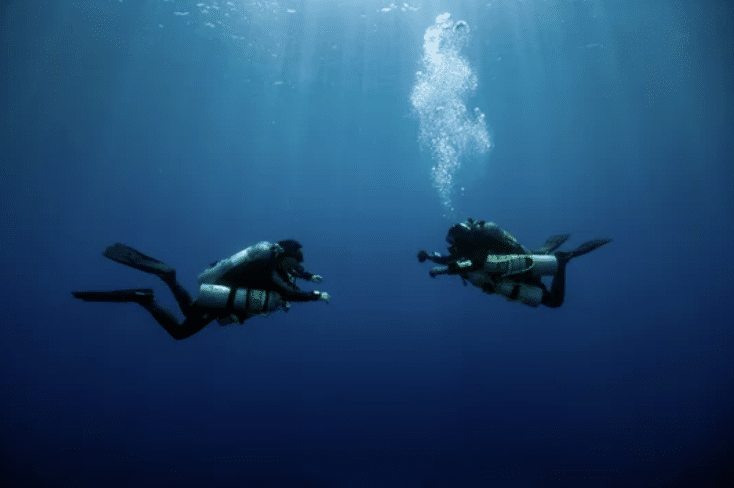
Two scuba divers in full kit face each other underwater, surrounded by deep blue sea with sunlight streaming down from above. Bubbles rise from one diver as they interact.

Why “Rare Failures” Still Matter

Some failures are statistically uncommon, but their consequences are severe. Technical diving training does not ignore low-probability events simply because they are unlikely.

This approach mirrors professional risk management models used in aviation and emergency services. High-consequence failures demand preparation regardless of frequency.

At N9BO℠, failure scenarios are selected based on impact, not convenience.


Failure Cascades: When One Problem Creates Another

Many incidents involve failure cascades—one issue triggers another, compounding stress and complexity.

For example:

  • Gas loss leads to stress
  • Stress increases breathing
  • Increased breathing elevates CO₂
  • Elevated CO₂ degrades decision-making

Advanced technical diving progression teaches divers to interrupt cascades early by stabilising breathing, simplifying tasks, and communicating clearly.


Emotional Responses to Failure

Failure triggers emotional responses: surprise, frustration, fear. These responses are natural, but unmanaged emotions impair performance.

Technical training includes emotional regulation—not through suppression, but through familiarity. Repeated exposure reduces the shock of failure and restores cognitive bandwidth.

Divers who have “seen it before” respond more effectively.

Four scuba divers swim over a coral reef in clear blue water, surrounded by marine plants and small fish, with sunlight filtering from above.

Why Experienced Divers Still Need Failure Training

Experience does not eliminate failure—it changes its form. Experienced divers may encounter more subtle or complex failures.

TDI technical diving courses challenge experienced candidates with nuanced scenarios that test judgment rather than reflexes. The goal is to prevent complacency and maintain adaptability.


Failure Training Builds Team Trust

Teams that train failures together develop trust. Each diver learns how teammates respond under stress, communicate, and prioritise.

This shared experience reduces hesitation during real incidents. Technical diving training treats team failure drills as essential for cohesion.


The Professional Standard

In professional diving disciplines, failure training is mandatory. Pilots train engine failures. Emergency responders train worst-case scenarios. These professions do not assume perfect performance.

Technical diving adopts this professional mindset. At N9BO℠, failure training is treated as a mark of seriousness—not pessimism.


When Failure Training Is Neglected

Divers who avoid failure training often:

  • Freeze when something goes wrong
  • Focus on the wrong problem
  • Delay action
  • Escalate manageable situations

These outcomes are not moral failings—they are predictable consequences of unpreparedness.


The Bottom Line

Failure is not a sign that something went wrong with training.

It is the reason training exists.

Technical diving does not reward optimism. It rewards preparedness. Divers who train for failure surface calmer, safer, and more confident—not because they expect disaster, but because they are ready for it.

At N9BO℠, failure is not feared.

It is trained.

A scuba diver wearing a full wetsuit, gloves, and a mask makes an OK hand signal underwater between rocky formations, illuminated by blue light from above.

Training for Failure, Not Perfection?

Technical diving assumes things will go wrong and prepares divers accordingly. If you want training built around realistic failure management, get in touch.


From the N9BO℠ Knowledge Base


Share this

Abort Criteria: Why Knowing When to Stop Is a Core Diving Skill

Why Aborting Still Feels Like Failure

Despite widespread acknowledgement that “any diver can call a dive at any time,” aborting still carries emotional weight. Divers may feel disappointment, embarrassment, or concern about inconveniencing teammates. These emotions are rarely acknowledged openly, yet they strongly influence decision-making underwater.

In technical diving, this hesitation is dangerous.

Technical diving training explicitly reframes aborting as a planned outcome, not an emotional reaction. Abort criteria exist to remove judgment from moments when judgement is least reliable.


Abort Criteria vs Abort Decisions

One of the most important distinctions taught in TDI technical diving courses is the difference between deciding to abort and triggering an abort.

Abort decisions rely on subjective judgement in real time. Abort criteria rely on predefined triggers established during planning. When criteria are met, the abort is automatic.

This distinction matters because stress, narcosis, and task loading impair decision-making. Abort criteria eliminate debate at precisely the moment debate is most dangerous.


Why “We’ll See How It Goes” Is Not a Plan

Many incidents begin with vague intentions:

  • “We’ll see how conditions are.”
  • “We can always turn later.”
  • “Let’s just check it out.”

These phrases signal the absence of defined limits. Without clear criteria, divers rely on optimism and adaptability rather than structure.

Advanced technical diving progression treats vague planning as a risk factor. Good plans include explicit thresholds for visibility, current, gas usage, task completion, and time.

turning the dive before anything goes wrong.

A small boat sails on a vast, dark ocean under a dramatic sky, with heavy rain and storm clouds looming in the distance.

Common Abort Triggers in Technical Diving

Abort criteria vary by environment and objective, but often include:

  • Gas loss beyond planned limits
  • Missed timing or depth targets
  • Degraded visibility
  • Equipment malfunction
  • Team separation
  • Elevated stress or confusion

The critical element is not the trigger itself, but agreement. All team members must understand and accept abort criteria before the dive begins.


Ego, Investment, and Escalation

One of the strongest forces resisting aborts is escalation of commitment. Divers who have invested time, money, effort, or travel may feel compelled to continue despite emerging issues.

This phenomenon is well documented in aviation and emergency services. Technical diving training actively addresses it by encouraging divers to separate sunk cost from safety decisions.

The water does not care how much effort preceded the dive.


The Role of Team Culture

Teams with strong safety cultures normalise early aborts. Teams with weak cultures tolerate hesitation, rationalisation, and silence.

Advanced technical diving progression emphasises psychological safety within teams—ensuring that any diver can trigger an abort without justification, explanation, or apology.

Silence during discomfort is a warning sign.

turning the dive before anything goes wrong.

View from inside a boat’s cabin looking out through a rain-spattered window; the deck is visible with red fuel containers and equipment, with a misty, mountainous shoreline in the background.

Abort Criteria Reduce Stress, Not Increase It

Some divers worry that strict abort criteria make dives rigid or stressful. In practice, the opposite is true.

Clear criteria:

  • Reduce uncertainty
  • Eliminate internal debate
  • Improve focus
  • Increase confidence

Divers who know exactly when they will stop can relax and execute calmly. Technical diving training frames abort criteria as stress-reduction tools, not restrictions.


Aborting Early vs Aborting Late

Early aborts are usually uneventful. Late aborts are often chaotic.

The difference is margin. Early aborts preserve gas, awareness, and emotional control. Late aborts occur when multiple systems are already degraded.

Professional divers learn to abort at the first clear signal, not the last possible moment. This discipline is reinforced throughout TDI technical diving courses.


Instructor Perspective: Abort Discipline as a Competency

From an instructor’s perspective, a candidate who aborts appropriately demonstrates maturity. A candidate who pushes through marginal conditions raises concern—even if the dive ends without incident.

At N9BO℠, abort decisions are discussed openly during debriefs, not second-guessed or minimised. The focus is always on process, not outcome.


Abort Criteria in Professional Diving

In professional diving disciplines—public safety, military, commercial—abort criteria are non-negotiable. Missions are terminated routinely when conditions fall outside acceptable limits.

Technical diving adopts this professional standard. Divers are trained to respect abort criteria not because they lack skill, but because environments are unforgiving.


The Bottom Line

Knowing how to dive is important.

Knowing when to stop is critical.

Abort criteria transform uncertainty into clarity. They protect divers from ego, optimism, and pressure—both external and internal.

In technical diving, the most professional decision is often the quietest one:

Dark storm clouds loom over distant islands as sunlight breaks through, creating dramatic beams of light over the ocean and illuminating the rain in the background.

Unsure When to Call a Dive?

Knowing when to abort is a mark of professionalism, not failure. Contact us to discuss how to define and apply clear abort criteria in complex dives.


From the N9BO℠ Knowledge Base


Share this

From Recreational to Technical: The Mindset Shift Most Divers Underestimate

Why the Transition Is Harder Than It Looks

From the outside, the progression from recreational to technical diving appears straightforward. Divers add equipment, extend depth, learn decompression theory, and manage more complex profiles. Many candidates enter technical training confident that their existing experience will carry them through.

What they encounter instead is a fundamental change in expectations.

Technical diving is not recreational diving “plus more.” It is a different operating model altogether. Technical diving training requires divers to abandon assumptions that were valid—and safe—within recreational limits but become liabilities once ascent is constrained.


Recreational Assumptions That No Longer Apply

Recreational diving is built around one powerful safety net: the ability to surface at any time. Even when divers are taught emergency procedures, ascent remains the default solution.

Technical environments remove this option. Mandatory decompression, overheads, distance, or depth mean that problems must be managed in place, not escaped.

Divers transitioning into technical training often underestimate how deeply this assumption is embedded in their thinking. Advanced technical diving progression focuses on identifying and replacing these assumptions early.


Responsibility Shifts from Instructor to Diver

In recreational diving, instructors and guides carry much of the responsibility for planning, navigation, and decision-making. Divers are often led through dives, with safety managed externally.

Technical diving reverses this dynamic.

Divers are responsible for:

  • Gas planning
  • Decompression strategy
  • Contingency management
  • Team coordination

This shift can be uncomfortable. TDI technical diving courses deliberately place responsibility on the diver to foster ownership rather than dependence.

A scuba diver underwater wearing a wetsuit, mask, and oxygen cylinder, giving an OK hand signal, surrounded by clear blue water.

Planning Becomes Non-Negotiable

Recreational divers often rely on flexible plans that adapt underwater. In technical diving, flexibility exists—but only within predefined limits.

Planning is no longer optional or informal. It becomes:

  • Detailed
  • Written
  • Reviewed
  • Agreed upon by the team

This structured planning is not bureaucracy. It is a survival mechanism. Technical diving training teaches that improvisation without preparation is simply gambling.


Risk Is No Longer Abstract

Recreational diving presents risk in theoretical terms. Technical diving makes risk tangible. Gas calculations, decompression obligations, and environmental constraints force divers to confront consequence directly.

This confrontation often triggers emotional responses: anxiety, hesitation, or overconfidence. Advanced technical diving progression helps divers develop emotional literacy—recognising these responses without allowing them to dictate behaviour.


Success Is Redefined

In recreational diving, success often means completing the dive as planned, reaching a site, or maximising bottom time. In technical diving, success is measured differently.

A successful technical dive is one where:

  • Plans were followed
  • Margins were preserved
  • Abort criteria were respected
  • The team surfaced calmly

Objective achievement is secondary to process integrity. Technical diving training reinforces this redefinition repeatedly.

Three people in wetsuits are on a small inflatable boat filled with scuba gear, heading towards rocky coastal cliffs on a bright, partly cloudy day. The sea appears choppy and blue.

Why Some Divers Struggle Despite Skill

Many capable recreational divers struggle in early technical training not because they lack physical ability or intelligence, but because they resist this mindset shift.

Common resistance points include:

  • Discomfort with conservative limits
  • Frustration with repetition
  • Reluctance to abort
  • Overreliance on past success

These challenges are psychological, not technical. Advanced technical diving progression addresses them explicitly through reflection, feedback, and scenario-based learning.


The Role of Humility

Perhaps the most important mindset shift is humility. Technical diving demands acceptance of uncertainty and human limitation. Divers must acknowledge that not all risks can be eliminated—only managed.

Humility enables:

  • Conservative decision-making
  • Openness to feedback
  • Willingness to stop early

At N9BO℠, humility is framed as strength, not weakness. It is a prerequisite for long-term safety.


From Adventure to Practice

Recreational diving often emphasises adventure and exploration. Technical diving reframes diving as practice—a disciplined activity where consistency matters more than novelty.

This does not eliminate enjoyment. Instead, it replaces thrill-seeking with quiet confidence. Technical diving training helps divers find satisfaction in precision, control, and mastery.


The Professional Parallel

In professional domains—aviation, medicine, emergency services—this mindset shift is well understood. As responsibility increases, behaviour becomes more structured, not less.

Technical diving aligns with this model. Divers who embrace the shift operate more safely, communicate more effectively, and enjoy longer, incident-free careers.


The Bottom Line

The transition to technical diving is not marked by a certification card or a depth number.

It is marked by a change in how a diver thinks.

When responsibility replaces reliance, planning replaces improvisation, and discipline replaces bravado, a diver has truly crossed into technical diving.

At N9BO℠, this mindset shift is not assumed—it is trained.

A scuba diver in full kit swims underwater between rocky walls, surrounded by bubbles and illuminated by blue light filtering from above.

Ready for the Mental Shift to Technical Diving?

Moving into technical diving requires more than new equipment or depth—it demands a fundamental change in mindset. Contact us to discuss whether you’re prepared for that transition.


From the N9BO℠ Knowledge Base


Share this

Why Most Technical Diving Incidents Start With “Just This Once”

The Dangerous Comfort of Familiarity

Technical diving accidents rarely begin with chaos. More often, they begin with familiarity. Divers repeat similar dives, in similar environments, with similar teams—and nothing goes wrong. Over time, this familiarity creates comfort, and comfort slowly erodes vigilance.

This is the environment in which “just this once” thinking thrives.

A diver may decide to extend a bottom time slightly, skip a checklist step, delay an abort, or accept marginal conditions. Each decision feels reasonable in isolation. Technical diving training exists precisely because human judgment is unreliable when familiarity replaces discipline.


Normalisation of Deviation

In safety science, this phenomenon is known as normalisation of deviation: when small departures from standard practice become accepted because no immediate negative outcome occurs.

In technical diving, normalisation often looks like:

  • “We’ve done this profile before.”
  • “The gas margin is close, but manageable.”
  • “Conditions are fine—for now.”

Each successful shortcut reinforces the belief that the deviation is safe. TDI technical diving courses explicitly address this cognitive trap, teaching divers to recognise deviation even when outcomes have been benign.


Why Deviations Feel Rational at the Time

Humans are excellent at rationalising decisions, especially under pressure or when effort has already been invested. Time constraints, logistical challenges, or environmental windows can all push divers toward compromise.

The danger is not recklessness—it is incremental erosion. The difference between a safe dive and an incident is often not one large mistake, but a sequence of small, rationalised ones.

judgment. Advanced technical diving progression trains divers to identify when rationalisation is replacing judgment.

Two oxygen cylinders with yellow and blue mesh covers are surrounded by colourful, coiled cables against a blue background. The cylinders have pressure gauges and valves attached at the top.

The Illusion of Control

Repeated success breeds an illusion of control. Divers begin to believe that their experience allows them to manage risk dynamically without strict adherence to procedure.

This belief is particularly dangerous in technical diving because:

  • Stress degrades decision-making
  • Narcosis narrows perception
  • Fatigue reduces self-assessment accuracy

Procedures exist to compensate for these limitations, not because divers lack skill, but because humans are predictable in their errors.


Why Checklists and Limits Exist

Checklists, gas rules, and abort criteria are often perceived as constraints. In reality, they are decision-removal tools. They eliminate the need to debate under stress.

When a diver ignores a checklist “just this once,” they reintroduce subjective judgment precisely when objectivity is needed most. Technical diving training emphasises that discipline is most important on dives that feel easy.


Team Silence and Complicity

One of the most insidious aspects of “just this once” thinking is team silence. When one diver proposes a deviation, others may hesitate to object, especially if the suggestion comes from a more experienced or assertive teammate.

This dynamic has contributed to incidents across many high-risk industries. Advanced technical diving progression reinforces that any team member can—and must—challenge deviations without justification.

Silence is not neutrality. It is participation.


When Deviations Compound

A single deviation may be survivable. Multiple deviations rarely are. For example:

  • Slightly extended bottom time
  • Marginal ascent rate
  • Reduced gas reserve

Each reduces the margin. Combined, they remove it entirely. Most technical diving incidents reveal multiple points where the outcome could have been changed by a single conservative decision.

Three scuba diving gear sets, including cylinders, masks, and regulators, are arranged upright on a concrete surface near a body of water, with additional diving equipment and greenery visible in the background.

Why Experienced Divers Are Not Immune

Experience does not eliminate this risk; it can increase it. Experienced divers often have greater confidence in their ability to manage emerging problems. This confidence can delay abort decisions.

TDI technical diving courses and instructor-level programmes consistently emphasise that experience must be paired with restraint. The most experienced divers are often the most conservative—not because they fear risk, but because they understand consequence.


Building Resistance to “Just This Once”

Resisting incremental deviation requires:

  • Predefined limits
  • Explicit team agreement
  • Willingness to abort without justification
  • Consistent debriefing of deviations

At N9BO℠, divers are trained to treat deviations as data points, not personal failures. Discussing them openly prevents repetition and normalisation.


Professional Cultures vs Casual Cultures

Professional diving cultures—technical, public safety, military—do not tolerate informal deviation because history has demonstrated its cost. Procedures are followed not because they are perfect, but because they are consistent.

Technical diving training inherits this professional mindset. It rejects casual optimism in favour of structured discipline.


The Bottom Line

Most technical diving incidents do not begin with catastrophe.

They begin with permission.

Permission to bend a rule.

Permission to delay a decision.

Permission to assume things will work out.

The divers who avoid incidents are not the most daring.

They are the ones who never say, “just this once.”

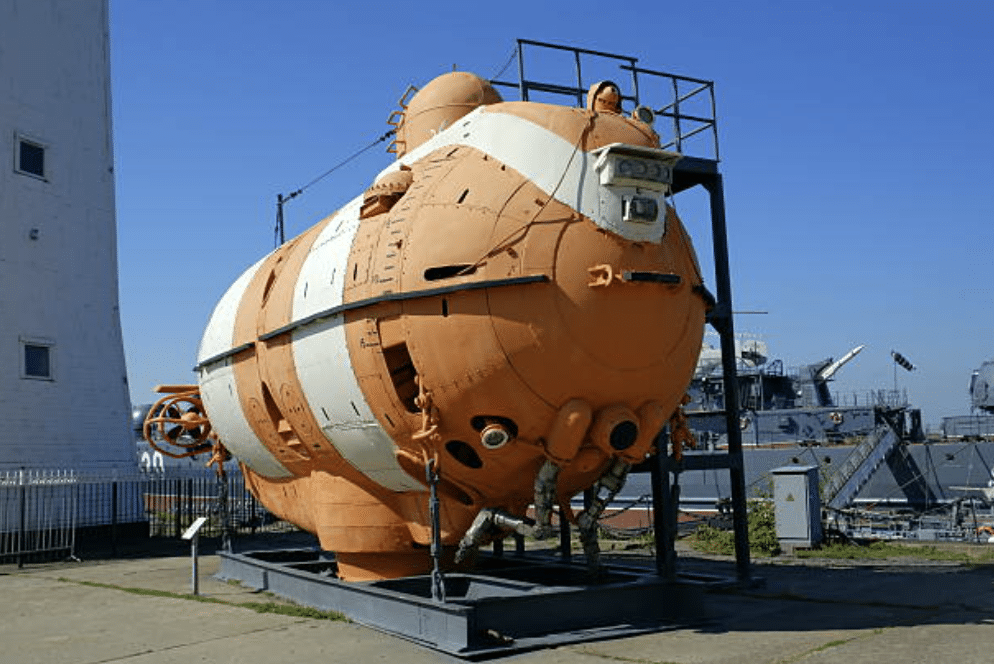
An orange and white deep-sea submersible is displayed outdoors on a metal platform, with a blue sky and other maritime equipment visible in the background.

Catching Risk Creep Before It Bites?

Small deviations compound quickly in technical environments. If you want to build habits that resist complacency, get in touch.


From the N9BO℠ Knowledge Base


Share this

Standardisation vs Personal Preference: Why “Doing It Your Way” Can Be Dangerous

The Appeal of Personal Preference

Divers are naturally drawn to personal preference. Equipment choices, hose routing, accessory placement, and procedural habits all feel like expressions of comfort and identity. In recreational diving, these preferences are often harmless. The environment is forgiving, and divers operate largely independently.

Technical diving is different.

As complexity increases, individual preference becomes a liability. Technical environments demand predictability, not personal expression. This is why technical diving training places such strong emphasis on standardisation—not because there is only one “correct” way, but because consistency reduces uncertainty when things go wrong.


What Standardisation Actually Means

Standardisation is often misunderstood as rigid conformity. In reality, it means that critical systems behave in expected, repeatable ways. This includes:

  • Consistent equipment configuration
  • Predictable hose routing
  • Uniform failure responses
  • Shared communication protocols

Standardisation does not eliminate choice; it limits variation where variation increases risk. TDI technical diving courses introduce standardisation to ensure that any team member can anticipate another’s actions during an emergency.


Why Emergencies Punish Individuality

Under stress, humans revert to habit. In a failure scenario, there is no time to analyse a teammate’s unique setup or remember customised procedures. If equipment or responses differ significantly, teammates must pause to interpret—precisely when time and clarity are most limited.

This hesitation is rarely dramatic. It manifests as:

  • Delayed assistance
  • Incorrect valve manipulation
  • Confused gas-sharing responses

Advanced technical diving progression recognises that standardisation is a time-saving safety mechanism, not an ideological position.

A yellow and black commercial diving helmet with attached lights and communication devices rests on a wooden table.

Standardisation and Cognitive Load

One of the greatest benefits of standardisation is reduced cognitive load. When systems are predictable, divers do not waste mental bandwidth interpreting novelty. This frees attention for problem-solving and situational awareness.

Technical training deliberately limits variables during early progression. Divers may find this restrictive, but the intent is to build automaticity. Once core systems are ingrained, adaptation becomes safer and more deliberate.


The Team Perspective

Technical diving is a team activity, even when divers carry redundant systems. Teams rely on mutual understanding. Standardisation allows divers to:

  • Anticipate teammate actions
  • Intervene quickly during failures
  • Share gas without confusion
  • Maintain formation and spacing

Without standardisation, teams function as collections of individuals rather than integrated systems. Technical diving training treats team cohesion as a primary safety objective.


Where Personal Preference Still Belongs

Not all variation is dangerous. Personal preference is appropriate where it does not affect team response or failure management. Examples may include:

  • Exposure protection choice
  • Fin models (within performance limits)
  • Mask type

The distinction lies in whether a preference alters how a diver interacts with life-support systems. Advanced technical diving progression teaches divers to separate comfort choices from critical-system design.


How “Doing It Your Way” Becomes a Red Flag

In professional technical environments, resistance to standardisation is often viewed as a warning sign. It may indicate:

  • Overconfidence
  • Inflexibility
  • Poor team orientation

Instructors pay close attention to how candidates respond to standardisation requirements. A diver who cannot adapt their preferences for the sake of the team may struggle in complex operations.

A scuba diver in a black wetsuit, goggles, and scuba gear swims underwater above a sandy seabed with rocks visible in the background. Sunlight filters through the water.

Standardisation Across Agencies and Disciplines

While different agencies have variations, the underlying principle is consistent across professional diving disciplines: predictability saves lives. Public safety, military, commercial, and technical diving all rely on standardised systems for the same reason.

At N9BO℠, standardisation is framed not as obedience, but as professional responsibility. Divers are encouraged to understand why systems are standardised, not merely to comply.


Adaptation Comes After Mastery

True expertise is not expressed through constant customisation. It is expressed through the ability to adapt deliberately and safely when conditions require it.

Divers who master standard systems first are far better equipped to modify them intelligently later. Technical diving training therefore prioritises mastery before modification.


The Professional Reality

In complex environments, uniqueness does not impress. Reliability does.

Teams trust divers whose equipment, procedures, and responses are predictable. This trust is earned through disciplined standardisation, not personal flair.

At N9BO℠, divers are taught that individuality belongs in personality—not in emergency procedures.


The Bottom Line

Personal preference feels empowering.

Standardisation keeps teams alive.

Technical diving is not about expressing how you dive—it is about ensuring that everyone knows exactly what will happen when something goes wrong.

A scuba diver wearing a full-face mask and diving kit swims underwater, holding an underwater device with both hands, with clear blue water and sunlight above.

Relying Too Much on Personal Habits?

Standardisation exists to reduce ambiguity and error under pressure. Contact us to discuss why consistent procedures matter in professional and technical diving.


From the N9BO℠ Knowledge Base


Share this

Why Technical Diving Is More About Discipline Than Bravery

The Myth of the Fearless Technical Diver

Popular depictions of technical diving often emphasise courage: extreme depths, challenging environments, and divers pushing boundaries. This narrative implies that bravery is the primary requirement for success. In reality, this framing misunderstands what keeps technical divers alive.

Bravery is emotionally compelling, but it is not a safety system. Technical diving training does not seek fearless divers; it seeks disciplined ones. Divers who rely on courage rather than structure are more likely to rationalise risk, delay abort decisions, and overestimate their resilience.

Fear is not the enemy in technical diving. Uncontrolled behaviour is.


Discipline as a Risk-Management Strategy

Discipline in technical diving manifests as consistency:

  • Consistent planning
  • Consistent equipment configuration
  • Consistent gas management
  • Consistent communication

These behaviours reduce variability—the primary driver of accidents in complex systems. TDI technical diving courses emphasise disciplined repetition not to stifle creativity, but to create predictability under stress.

Predictability allows teams to anticipate actions, identify deviations early, and respond effectively when problems arise.

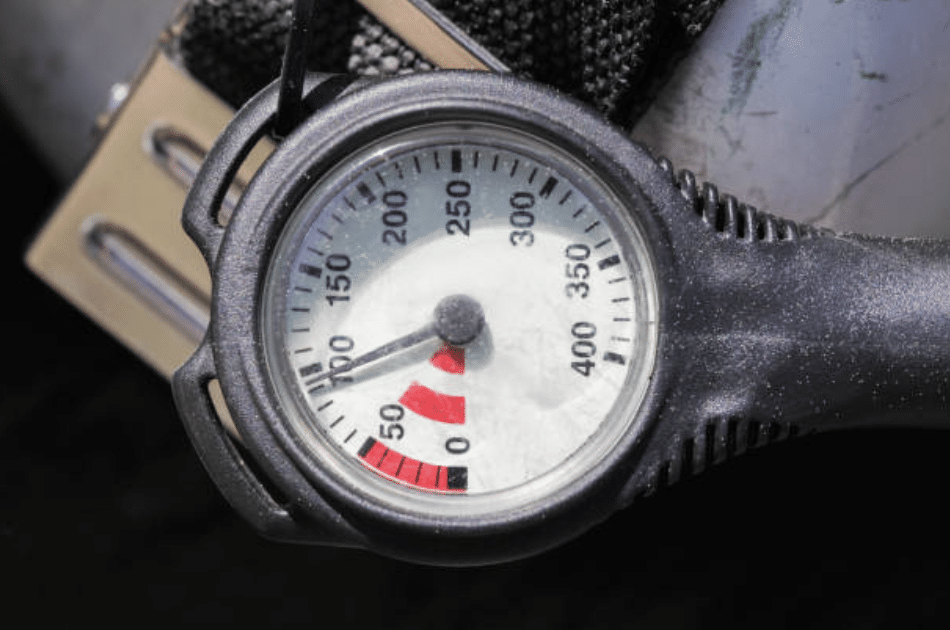
Close-up of a scuba diving pressure gauge, showing the needle pointing just below 50 bar, indicating low air pressure. The gauge is attached to diving equipment, with part of a cylinder visible in the background.

Emotional Control vs Suppression

Discipline is often mistaken for emotional suppression. In technical diving, emotional control means recognising fear, stress, or uncertainty without allowing them to dictate behaviour.

Divers who deny emotional responses tend to act impulsively. Those who acknowledge them can pause, breathe, and execute procedures deliberately. Advanced technical diving progression treats emotional regulation as a core competency, not a personality trait.

Calm divers are not fearless. They are self-aware.


Bravery Encourages Boundary Testing

Bravery can be a liability when it encourages boundary testing. Divers motivated by proving capability may:

  • Extend bottom times
  • Ignore early warning signs
  • Rationalise marginal decisions

These behaviours often go unnoticed until conditions deteriorate. Technical diving training counters this tendency by reframing success as uneventful completion, not pushing limits.

Professional divers measure achievement by consistency, not conquest.


Discipline in Planning: Where Safety Begins

Most safety in technical diving is established before entering the water. Disciplined planning includes:

  • Conservative gas calculations
  • Clear abort criteria
  • Environmental limits
  • Team agreement on objectives

Divers who “wing it” rely on optimism. Divers who plan conservatively rely on structure. Advanced technical diving progression rewards the latter.

A well-planned dive removes the need for bravery underwater.


Discipline During Execution

Underwater discipline is visible in small behaviours:

  • Holding depth during stops
  • Maintaining trim during tasks
  • Communicating even when nothing is wrong
  • Aborting calmly when criteria are met

These actions are rarely dramatic. They are repetitive and unglamorous. Yet they prevent the conditions that demand heroic responses.

At N9BO℠, divers are taught that boring dives are successful dives.

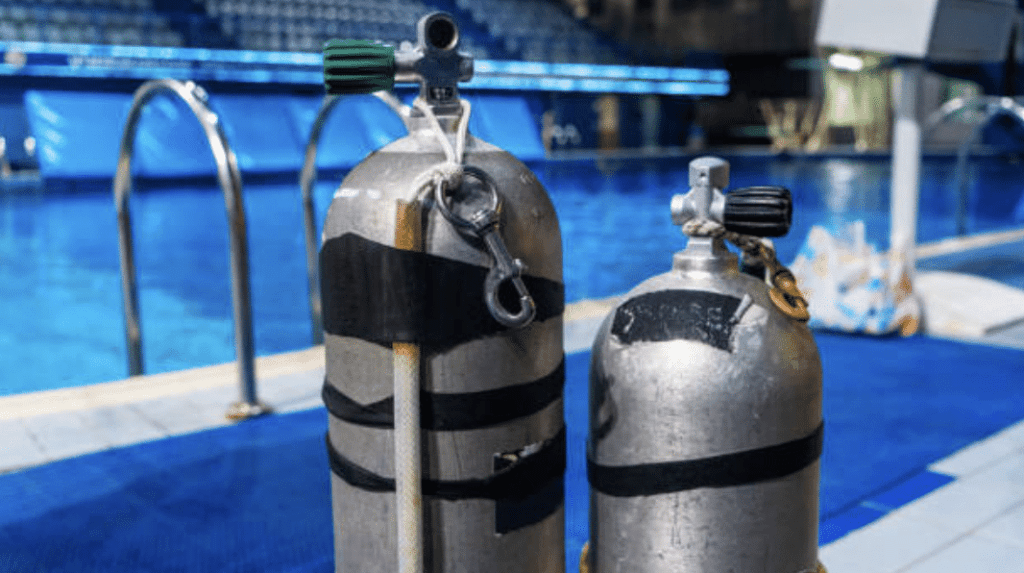
Two scuba diving cylinders stand upright on the edge of an indoor swimming pool, with a metal ladder and diving boards visible in the background.

Discipline in Aborting Dives

One of the clearest indicators of discipline is the willingness to abort early. Divers who lack discipline often continue because:

  • Conditions might improve
  • Effort has already been invested
  • Turning feels like failure

Disciplined divers recognise that aborting is a planned outcome, not an emotional decision. Technical diving training normalises this behaviour, removing stigma and ego from safety decisions.


Long-Term Perspective: Career vs Dive

Professional and career technical divers think in decades, not individual dives. They understand that risk compounds over time. A single marginal decision may not cause immediate harm, but repeated exposure increases probability.

Discipline protects longevity. It allows divers to accumulate thousands of dives without incident. Bravery offers no such protection.


Why Instructors Emphasise Discipline Over Talent

Talented divers often progress quickly, but talent without discipline is unstable. Instructors prioritise disciplined behaviour because it scales across environments and stress levels.

TDI technical diving courses assess not just skill execution, but adherence to procedure. A diver who performs perfectly once but inconsistently over time is a liability.


The Professional Identity of Technical Divers

The most respected technical divers are rarely the loudest or most visible. They are known for:

  • Predictable behaviour
  • Conservative judgement
  • Calm presence
  • Willingness to say “no”

This reputation is built through discipline, not bravery.

At N9BO℠, technical diving is framed as a professional practice rooted in restraint, structure, and respect for uncertainty.


The Bottom Line

Bravery may get attention.

Discipline keeps divers alive.

Technical diving does not reward courage—it rewards consistency. Divers who understand this distinction approach complexity with humility rather than bravado, and they surface safely because of it.

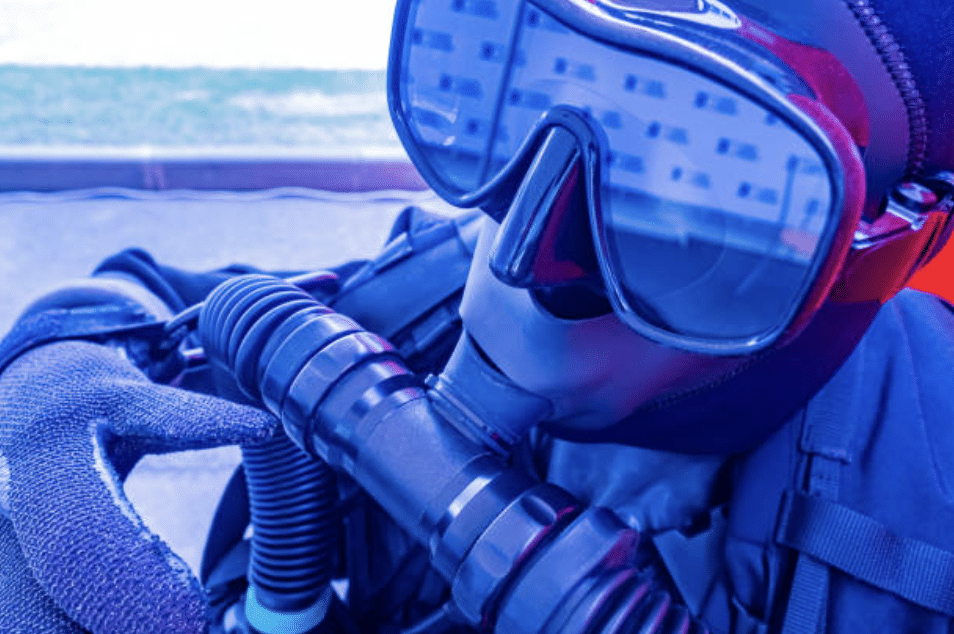
A close-up of a person wearing a black diving mask, gloves, and breathing apparatus, dressed in full scuba diving kit. The reflection in the mask shows a blurred outdoor scene.

Building Discipline for Advanced Diving?

Technical diving rewards preparation, restraint, and consistency—not bravado. If you’d like to train with a disciplined, professional approach, get in touch.


From the N9BO℠ Knowledge Base


Share this

Failure Management Underwater: Planning for What Will Go Wrong

Why Technical Diving Assumes Failure by Default

One of the most profound differences between recreational and technical diving lies in how each discipline views failure. Recreational diving training tends to frame failures as unlikely interruptions—something to be handled quickly and resolved by surfacing. Technical diving rejects this assumption entirely.

In technical environments, failures are expected. Equipment will malfunction. Visibility will deteriorate. Gas plans will be stressed. Team members will experience elevated workload or stress. Technical diving training is built around the acceptance of this reality, not the denial of it.

This mindset shift is often unsettling for new technical divers. Planning for failure feels pessimistic at first. In practice, it is one of the most effective ways to preserve calm, clarity, and control underwater.


Failure vs Emergency: A Critical Distinction

Not every failure is an emergency. One of the first concepts introduced in TDI technical diving courses is the difference between a failure that requires immediate action and one that can be stabilised and managed deliberately.

A leaking regulator, a lost light, or a delayed ascent does not automatically constitute an emergency. It becomes an emergency when the diver reacts impulsively, loses buoyancy control, or abandons procedure.

Failure management focuses on containment. Stabilise the situation. Maintain depth and trim. Communicate clearly. Only then take corrective action. This structured response prevents escalation—the real danger in technical diving.


Why Improvisation Is a Liability Underwater

Improvisation is often celebrated in high-risk activities as a sign of adaptability. In technical diving, improvisation under pressure is usually a symptom of inadequate planning.

Human cognition degrades under stress. Narcosis, task loading, and time pressure all impair decision-making. Advanced technical diving progression recognises this by replacing improvisation with rehearsed responses.

This does not eliminate flexibility. It creates bounded flexibility—divers adapt within predefined frameworks rather than inventing solutions on the fly.

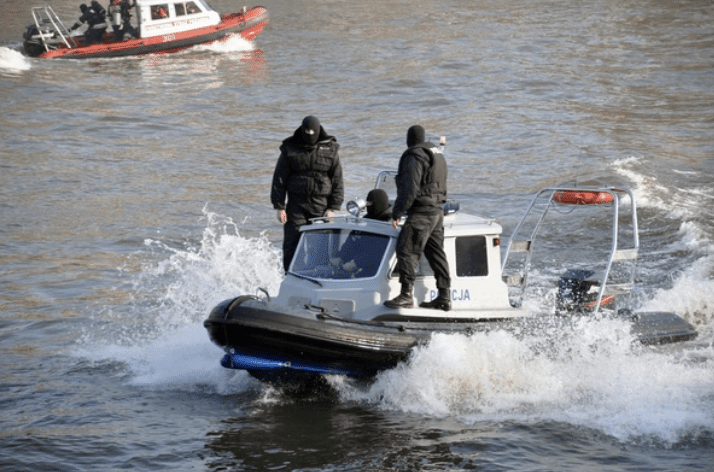
Two police officers in black uniforms ride a small police boat speeding through the water, creating splashes. Another red and white boat with several people is visible in the background.

Failure Drills: Rehearsal, Not Performance

Failure drills are among the most misunderstood aspects of technical training. Some divers treat them as tests of dexterity or speed. In reality, drills exist to build procedural memory.

Repeating valve shutdowns, gas-sharing sequences, or light-failure responses embeds them at a level where they can be executed calmly under stress. Technical diving training emphasises precision, stability, and communication—not speed.

The goal is not to “win” a drill, but to ensure that the response is predictable and repeatable regardless of conditions.


The Psychological Component of Failure

Perhaps the most dangerous aspect of failure is not the physical problem, but the emotional response it triggers. Anxiety narrows attention, accelerates breathing, and degrades fine motor control.

Technical training exposes divers to controlled failures precisely to normalise these sensations. Advanced technical diving progression teaches divers to pause, breathe, and reset before acting—often the most difficult skill to master.

Divers who learn to regulate emotional response are far less likely to escalate manageable failures into critical situations.


Team-Based Failure Detection

Many failures are first noticed not by the affected diver, but by a teammate. Changes in posture, breathing rhythm, or movement often precede conscious recognition.

This is why technical diving training places such emphasis on team awareness. Teams function as distributed sensors, catching small issues early when they are easiest to manage.

Ignoring early cues is one of the most common precursors to incidents.


Cascading Failures and How to Prevent Them

Most serious incidents involve cascading failures—a sequence where one problem leads to another. For example:

  • A minor gas leak increases breathing rate
  • Increased breathing accelerates gas depletion
  • Gas depletion increases stress
  • Stress degrades buoyancy and awareness

Failure management training focuses on breaking this cascade early. Stabilisation interrupts the chain, preserving options.

A man in a wetsuit stands beside an open van filled with diving equipment, including oxygen cylinders, ropes, and other gear. He appears to be preparing for or discussing a dive.

Documentation, Debriefing, and Learning

Professional technical divers treat failures as data. Post-dive debriefs examine what occurred, how it was handled, and how procedures can be refined.

This culture of continuous improvement is reinforced in TDI technical diving courses, where learning does not stop at certification. Failure management evolves with experience.


Why Planning for Failure Builds Confidence

Paradoxically, planning for failure increases confidence. Divers who know exactly how they will respond to problems dive more calmly, consume less gas, and communicate more effectively.

At N9BO℠, failure planning is framed as empowerment—not fear. Divers who understand that problems are manageable approach complex dives with clarity rather than apprehension.


The Professional Reality

In professional diving disciplines—technical, public safety, commercial—failure management is non-negotiable. Equipment redundancy, procedural discipline, and team coordination exist because history has demonstrated their necessity.

Technical diving inherits this legacy. It does not ask divers to be fearless. It asks them to be prepared.

Failures will happen.

What matters is how deliberately you respond when they do.

A group of five people on a small boat use poles and ropes to search or retrieve something from the water's surface on a calm, sunny day.

Preparing for Failure, Not Hoping It Won’t Happen?

Professional diving assumes failures will occur and plans accordingly. If you want to strengthen contingency planning and response skills, get in touch.


From the N9BO℠ Knowledge Base

Share this

Team Protocols in Technical Diving: Why Solo Thinking Fails Under Pressure

The Myth of the “Self-Sufficient” Technical Diver

Technical divers are frequently described as highly self-sufficient, capable of handling failures independently and operating in environments where outside assistance is unavailable. While personal competence is essential, this description often leads to a dangerous misunderstanding: that technical diving is fundamentally a solo endeavour.

In reality, technical diving is a team discipline. Even when divers carry redundant systems and practise self-rescue skills, the team remains the primary safety net. This principle is introduced early in technical diving training, yet it is often overshadowed by an emphasis on individual capability.

Solo thinking fails because humans do not perform optimally under stress in isolation. Teams distribute workload, provide redundancy, and act as external checks against cognitive bias.


Why Teams Matter More as Complexity Increases

As dives become more complex—longer, deeper, or more constrained—the margin for error narrows. Under these conditions, individual performance variability becomes more significant. Fatigue, narcosis, stress, or distraction can degrade even highly skilled divers.

Teams mitigate this variability by:

  • Sharing situational awareness
  • Providing cross-checks on decisions
  • Absorbing individual failures without escalation

This is why TDI technical diving courses and PADI Tec training programmes are structured around team-based problem solving rather than isolated performance.

Three men stand in a grassy, wooded area; one is shirtless, putting on a wetsuit while the other two, dressed in dark uniforms, watch. Bags and clothes are spread out on a blanket on the ground.

Protocols vs Personal Style

A protocol is not a preference; it is a shared expectation. In technical diving, protocols define how gas is shared, how failures are communicated, how positioning is maintained, and how decisions are escalated.

Without protocols, divers rely on personal style and improvisation. Under stress, this leads to misinterpretation, delayed responses, and conflicting actions. Advanced technical diving progression replaces personal style with predictability.

Predictable behaviour allows teammates to anticipate actions rather than react to surprises.


Communication: More Than Hand Signals

Communication in technical diving extends far beyond hand signals. It includes:

  • Light positioning and movement
  • Body orientation
  • Spacing and relative depth
  • Timing of actions

Poor communication rarely causes immediate failure; instead, it slowly erodes shared understanding. Teams may believe they are aligned when they are not. Technical training teaches divers to communicate continuously, not just during problems.


Role Clarity and Shared Authority

One of the most effective team protocols is equal authority to abort a dive. Any diver, regardless of experience or role, must be empowered to call the dive without justification.

This principle counters hierarchy-driven hesitation, which has contributed to incidents in many high-risk fields. Technical diving training explicitly reinforces that safety decisions are collective, not dictated by seniority.

Role clarity also matters. Divers should know who is navigating, who is timing, and who is monitoring ascent cues. Ambiguity increases task load and delays response.


Gas as a Team Resource

In technical diving, gas does not belong to individuals—it belongs to the team. A diver with ample gas is irrelevant if their teammate is low or compromised.

This is why gas planning, tracking, and sharing protocols are central to TDI technical diving courses. Teams plan for the highest consumption rate, not the average, and rehearse responses so they are automatic.

Team-centric gas thinking reduces panic and improves efficiency during real failures.

Open van with dive gear inside, including scuba cylinders, ropes, wetsuits, fin bags, a crate, and shoes. Equipment is organised on shelves and the floor, ready for a diving or rescue operation.

Failure Management as a Team Exercise

Most technical failures are manageable if addressed early. Teams excel at early detection. A teammate may notice subtle cues—changes in breathing, posture, or movement—that the affected diver does not perceive.

Advanced technical diving progression uses team-based failure drills to normalise intervention. Divers learn that stepping in early is supportive, not intrusive.

Failures become shared problems, not personal crises.


Solo Diving vs Solo Thinking

It is important to distinguish between solo diving as a formal activity and solo thinking as a mindset. Even divers trained for independent diving rely on structured procedures and redundancy. What technical diving rejects is isolated decision-making in complex environments.

At N9BO℠, even advanced or professional-level divers are trained to think in terms of systems and teams, recognising that isolation increases risk without increasing capability.


Why Teams Fail—and How Training Prevents It

Teams fail when:

  • Protocols are unclear or inconsistent
  • Communication assumptions replace confirmation
  • Ego suppresses dissent
  • Planning is individual rather than collective

Technical training addresses these vulnerabilities explicitly. Divers are taught to brief thoroughly, debrief honestly, and refine protocols continuously.


The Professional Standard

Professional technical divers are not defined by how much they can handle alone. They are defined by how well they integrate into a team under pressure.

Teams that function effectively do not rely on heroics. They rely on discipline, clarity, and shared responsibility.

At N9BO℠, team protocols are taught as foundational safety systems, not optional enhancements.

In technical diving, independence keeps you capable.

Teams keep you alive.

Two scuba divers in wetsuits and cylinders are in the water near a wooden jetty. One diver is standing upright while the other is partially submerged, facing the water.

Training for Team-Based Technical Diving?

Effective technical diving relies on shared protocols and coordinated decision-making. Contact us to discuss team-focused training approaches.


From the N9BO℠ Knowledge Base


Share this

Depth Is Not the Enemy — Decision-Making Is

Why Depth Gets the Blame

When a diving accident occurs, depth is often the first factor cited. Reports mention “deep dives,” “excessive depth,” or “beyond recreational limits,” as if metres alone explain the outcome. This framing is understandable—depth is visible, measurable, and easy to point to. But it is also misleading.

Depth does not make a dive unsafe on its own. What depth does is magnify the consequences of poor decisions. In technical diving, depth is simply one variable among many, and often not the most influential. This is a foundational concept taught early in technical diving training, yet it takes time for divers to internalise.

Many incidents attributed to depth could have occurred shallower if the same decision patterns were present: inadequate gas planning, task overload, poor communication, or delayed abort decisions. Conversely, well-planned deep dives executed conservatively often conclude uneventfully.


Depth as a Multiplier, Not a Cause

Depth increases ambient pressure, gas density, narcosis potential, and decompression obligation. Each of these factors adds complexity, but none act independently. Their impact depends entirely on how divers plan for and manage them.

For example, narcosis is often blamed for poor judgement at depth. Yet narcosis becomes dangerous primarily when divers fail to account for it. Using appropriate gas mixtures, limiting task loading, and maintaining conservative profiles are all decision-based controls taught in TDI technical diving courses and PADI Tec training programmes.

Depth multiplies existing weaknesses. It does not create them.


Decision-Making Happens Long Before the Dive

One of the most important lessons in advanced technical diving progression is that critical decisions are rarely made underwater. They are made during planning, briefing, and equipment preparation.

Choices such as:

• Gas selection

• Team composition

• Turn pressures

• Abort criteria

• Environmental limits

all determine how much margin exists once the dive begins. Underwater, options are limited. The diver is largely executing decisions already made.

Divers who underestimate this tend to believe they will “figure it out” underwater. This mindset is a holdover from recreational diving, where ascent is always available. In technical environments, improvisation is rarely a strength.

A scuba diver with a torch explores an underwater cave, surrounded by jagged rock formations illuminated by their light.

The Myth of “I’ll Know When to Turn”

Many divers believe they will intuitively recognise when a dive should be stopped. While experience does improve perception, intuition alone is unreliable under stress, narcosis, or task loading.

Technical training replaces intuition with predefined decision points. Abort criteria are established in advance, removing ambiguity. When a trigger occurs—gas loss, delay, degraded visibility—the response is automatic.

This approach reduces cognitive load and prevents rationalisation. Technical diving training emphasises that the most dangerous phrase in diving is “just a little longer.”


Cognitive Bias and Escalation of Commitment

Human decision-making is vulnerable to well-documented biases. One of the most relevant in technical diving is escalation of commitment: the tendency to continue a course of action because time, effort, or resources have already been invested.

In diving, this manifests as:

• “We’re already here.”

• “It took a lot to get this far.”

• “We can still make it.”

Depth intensifies this bias by increasing perceived cost. The deeper the dive, the harder it feels to abandon objectives. Advanced technical diving progression explicitly addresses this tendency, training divers to recognise and counteract it.

Stopping early is not failure; it is bias management.

A deep blue, circular lagoon known as the Blue Hole is surrounded by rocky, sandy cliffs and clear shallow water, with the open sea visible in the background under a clear blue sky.

Team Decisions vs Individual Confidence

Another critical factor is the interaction between individual confidence and team dynamics. A confident diver may unintentionally influence others to continue when caution is warranted. Conversely, inexperienced team members may hesitate to voice concerns.

Technical teams counter this by:

• Establishing equal authority to call a dive

• Normalising conservative input

• Removing hierarchy underwater

These practices are embedded in TDI technical diving courses, reinforcing that safety decisions are collective, not personal.

Shallow Dives Can Be High Risk

It is worth emphasising that many serious incidents occur in relatively shallow water. Long bottom times, repetitive profiles, overhead penetration, and task loading can all create high-risk scenarios without extreme depth.

Divers who focus exclusively on depth may underestimate risk elsewhere. Technical diving training broadens risk awareness, encouraging divers to evaluate the entire operational context rather than a single metric.


Depth, Experience, and False Security

Experience at depth does not automatically translate to good decision-making. Divers who have “gotten away with it” repeatedly may develop false confidence. This is particularly dangerous because it erodes respect for margins.

Technical training seeks to break this cycle by introducing objective planning tools and structured evaluation. Advanced technical diving progression prioritises consistency over bravado, recognising that careers are built on uneventful dives.

A scuba diver with a torch explores an underwater cave, surrounded by rocks and illuminated by beams of sunlight filtering through the water above.

Reframing Depth in Technical Diving

Depth should be viewed as a design parameter, not a challenge. It informs gas choice, ascent strategy, and exposure limits, but it does not define success.

Professional technical divers are rarely impressed by depth alone. They are impressed by:

• Clean planning

• Conservative execution

• Calm problem-solving

• Predictable outcomes

These qualities are independent of depth and entirely dependent on decision-making.


The Real Enemy

In the end, depth is neutral. It does not reward or punish. It simply exists.

Poor decisions, however—optimistic planning, delayed responses, ignored signals—create consequences regardless of depth. Technical diving exists to teach divers how to make better decisions before those consequences arise.

At N9BO℠, divers are taught that the safest dives are not the shallowest or the deepest, but the ones where judgement remains intact from planning to surfacing.

Depth is not the enemy.

Unmanaged decision-making is.

Sunlight filters through the clear blue water, illuminating underwater rock formations and coral on the ocean floor, creating serene patterns of light and shadow.

Want to Improve Dive Decision-Making?

Technical depth amplifies poor decisions. We can help you build judgement and discipline that scale with complexity.


From the N9BO℠ Knowledge Base

Share this
Facebook
Instagram
X (Twitter)
TikTok
Youtube
Whatsapp