Beyond Depth: Reframing the Meaning of Technical Diving
Technical diving is frequently described in terms of numbers: depths beyond 40 metres, mandatory decompression stops, helium-based breathing gases, or overhead environments. While these elements are often present, they are descriptors, not definitions. They describe where technical diving occurs, not what it is.
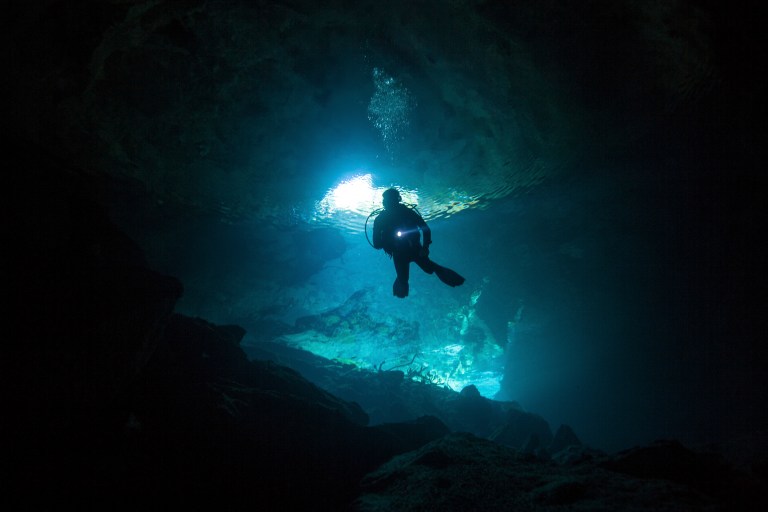
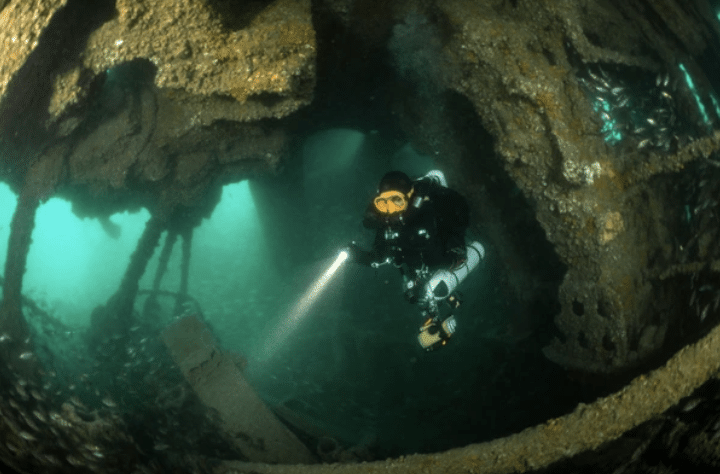
At its core, technical diving is a structured approach to risk management in constrained environments. These are environments where a diver cannot simply ascend directly to the surface without consequence. The constraint may be physiological (decompression obligation), physical (caves, wrecks, ice), logistical (distance from exit), or operational (task-driven objectives). What unites them is the requirement for deliberate planning and controlled execution.
This is why technical diving cannot be reduced to depth alone. A shallow cave dive may be more technically demanding than a deep open-water descent. Likewise, a modest decompression dive conducted poorly may carry more risk than a deeper dive executed conservatively. Technical diving training exists to teach divers how to recognise and manage these nuances rather than relying on superficial metrics.
The Fundamental Shift from Recreational Thinking
Recreational diving is built around a forgiving assumption: that a diver can always ascend directly to the surface if something goes wrong. This assumption underpins recreational gas planning, emergency procedures, and buddy systems. Technical diving deliberately removes that assumption.
Once a diver accepts that immediate ascent is no longer an option, everything changes. Gas planning must account for worst-case scenarios rather than average consumption. Equipment must be redundant, not merely reliable. Ascent strategies must be planned in advance, not improvised. Team coordination becomes central rather than optional.
This conceptual shift is one of the most challenging aspects for divers transitioning into technical environments. Many capable recreational divers struggle initially, not because they lack skill, but because they continue to think in recreational terms. TDI technical diving courses and PADI Tec training programmes are structured to dismantle these assumptions progressively and replace them with technical logic.
Planning as a Primary Skill, Not an Afterthought
In technical diving, the dive is effectively completed before the diver enters the water. Planning is not administrative overhead; it is the primary safety mechanism. A well-planned dive reduces uncertainty, limits exposure, and defines clear decision points.
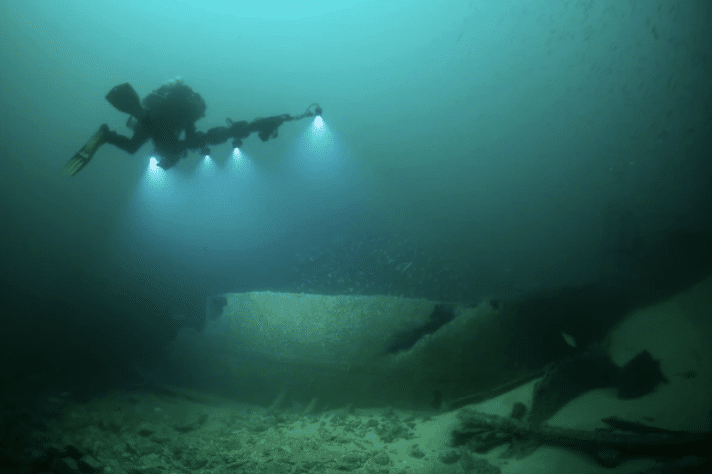
Technical dive planning encompasses far more than depth and time. It includes:
• Detailed gas calculations based on realistic consumption rates
• Explicit contingency plans for equipment and team failures
• Clearly defined abort criteria
• Environmental and logistical considerations
• Surface support and emergency response alignment
Through advanced technical diving progression, divers learn that planning is not static. It must be adaptable, conservative, and continuously re-evaluated as conditions change. This planning discipline is what allows technical divers to operate safely in environments that would otherwise be unforgiving.
Redundancy Is a System, Not Extra Equipment
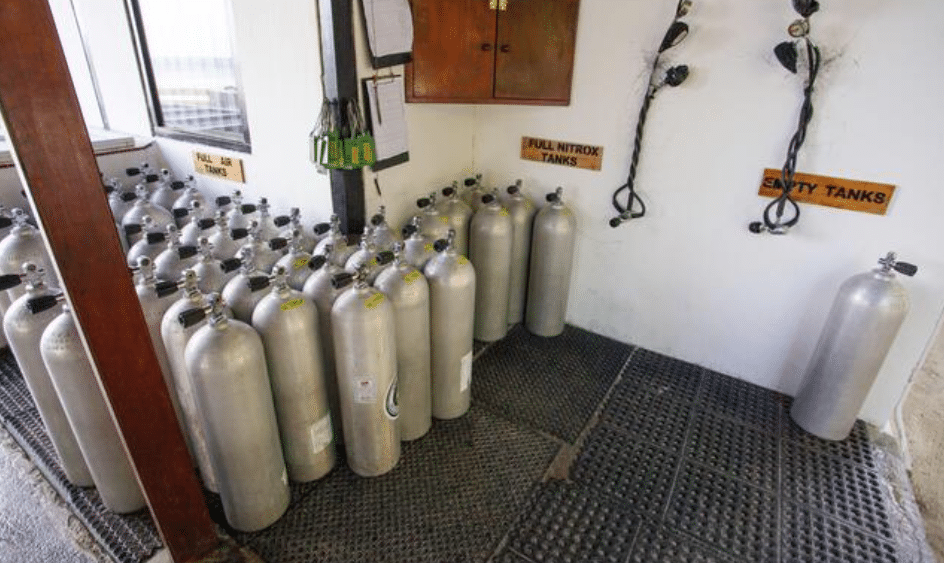
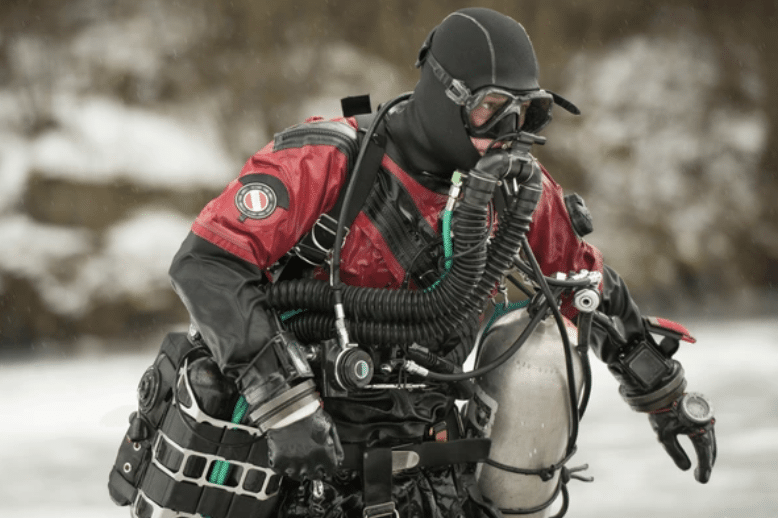
One of the most visible differences between recreational and technical divers is equipment configuration. Twin cylinders, stage bottles, redundant regulators, and backup computers are common. However, redundancy is frequently misunderstood as “having more gear.”
True redundancy is systemic, not additive. Redundant equipment must be independent, accessible, and usable under stress. Carrying additional equipment without understanding how it integrates into failure scenarios can increase risk rather than reduce it.
This is why technical diving training emphasises equipment configuration as a system. Divers learn how failures propagate, how isolation prevents escalation, and how to maintain control while managing malfunctions. Equipment becomes a tool that supports decision-making, not a substitute for it.
Team Diving as the Default Model
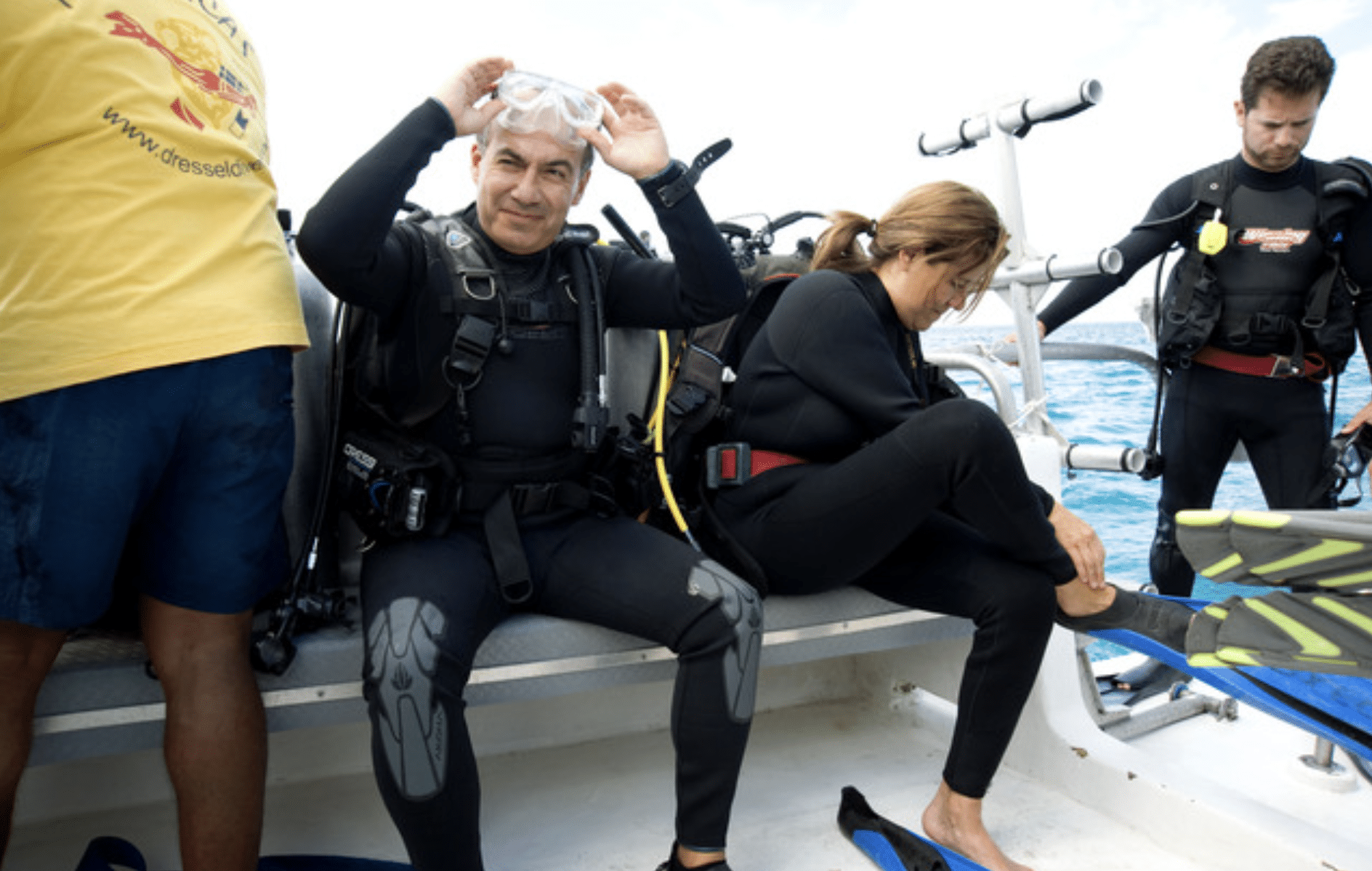
Although technical divers are often described as highly self-reliant, technical diving is fundamentally a team activity. Teams provide redundancy, perspective, and problem-solving capacity that no individual can replicate alone.
This is why technical diving training emphasises equipment configuration as a system. Divers learn how failures propagate, how isolation prevents escalation, and how to maintain control while managing malfunctions. Equipment becomes a tool that supports decision-making, not a substitute for it.
Team protocols define how gas is shared, how failures are managed, how navigation decisions are made, and how ascent strategies are executed. These protocols are standardised, rehearsed, and refined through repetition. Advanced technical diving progression relies heavily on team cohesion because individual brilliance cannot compensate for systemic breakdowns.
This team-centric model also influences how divers communicate and position themselves underwater. Spacing, signalling, and pacing are deliberate. They exist to preserve shared situational awareness and reduce cognitive load when it matters most.
What Technical Diving Is Not
Clarifying what technical diving is not is just as important as defining what it is.
Technical diving is not about pushing limits for their own sake. Divers who pursue depth or complexity without justification are operating outside the discipline, not within it. Technical training actively discourages unnecessary exposure and promotes conservative objectives.
It is also not defined by equipment ownership. Purchasing technical gear does not confer technical competence. Capability is demonstrated through consistency, judgement, and restraint—qualities developed through training and experience, not transactions.
Finally, technical diving is not a shortcut to expertise or status. Instructors and experienced technical divers are often characterised by humility rather than bravado. They understand that the environments they operate in are indifferent to ego.
Why This Distinction Matters
Misunderstanding technical diving has consequences. Divers who approach it with recreational assumptions may underestimate risk, overestimate preparedness, or progress too quickly. This is why structured technical diving training exists: to replace assumptions with analysis and intuition with procedure.
At N9BO℠, technical diving is taught as a professional discipline grounded in realism, conservatism, and accountability. Whether divers pursue TDI technical diving courses, PADI Tec training programmes, or other advanced pathways, the objective remains the same: to produce divers who can think clearly, act deliberately, and exit complex dives safely—every time.
Technical diving is not defined by how far a diver goes. It is defined by how well they plan, how calmly they respond, and how consistently they return.
Considering Technical Diving?
Technical diving is not about depth alone, but about mindset, preparation, and discipline. If you’d like to discuss whether technical training is right for you, get in touch..
From the N9BO℠ Knowledge Base