Why Overconfidence Is So Difficult to Detect
Overconfidence does not feel reckless. It often feels calm, assured, and justified by past success. Divers who are overconfident rarely believe they are taking risks—they believe they are simply competent.
This makes overconfidence one of the most dangerous psychological states in technical diving.
Technical diving training treats overconfidence as an internal risk factor, not a personality trait. It must be managed deliberately because self-awareness alone is insufficient.
The Confidence–Capability Gap
Confidence and capability do not always rise together. Capability can degrade due to fatigue, lack of currency, or environmental change while confidence remains high.
This gap leads divers to:
- Underestimate task load
- Overlook deteriorating conditions
- Ignore early warning signs
Advanced technical diving progression focuses on closing this gap through verification and conservative practice.
Why Success Can Increase Risk
Repeated successful dives reinforce belief in one’s judgement. This reinforcement can reduce vigilance, shorten checklists, and encourage marginal decisions.
Ironically, the longer a diver goes without incident, the more vulnerable they may become. Technical diving training explicitly warns against equating success with safety.
Overconfidence and Planning Shortcuts
Overconfident divers often compress planning. They rely on memory instead of checklists, intuition instead of verification, and assumptions instead of confirmation.
These shortcuts remove safety layers. Advanced technical diving progression teaches divers to recognise planning shortcuts as red flags rather than efficiency.
The Role of Familiar Environments
Familiar environments breed confidence quickly. Known sites, known teams, and known procedures reduce perceived risk.
However, familiarity also reduces vigilance. Technical diving training emphasises that familiar environments deserve the same discipline as unfamiliar ones—sometimes more.
Equipment Familiarity and Assumption
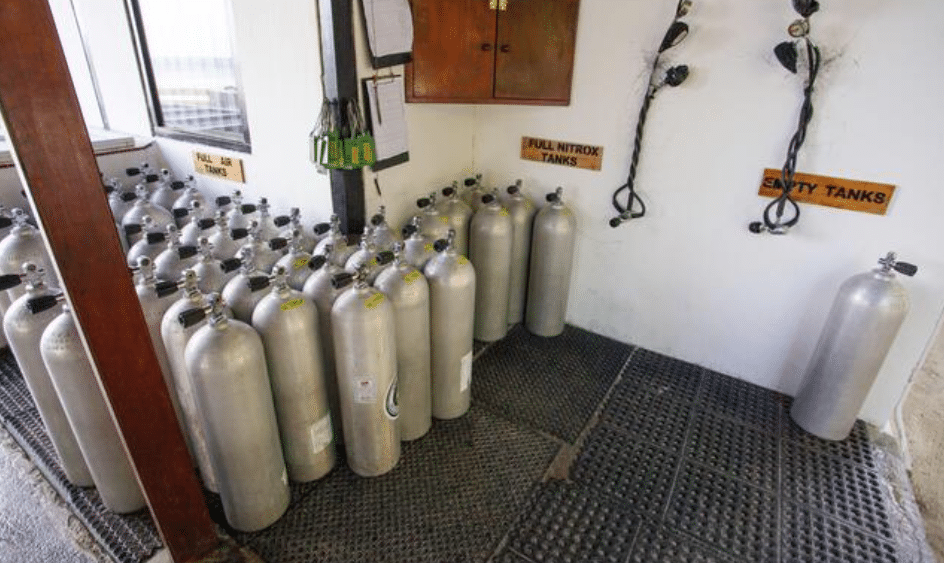
Divers who know their equipment well may stop checking it thoroughly. Valve positions, gas analysis, and configuration details are assumed rather than verified.
Many incidents involve equipment that was “always fine before.” Advanced technical diving progression treats verification as mandatory regardless of familiarity.
Team Dynamics and Overconfidence
Overconfidence can silence teams. Less assertive divers may hesitate to question confident teammates, even when something feels wrong.
Technical diving training encourages teams to normalise challenge and questioning—especially when one diver appears overly assured.
Instructor Perspective: Managing Confidence in Training
Instructors often encounter candidates who perform well early and begin to relax discipline prematurely. This is a critical teaching moment.
At N9BO℠, instructors reinforce that confidence must be earned continuously—not granted permanently.
Professional Parallels
In aviation and emergency services, overconfidence is a recognised threat. Systems are designed to catch confident mistakes through redundancy and cross-checking.
Technical diving adopts this professional framework. Confidence is respected—but never trusted without verification.
Humility as a Safety Skill
Humility is not self-doubt. It is recognition that conditions change, performance varies, and mistakes are always possible.
Advanced technical diving progression treats humility as an operational skill that protects decision-making and teamwork.
The Bottom Line
Confidence feels good.
Verification keeps you alive.
Technical diving does not punish confidence—it punishes unexamined confidence. The safest divers are those who trust procedures more than feelings and verification more than memory.
At N9BO℠, confidence is balanced with discipline.

Feeling Too Comfortable Underwater?
Confidence without current competence can increase risk dramatically. Contact us to discuss maintaining realistic self-assessment and performance standards.
From the N9BO℠ Knowledge Base