Why Gas Planning Is Where Recreational Logic Finally Fails
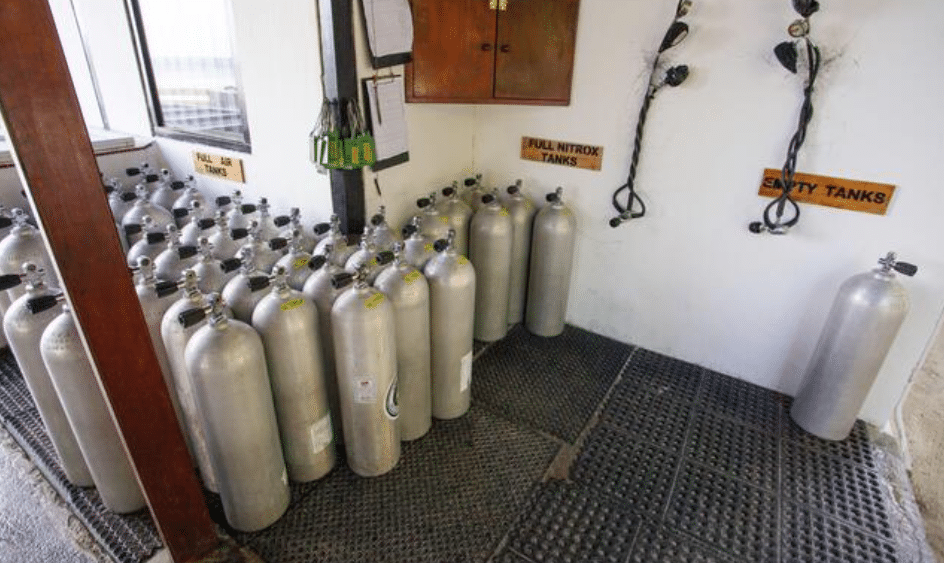
Gas planning is often the first area where recreational assumptions become actively dangerous. In recreational diving, gas management is simple by design: monitor pressure, turn the dive at a predefined point, and surface with a reserve. The system works because the environment allows it to work.
Technical diving removes that safety net.
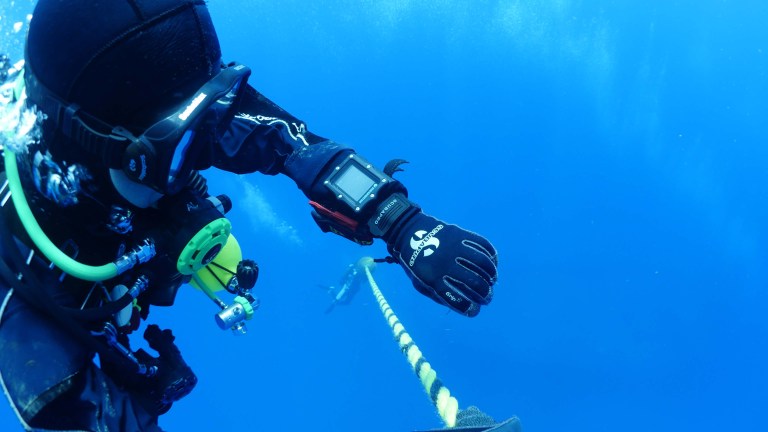
Once ascent is constrained by decompression obligations, overheads, distance, or task-driven objectives, gas becomes a finite, mission-critical resource rather than a comfort margin. Misjudging gas requirements no longer results in an early ascent; it results in a cascade of failures.
This is why gas planning is treated as a primary survival skill in technical diving training, not a peripheral calculation.
The Problem with “Rules of Thumb”
Rules of thumb such as rule of thirds, halves, or fixed reserve pressures exist for one reason: they are easy to teach and remember. They introduce structure and discipline early in a diver’s development. However, they are based on assumptions that rarely hold in technical environments.
Most simplified rules assume:
- Stable breathing rates
- Equal gas consumption among team members
- Immediate access to ascent
- No task-related workload spikes
None of these assumptions are reliable once stress, depth, and failure scenarios are introduced.
TDI technical diving courses explicitly teach divers why these shortcuts must eventually be replaced with deliberate, dive-specific planning. Rules of thumb are stepping stones—not foundations.
Worst-Case Thinking vs Average Thinking
The defining feature of technical gas planning is its focus on the worst plausible moment, not the average dive. Gas plans are built around questions such as:
- What if the highest-consuming diver loses gas at the deepest point?
- How much gas is required to stabilise, communicate, and exit together?
- What delays are realistic during ascent and decompression?
This shift in thinking is uncomfortable for many divers because it exposes how optimistic their previous planning has been. Technical diving training deliberately challenges this optimism, replacing it with structured pessimism—a proven safety strategy in high-risk disciplines.
Minimum Gas: The Concept That Changes Everything
One of the most important ideas introduced in advanced technical diving progression is minimum gas (sometimes called rock bottom). Minimum gas represents the absolute amount of gas required to resolve a critical failure and exit safely.
Unlike reserves, minimum gas is not discretionary. It is not “nice to have.” It is the line that must never be crossed.
Understanding minimum gas forces divers to confront reality:
- Bottom time is limited by exit requirements, not ambition
- Team size and configuration directly affect safety margins
- Gas planning is inseparable from ascent planning
This is often the moment when divers truly grasp the seriousness of technical environments.
Gas Planning as a Team Responsibility
In technical diving, gas belongs to the team, not the individual. A diver with “plenty of gas” is irrelevant if their teammate is low. This is why gas planning is conducted at the team level.
TDI technical diving courses emphasise shared gas assumptions:
- Planning for the highest breathing rate, not the average
- Ensuring compatible configurations
- Establishing clear gas-sharing protocols
This approach removes ambiguity during emergencies. Everyone knows how much gas is required, when to act, and how to respond.
Stress, Breathing Rate, and Reality
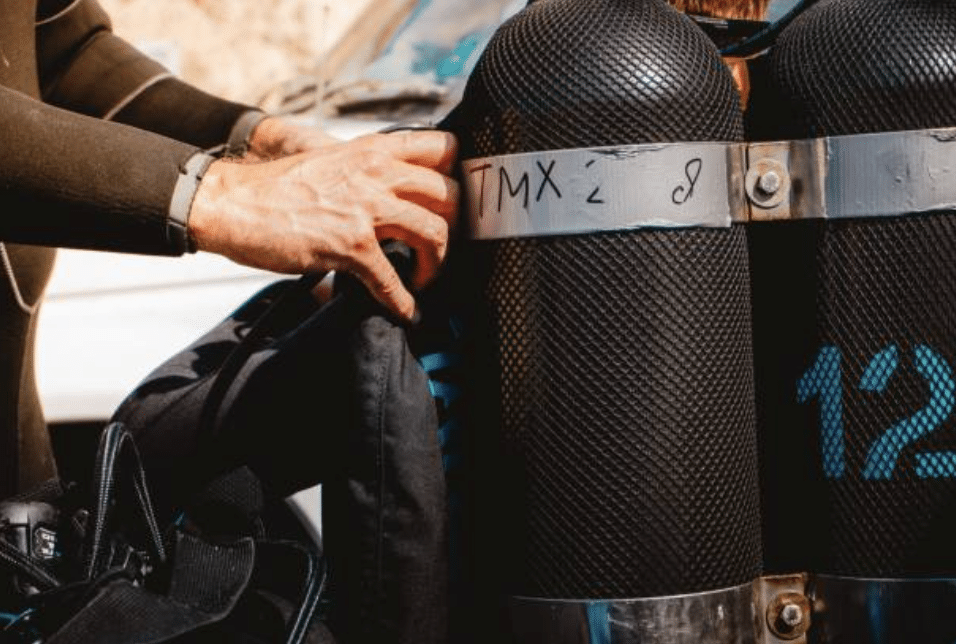
Perhaps the most underestimated factor in gas planning is stress. Breathing rates increase dramatically during failures, especially early in a diver’s technical career. Plans based on calm, idealised consumption rates collapse under pressure.
Technical training incorporates elevated respiratory assumptions not to scare divers, but to reflect reality. Advanced technical diving progression teaches divers to build buffers that account for human response—not just mathematics.
Gas Planning and Cognitive Load
Gas planning is not just about survival; it is about mental bandwidth. A diver who knows their gas plan intimately can focus on problem-solving rather than panic. Uncertainty breeds stress, and stress degrades performance.
This is why technical instructors insist that gas plans are:
- Written
- Reviewed
- Understood
- Rehearsed
Not memorised at the surface and forgotten underwater.
Why “Extra Gas” Is Not a Strategy
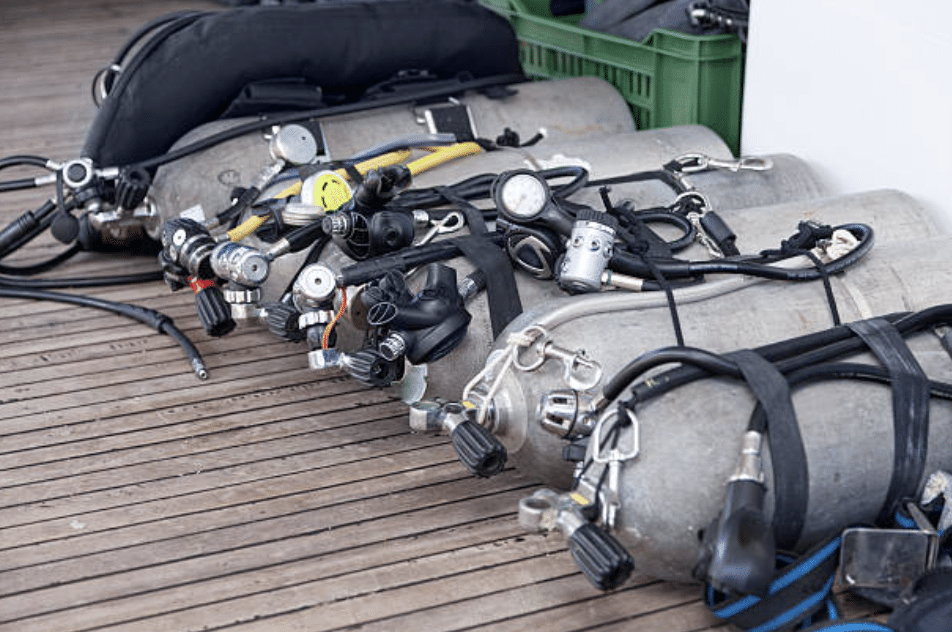
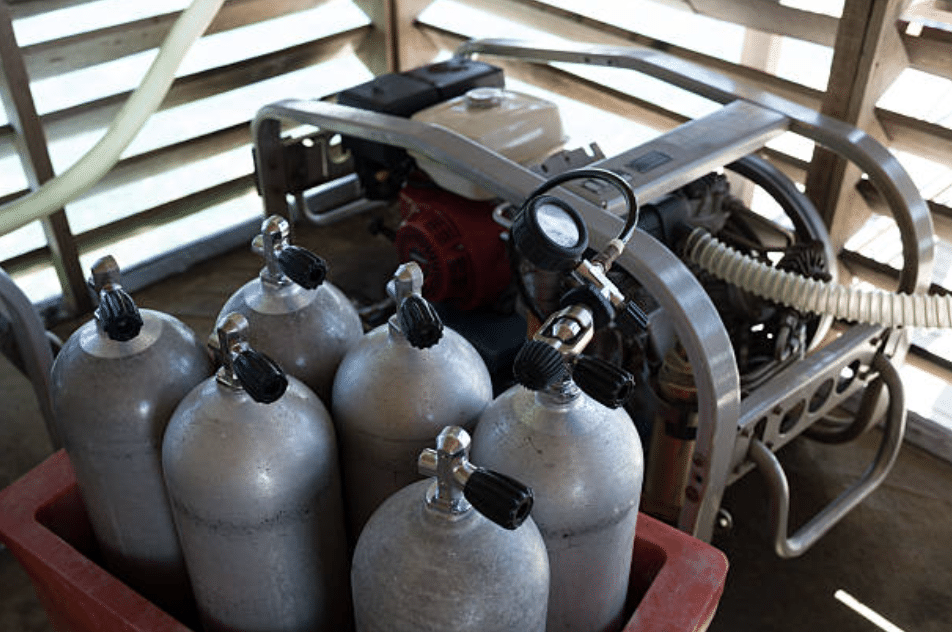
Carrying extra cylinders without a plan is not gas management—it is cargo. Without integration into the overall plan, extra gas can increase task loading, complicate failures, and create false confidence.
Technical diving training treats additional gas as a system component, not a safety blanket. Every cylinder has a role, a failure mode, and an exit strategy.
Gas Planning as a Professional Mindset
Professional divers—whether instructors, expedition members, or public safety operators—tend to be conservative not because they lack skill, but because they understand consequence.
Gas planning is where this professionalism is most visible. It reflects:
- Respect for uncertainty
- Acceptance of human limitation
- Commitment to team safety over objectives
At N9BO℠, gas planning is taught not as a formula, but as a way of thinking—one that consistently keeps divers alive in environments that do not forgive error.
The Bottom Line
Rules of thumb are educational tools. Technical gas planning is a survival discipline.
The moment a diver replaces optimism with calculation—and calculation with judgement—they stop “stretching” recreational diving and start practising technical diving.
Gas planning is not about how long you can stay.
It is about how confidently you can leave.

Questions About Gas Management?
Sound gas planning is a life-support decision, not a shortcut. Contact us to discuss proper gas management principles.
From the N9BO℠ Knowledge Base