Professional Diving & Safety Culture

Expedition Diving: Planning, Logistics, and Discipline Beyond the Dive

The Dive Is Only the Visible Part

In expedition environments, diving represents the final stage of a complex operational chain.

Preparation includes:

  • Travel logistics
  • Equipment transport
  • Environmental assessment
  • Medical planning
  • Communication redundancy
  • Evacuation strategy

The visible dive may last hours.

The preparation spans weeks or months.

Professional expeditions succeed because invisible planning reduces uncertainty.


Logistics as Risk Management

Remote expedition sites introduce constraints:

  • Limited infrastructure
  • Restricted medical access
  • Challenging terrain
  • Unpredictable weather
  • Supply chain limitations

Equipment redundancy becomes essential.

Critical components should be duplicated:

  • Regulators
  • Masks
  • Lights
  • Communication devices
  • Spare parts

Logistical discipline reduces dependency on improvisation.

Improvisation in remote environments carries amplified risk.


Environmental Intelligence Before Deployment

Understanding environmental variables determines operational stability:

  • Tidal cycles
  • Current patterns
  • Seasonal weather shifts
  • Local marine life
  • Water temperature

Surface reconnaissance informs dive planning.

Unexpected environmental conditions often challenge unprepared teams.

Preparation reduces cognitive overload when conditions shift.

At N9BO℠, we emphasise that expedition diving begins with environmental intelligence — not equipment selection.

A scuba diver swims near a sunken shipwreck covered in marine life, surrounded by small fish in deep blue water with sunlight filtering from above.

Team Structure and Defined Roles

Expeditions require structured team architecture.

Roles may include:

  • Dive lead
  • Safety officer
  • Logistics coordinator
  • Communications officer
  • Medical lead

Clear role definition prevents overlap and confusion.

Authority must align with responsibility.

Unclear leadership structures degrade response capability under stress.

Professional expedition teams rehearse communication flow before field deployment.


Medical and Emergency Preparedness

Remote operations often delay access to definitive medical care.

Planning includes:

  • Oxygen availability
  • Trauma kit preparation
  • Emergency extraction plan
  • Nearest recompression facility location
  • Satellite or radio communication backup

Medical response windows shrink when distance increases.

Preparedness extends survival margin.
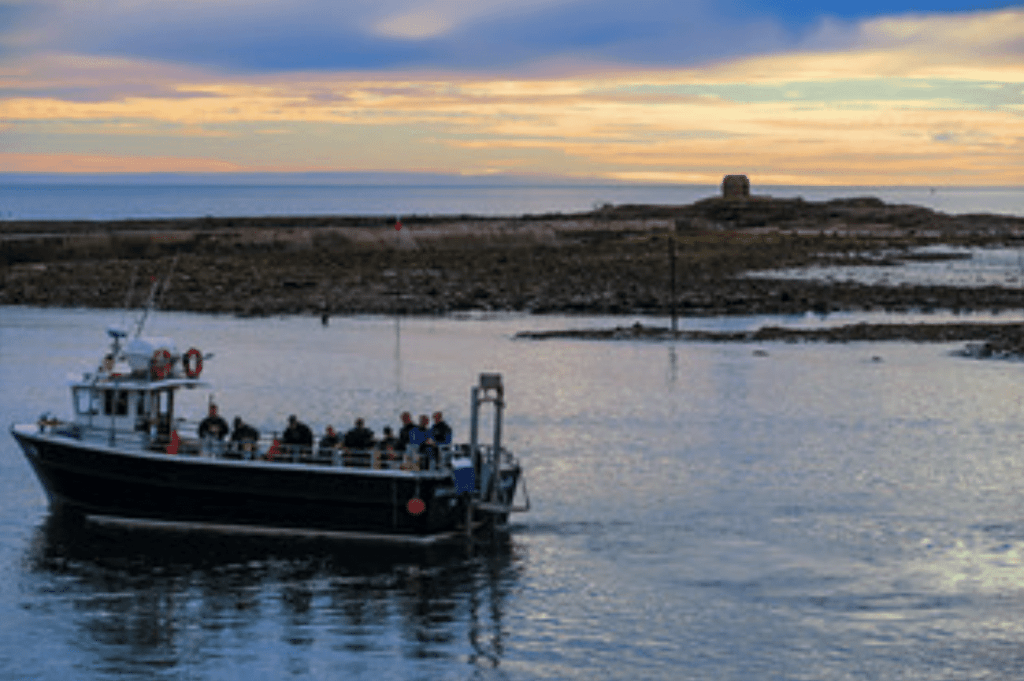
A small boat carrying people sails on calm water near a rocky shore at sunset, with a colourful sky and an island with a stone structure in the background.

Psychological Resilience in Isolation

Expeditions introduce psychological stressors:

  • Fatigue
  • Isolation
  • Environmental unpredictability
  • Operational pressure

Maintaining morale and mental clarity requires:

  • Structured rest cycles
  • Clear communication
  • Stable leadership tone

Stress management preserves decision quality.

Professional endurance supports team stability.


Surface Discipline Influences Underwater Performance

Underwater performance reflects surface behaviour.

If equipment setup is rushed or planning incomplete, stress follows underwater.

Expedition divers must:

  • Conduct detailed pre-dive checks
  • Review gas planning thoroughly
  • Confirm team signals and abort criteria
  • Brief contingencies clearly

Structure before descent reduces improvisation below.

Consistency builds operational confidence.


Contingency Planning and Flexibility

No expedition unfolds exactly as planned.

Contingencies may include:

  • Weather delays
  • Equipment malfunction
  • Environmental restriction
  • Personnel illness

Flexibility within structured boundaries maintains safety.

Aborting or modifying a dive objective does not constitute failure.

Professional expeditions prioritise team integrity over ambition.


Operational Debriefing

Expeditions should include structured debrief cycles.

Debriefing captures:

  • Procedural gaps
  • Environmental observations
  • Equipment performance
  • Team communication issues

Continuous improvement strengthens future deployments.

Learning does not stop at the surface.


Why Expedition Diving Requires Professional Culture

Remote environments magnify consequences.

Minor oversights escalate.

Professional diving culture — structured planning, conservative margin, clear communication — ensures resilience.

At N9BO℠, we view expedition diving as an integrated operation where logistics, leadership, and discipline intersect with underwater competence.

Exploration succeeds when preparation dominates uncertainty.

View from inside a dark underwater cave with rough rock walls, looking up towards the entrance where sunlight streams in, creating a blue, glowing effect in the water.


Planning a Dive Expedition?


Successful expeditions depend on structured logistics, risk management, and disciplined execution. Contact N9BO℠ to discuss expedition support and advanced training.


From the N9BO℠ Knowledge Base


Share this

Hazardous Marine Life Injuries: Prevention, Recognition, and Immediate Response

The Ocean Is Not Hostile — It Is Reactive

Marine organisms rarely attack divers without stimulus.

Most injuries occur because:

  • A diver makes contact
  • An animal is stepped on or cornered
  • A diver handles wildlife
  • Equipment disturbs a habitat

The majority of hazardous marine life incidents are defensive responses.

Understanding this shifts the mindset from fear to awareness.

Professional divers operate with controlled movement and environmental discipline, reducing unnecessary interaction.


Common Envenomation Injuries

Several species are responsible for most diving-related marine injuries:

Jellyfish & Box Jellyfish

Contact with tentacles causes:

  • Immediate pain
  • Linear welts
  • Potential systemic reaction

Severe species can cause cardiovascular complications.

Lionfish & Stonefish

Venom delivered through dorsal spines results in:

  • Intense pain
  • Local swelling
  • Tissue damage

Hot water immersion is a widely recognised first-response method for heat-labile venom.

Stingrays

Injuries usually occur when stepped on in shallow water. The barbed tail spine causes:

  • Deep puncture wounds
  • Risk of infection
  • Embedded foreign material

Most stingray incidents occur due to poor entry technique.

The “stingray shuffle” exists for a reason.

A well-camouflaged scorpionfish rests among coral and sponges on the ocean floor, blending in with its surroundings due to its mottled colouration and textured skin.

Mechanical Injuries

Not all marine injuries involve venom.

Sea urchins, coral abrasions, and shell fragments cause:

  • Puncture wounds
  • Lacerations
  • Embedded spines

Even minor abrasions in tropical waters can become infected without proper cleaning.

Professional divers treat small wounds seriously.

Minor neglect often leads to complications.


Prevention: The Primary Strategy

Prevention rests on three principles:

1. 

Buoyancy Control

Poor buoyancy increases accidental contact with reef structures.

2. 

Situational Awareness

Scanning before kneeling, stabilising before adjusting equipment.

3. 

Hands-Off Discipline

Marine life is not to be handled.

Environmental respect reduces incident probability dramatically.

At N9BO℠, we reinforce that buoyancy precision is not cosmetic — it is protective.

A lion's mane jellyfish with a translucent bell-shaped body and long, flowing tentacles drifts gracefully in dark ocean water.

Immediate Response Protocols

When injury occurs:

  1. Exit water safely
  2. Assess severity
  3. Control bleeding
  4. Remove visible foreign material (if appropriate)
  5. Apply hot water immersion for venomous spine injuries
  6. Monitor for systemic symptoms

Emergency oxygen may be required if systemic shock or respiratory compromise occurs.

Documentation and follow-up medical evaluation are recommended.

Professional divers operate with emergency planning already in place.


When Injuries Escalate

Red flags requiring urgent medical attention include:

  • Difficulty breathing
  • Chest pain
  • Severe allergic reaction
  • Uncontrolled bleeding
  • Signs of infection

Delayed treatment increases complication risk.

In remote environments, evacuation planning must be part of operational preparation.

Risk mitigation begins before entering the water.


Why Training Matters

Marine injury response requires knowledge.

Improvised treatment based on misinformation often worsens outcomes.

Structured training builds competence in:

  • Marine hazard recognition
  • Emergency oxygen administration
  • Wound management
  • Risk assessment

Professional divers treat preparedness as non-negotiable.


Respect Over Fear

The ocean contains hazardous species, but hazard does not equate to hostility.

Diving safely around marine life depends on:

  • Control
  • Awareness
  • Respect
  • Preparation

Injuries most often occur when discipline lapses.

Professional diving culture integrates environmental literacy with safety systems.

At N9BO℠, we emphasise that prevention begins with skill, and response begins with training.

A close-up of a lionfish with long, spiky fins and striped brown and white patterns swimming underwater, surrounded by other lionfish in a blue-green aquatic environment.

Want to Strengthen Your Emergency Response Skills?

Marine hazards are manageable when preparation meets discipline. Contact N9BO℠ to explore emergency management and professional safety training pathways.


From the N9BO℠ Knowledge Base


Share this

Delayed Surface Marker Buoy (dSMB) Deployment: The Small Skill That Prevents Big Incidents

The Purpose of a dSMB Beyond Visibility

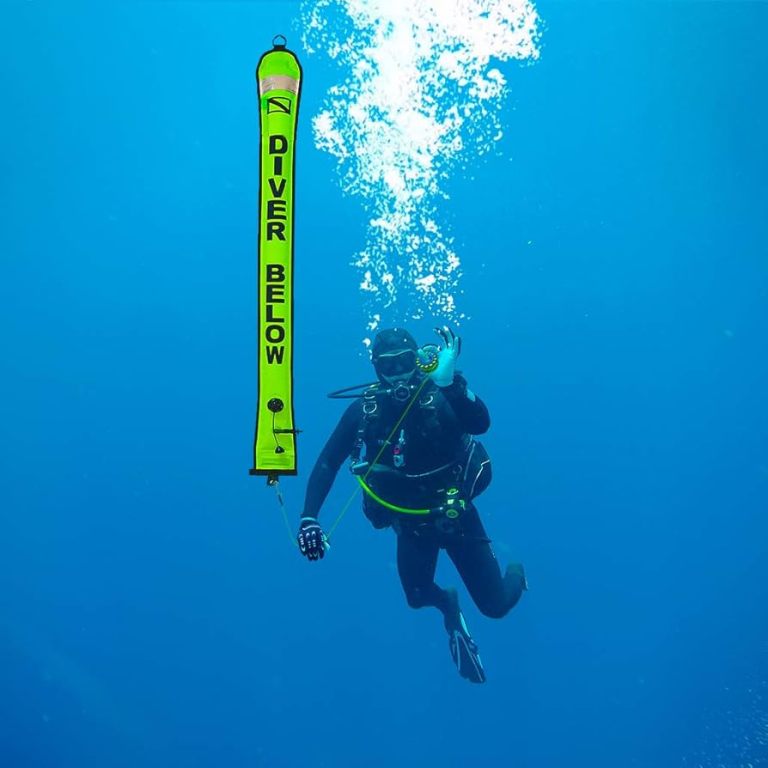
At first glance, a delayed surface marker buoy appears to serve a single purpose: allowing divers to be seen at the surface. In practice, its role is far broader. A correctly deployed dSMB communicates location, intention, and movement to boats, surface teams, and other divers. It transforms an otherwise invisible ascent into a predictable and controlled process.

In environments with boat traffic, currents, or reduced visibility, surfacing without a marker introduces unnecessary risk. Surface crews rely on visual references to track divers during ascent, particularly in drift dives or when decompression stops are conducted away from a fixed ascent line. The dSMB becomes a communication tool — a signal that allows coordination between underwater and surface environments during one of the most vulnerable phases of the dive.

At N9BO℠, this is emphasised from the beginning: a dSMB is not an accessory. It is part of the dive plan, part of communication, and part of risk management.


Why Many Divers Struggle With Deployment

Despite its importance, dSMB deployment is frequently poorly executed. Many divers encounter the skill briefly during advanced courses and then rarely practice it again. The result is predictable: uncontrolled ascents while inflating the buoy, entanglement in reels or spools, loss of buoyancy control, or excessive task loading at depth.

The issue is rarely equipment. It is procedural competence. Effective deployment requires stable buoyancy, controlled breathing, situational awareness, and deliberate movement. When these fundamentals are weak, the task becomes stressful. Stress leads to rushing, and rushing leads to mistakes.

Within N9BO℠ training philosophy, deployment is broken down into repeatable steps. Divers learn to deploy neutrally buoyant, without depth change, and without losing awareness of their environment or team. The objective is not speed, but consistency and control — skills that remain applicable as divers progress toward technical or professional environments.


dSMB Use in Technical and Professional Diving

In technical diving, dSMB deployment is not optional — it is expected. Divers may ascend far from shot lines, conduct decompression in mid-water, or surface at a distance from the entry point. A stable surface marker allows support crews to anticipate diver position and respond quickly if required.

The same applies in professional and public safety operations. Operational divers depend on clear signalling to manage vessel movement, maintain safety zones, and coordinate recovery procedures. In these environments, poor deployment reduces safety margins for the entire operation.

Because N9BO℠ operates across recreational, technical, and public safety diving domains, the skill is taught with scalability in mind. The same disciplined procedure applies whether on a recreational drift dive in Thailand or during structured operational diving scenarios.

A scuba diver in full kit, including a bright orange marker buoy, floats on the surface of deep blue water with colourful fins partly visible above the water.

Buoyancy, Task Loading, and Control

One of the most valuable aspects of dSMB training is its effect on overall diving performance. Deployment immediately exposes weaknesses in buoyancy, trim, and breathing control. A diver who struggles to maintain depth while managing a spool quickly understands where improvement is needed.

For instructors, the exercise becomes a diagnostic tool. When taught correctly, it reinforces slow, deliberate movement and reinforces the idea that safety underwater comes from stability rather than speed. Divers learn to manage workload without rushing — an essential skill as dives become more complex.

At N9BO℠, this approach reflects a broader philosophy: training beyond minimum standards. The goal is not to demonstrate deployment once, but to ensure it can be executed reliably under stress, current, or reduced visibility.


A Safety Skill That Should Never Be Optional

A significant number of diving incidents occur during ascent or at the surface — separation from boats, surfacing in traffic lanes, or drifting away from support. The dSMB directly mitigates these risks, yet it is often treated as optional equipment rather than a core safety system.

Professional divers approach it differently. The buoy is prepared before the dive, deployment is part of the ascent strategy, and execution is consistent regardless of conditions. There is no improvisation when workload and fatigue are highest.

A dedicated dSMB specialty reinforces this mindset. It teaches that small procedural disciplines prevent larger problems and that simple tools, used correctly, dramatically increase safety margins.

Ultimately, the delayed surface marker buoy represents more than equipment. It reflects planning, communication, and responsibility — values that define the training philosophy at N9BO℠ and underpin safe, professional diving.

Underwater view looking up at the surface, showing a bright orange safety sausage floating vertically in clear blue water with sunlight shining through.

Improve Your Surface Safety and Deployment Skills

Proper dSMB deployment is a fundamental safety skill for recreational, technical, and professional divers alike. Contact N9BO℠ to learn more about structured dSMB specialty training.


From the N9BO℠ Knowledge Base


Share this

What Is a DAN Diving Medical Technician (DMT) — and why this role matters

Diving Medicine Lives in the Grey Zone

Most dive injuries do not occur neatly within the scope of basic first aid or emergency medical services.

They exist in a grey zone—where symptoms are subtle, delayed, or environment-specific. The DAN Diving Medical Technician (DMT) is trained specifically to operate in this space.


What a DMT Is — and Is Not

A DMT is not a doctor, and not a substitute for emergency medical services.

Instead, the DMT is trained to:

  • Recognise diving-related injuries early
  • Differentiate between medical and diving-specific causes
  • Initiate appropriate oxygen and first-line care
  • Communicate effectively with DAN and hyperbaric facilities

This role is about early recognition and correct escalation.


Why Diving Physiology Changes Medical Response

Diving injuries involve unique factors:

  • Inert gas loading
  • Pressure-related effects
  • Thermal stress
  • Dehydration and exertion

Standard medical training does not always address these. DMT education integrates diving physiology into clinical decision-making.

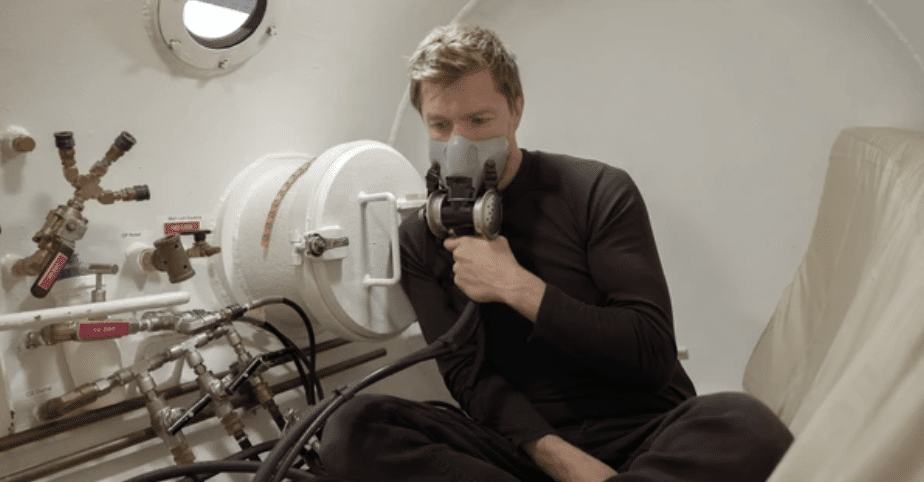
A person sits inside a white chamber wearing a black outfit and a breathing mask connected to tubes and valves, suggesting they are undergoing a medical or scientific procedure.

Instructor Perspective: Recognising the Early Signs

Instructors are often the first to notice something is wrong—but may not immediately recognise what it is.

At N9BO℠, DMT training emphasises recognising subtle indicators of DCS, AGE, or immersion-related illness before they escalate.


Oxygen Is a Medical Intervention, Not Just Equipment

Administering oxygen correctly requires medical understanding.

DMT training covers:

  • Indications and contraindications
  • Flow rates and delivery systems
  • Monitoring response

This transforms oxygen from a “safety accessory” into a controlled treatment.


DMTs Improve Emergency Handover

Poor handovers delay treatment.

A trained DMT can provide accurate, relevant information to DAN, EMS, or hyperbaric staff—saving time when it matters most. Professional medical communication is a core part of the role.


Value in Remote and Expeditionary Diving

In remote environments, delays are inevitable.

DMTs provide an additional safety buffer by stabilising patients and guiding evacuation decisions. Expedition and technical operations benefit significantly from onboard DMT capability.

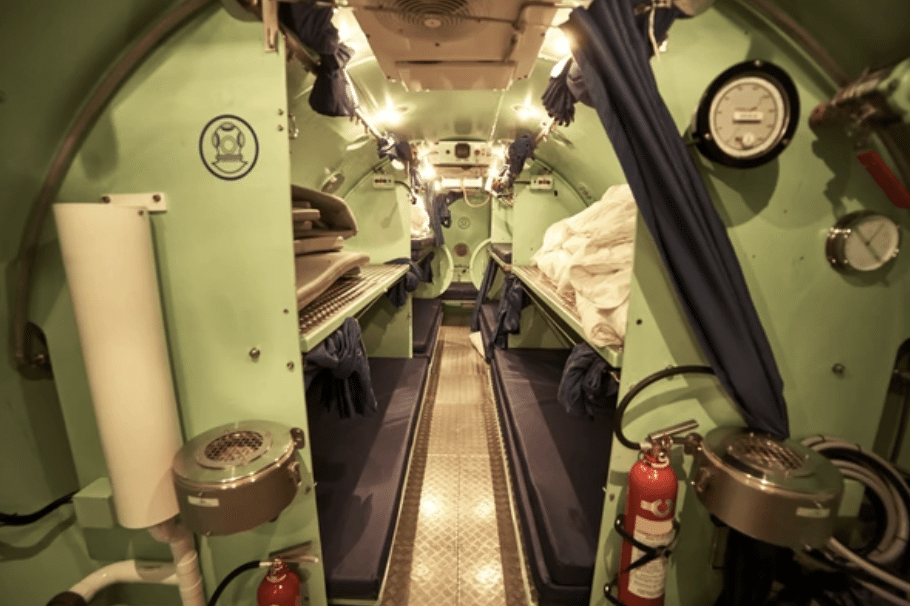
The interior of a narrow, green-walled submarine or underwater chamber with bunk beds on each side, fire extinguishers, dials, and safety equipment, all under bright overhead lighting.

DMTs Support Dive Operations Proactively

Beyond emergencies, DMTs contribute by:

  • Advising on hydration and workload
  • Monitoring post-dive symptoms
  • Supporting incident prevention

This proactive role improves overall safety culture.


Professional Parallels

In offshore, aviation, and expedition medicine, trained medical technicians bridge the gap between first aid and doctors.

DMTs fulfil the same function in diving operations.


The Bottom Line

The DAN Diving Medical Technician is a force multiplier for dive safety.

By combining medical training with diving-specific knowledge, DMTs improve outcomes, reduce escalation, and support informed decision-making.

At N9BO℠, DMT training is positioned as a critical component of professional dive leadership.

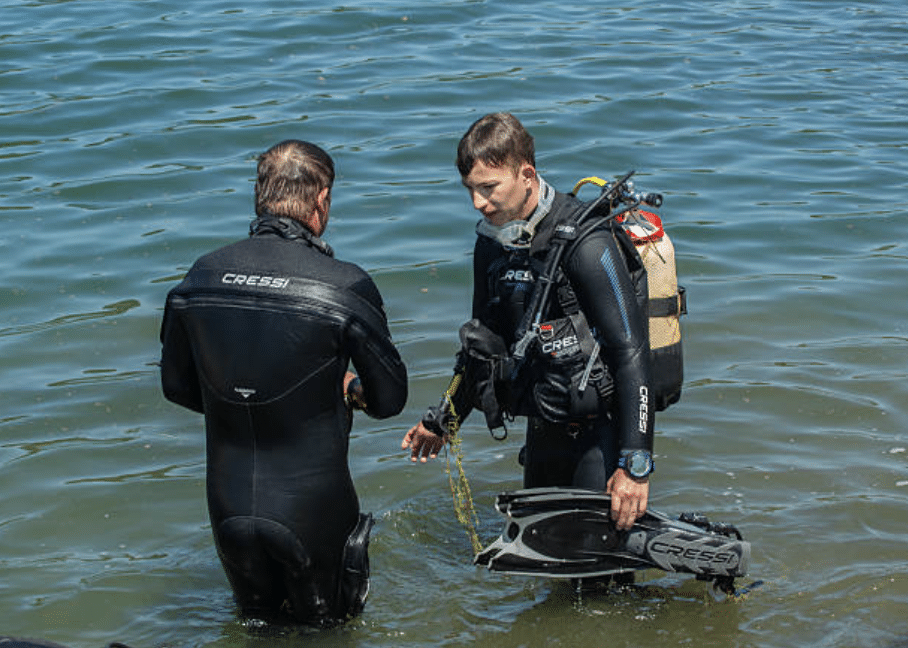
Two scuba divers in wetsuits stand in shallow water, one holding flippers and scuba gear. They appear to be talking or preparing for a dive. The water around them is calm and blue.

Interested in Diving Medical Training?

Medical preparedness is a critical layer of diving safety. Contact us to discuss DAN-based medical training and emergency response programmes.


From the N9BO℠ Knowledge Base


Share this

PADI Diving Emergency Medical Responder (DEMR): Training for When Diving Goes Wrong

Diving Emergencies Rarely End Underwater

While incidents may begin underwater, their outcomes are often determined on the surface.

Confusion, poor communication, and uncoordinated responses frequently cause more harm than the original problem. The PADI Diving Emergency Medical Responder specialty exists to bring order to these critical moments.


What the DEMR Specialty Actually Teaches

DEMR is not a rescue course and not a medical programme.

It focuses on:

  • Scene management
  • Role assignment and leadership
  • Communication with emergency services
  • Resource coordination
  • Crowd and bystander control

These skills are rarely covered in depth elsewhere.


Why Good Divers Still Struggle in Emergencies

Technical skill does not automatically translate to emergency leadership.

Instructors and dive leaders often find themselves overwhelmed by simultaneous demands: patient care, logistics, communication, and emotional pressure. DEMR training provides structure where instinct alone is insufficient.


Instructor Perspective: From Responder to Coordinator

Instructors are often the most experienced people on scene—but experience does not equal command presence.

At N9BO℠, DEMR training emphasises the transition from “doing” to directing, ensuring leaders can delegate effectively under stress.

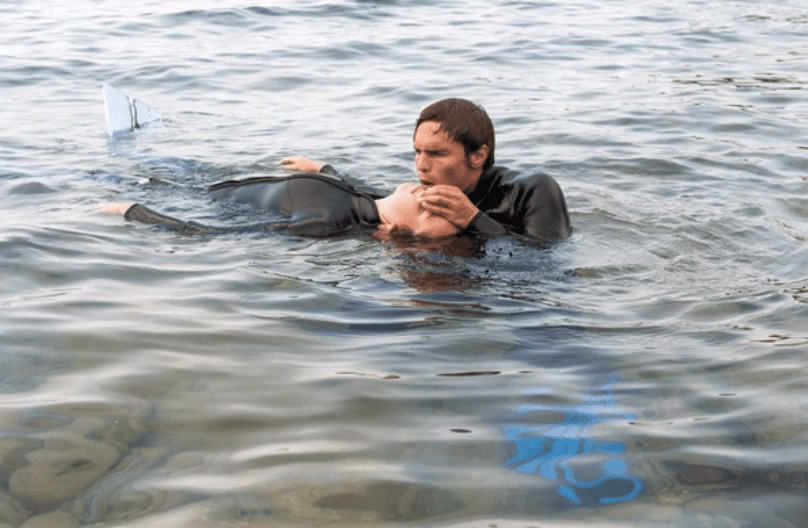
A person in a wetsuit gives mouth-to-mouth resuscitation to another person floating on their back in the water, both partially submerged, with a snorkel and flippers visible.

Preventing the Cascade of Secondary Failures

Many incidents escalate due to:

  • Conflicting instructions
  • Poor handover to EMS
  • Missing equipment
  • Delayed evacuation

DEMR teaches divers to manage the whole system—not just the casualty.


Emergency Management Is a Force Multiplier

A single trained coordinator can dramatically improve outcomes by:

  • Assigning clear roles
  • Managing time and priorities
  • Maintaining situational awareness

Professional emergency management training turns chaos into controlled response.


DEMR for Instructors and Base Leaders

For instructors, DEMR provides authority and clarity.

For managers and base leaders, it integrates directly into emergency action plans and drills. Professional operations benefit immediately from DEMR-trained staff.

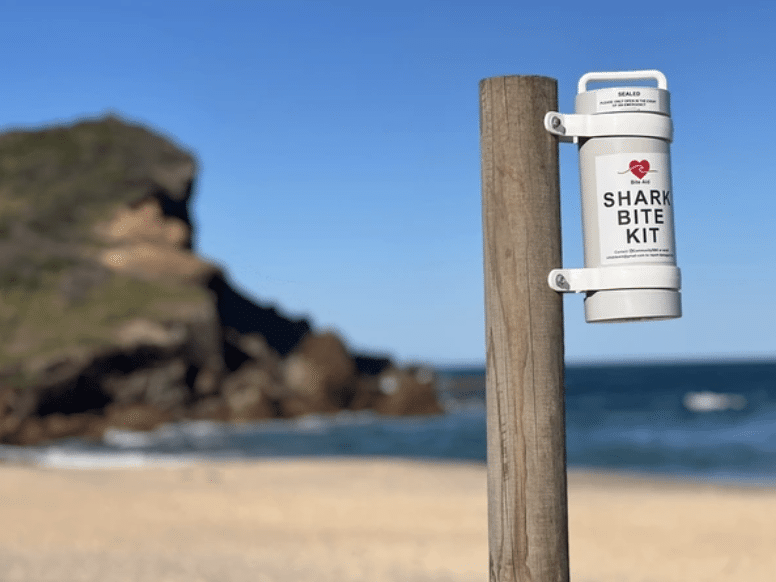
A white Shark Bite Kit is mounted on a wooden post at a beach, with sand, ocean waves, and a rocky outcrop visible in the background under a clear blue sky.

Emotional Control Under Pressure

Emergencies trigger panic in bystanders and staff alike.

DEMR training addresses emotional dynamics, teaching leaders how to project calm and maintain control when others cannot.


Professional Parallels

Fire, EMS, and SAR organisations invest heavily in incident command training.

DEMR brings those principles into diving—where they are often missing.


The Bottom Line

Diving emergencies are leadership challenges before they are technical problems.

The PADI Diving Emergency Medical Responder specialty equips professionals to manage incidents decisively, calmly, and effectively—when structure matters most.

At N9BO℠, DEMR training is treated as essential leadership education.

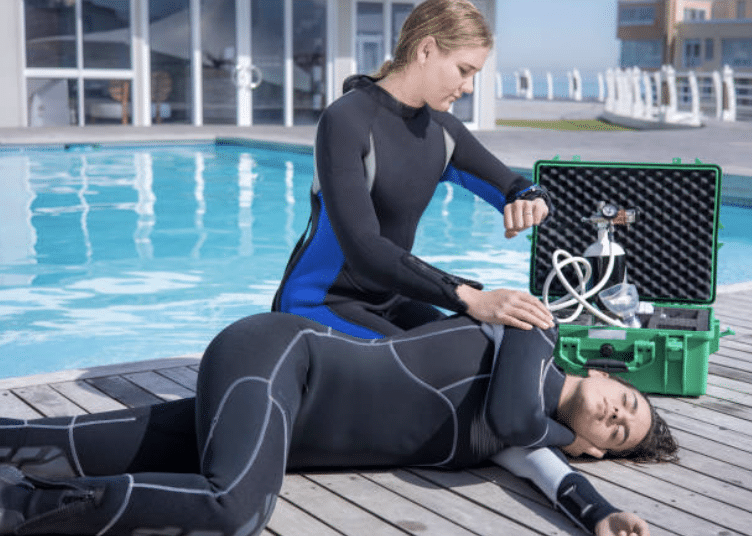
A woman in a wetsuit checks the pulse of an unconscious person in a wetsuit beside a pool, with medical equipment in a green case nearby.

Want to Improve Emergency Preparedness in Diving?

Emergency management training prepares divers and professionals to respond effectively when incidents occur. Contact us to learn more about DEMR and emergency response training options.


From the N9BO℠ Knowledge Base


Share this

Team Diving Is a Skill: Why Being “With Others” Is Not the Same as Working as a Team

Proximity Does Not Equal Teamwork

Many divers believe they are “diving as a team” simply because others are nearby.

In reality, without defined roles, communication protocols, and shared expectations, divers operate independently. Professional technical diving training treats team function as a deliberate system—not an assumption.


What Defines a Real Dive Team

A true team shares:

  • Clear roles and responsibilities
  • Agreed procedures
  • Common situational awareness
  • Mutual accountability

These elements must be trained. Advanced technical diving progression formalises team behaviour explicitly.


The Danger of Assumed Support

Divers often assume teammates will notice problems and intervene.

This assumption is unreliable. Without training, attention is fragmented. Technical diving training eliminates vague expectations and replaces them with explicit responsibility.


Communication Is the Backbone of Team Diving

Team diving fails when communication is unclear, inconsistent, or absent.

Professional teams use standardised signals, pre-briefed contingencies, and disciplined check-ins. Advanced technical diving progression treats communication as a safety-critical skill.

A scuba diver helps another diver stand up in shallow water near the shore. Both are wearing wetsuits and scuba gear, with the sea and gentle waves in the background.

Instructor Perspective: Teaching Predictability

Instructors frequently see divers working at cross-purposes underwater.

At N9BO℠, instructors emphasise predictability—steady movement, clear signals, and deliberate pacing—so teammates can anticipate actions.


Role Clarity Reduces Task Load

When roles are undefined, everyone does everything—and no one does it well.

Professional training assigns roles clearly, reducing confusion and cognitive load. Technical diving training uses role clarity to stabilise teams.


Team Awareness Extends Beyond Yourself

Team divers monitor:

  • Position
  • Body language
  • Breathing rate
  • Speed and posture

This awareness is learned. Advanced technical diving progression integrates team scanning into all exercises.

Two scuba divers in full kit, including masks and cylinders, are underwater in clear blue water. One diver holds an underwater camera. Both appear to be exploring near a rock face.

Team Failure Modes Are Predictable

Common team failures include:

  • Silent separation
  • Task fixation by one diver
  • Conflicting priorities
  • Unchallenged deviations

Professional training anticipates and mitigates these patterns. Technical diving training addresses them proactively.


Trust Is Built Through Training, Not Familiarity

Familiarity breeds comfort—but not reliability.

Trust in teams comes from knowing how others will respond under stress. Advanced technical diving progression builds trust through repeated verification.


Professional Parallels

In aviation and emergency response, teams train together extensively.

Diving follows the same model. Teams are built—not improvised.


The Bottom Line

Being close to others does not make you a team.

Teamwork must be trained.

In professional diving, safety emerges from predictable, disciplined team behaviour—not assumptions or proximity.

At N9BO℠, team diving is taught as a core operational skill.

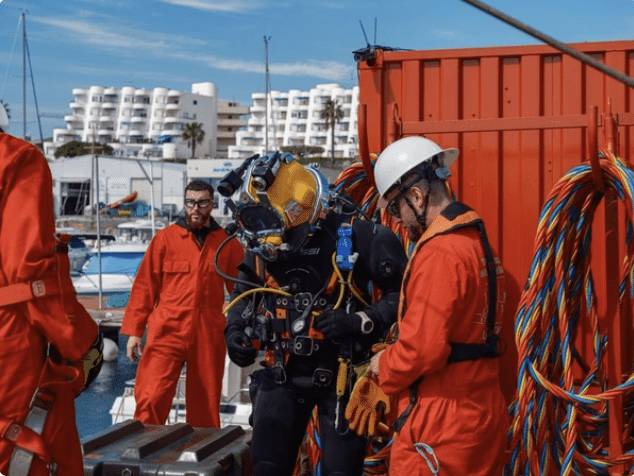
Four workers in orange overalls, two with white helmets, assist a person in a black diving suit and helmet near bright coiled cables at a quay with white buildings and boats in the background.

Want to Improve Team Diving Skills?

Effective team diving requires structure, communication, and shared procedures. Contact us to discuss training that builds real team capability underwater.


From the N9BO℠ Knowledge Base


Share this

Professional Discipline: What Separates Career Divers From Occasional Experts

Experience Alone Does Not Create Professionals

Many divers accumulate thousands of dives, advanced equipment, and complex certifications.

Yet professionalism is not measured by numbers. Professional diving training identifies discipline—not experience volume—as the defining factor of reliable performance.


What Professional Discipline Really Means

Professional discipline is the ability to:

  • Apply the same standards on every dive
  • Resist shortcuts under pressure
  • Maintain margins even when comfortable
  • Self-correct without external enforcement

These traits are trained deliberately. Advanced technical diving progression embeds discipline into routine behaviour.


Occasional Experts vs Career Professionals

Occasional experts perform well when motivated, rested, and inspired.

Career professionals perform well regardless of mood, conditions, or fatigue. Professional training focuses on consistency over peak performance.


Discipline Is Built Through Repetition

Discipline is not willpower—it is habit.

Checklists, standard operating procedures, and structured debriefs create automatic behaviour. Technical diving training transforms discipline into muscle memory.

A diver in a full-face helmet and wetsuit stands on a boat, preparing to enter the water. Another person is bent over nearby, and coiled ropes are visible in the background, with a lake and trees in the distance.

Instructor Perspective: Seeing the Difference

Instructors quickly recognise professional discipline:

  • Calm preparation
  • Conservative decisions
  • Clean execution
  • Unemotional aborts

At N9BO℠, instructor candidates are evaluated on discipline as much as technical skill.


Discipline Under Boredom and Routine

Routine is dangerous. Repetition dulls attention.

Professional discipline resists complacency. Advanced technical diving progression teaches divers to remain engaged even during familiar dives.


Discipline and Personal Accountability

Professionals hold themselves accountable without supervision.

They self-audit, review decisions, and correct drift early. Professional training reinforces internal accountability rather than external policing.


Discipline Protects Longevity

Most diving careers end due to accumulated small compromises—not single catastrophic events.

Professional discipline preserves health, capability, and opportunity. Technical diving training supports long-term operational sustainability.

A close-up of a scuba diving harness with two white air cylinders, a regulator, and black straps, lying on the back of a lorry or vehicle. A blue cool box is visible in the background.

Discipline Is Quiet

Professionals do not advertise discipline—it is visible in behaviour.

Clean setups, conservative plans, and early aborts signal maturity. Advanced technical diving progression values quiet competence.


Professional Parallels

In aviation, medicine, and emergency services, discipline—not heroics—defines professionalism.

Diving follows the same rule. Reliability matters more than flair.


The Bottom Line

Professionals are not defined by what they can do.

They are defined by what they consistently choose to do.

In technical diving, professional discipline separates those who last from those who burn out.

At N9BO℠, discipline is the foundation of a career.

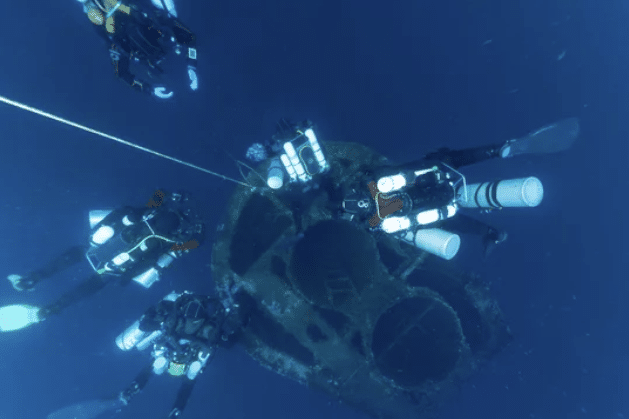
Four scuba divers with underwater gear explore a sunken shipwreck deep underwater, with the vessel's round, rusted structure visible below them.

Looking to Move From Enthusiast to Professional?

Professional diving is built on discipline, consistency, and standards-driven training. Contact us to discuss pathways toward professional-level diving competence.


From the N9BO℠ Knowledge Base


Share this

Abort Is Not Failure: Why Professional Divers Turn Dives Early

The Emotional Weight of Aborting

Divers invest time, effort, travel, and expectation into every dive. When something begins to drift, the urge to “salvage the dive” becomes powerful.

This emotional investment is dangerous. Professional technical diving training teaches divers to separate ego and effort from safety decisions.


Abort Decisions Happen Early — or Too Late

Most safe aborts occur early, when:

  • Conditions begin to change
  • Minor equipment issues appear
  • Team alignment degrades

Late aborts are often forced by cascading failures. Advanced technical diving progression trains divers to abort while options remain.


The Sunk-Cost Trap Underwater

The sunk-cost fallacy convinces divers to continue because they have “already come this far.”

This logic ignores future risk. Technical diving training treats sunk-cost thinking as a recognised cognitive hazard.


Aborting Preserves Margins

Margins exist to absorb uncertainty—not to be consumed casually.

Aborting early preserves gas, time, thermal reserve, and decision clarity. Advanced technical diving progression frames aborts as margin protection.

A person in a wetsuit sits on the edge of a boat, fastening the front of the suit, with the sea and blue sky in the background. Another person, also in a wetsuit, is partially visible on the left.

Instructor Perspective: Normalising the Abort

Instructors often see students reluctant to abort—even during training.

At N9BO℠, instructors reward early abort decisions and debrief them as successful outcomes, not disappointments.


Abort Criteria Must Be Predefined

Professional divers do not improvise abort decisions.

Abort triggers are defined during planning to eliminate hesitation. Technical diving training emphasises pre-commitment.


Team Abort Dynamics

Aborts can feel socially uncomfortable—especially if initiated by one diver.

Professional teams treat abort calls as neutral information. Advanced technical diving progression trains teams to support, not question, conservative calls.


Aborting Reduces Stress

Once the decision to abort is made, stress often drops dramatically.

Uncertainty is replaced with clarity. Professional training teaches divers to recognise this relief as confirmation of good judgement.

A diver in a red suit and heavy helmet adjusts their gear whilst sitting on a boat deck. Equipment and safety gear are visible, with the sea and part of the vessel in the background.

The Myth of the “Wasted Dive”

A dive aborted early is not wasted.

Data gathered, conditions assessed, and limits respected all contribute to learning. Technical diving training values disciplined restraint as experience.


Professional Parallels

In aviation and mountaineering, early aborts are signs of professionalism—not failure.

Technical diving reflects the same philosophy. Survival favours restraint.


The Bottom Line

Aborting does not mean you failed.

It means you noticed something in time.

In professional diving, the best dives are often the ones that end early. Safety lives in the decision to stop before being forced.

At N9BO℠, aborting is trained as a strength.

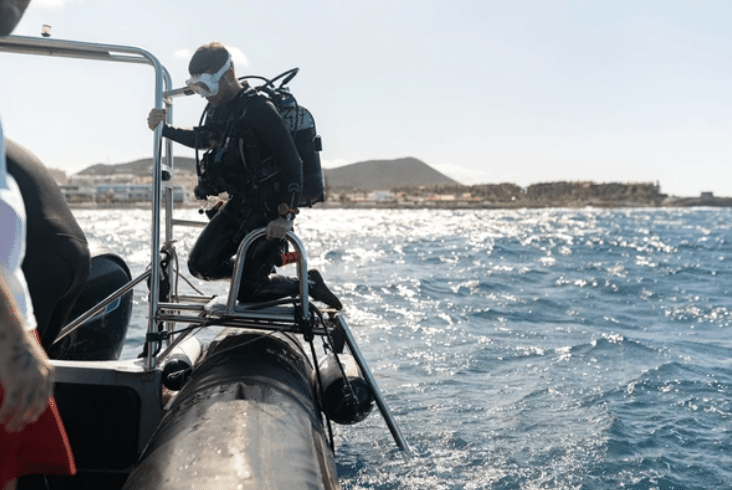
A scuba diver wearing full kit prepares to enter the water from the side of a boat, with a coastal landscape and blue, choppy sea in the background.

Unsure When to Call a Dive?

Knowing when to stop is a professional skill, not a weakness. Contact us to discuss training that builds sound judgment and safe decision-making underwater.


From the N9BO℠ Knowledge Base


Share this

From Recreational to Operational: When Diving Becomes a Mission

Recreational Diving Is Experience-Driven

Recreational diving is built around enjoyment, exploration, and personal comfort. Objectives are flexible, and dives can be shortened or aborted with minimal consequence.

This freedom disappears once diving becomes operational. Professional diving training reframes the dive as a task, not an experience.


What Defines Operational Diving

Operational diving introduces:

  • Fixed objectives
  • External accountability
  • Time and resource constraints
  • Defined success and failure criteria

These factors fundamentally change decision-making. Public safety and technical diving training prepares divers to operate within this structure.


Mission Focus Increases Risk Exposure

When a mission exists—recovery, inspection, rescue, survey—divers may feel pressure to “get it done.”

Professional training teaches that mission success is meaningless if safety is compromised. Advanced technical and ERDI training places abort authority above task completion.


Planning Becomes Central

Operational dives succeed or fail before anyone enters the water.

Gas planning, role assignment, contingencies, and environmental assessment are mandatory. Professional diving education treats planning as an operational skill.

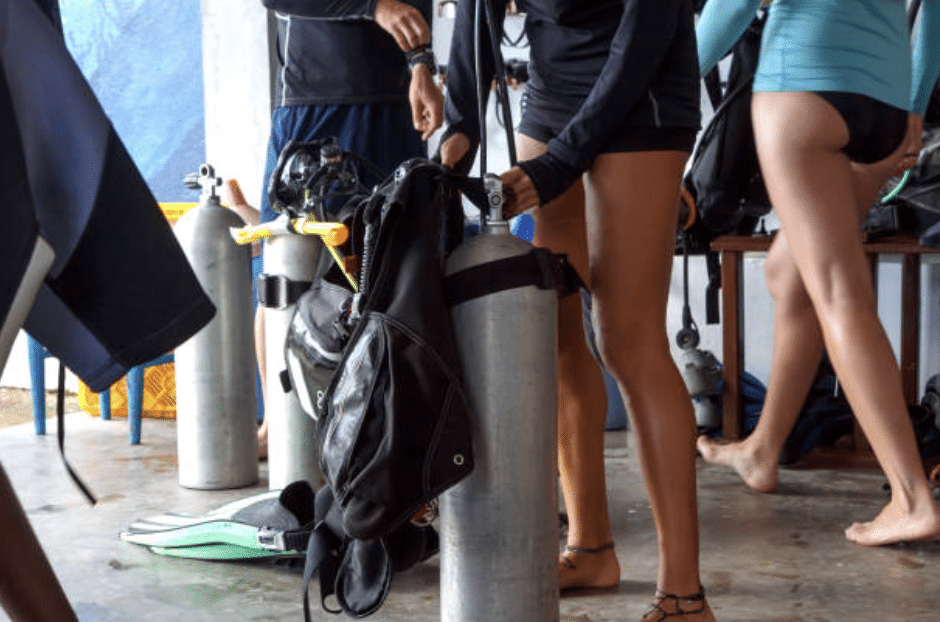
Several people in wetsuits stand barefoot indoors, preparing scuba diving kit. Scuba cylinders, fins, and bags are visible on the floor as they organise equipment. Only their legs and lower bodies are visible.

Equipment Shifts From Comfort to Function

Operational equipment prioritises reliability, redundancy, and task integration.

Comfort becomes secondary. Technical and public safety diving training teaches divers to configure equipment to serve the mission safely.


Instructor Perspective: Resetting Expectations

Instructors often see recreational divers struggle with mission discipline.

At N9BO℠, instructors explicitly retrain expectations—dives are no longer about “seeing more,” but about doing exactly what was planned.


Communication Is No Longer Casual

Operational diving requires clear, standardised communication.

Hand signals, slates, and briefings replace informal gestures. Professional training treats communication as a control measure.


Stress and Accountability

Operational divers work under scrutiny—by teams, agencies, or organisations.

Training prepares divers to manage this pressure without rushing decisions. Advanced technical and ERDI programmes condition calm under accountability.

A scuba diver wearing a wetsuit, mask, and fins swims underwater surrounded by bubbles, holding equipment in one hand. The water appears deep blue, indicating a deep-sea environment.

Team Dynamics Change

In operational diving, individual preference yields to team function.

Roles are fixed, and improvisation is limited. Professional diving training emphasises discipline and mutual accountability.


Professional Parallels

In aviation and emergency response, missions follow procedures regardless of individual comfort.

Operational diving follows the same rule. Systems replace spontaneity.


The Bottom Line

Recreational diving is about experience.

Operational diving is about responsibility.

The transition requires retraining mindset, discipline, and judgment. When dives become missions, professionalism becomes non-negotiable.

At N9BO℠, divers are trained for operational reality.

A person wearing a yellow deep-sea diving helmet and suit stands outdoors near a fence, with water and a distant shoreline visible in the background.

Moving Toward Operational Diving?

Operational diving demands a different mindset, preparation level, and training structure. Contact us to discuss pathways into professional and public safety diving.


From the N9BO℠ Knowledge Base


Share this

Solo Diving: Independence, Discipline, and the Absence of Backup

Solo Diving Is Not “Just Diving Alone”

Solo diving is often misunderstood as simply removing a buddy. In reality, it fundamentally changes risk management, decision-making, and equipment philosophy.

Without a teammate, every error has fewer recovery options. Professional technical diving training treats solo diving as a distinct operational mode—not an extension of recreational practice.


Independence Increases Responsibility, Not Freedom

Solo divers must replace team redundancy with personal systems.

This includes:

  • True equipment redundancy
  • Conservative gas planning
  • Strict abort criteria
  • Continuous situational awareness

Advanced solo diving training reframes independence as obligation, not liberty.


Redundancy Becomes Personal

In team diving, redundancy is shared. In solo diving, it must be carried, maintained, and deployed by one person—under stress.

Equipment that is “good enough” in teams often fails solo standards. Technical diving training enforces uncompromising redundancy for solo operations.


Decision-Making Without Consensus

Solo divers cannot rely on teammates to validate decisions.

This increases the risk of cognitive bias and tunnel vision. Advanced solo training teaches deliberate pauses, structured self-checks, and conservative judgment.

A scuba diver swims underwater alongside a dolphin in clear blue water, with sunlight filtering from above. The diver is wearing full scuba kit and the dolphin swims just behind them.

The Myth of the “Confident Solo Diver”

Confidence is irrelevant if systems fail.

Professional solo divers prioritise caution, margin, and early aborts. Technical diving training treats ego as a hazard in solo contexts.


Instructor Perspective: Teaching Restraint

Instructors often see solo candidates underestimate workload and overestimate tolerance.

At N9BO℠, solo training emphasises restraint—shorter dives, simpler objectives, and conservative environments.


Solo Diving and Stress Management

Stress hits harder alone. There is no visual reassurance from teammates.

Professional training conditions solo divers to manage stress through breathing, pacing, and strict procedural discipline. Advanced technical diving progression ensures stress responses remain controlled.


Environment Selection Matters

Not all environments are appropriate for solo diving.

Visibility, entanglement risk, depth, and overheads must be evaluated conservatively. Technical diving training teaches environment filtering as a primary safety step.

A scuba diver swims underwater surrounded by small fish and clear blue water, with sunlight filtering through the surface above and a sandy sea floor below.

Solo Diving Is Not a Shortcut

Some divers choose solo diving to avoid coordination or compromise.

Professional training reframes solo diving as more demanding, not less. Advanced solo diving progression requires higher—not lower—standards.


Professional Parallels

In aviation and remote operations, solo work is allowed only with strict systems and conservative limits.

Diving mirrors this reality. Solo capability must be earned.


The Bottom Line

Solo diving removes the margin of error created by others.

What remains must be deliberate, redundant, and disciplined.

In professional diving, solo capability is not about confidence—it is about preparation and restraint.

At N9BO℠, solo diving is trained as a serious professional discipline.

A scuba diver swims underwater above a large sea turtle resting on a rocky, algae-covered seabed, surrounded by clear blue water.

Considering Solo Diving Training?

Solo diving requires discipline, preparation, and honest self-assessment. Contact us to discuss whether independent diving training is appropriate for your experience level.


From the N9BO℠ Knowledge Base


Share this
Facebook
Instagram
X (Twitter)
TikTok
Youtube
Whatsapp