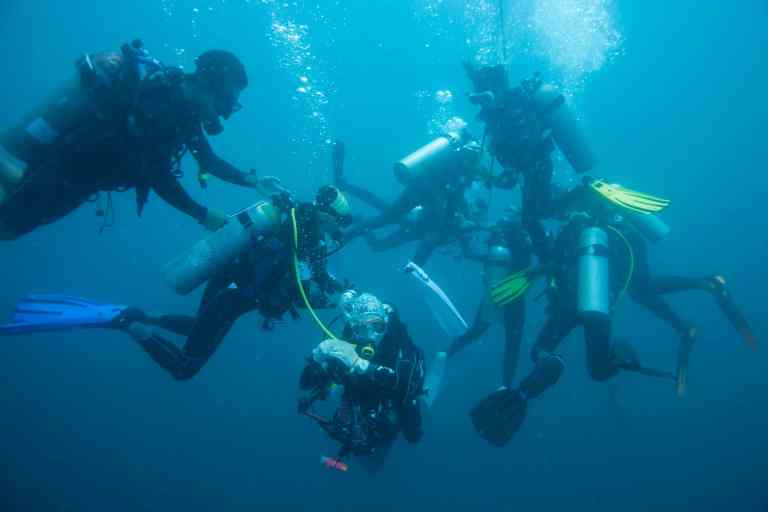
Task Loading Is Rarely Obvious
Task loading does not usually arrive as a single overwhelming demand. Instead, it accumulates quietly—navigation, buoyancy, communication, equipment management, environmental awareness—each manageable alone.
Together, they stretch cognitive limits. Technical diving training treats task loading as a primary risk factor, not a secondary concern.
Why Divers Underestimate Task Load
Divers often assess tasks individually rather than collectively. Each added responsibility feels minor.
This “just one more thing” mindset ignores how tasks interact. Advanced technical diving progression teaches divers to evaluate total task load, not individual actions.
The Tipping Point
There is a threshold where additional tasks cause sudden performance degradation. Awareness narrows, sequencing fails, and errors multiply.
Divers often cross this threshold without realising it. Technical diving training focuses on recognising early signs of overload—before collapse.
Task Loading and Stress Amplification
Task loading increases stress, which further reduces cognitive capacity. This creates a feedback loop where performance declines rapidly.
Advanced technical diving progression teaches divers to reduce task load proactively when stress rises.

Why Familiar Tasks Still Contribute
Even well-practised tasks consume attention. Familiarity reduces perceived effort—but not cognitive demand.
This is why experienced divers still overload themselves. Technical diving training emphasises honest self-assessment rather than assumptions.
Instructor Perspective: Watching the Load Accumulate
Instructors often see students managing tasks well—until one more variable is introduced.
At N9BO℠, instructors add complexity gradually, teaching candidates to recognise when they are approaching capacity and to act early.
Task Shedding as a Safety Skill
Professional divers are trained to shed tasks deliberately:
- Pause navigation
- Simplify objectives
- Reduce movement
- Communicate status
Advanced technical diving progression treats task shedding as a sign of maturity—not failure.

Team Task Distribution
Teams can share task load—but only if roles are defined clearly.
Unclear roles increase load for everyone. Technical diving training teaches explicit task assignment to stabilise team performance.
Technology and Task Inflation
Technology often adds tasks rather than reducing them. Monitoring multiple devices increases attention demands.
Professional training teaches divers to configure equipment to minimise unnecessary inputs. Advanced technical diving progression emphasises simplicity.
Professional Parallels
In aviation and emergency response, task saturation is recognised as a leading cause of error.
Technical diving reflects this reality. Managing workload is as important as technical skill.
The Bottom Line
No single task causes overload.
Accumulation does.
In technical diving, the safest divers are those who recognise task loading early and reduce demands before performance collapses.
At N9BO℠, workload management is trained deliberately.
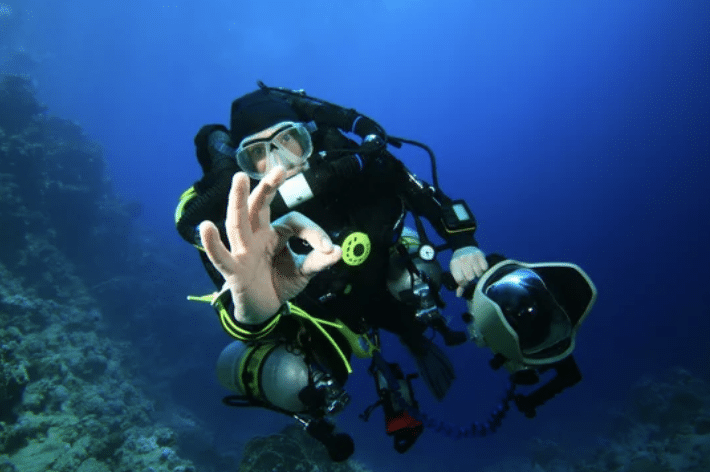
Adding Tasks to Your Dive Plan?
Small additional tasks can quickly exceed mental capacity underwater. Contact us to discuss managing workload and maintaining safety margins in complex dives.
From the N9BO℠ Knowledge Base