Professional Diving & Safety Culture

Passion vs Professionalism: Why Loving Diving Is Not Enough

Passion Is the Entry Point, Not the Destination

Most divers begin because they love the ocean, the feeling of weightlessness, or the sense of exploration. Passion is powerful—it motivates learning and commitment.

But passion alone does not manage risk. Technical diving training exists to channel enthusiasm into disciplined performance.


When Passion Becomes a Liability

Passionate divers may:

  • Push limits “just this once”
  • Accept shortcuts to keep things fun
  • Normalise discomfort or risk
  • Resist conservative decisions

These behaviours rarely feel reckless—they feel justified by experience and enthusiasm. Advanced technical diving progression addresses this cognitive trap directly.


Professionalism Is About Consistency

Professionalism means performing to the same standard regardless of mood, excitement, or external pressure.

Professional divers follow procedures even when nobody is watching. Technical diving training defines professionalism as consistency under all conditions.


Passion and Boundary Drift

Passion encourages exploration. Without structure, exploration erodes boundaries.

Professional training establishes clear limits and abort criteria that protect divers from passion-driven overreach. Advanced technical diving progression reinforces discipline as freedom—not restriction.

Three scuba divers in wetsuits and masks explore underwater near a coral reef. Sunlight filters through the water above, and the divers are surrounded by blue ocean and vibrant marine life.

Instructor Perspective: Passionate Students Need Structure

Instructors often encounter highly motivated students who want to progress quickly.

At N9BO℠, instructors slow passionate candidates down deliberately, ensuring skill depth and judgement develop alongside enthusiasm.


Professionalism Enables Longevity

Most long-term diving careers end not because of lack of passion—but because of accumulated risk and injury.

Professional discipline preserves health, capability, and opportunity. Technical diving training supports longevity through conservative decision-making.


Passion Without Systems Is Fragile

When things go wrong, passion does not provide structure. Systems do.

Checklists, procedures, communication protocols, and contingency plans turn passion into reliability. Advanced technical diving progression teaches divers to rely on systems—not emotion.


Team Effects of Passion-Driven Behaviour

In teams, unrestrained passion increases pressure on others to follow.

Professional teams protect members from unnecessary risk. Technical diving training treats self-restraint as respect for teammates.
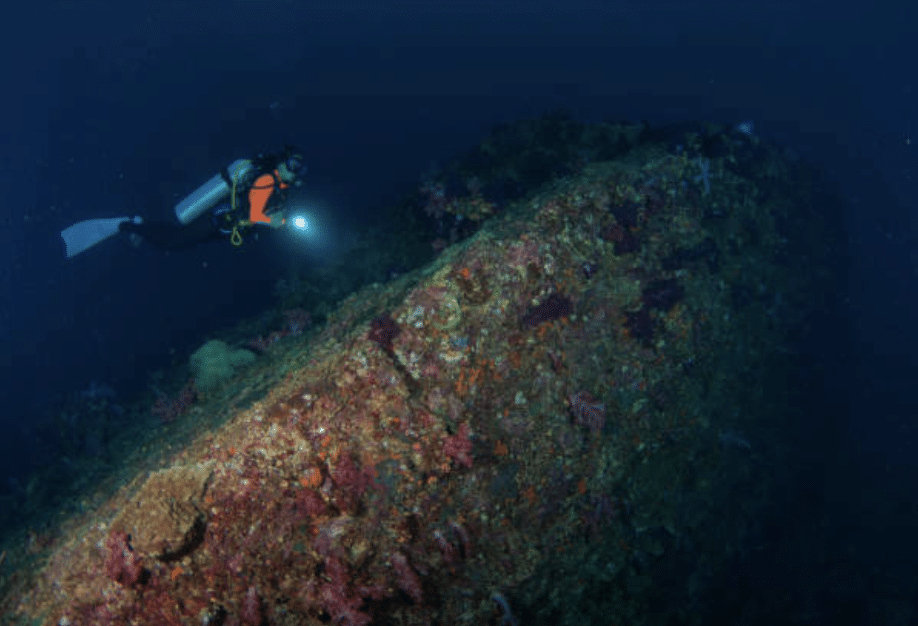
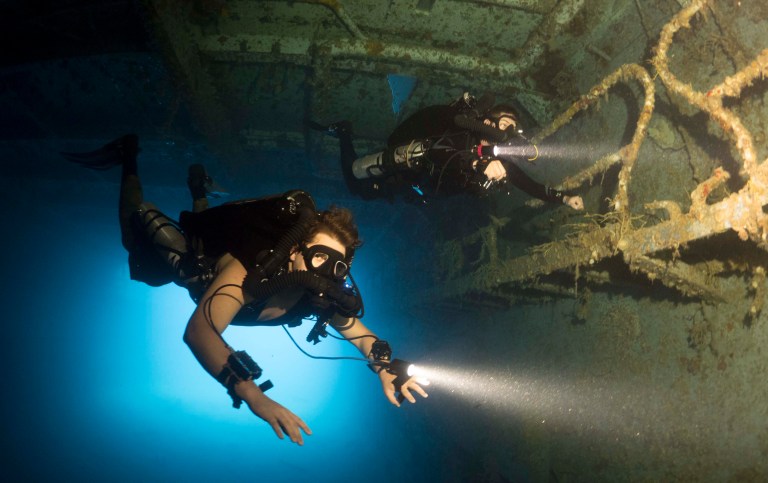
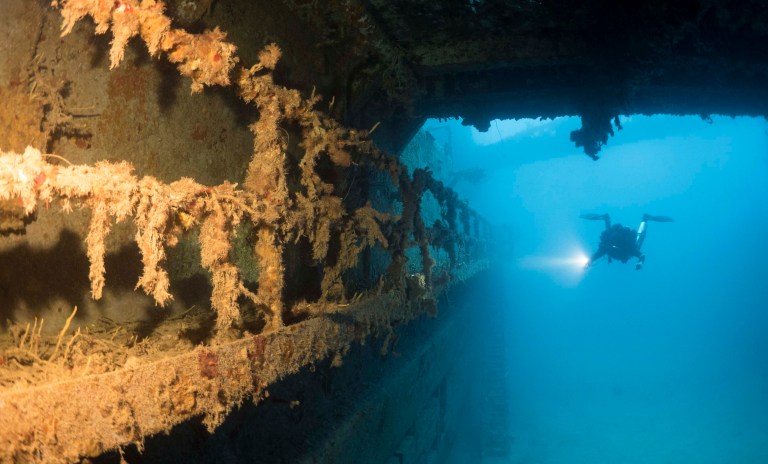
A scuba diver with a torch explores a large, colourful shipwreck covered in marine life on the ocean floor.

Passion Must Be Matched With Accountability

Professional divers accept accountability—for themselves and others.

Training embeds accountability through evaluation, standards, and feedback. Advanced technical diving progression ensures passion never outruns competence.


Professional Parallels

In aviation, emergency response, and medicine, passion motivates entry—but professionalism governs action.

Technical diving follows the same principle. Love for the craft must be disciplined.


The Bottom Line

Passion starts the journey.

Professionalism keeps it alive.

In technical diving, loving what you do is not enough. Safety, consistency, and judgement come from structured training and disciplined practice.

At N9BO℠, passion is refined into professionalism.
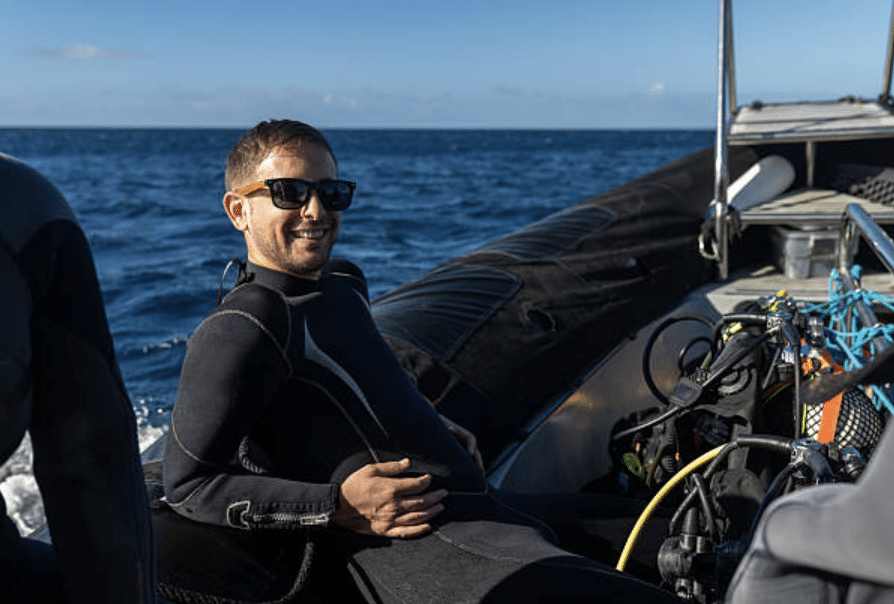
A man in a wetsuit and sunglasses sits on a boat with diving equipment, smiling, with the sea and blue sky in the background.

Turning Passion Into Professional Capability?

Passion starts the journey, but professionalism keeps divers and teams safe. Contact us to discuss training that builds discipline, responsibility, and operational standards.


From the N9BO℠ Knowledge Base


Share this

The Normalisation of Deviance: How Small Rule-Breaks Become Big Accidents

Accidents Begin Long Before the Dive

Most diving accidents are not caused by a single bad decision. They are the result of many small deviations that accumulate unnoticed.

When minor rule-breaking produces no immediate consequences, it becomes normal. Technical diving training treats this drift as one of the most dangerous threats to long-term safety.


What Is Normalisation of Deviance?

Normalisation of deviance occurs when behaviours that violate standards slowly become accepted because “nothing bad happened last time.”

Examples include:

  • Skipping checks
  • Reducing reserves
  • Pushing depth or time slightly
  • Ignoring minor equipment issues

Advanced technical diving progression teaches divers to recognise this pattern early.


Why Humans Are Vulnerable to Drift

Humans adapt to what works. If shortcuts appear safe repeatedly, the brain reclassifies them as acceptable.

This adaptive trait is useful in many contexts—but dangerous in high-risk environments. Technical diving training deliberately resists this psychological drift.

A scuba diver swims near the tail of a sunken aeroplane underwater, with the tail fin covered in barnacles and displaying faded red, blue, and yellow paint. The scene is illuminated in the deep blue water.

Success Is Not Proof of Safety

A dive completed without incident does not validate unsafe behaviour. It only proves that failure did not occur that time.

Professional divers judge actions by process, not outcome. Advanced technical diving progression reinforces that safety is measured by margins, not luck.


Drift Happens Gradually

No one decides to become unsafe. Drift happens incrementally, one small compromise at a time.

Because each step feels insignificant, the overall deviation is invisible. Technical diving training focuses on maintaining hard lines to prevent gradual erosion.


Instructor Perspective: Catching Deviance Early

Instructors often identify normalised deviance by listening to language:

  • “I usually don’t bother with…”
  • “It’s never been a problem before…”

At N9BO℠, these phrases trigger immediate correction—not debate.

A scuba diver in full kit looks out from the window of a colourful, coral-covered shipwreck underwater, with blue ocean and marine life visible in the background.

Team Culture and Deviance

Deviance spreads through teams. When one diver cuts corners, others follow—often unconsciously.

Professional teams hold each other accountable. Technical diving training teaches respectful challenge as a safety skill.


When Deviance Meets Stress

Under stress, reduced margins disappear quickly. Practices that “worked fine” in calm conditions fail catastrophically.

Advanced technical diving progression trains divers to protect margins aggressively—especially when things feel easy.


Countering Normalisation of Deviance

Effective countermeasures include:

  • Strict adherence to standards
  • Regular external audits (instructors, peers)
  • Clear abort criteria
  • Honest debriefs

Technical diving training institutionalises these practices.


Professional Parallels

Normalisation of deviance has caused disasters in aviation, spaceflight, and industry.

Technical diving acknowledges these lessons. Small deviations are treated seriously—before consequences appear.


The Bottom Line

Nothing bad happening is not proof that something is safe.

In technical diving, professionalism means holding the line—even when shortcuts appear harmless. The most dangerous habits are the ones that feel normal.

At N9BO℠, standards exist to be defended.

A scuba diver in full kit explores the interior of a sunken, rusted shipwreck, surrounded by pipes and corroded metal structures underwater.


Noticing Small Deviations Becoming Normal?


Repeated small shortcuts can quietly increase risk until failure occurs. Contact us to discuss maintaining discipline and operational standards in diving.


From the N9BO℠ Knowledge Base


Share this

Abort Criteria: Why the Best Divers Decide to Stop Early

The Most Important Decision Is Often to Stop

Many divers focus on how to complete a dive successfully. Professional divers focus equally on when not to continue.

Abort decisions preserve safety margins, protect teams, and prevent minor deviations from escalating. Technical diving training treats abort criteria as a primary safety control—not a contingency.


Why Divers Delay Aborts

Divers often delay aborts due to:

  • Sunk-cost thinking (“we’re already here”)
  • Fear of disappointing teammates
  • Ego and identity tied to completion
  • Misjudging gradual degradation

Advanced technical diving progression addresses these psychological barriers directly.


Abort Criteria Must Be Objective

Effective abort criteria are measurable and predefined. Examples include:

  • Gas thresholds
  • Equipment anomalies
  • Environmental changes
  • Team performance degradation

Vague criteria invite negotiation. Technical diving training teaches that aborts should be triggered—not debated.


Early Aborts Prevent Cascading Failures

Most serious incidents involve delayed aborts. Early exits maintain options and control.

Professional divers prefer boring aborts to dramatic recoveries. Advanced technical diving progression reinforces that success includes stopping safely.

Two scuba divers in wetsuits and gear, including yellow air cylinders, stand on the shore facing the sparkling sea, preparing to enter the water.

Instructor Perspective: Teaching Abort Confidence

Instructors often observe students pushing on “just a little longer.”

At N9BO℠, candidates are rewarded—not penalised—for conservative abort decisions made with sound reasoning.


Abort Criteria and Team Trust

Teams that agree on abort criteria pre-dive experience less conflict underwater.

Shared expectations remove hesitation. Technical diving training treats abort agreements as trust-building tools.


The Role of Leadership in Abort Decisions

Leaders must normalise aborts. When senior divers hesitate, juniors follow.

Professional leadership models decisive abort behaviour. Advanced technical diving progression emphasises leadership responsibility in stopping dives.

A scuba diver wearing a black and white wetsuit with dual oxygen cylinders floats on the surface of calm water, facing away from the camera.

Environmental Drift and Abort Timing

Conditions rarely fail suddenly—they drift. Flow increases, visibility degrades, workload rises.

Abort criteria help divers recognise when drift crosses acceptable limits. Technical diving training teaches monitoring trends, not just thresholds.


Abort Does Not Mean Emergency

Most aborts are calm, controlled, and uneventful.

Advanced technical diving progression reframes aborts as routine safety actions—not signs of distress.


Professional Parallels

In aviation and offshore operations, aborted missions are expected and planned for.

Technical diving mirrors this mindset. Stopping early is professional behaviour.


The Bottom Line

Completing the dive is optional.

Returning safely is not.

In technical diving, the most capable divers are those who know exactly when to stop—and do so without hesitation. Abort criteria are a mark of professionalism.

At N9BO℠, good judgment is celebrated.

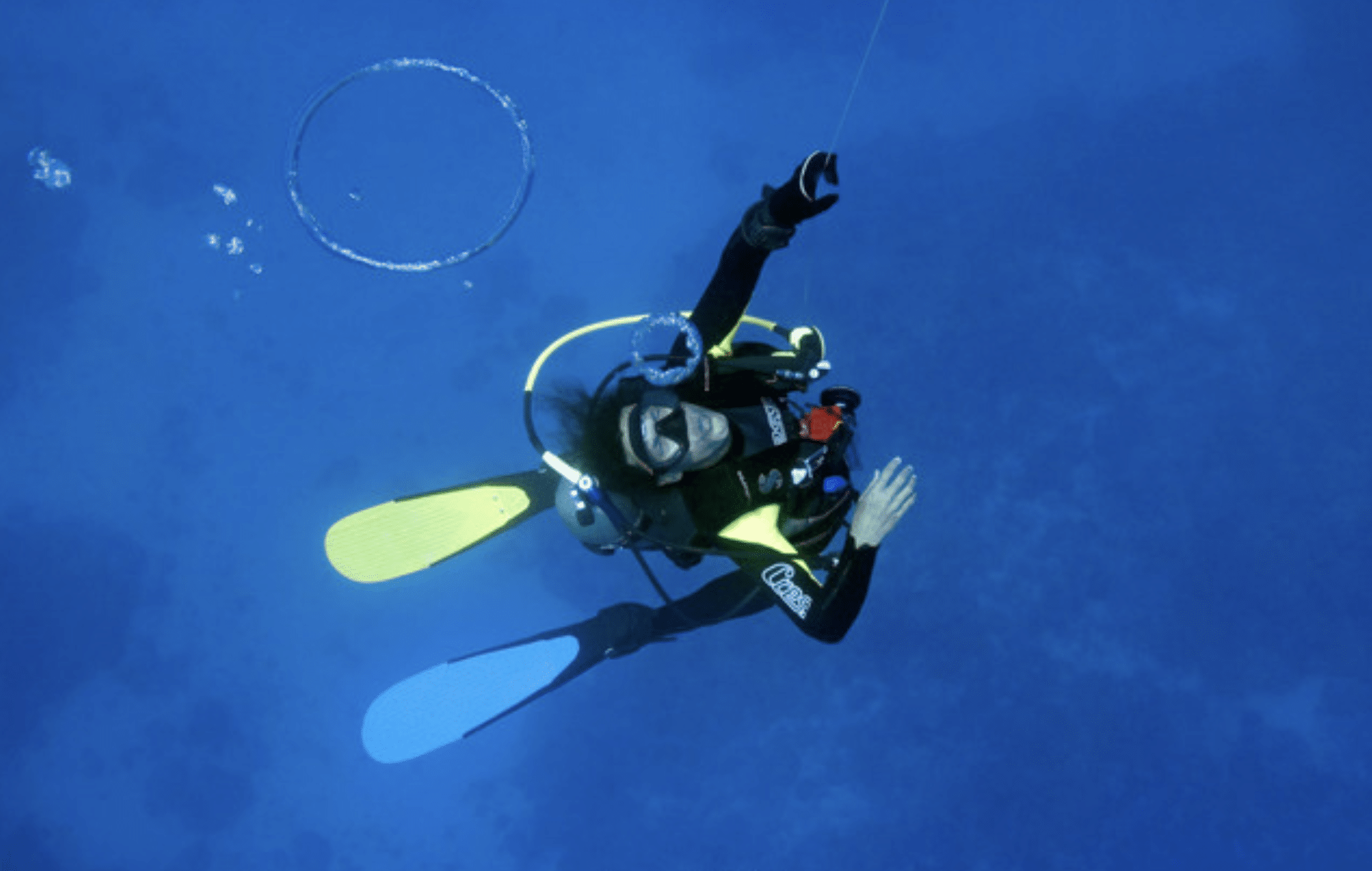
Two scuba divers wearing full-face masks and wetsuits are floating on the surface of the water. One diver points ahead whilst the other faces away, with cylinders and diving equipment visible.


Unsure When to End a Dive Early?


Deciding to stop early is often the safest and most professional choice. Contact us to discuss building clear abort criteria into your dive planning.


From the N9BO℠ Knowledge Base

Share this

Complacency Kills Quietly: Why Familiar Dives Deserve the Most Respect

The Most Dangerous Dives Rarely Look Dangerous

Divers often associate risk with depth, complexity, or new environments. In reality, many incidents occur on dives that feel easy, familiar, and well within perceived limits.

Complacency thrives where vigilance relaxes. Technical diving training treats familiar dives as a primary risk zone—not a comfort zone.


How Complacency Develops

Complacency does not arrive suddenly. It grows quietly through:

  • Repetition without incident
  • Shortcuts that appear harmless
  • Reduced checklist discipline
  • Assumptions replacing verification

Each successful dive without consequence reinforces the belief that caution is optional. Advanced technical diving progression teaches divers to recognise this erosion early.


Experience Can Become a Liability

Experience provides confidence—but unchecked confidence dulls awareness.

Experienced divers may:

  • Skip briefings
  • Reduce equipment checks
  • Ignore subtle anomalies

Technical diving training reframes experience as responsibility: the more experienced the diver, the greater the obligation to maintain discipline.

Scuba tanks lined up on a sandy beach with a wooden boat anchored in the shallow water and a dramatic cloudy sky overhead.

Familiarity Replaces Observation

On familiar sites, divers stop observing actively. They expect conditions to be the same as last time.

Small changes—flow, visibility, equipment condition—go unnoticed until they matter. Advanced technical diving progression teaches divers to treat every dive as unique.


Complacency and Decision Delay

When divers assume “nothing is wrong,” they delay decisions even as evidence accumulates.

This delay turns manageable issues into urgent ones. Technical diving training emphasises early intervention over late reaction.


Instructor Perspective: Challenging “Easy” Dives

Instructors often observe students performing worse on easy dives than on challenging ones.

At N9BO℠, instructors intentionally raise standards on routine dives to counter complacency and maintain discipline.


Checklists as Anti-Complacency Tools

Checklists are most important when they feel unnecessary.

Professional divers use structure to protect against assumption. Advanced technical diving progression enforces checklist discipline precisely where complacency is most likely.

Close-up view of raindrops creating ripples on the surface of dark blue water, with light reflections and gentle waves visible.

Team Effects of Complacency

Complacency spreads. When one diver relaxes standards, others follow.

Professional teams maintain mutual accountability. Technical diving training encourages divers to challenge complacency—politely but firmly.


Complacency Under Stress

When unexpected stress occurs on a complacent dive, divers are psychologically unprepared.

This shock amplifies stress and degrades response. Advanced technical diving progression trains divers to expect the unexpected—even on “easy” dives.


Professional Parallels

In aviation and industry, most accidents occur during routine operations, not emergencies.

Technical diving reflects the same pattern. Familiarity is dangerous when discipline fades.


The Bottom Line

Complacency does not announce itself.

It whispers.

In technical diving, the safest divers are those who treat routine dives with professional seriousness. Discipline must be maintained, especially when nothing feels wrong.

At N9BO℠, familiarity is never an excuse.

A person in a black wetsuit stands on a rocky beach holding a surfboard, facing the sea waves.


Treating Familiar Dives Too Casually?


Familiar environments often reduce attention and discipline. Contact us to discuss maintaining professional standards on every dive.


From the N9BO℠ Knowledge Base


Share this

Communication Breakdown: Why Most Underwater Problems Start in Silence

Silence Is Rarely Neutral

Underwater, silence is often interpreted as “all is well.” In reality, silence may mean uncertainty, hesitation, or unvoiced concern.

Many incidents begin with a diver noticing something wrong—but not communicating it. Technical diving training treats silence as a potential warning sign, not reassurance.


Why Divers Don’t Speak Up Underwater

Several factors suppress communication:

  • Fear of being wrong
  • Perceived hierarchy or experience gaps
  • Task saturation
  • Stress-induced tunnel vision

Underwater, signalling feels disruptive. Advanced technical diving progression teaches that early communication prevents disruption later.


Communication Degrades Under Stress

Stress narrows attention and reduces expressive capacity. Divers may focus inward and forget to signal outward.

This is why technical diving training integrates communication drills under stress, ensuring signalling remains automatic when pressure rises.


Ambiguity Is the Enemy of Teamwork

Vague or inconsistent signals create confusion. Teams waste time interpreting intent rather than acting.

Professional divers use standardised, unambiguous communication. Advanced technical diving progression treats clarity as a safety requirement—not a courtesy.

Two men on a boat prepare for scuba diving; one is bare-chested and checks a device, whilst the other wears a wetsuit and full-face mask, adjusting his headgear before diving. Scuba tanks are visible behind them.

The Cost of Delayed Communication

Late signals often force reactive decisions. What could have been managed calmly becomes urgent.

Technical diving training emphasises that early communication preserves options, while delayed communication removes them.


Instructor Perspective: Teaching Proactive Signalling

Instructors often observe students waiting “until it’s serious” before signalling.

At N9BO℠, instructors correct this behaviour early, reinforcing that signalling is a preventative tool—not an emergency-only response.


Non-Verbal Communication Still Requires Discipline

Hand signals, light signals, positioning, and movement all communicate information.

Unintentional signals—such as erratic movement or drifting—also communicate stress. Advanced technical diving progression teaches divers to manage both intentional and unintentional signals.

Close-up of a person carrying a black walkie-talkie radio in a holster attached to their belt. The person is wearing a blue shirt, khaki shorts, and a blue bag, with part of their arm and leg visible.

Communication and Authority Gradient

Divers may hesitate to signal concerns to more experienced teammates.

Professional teams flatten authority gradients explicitly. Technical diving training reinforces that any diver can—and must—signal concerns without justification.


Team Briefings Set Communication Tone

Clear pre-dive agreements about communication expectations increase signalling frequency underwater.

At N9BO℠, briefings explicitly state that early signalling is expected and respected.


Professional Parallels

In aviation and emergency services, communication breakdown is a leading cause of incidents. These fields train assertive communication deliberately.

Technical diving aligns with this approach. Communication is trained, practised, and enforced.


The Bottom Line

Most underwater problems don’t start with failure.

They start with silence.

In technical diving, communication is not optional—it is a continuous safety function. The most professional teams speak early, clearly, and often.

At N9BO℠, silence is treated as information.

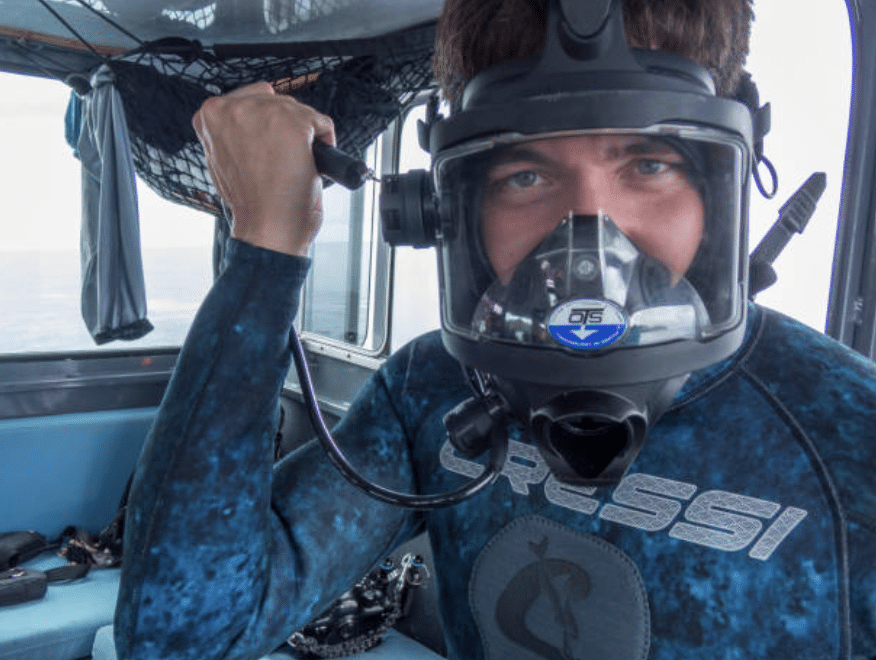
A person in a blue wetsuit and full-face diving mask prepares for a dive inside a boat, holding part of their mask and looking at the camera. Diving equipment is visible in the background.


Want Stronger Communication in Your Dive Team?


Clear communication prevents small issues from escalating into emergencies. Contact us to discuss training that improves coordination and awareness underwater.


From the N9BO℠ Knowledge Base


Share this

When Procedures Fail: Why Rigid Rule-Following Can Be as Dangerous as Improvisation

The False Safety of Perfect Procedures

Procedures provide structure, predictability, and shared expectations. They are foundational to safe technical diving.

However, procedures are designed for typical conditions—not every possible variation. When divers treat procedures as infallible, they may hesitate when reality diverges from the script. Technical diving training addresses this limitation explicitly.


Why Procedures Cannot Cover Every Scenario

No procedure can anticipate every equipment failure, environmental shift, or human factor interaction.

Unexpected combinations of issues require judgement. Advanced technical diving progression teaches divers to understand the intent behind procedures so they can adapt intelligently when needed.


The Risk of Procedural Fixation

Under stress, divers may fixate on completing a procedure exactly as written—even when conditions make it inappropriate.

This fixation can delay aborts, waste time, or escalate risk. Technical diving training teaches divers to recognise when procedure adherence is no longer serving safety.


Principles Over Steps

Professional divers are trained in principles first, procedures second.

When divers understand why a procedure exists, they can modify execution without abandoning safety. Advanced technical diving progression emphasises principle-based decision-making over rote compliance.

A scuba diver in full kit, including a wetsuit, mask, and snorkel, is floating on the water's surface while holding an underwater camera. The diver is surrounded by calm water.

Improvisation vs Informed Adaptation

Improvisation implies making things up. Informed adaptation means adjusting actions while preserving safety intent.

Technical diving training draws a clear line between reckless improvisation and disciplined adaptation grounded in training.


Instructor Perspective: Teaching Flexibility Safely

Instructors deliberately present scenarios where procedures must be adapted—not abandoned.

At N9BO℠, candidates are evaluated on how well they preserve safety goals when procedural assumptions break down.


When Procedures Become a Crutch

Divers who rely solely on procedures may struggle when memory fails or steps cannot be executed exactly.

Advanced technical diving progression ensures divers can reason through problems even when checklists fall short.


Team Coordination During Adaptation

Adaptation must be communicated. Silent deviation from procedure creates confusion.

Professional teams verbalise or signal adaptations clearly. Technical diving training treats communication as essential during procedural deviation.

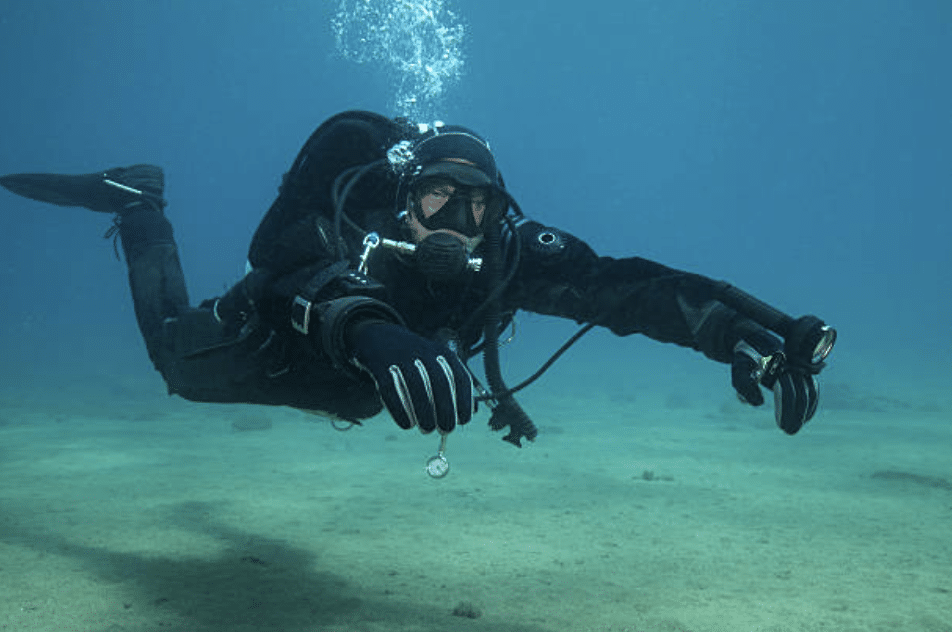
A scuba diver in a black wetsuit and gloves swims underwater, holding a compass and other diving instruments, with bubbles rising above them and the sandy sea floor visible below.

Professional Parallels

In aviation and medicine, strict protocols exist—but professionals are also trained in when and how to deviate safely.

Technical diving adopts this balanced model. Procedures guide action; judgement governs exceptions.


Avoiding the Extremes

Safety lies between two extremes:

  • Blind rule-following
  • Unstructured improvisation

Advanced technical diving progression trains divers to operate in this middle ground with discipline and clarity.


The Bottom Line

Procedures are tools—not laws of nature.

In technical diving, safety depends on understanding when to follow procedures exactly and when to adapt them intelligently. The most professional divers know why they do things—not just how.

At N9BO℠, judgement is trained alongside procedure.

A diver wearing an orange and silver helmet with an attached breathing apparatus is partially submerged in water, looking up towards the surface near a red structure.


Unsure When to Adapt Procedures?


Procedures provide structure, but judgement determines safe application. Contact us to discuss training that balances discipline with informed decision-making.


From the N9BO℠ Knowledge Base


Share this

Planning for Failure: Why Technical Divers Assume Things Will Go Wrong

The Wrong Question: “What If Nothing Goes Wrong?”

Many divers approach planning with an optimistic mindset: What if everything works as expected? While this feels reassuring, it is strategically flawed.

Professional technical divers ask a different question: What if something fails?

Technical diving training is built on the assumption that deviations, malfunctions, and human errors are not exceptions—but probabilities.


Failure Is Normal, Not Exceptional

Equipment fails. Humans make mistakes. Environments change.

Failure-based planning does not imply pessimism—it reflects realism. Advanced technical diving progression treats failure as a design input rather than a surprise.


Why Expecting Failure Reduces Stress

When divers expect problems, they are psychologically prepared for them. A failure becomes a cue to execute a rehearsed response rather than a shock.

This expectation stabilises breathing, improves sequencing, and preserves awareness. Technical diving training uses anticipation to convert stress into action.


The Difference Between Reaction and Execution

Unplanned failures provoke reactions. Planned failures trigger execution.

Divers who plan for failure already know:

  • What action comes first
  • What resources are available
  • When to abort

Advanced technical diving progression replaces improvisation with execution.

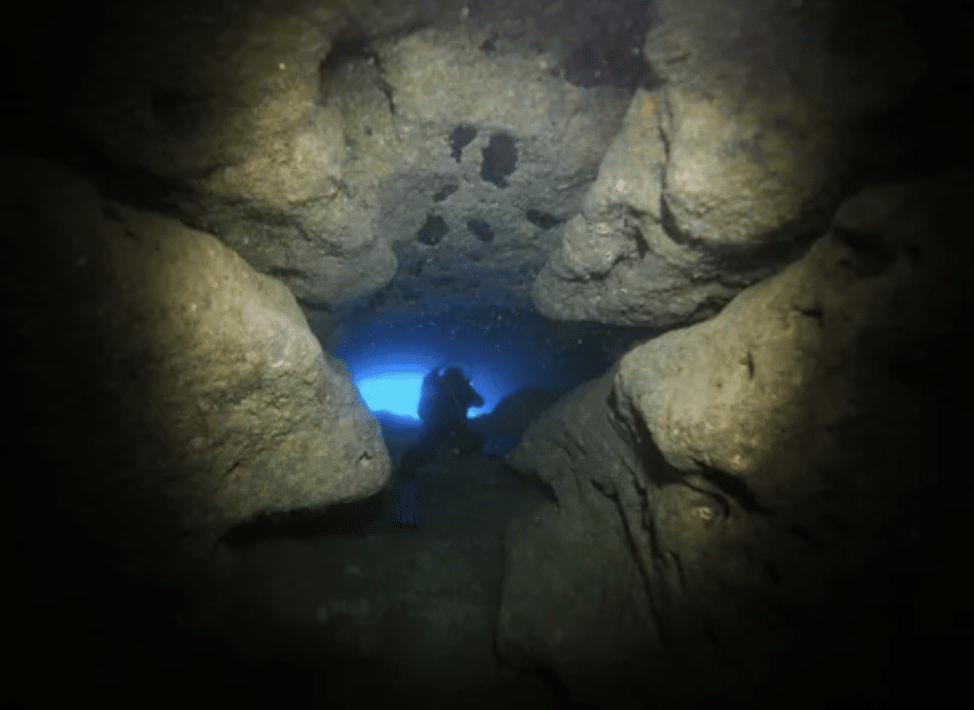
A person scuba-dives through an underwater cave or tunnel, silhouetted against a distant blue light shining from the cave’s exit, surrounded by large rocky walls.

Failure Planning and Cognitive Load

Under stress, cognitive bandwidth shrinks. Planning for failure reduces the need for complex thinking during the event.

By preloading decisions, technical diving training frees mental capacity for awareness and control.


Why Optimism Can Be Dangerous

Optimistic planning assumes ideal performance. When reality deviates, optimism collapses into urgency.

Failure-based planning absorbs deviation. Advanced technical diving progression teaches divers to plan for degraded performance—not best-case scenarios.


Instructor Perspective: Teaching Discomfort Early

Instructors deliberately challenge students who plan optimistically. “What happens if this fails?” becomes a repeated question.

At N9BO℠, instructors normalise failure discussion so that students stop treating it as negative or embarrassing.


Failure Planning and Team Trust

Teams that plan for failure together share expectations. When something goes wrong, everyone knows what comes next.

This shared understanding reduces hesitation and conflict. Technical diving training treats failure planning as a team-building tool.

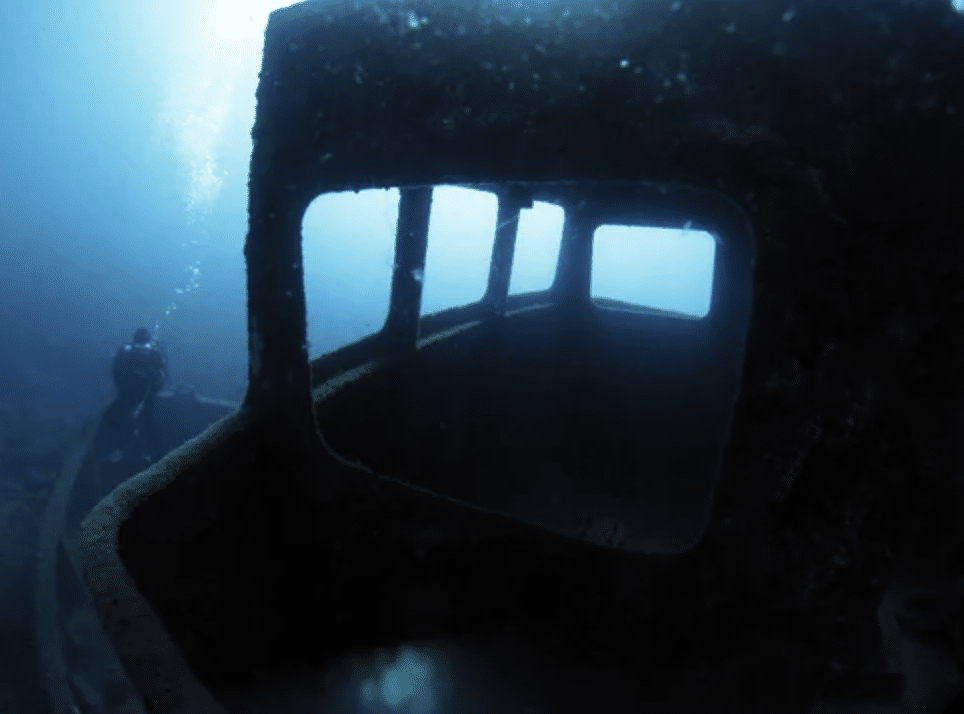
A scuba diver explores a sunken shipwreck underwater, viewed through the rusted window frame of the ship's cabin, surrounded by deep blue water.

Professional Parallels

Aviation, offshore operations, and emergency response all assume failure. Contingencies are planned because experience proves they are needed.

Technical diving adopts this same professional mindset. Expecting failure is how professionals operate safely.


When Failure Planning Is Missing

Without failure planning, divers hesitate, debate, or improvise under pressure. These delays cost time and margin.

Most serious incidents involve inadequate contingency planning—not lack of skill. Advanced technical diving progression addresses this directly.


Planning for Failure Is Planning for Success

Paradoxically, planning for failure often results in smoother dives. Knowing you are prepared creates calm.

Technical diving training teaches that confidence comes not from hope—but from preparation.


The Bottom Line

Hope is not a strategy.

Preparation is.

In technical diving, assuming that something may go wrong is not negativity—it is professionalism. The most capable divers are those who are least surprised by failure.

At N9BO℠, dives are planned for reality—not perfection.

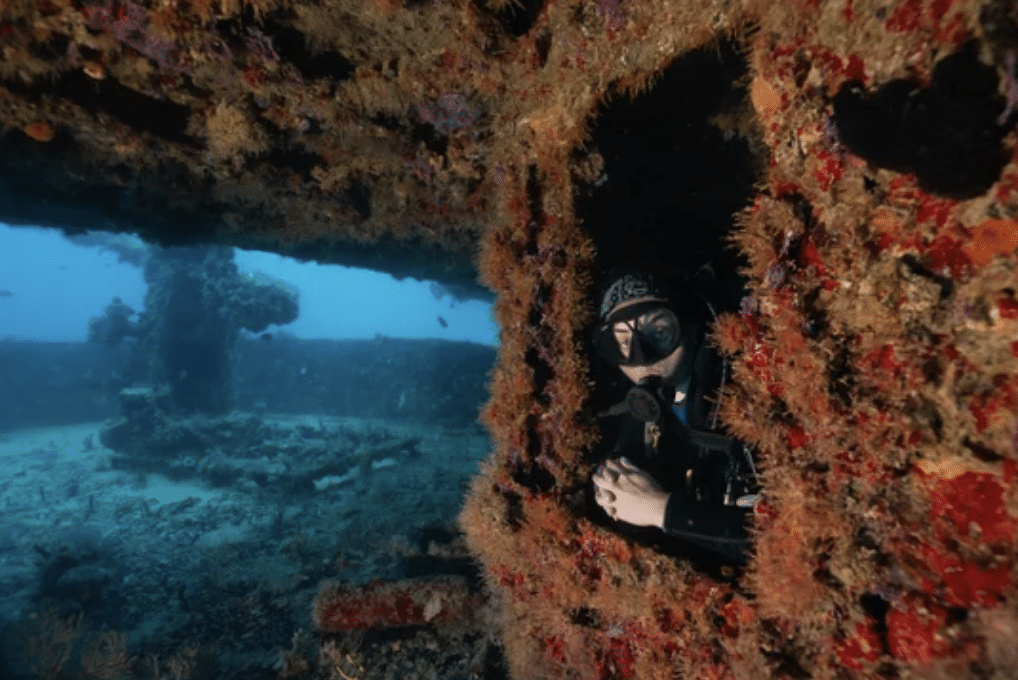
A diver with a torch explores the interior of a sunken shipwreck underwater, surrounded by sandy seabed and blue light filtering through gaps in the wreck's structure.


Planning Only for Success?


Professional diving assumes failures will occur and prepares accordingly. Contact us to discuss building realistic contingency planning into your diving.


From the N9BO℠ Knowledge Base

Share this

Checklists Underwater: Why Professionals Trust Paper More Than Memory

The Myth of “I Don’t Need a Checklist”

As divers gain experience, they often feel less need for written or formal checks. Familiarity creates confidence, and confidence invites shortcuts.

This belief is dangerous.

Technical diving training treats checklists not as training wheels, but as cognitive safety devices—especially for experienced divers who operate at higher complexity.


Why Memory Fails Underwater

Human memory is context-dependent and stress-sensitive. Underwater, memory degrades due to:

  • Task loading
  • Environmental stress
  • Time pressure
  • Fatigue

Even highly experienced divers forget steps. Advanced technical diving progression accepts this limitation and designs systems around it.


Checklists Reduce Cognitive Load

Checklists free mental capacity by externalising memory. Instead of recalling steps, divers verify them.

This reduces stress and improves awareness. Technical diving training emphasises that checklists do not slow operations—they stabilise them.


Routine Is When Checklists Matter Most

Ironically, checklists are most often skipped on routine dives. These are precisely the dives where complacency is highest.

Most errors occur during familiar tasks. Advanced technical diving progression reinforces checklist discipline on “easy” dives first.

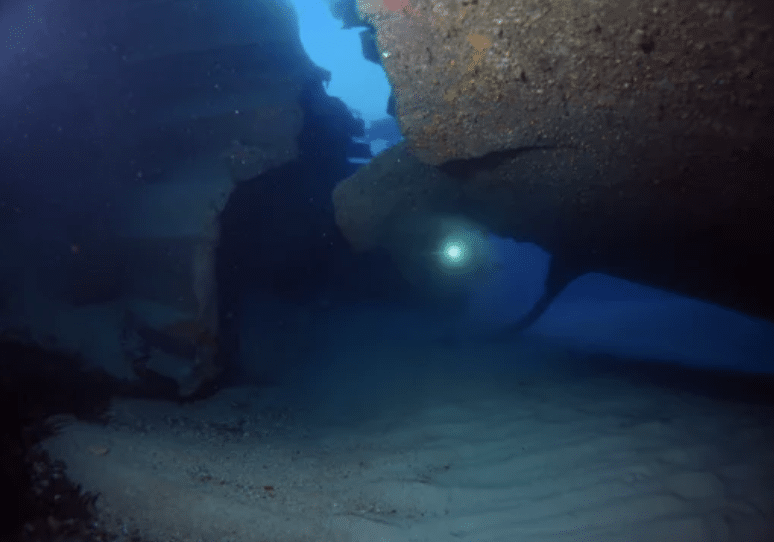
Two scuba divers with torches explore a dark underwater cave, illuminating the rocky walls and sandy floor as they navigate through the confined, shadowy passage.

Paper vs Memory Under Stress

Under stress, divers revert to habits—not intentions. Checklists ensure habits align with safe procedure.

Professional divers trust systems over self-belief. Technical diving training reframes checklist use as professional discipline, not lack of skill.


Checklists as Team Tools

Checklists standardise communication. When everyone uses the same sequence, teams develop shared expectations.

This predictability enhances coordination. Advanced technical diving progression treats checklists as a team-level safety layer.


Instructor Perspective: Normalising Checklist Use

Instructors often encounter resistance from experienced candidates who feel checklists are beneath them.

At N9BO℠, instructors model checklist use themselves—demonstrating that professionalism increases with structure, not bravado.

Several scuba diving cylinders with attached regulators and gauges are lying on a rocky surface near the entrance of an underwater cave, with water visible in the background.

Short, Functional Checklists Work Best

Effective checklists are concise and focused. Overly complex lists invite avoidance.

Technical diving training emphasises short, meaningful checklists that fit naturally into workflow.


Professional Parallels

Aviation, surgery, and nuclear operations all rely on checklists—even among experts. These fields recognise that expertise does not eliminate error.

Technical diving aligns with this reality. Reliability comes from systems, not memory.


When Checklists Are Ignored

Most incidents involving missed steps are not caused by ignorance—but by assumption.

Checklists break the assumption loop. Advanced technical diving progression treats skipped checklists as a significant warning sign.


The Bottom Line

Memory feels fast.

Checklists are reliable.

In technical diving, professionalism is demonstrated by those who trust process over confidence. The safest divers are those who verify—even when they are certain.

At N9BO℠, structure is a strength.

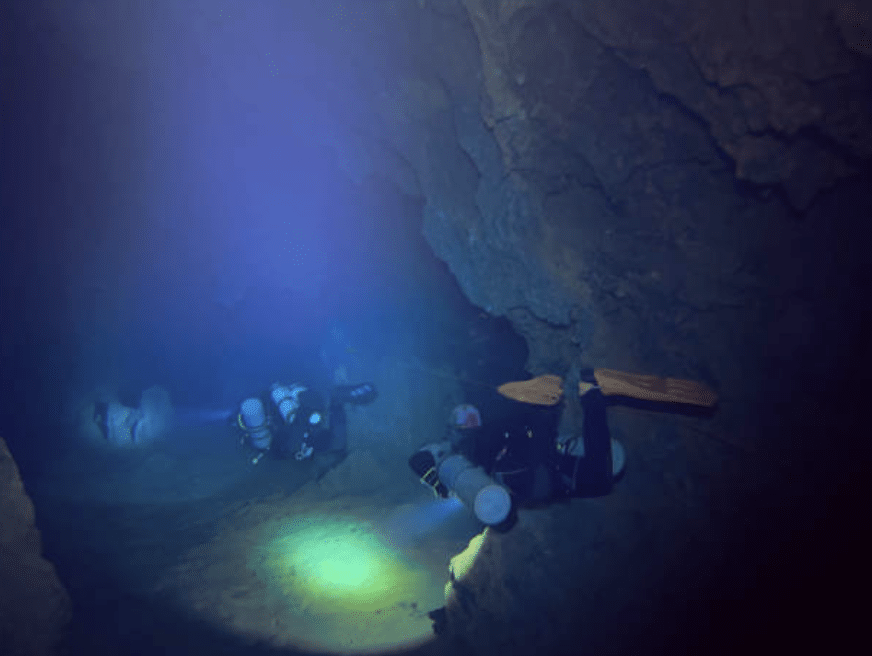
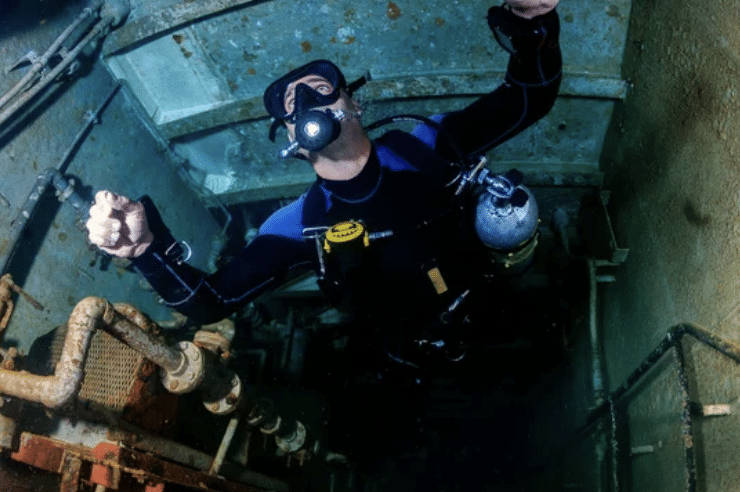
A scuba diver with cylinders navigates through an underwater cave, surrounded by rocky walls and hanging stalactites, illuminated by the diver’s torch.


Still Trusting Memory Alone?


Checklists reduce human error when workload increases. Contact us to discuss how structured procedures improve consistency and safety underwater.


From the N9BO℠ Knowledge Base

Share this

Margin Is Not Waste: Why Conservative Planning Is a Mark of Expertise

The Misconception of “Too Much Margin”

Many divers view margins as unused capacity—extra gas, extra time, extra redundancy that “probably won’t be needed.” This mindset frames margin as waste rather than protection.

In technical diving, this framing is incorrect.

Margins are not leftovers. They are deliberate design features. Technical diving training teaches that margin is what allows systems to absorb error, stress, and uncertainty without collapsing.


Why Reality Rarely Matches the Plan

No dive unfolds exactly as planned. Small deviations accumulate:

  • Slightly higher breathing rates
  • Minor delays
  • Subtle task loading
  • Environmental drift

Without margin, these deviations compound into pressure. Advanced technical diving progression plans for deviation as the norm—not the exception.


Margin and Human Performance

Humans do not perform optimally under stress. Breathing increases, dexterity drops, and decision-making slows.

Margins compensate for these predictable limitations. Technical diving training explicitly incorporates human performance variability into gas planning, timing, and exit strategies.


The Calm That Margin Creates

Divers with adequate margin feel different underwater. They move more slowly, communicate more clearly, and respond earlier to problems.

This calm is not accidental—it is designed. Advanced technical diving progression shows that margin reduces urgency, which improves performance.

A row of scuba fins and diving gear is laid out on the ground beside a swimming pool, with groups of people standing in the background.

Why Experienced Divers Value Margin More

As divers gain experience, they often become more conservative, not less. They have seen how quickly conditions change and how small issues escalate.

This shift reflects maturity. Technical diving training reinforces that conservatism increases with understanding—not fear.


Margin vs Over-Planning

Margin is not about excessive planning or complexity. It is about buffer, not burden.

Well-designed margin simplifies decisions because fewer trade-offs are required under stress. Advanced technical diving progression emphasises clean, conservative plans over intricate optimisations.


Margin and Team Safety

Margin protects not only the individual diver, but the team. When one diver experiences difficulty, margin allows others to assist without jeopardising their own safety.

Technical diving training treats margin as a collective resource—not an individual luxury.


The False Economy of Tight Planning

Tight planning may feel efficient, but it is fragile. When plans rely on perfect execution, there is no room for error.

Most incidents occur when tight plans meet imperfect reality. Advanced technical diving progression teaches that robustness matters more than optimisation.

A group of people in wetsuits prepare for scuba diving on a boat deck, surrounded by scuba tanks and gear, with the sea and sky visible in the background. One person sits above the deck with feet dangling.

Instructor Perspective: Teaching Margin Intentionally

Instructors often encounter candidates who resist conservative planning, believing it reflects lack of confidence.

At N9BO℠, instructors explain that margin is evidence of anticipation, not doubt. Candidates learn that experts plan generously because they understand risk deeply.


Professional Parallels

In engineering, aviation, and emergency response, margins are non-negotiable. Systems are designed to tolerate failure, not just success.

Technical diving aligns with this professional philosophy. Margin is a structural safety feature—not optional padding.


Margin as Respect—for the Environment

Conservative planning reflects respect for the environment and its unpredictability. Water conditions do not negotiate, and equipment does not apologise.

Margins acknowledge this reality. Technical diving training teaches divers to plan humbly rather than optimistically.


The Bottom Line

Efficiency feels smart.
Margin keeps you alive.

In technical diving, conservative planning is not a lack of skill—it is proof of it. The safest divers are those who plan as if things might go wrong—and are therefore ready when they do.

At N9BO℠, margin is intentional.

Two scuba diving gear sets, including cylinders, regulators, and buoyancy control devices, rest on a wooden bench next to three spare cylinders and a pair of fins on a boat with water visible in the background.


Planning With Enough Margin?


Conservative planning increases flexibility and safety when conditions change. Contact us to discuss building effective safety margins into your diving.


From the N9BO℠ Knowledge Base

Share this

Normalisation of Deviation: How “We’ve Always Done It This Way” Becomes Dangerous

When Small Deviations Stop Feeling Wrong

Normalisation of deviation occurs when behaviours that were once considered unacceptable gradually become routine. Each deviation seems minor. Each is justified by convenience, experience, or past success.

Over time, what was once a shortcut becomes “the way we do things.”

Technical diving training identifies normalisation of deviation as one of the most insidious threats to long-term safety because it rarely triggers alarm until margins are gone.


How Deviations Begin

Deviations usually start with good intentions:

  • Saving time
  • Adapting to conditions
  • Compensating for limitations
  • Making a dive “work”

The first deviation often feels temporary. The problem arises when it is repeated without consequence. Advanced technical diving progression teaches that success does not validate deviation—it merely delays consequence.


Why Success Reinforces Unsafe Behaviour

Humans learn from outcomes. When a deviation does not result in a problem, the brain records it as acceptable.

This reinforcement loop is powerful. Divers begin to believe that rules were overly conservative, or that experience justifies flexibility. Technical diving training explicitly warns that “nothing happened” is not proof of safety.


Deviations Accumulate, Not Isolate

Normalised deviations rarely occur alone. One shortcut leads to another. Margins shrink incrementally until the system can no longer absorb variability.

Examples include:

  • Skipping verification
  • Compressing planning
  • Relaxing team protocols
  • Accepting marginal conditions

Advanced technical diving progression emphasises that risk increases exponentially, not linearly.

A group of scuba divers in wetsuits sit and stand on an inflatable boat preparing their gear, surrounded by clear blue water and rocky cliffs in the background.

Why Experienced Divers Are Vulnerable

Experience can accelerate deviation normalisation. Familiarity breeds confidence, and confidence invites reinterpretation of rules.

Experienced divers may believe they understand which rules matter and which do not. Technical diving training challenges this belief by reinforcing that rules exist because humans are poor judges of cumulative risk.


The Role of Group Culture

Deviation spreads through groups. New divers adopt behaviours they observe, assuming they are acceptable.

When instructors or senior divers deviate, those deviations gain legitimacy. At N9BO℠, instructors are trained to model strict adherence precisely because behaviour transmits faster than instruction.


Early Warning Signs of Normalisation

Indicators include:

  • “We’ve always done it this way.”
  • “It’s never been a problem.”
  • “That’s just how it works here.”

These phrases signal that safety decisions are being justified retrospectively rather than evaluated prospectively. Advanced technical diving progression trains divers to treat such language as a warning sign.

A person checks scuba diving equipment, holding a regulator with an orange mouthpiece in one hand and a pressure gauge in the other, sitting on a wooden jetty near water.

Challenging Deviations Without Conflict

Addressing deviation requires skill. Direct confrontation may provoke defensiveness.

Effective teams use questions:

  • “What’s the reason we changed this?”
  • “What margin did this remove?”
  • “Would we teach this to a new diver?”

Technical diving training emphasises inquiry over accusation.


Instructor Perspective: Resetting the Baseline

Instructors often encounter candidates whose baseline practices include normalised deviations. Resetting these habits can be challenging but essential.

At N9BO℠, instructors explain not just what to change, but why the original standard exists—restoring respect for process.


Professional Parallels

Normalisation of deviation has contributed to major accidents in aviation, spaceflight, and industrial operations. In every case, unsafe practices became routine through repeated success.

Technical diving adopts these lessons. Deviation is treated as a system issue—not a personal one.


Preventing Normalisation Deliberately

Countermeasures include:

  • Consistent standards enforcement
  • Structured debriefs
  • External audits or mentoring
  • Periodic “why do we do this?” reviews

Advanced technical diving progression embeds these habits into training culture.


The Bottom Line

Unsafe practices rarely appear suddenly.

They become normal—quietly.

Technical diving safety depends on continuously questioning habits, not defending them. The most professional divers are those who resist the comfort of “good enough” and return repeatedly to disciplined standards.

At N9BO℠, deviation is examined before it becomes accepted.

People swim and snorkel in a clear, blue spring surrounded by trees. Some swimmers use lilos, while others prepare to enter the water from stairs on the left. The area is lush and green, with tree roots visible at the water's edge.


Noticing Small Deviations Becoming Normal?


Incremental departures from standards often go unnoticed until they lead to incidents. Contact us to discuss maintaining discipline and operational consistency.


From the N9BO℠ Knowledge Base


Share this
Facebook
Instagram
X (Twitter)
TikTok
Youtube
Whatsapp