The Starting Point: Comfort and Familiarity
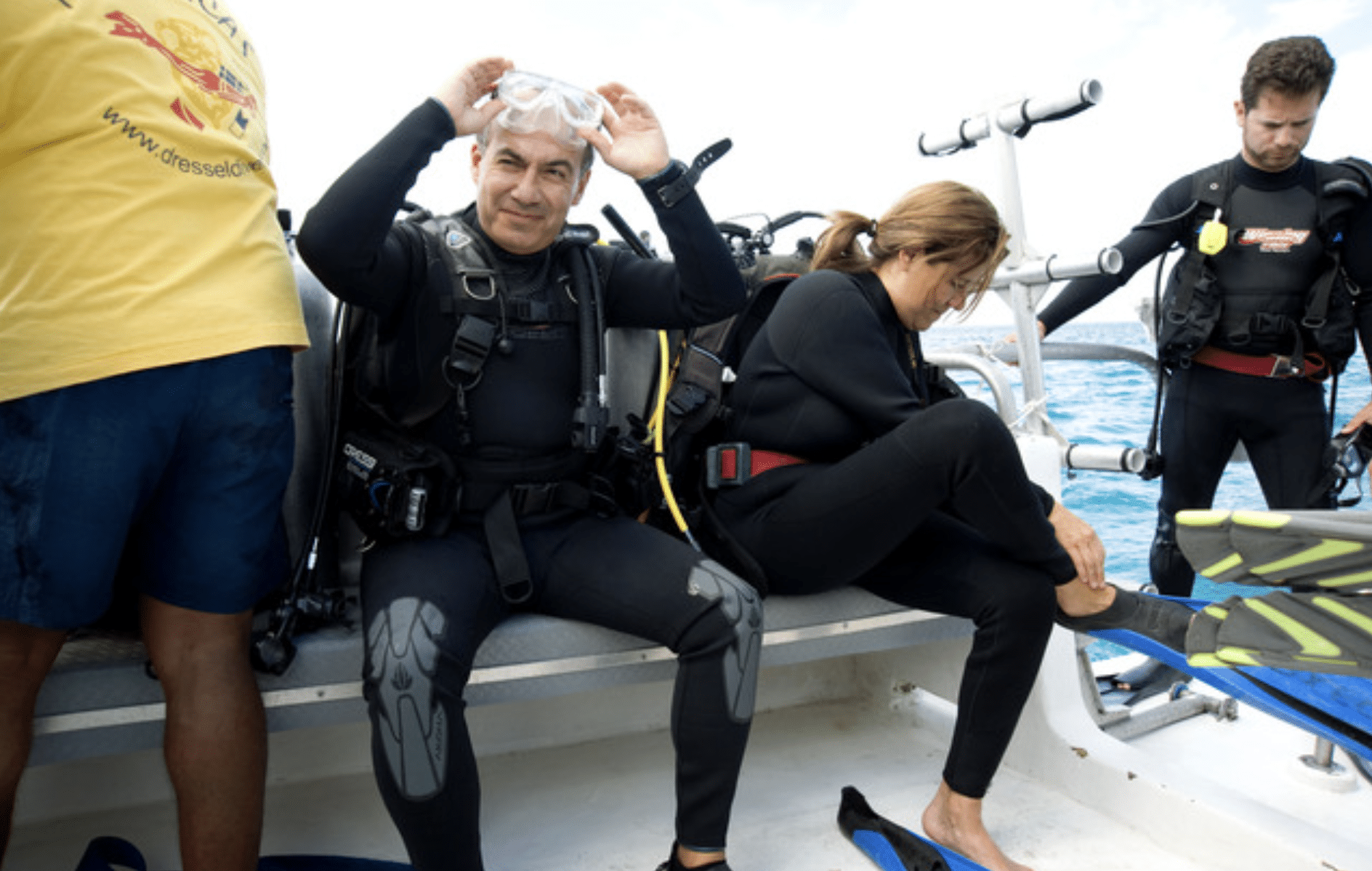
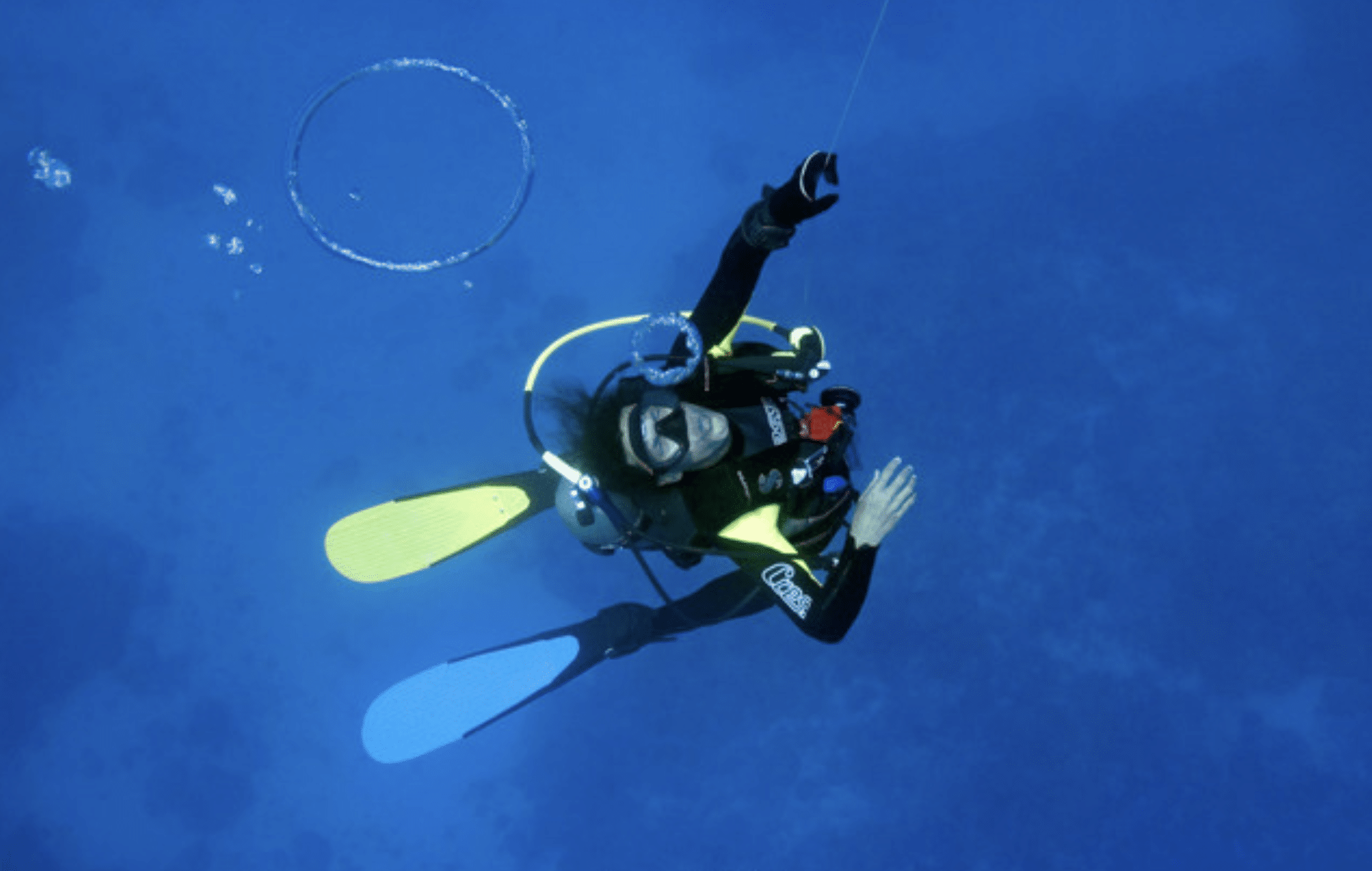
Most divers begin their journey in recreational environments. These are designed to be controlled, enjoyable, and progressive. Skills are introduced gradually, conditions are selected carefully, and the primary objective is to build confidence while ensuring safety.
In this context, diving is associated with exploration, curiosity, and personal achievement. Even when challenges arise, they are typically managed within a framework that prioritises diver comfort and the ability to abort without consequence.
This foundation is important. It builds basic competence and familiarity with the underwater environment. However, it also shapes expectations.
Divers become accustomed to:
- Good visibility
- Predictable conditions
- Clear margins for error
These expectations do not transfer into public safety diving.
The Moment of Realisation
For many divers, the transition begins with a realisation rather than a decision.
It may come from observing a recovery operation, participating in a training exercise, or simply understanding that diving can serve a purpose beyond recreation. The idea of contributing to search and rescue, evidence recovery, or emergency response introduces a different dimension to the activity.
This is often where the misconception begins.
It is easy to assume that existing diving skills are sufficient, and that public safety diving is simply “diving with a task.” In reality, the difference is far more significant.
The environment, the expectations, and the consequences all change.
The Shift in Purpose
Recreational diving is fundamentally optional.
A diver chooses to enter the water. If conditions are not ideal, the dive can be postponed or cancelled without consequence.
Public safety diving is not optional in the same way.
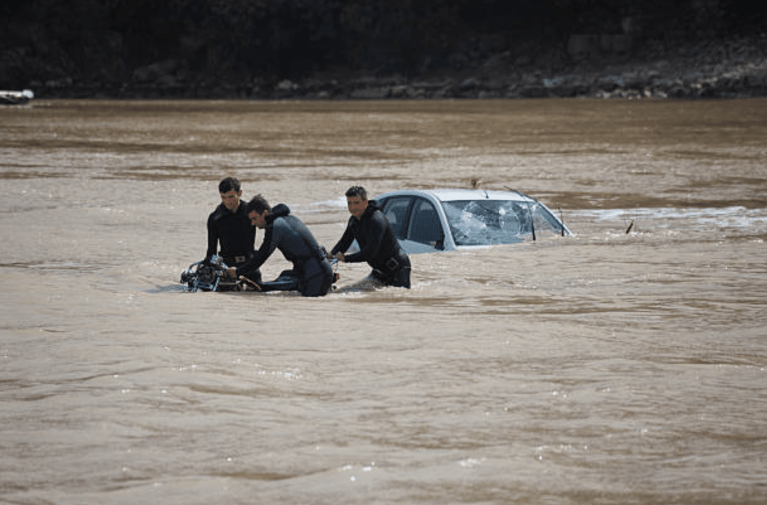
Operations are conducted because there is a need. That need may involve:
- Locating a missing person
- Recovering evidence
- Supporting emergency response
The diver is no longer there for personal experience.
They are there to complete a task.
This shift in purpose changes how decisions are made. Comfort becomes secondary to capability. The question is no longer whether the diver feels at ease, but whether they can perform effectively and safely under the conditions presented.
The First Exposure to Operational Reality
The first experience in a public safety environment is often defining.
Visibility may be limited or completely absent. The water may be cold, contaminated, or filled with debris. Movement is restricted, and communication is no longer intuitive.
What was once familiar becomes uncertain.
Divers quickly realise that skills performed confidently in clear water feel very different when:
- There is no visual reference
- Tasks must be completed by touch
- Every movement requires deliberate control
This is where many recognise that recreational competence does not automatically translate into operational capability.
The gap becomes clear.
Learning to Operate as Part of a System
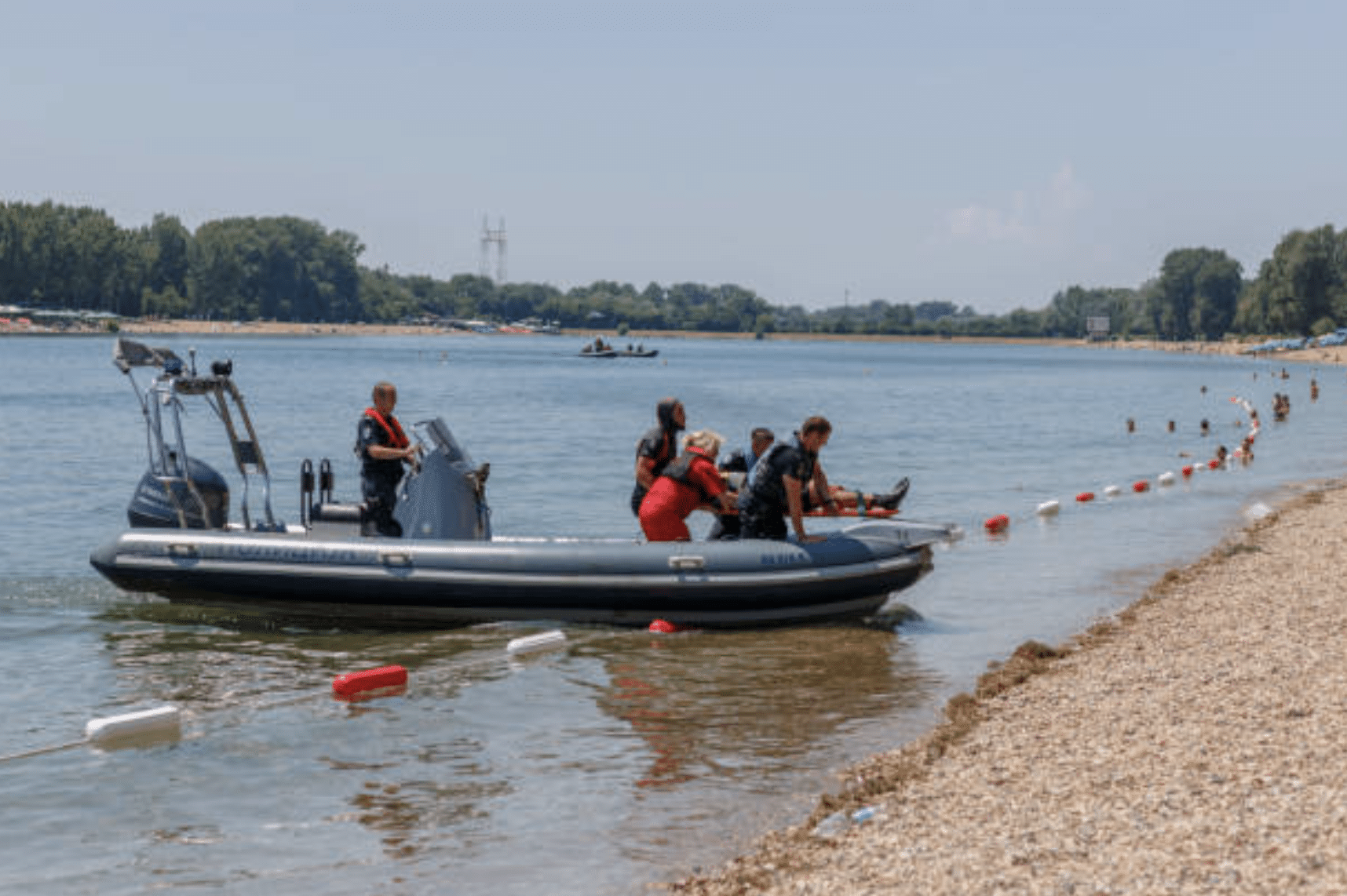
Another significant change is the role of the individual within the team.
Recreational diving emphasises the buddy system, which is flexible and often informal. Public safety diving operates within a structured team framework, where each role is defined and interdependent.
The diver becomes one component of a larger system that includes:
- A supervisor managing the operation
- A tender maintaining line control and communication
- A standby diver prepared for immediate response
This structure requires discipline.
The diver must operate within defined procedures, communicate precisely, and trust the system. Independence is replaced by coordination.
For many, this is one of the most challenging aspects of the transition.
Understanding Responsibility
With this new structure comes a different level of responsibility.
In recreational diving, the primary responsibility is personal safety and that of the buddy. In public safety operations, the diver’s actions can affect:
- The success of the mission
- The safety of the entire team
- The outcome of an investigation
This responsibility is not abstract.
It is immediate.
A missed search area, a mishandled piece of evidence, or a failure to follow procedure can have consequences beyond the dive itself.
Understanding this responsibility is part of becoming a public safety diver.
Training as the Bridge
The transition from recreational to public safety diving cannot be achieved through experience alone.
It requires structured training.
Training provides:
- Exposure to realistic conditions
- Development of procedural discipline
- Integration into team operations
It also introduces the diver to:
- Task-focused diving
- Low-visibility techniques
- Communication systems
At N9BO℠, this transition is approached deliberately. Divers are guided through the process of redefining how they think about diving, not just how they perform skills.
Because the challenge is not only technical.
It is conceptual.
The Role of Humility in Progression
One of the most important elements in this journey is humility.
Divers who approach public safety training with the assumption that prior experience is sufficient often struggle. The willingness to relearn, to adapt, and to accept new frameworks is essential.
This does not diminish previous experience.
It places it in context.
The skills developed in recreational diving are valuable, but they must be refined and applied differently.
Humility allows this process to happen.
Becoming Operational
The transition is complete when the diver begins to think operationally.
This means:
- Planning before acting
- Prioritising procedure over instinct
- Understanding the broader context of each dive
The diver no longer focuses solely on their own performance.
They consider:
- The team
- The objective
- The environment
This is what defines a public safety responder.
Not just the ability to dive.
But the ability to operate.
Final Perspective
The journey from recreational diver to public safety responder is not a linear progression.
It is a transformation.
It involves changing:
- Expectations
- Behaviour
- Mindset
It requires structured training, disciplined practice, and a willingness to adapt.
Those who make this transition successfully do so because they recognise that diving, in this context, is no longer about the individual.
It is about the mission.
And the responsibility that comes with it.
Considering the Transition to Public Safety Diving?
Contact N9BO℠ to begin structured ERDI training and develop the mindset, discipline, and skills required for operational diving.
From the N9BO℠ Knowledge Base