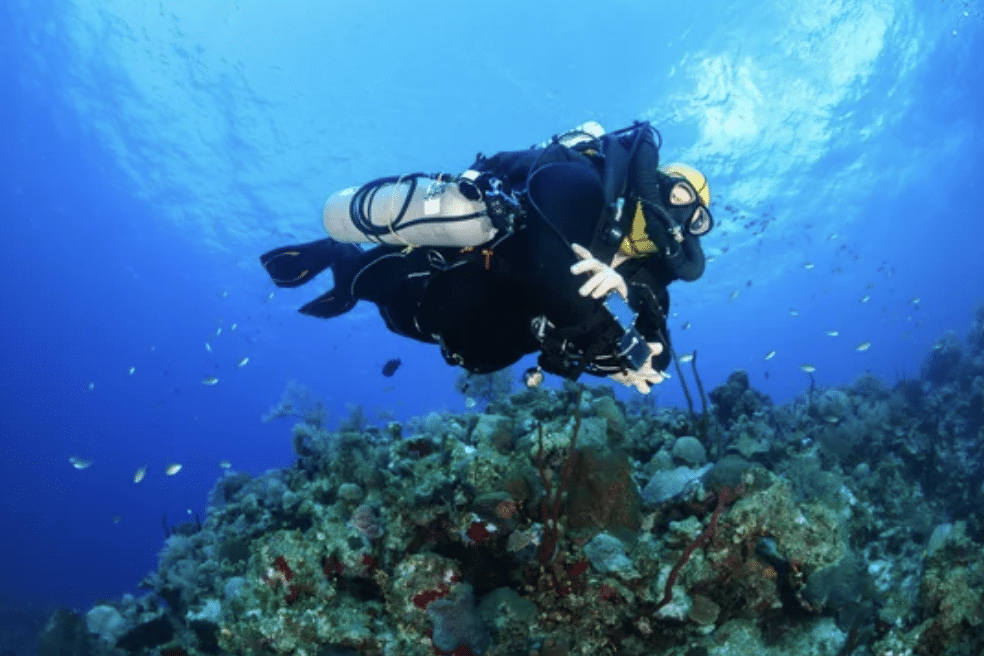
Situational Awareness: Seeing the Whole Dive, Not Just Your Instruments
Information Is Useless Without Awareness
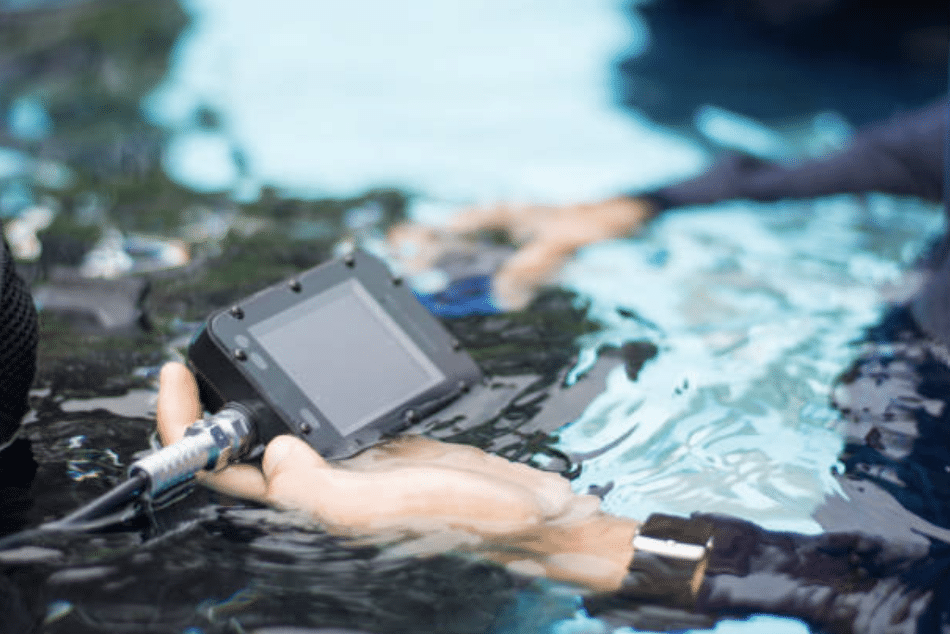
Modern divers are surrounded by data: depth, time, gas, decompression status, navigation cues. Yet incidents still occur.
The issue is rarely missing data—it is missed meaning. Professional technical diving training treats situational awareness as interpretation, not information gathering.
What Situational Awareness Really Means
Situational awareness involves three levels:
- Perception – noticing what is happening
- Comprehension – understanding what it means
- Projection – anticipating what will happen next
Failing at any level increases risk. Advanced technical diving progression trains all three deliberately.
The Danger of Instrument Fixation
Divers under stress often narrow focus onto instruments.
While gauges are important, fixation blinds divers to:
- Team position
- Environmental changes
- Equipment issues
- Behavioural cues
Technical diving training teaches divers to scan, not stare.
Task Fixation Under Stress
When tasks become complex, attention collapses inward.
Divers may miss rising gas consumption, deteriorating conditions, or team separation. Advanced technical diving progression trains divers to pause and widen attention deliberately.

Instructor Perspective: Teaching Awareness Explicitly
Situational awareness does not develop automatically with experience.
At N9BO℠, instructors teach scanning patterns, cue recognition, and decision triggers as explicit skills—not assumptions.
Awareness Includes Self-Monitoring
Situational awareness includes recognising internal signals:
- Rising breathing rate
- Tension
- Confusion
- Urgency
Professional training teaches divers to treat internal cues as data.
Team Awareness Is Critical
Awareness must extend beyond the individual.
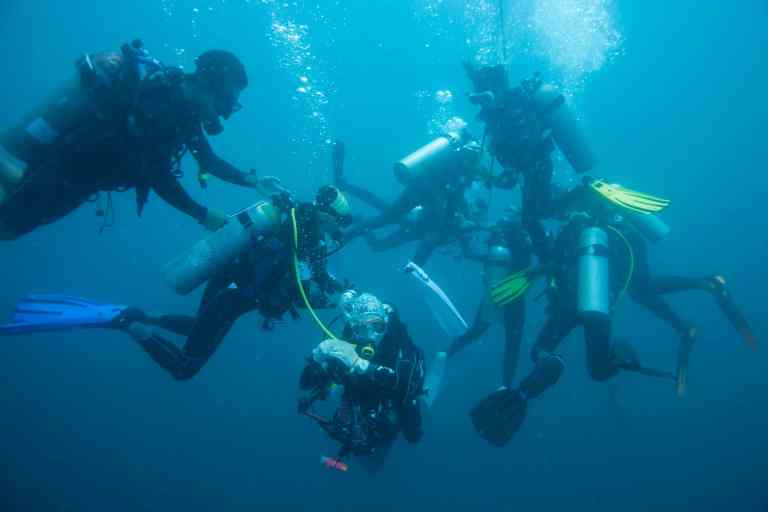
Professional divers track teammates continuously—position, posture, speed, and behaviour. Technical diving training integrates team scanning into all drills.
Environmental Awareness
Visibility, current, temperature, and terrain change dynamically.
Divers trained in situational awareness adapt early rather than reacting late. Advanced technical diving progression prioritises environmental reading.
Awareness Degrades Under Stress
Stress narrows perception naturally.
This is why awareness must be trained under load. Technical diving training exposes divers to controlled stress while maintaining scanning habits.
Awareness Is a Skill, Not a Trait
Some divers believe awareness is instinctive.
In reality, it is learned, practised, and reinforced. Professional training treats awareness as a trainable performance skill.
The Bottom Line
You don’t need more information.
You need better perception.
In technical diving, situational awareness keeps small issues small. It allows divers to act early—when solutions are easy.
At N9BO℠, awareness is trained deliberately, not left to chance.
Want to Improve Situational Awareness Underwater?
Situational awareness is trained, not assumed. Contact us to discuss training that develops perception, anticipation, and safer decision-making underwater.
From the N9BO℠ Knowledge Base