What “Task Loading” Actually Means in Diving
Task loading is one of the most frequently mentioned—and least precisely understood—concepts in technical diving. It is often used vaguely to describe moments when “too much is happening.” In reality, task loading refers to the cumulative cognitive demand placed on a diver at any given moment.
Underwater, tasks include:
- Maintaining buoyancy and trim
- Monitoring depth, time, and gas
- Navigating
- Communicating with the team
- Managing equipment
- Responding to environmental conditions
Each task consumes mental bandwidth. When the total demand exceeds the diver’s capacity, performance degrades. Technical diving training is built around managing this load deliberately rather than pretending it can be ignored.
Why Humans Are Poor Multitaskers
Despite popular belief, humans do not multitask well. We rapidly switch attention between tasks, and each switch incurs a cognitive cost. Underwater, this cost is amplified by stress, narcosis, and sensory limitations.
Divers often believe they can “handle it” because tasks feel manageable individually. The problem arises when tasks overlap. Advanced technical diving progression teaches divers to recognise this overlap and avoid stacking demands unnecessarily.
Multitasking underwater is not a skill. It is a risk factor.
How Task Loading Leads to Cascading Failures
Task loading rarely causes immediate catastrophe. Instead, it initiates subtle degradation:
- Buoyancy becomes less precise
- Breathing rate increases
- Awareness narrows
- Communication drops
These small changes often go unnoticed until a secondary problem appears. A minor issue—such as a delayed response or missed signal—then escalates rapidly because the diver no longer has cognitive capacity in reserve.
TDI technical diving courses emphasise early detection of task saturation precisely to prevent these cascades.
Why Depth Magnifies Task Load
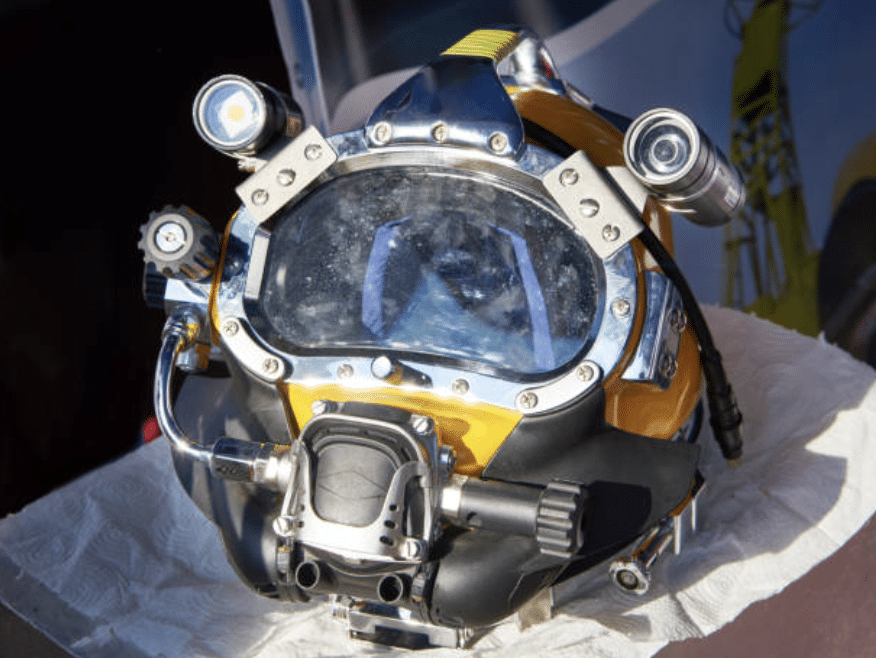
Depth itself does not create task loading, but it magnifies it. Increased gas density, narcosis, and decompression obligation all raise baseline cognitive demand.
A task that feels trivial at 20 metres may require deliberate effort at 50 metres. This is why technical diving training introduces depth gradually, ensuring that core skills are sufficiently automated before additional complexity is added.
Depth exposes cognitive limits; it does not cause them.
Automation: The Only Sustainable Solution
The only way to manage task loading effectively is through automation. When foundational skills—buoyancy, trim, propulsion, gas awareness—require little conscious effort, cognitive capacity becomes available for higher-level tasks.
This is why early technical training can feel repetitive or slow. Advanced technical diving progression prioritises mastery over novelty, recognising that automation is the prerequisite for safe complexity.
Automation is not complacency. It is capacity.
Why “Just Practice More” Is Not Enough
Practice alone does not guarantee automation. Poor practice reinforces inefficient habits. Technical training structures practice deliberately, controlling task order and intensity.
For example, valve drills are introduced only after stable buoyancy is achieved. Navigation tasks are layered only once situational awareness is reliable. TDI technical diving courses sequence learning to prevent overload.
Unstructured practice often creates false confidence rather than competence.
The Role of Instructors in Managing Task Load
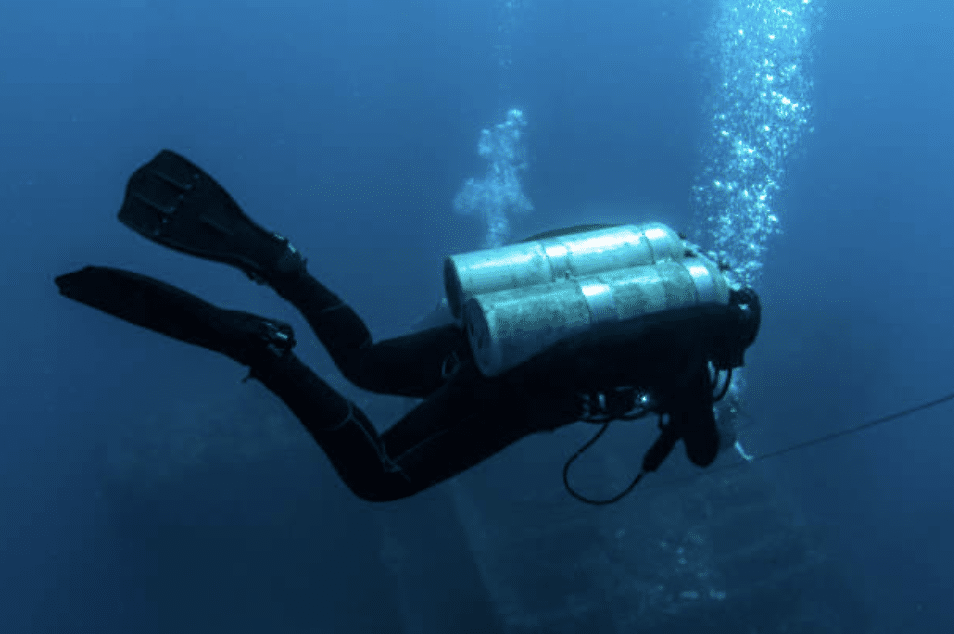
A skilled technical instructor continuously monitors task loading. If a student’s buoyancy degrades during a drill, the issue is not the drill—it is task saturation.
Instructors adjust:
- Task complexity
- Environmental conditions
- Time pressure
- Performance expectations
This adaptive approach ensures learning occurs without overwhelming the diver. At N9BO℠, managing task load is considered a core instructional skill, not an incidental one.
Team Task Distribution
Teams manage task loading more effectively than individuals. Responsibilities can be distributed:
- One diver navigates
- One monitors time
- One leads ascent cues
This distribution reduces individual cognitive burden and improves overall performance. Technical diving training reinforces that teams are cognitive systems, not just groups of divers.
Recognising Task Saturation Early
One of the most important skills technical divers develop is recognising early signs of overload:
- Tunnel vision
- Missed signals
- Increased finning
- Shallow or rapid breathing
Recognising these cues allows divers to pause, simplify, and recover before errors compound. Advanced technical diving progression treats this awareness as a professional competency.
Why Simplicity Is a Mark of Expertise
Expert technical divers often appear unhurried and minimalistic. Their dives look simple because unnecessary tasks have been eliminated or automated.
This simplicity is not accidental. It is the result of deliberate planning, disciplined execution, and respect for cognitive limits.
At N9BO℠, divers are taught that complexity is not sophistication. Control is.
The Bottom Line
Technical diving does not demand superhuman multitasking. It demands honest recognition of human limits and structured strategies to stay within them.
Depth challenges the body.
Task loading challenges the mind.
The divers who survive long careers are those who manage both.
Struggling With Task Overload Underwater?
Managing task loading is critical to safe performance. If you’d like to improve awareness and control under pressure, get in touch.
From the N9BO℠ Knowledge Base