Human Factors, Psychology & Performance

Situational Awareness Underwater: Why Seeing Is Not the Same as Understanding

The Illusion of Awareness

Divers often believe they are situationally aware because they are looking around, monitoring instruments, and checking teammates. While observation is necessary, it is not sufficient.

Situational awareness is not about seeing—it is about understanding.

Technical diving training defines situational awareness as the ability to perceive information, interpret its significance, and anticipate future states. Losing any one of these elements compromises safety.


The Three Layers of Awareness

Situational awareness is commonly described in three layers:

  1. Perception – noticing relevant information
  2. Comprehension – understanding what that information means
  3. Projection – anticipating what will happen next

Most failures occur at the second and third layers. Advanced technical diving progression explicitly trains divers to move beyond perception into comprehension and projection.


Why Seeing Is Not Enough

Divers may see a depth increase, a pressure drop, or a teammate drifting—but fail to connect these observations into a meaningful pattern.

For example:

  • A rising breathing rate may signal stress
  • A small buoyancy change may indicate task overload
  • A delayed response may suggest cognitive saturation

Technical diving training teaches divers to recognise these patterns early.

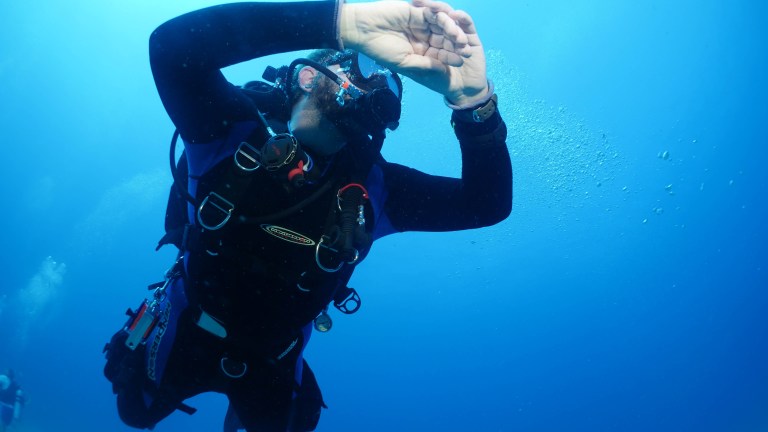
Two scuba divers in wetsuits and masks are underwater, with one holding a piece of equipment. Bubbles surround them as sunlight filters through the water from above.

Cognitive Load and Awareness Collapse

Situational awareness collapses when cognitive load exceeds capacity. Multiple tasks, environmental challenges, and stress compete for attention.

As load increases, awareness narrows. Divers may fixate on one task and miss critical cues. Advanced technical diving progression emphasises task prioritisation to protect awareness.


Why Experienced Divers Still Lose Awareness

Experience improves pattern recognition—but it does not eliminate cognitive limits. Even highly experienced divers can lose situational awareness when overwhelmed.

This is why TDI technical diving courses stress simplicity, discipline, and pacing—even for advanced candidates.


Awareness as a Dynamic Process

Situational awareness is not static. It must be continuously rebuilt as conditions change.

Divers who assume awareness persists without effort are vulnerable. Technical diving training teaches divers to actively update their mental picture throughout the dive.


Team Awareness vs Individual Awareness

Teams enhance awareness when communication is effective. Shared observations allow patterns to emerge that individuals may miss.

However, teams can also degrade awareness if assumptions go unchallenged. Advanced technical diving progression teaches teams to externalise observations rather than silently interpret them.
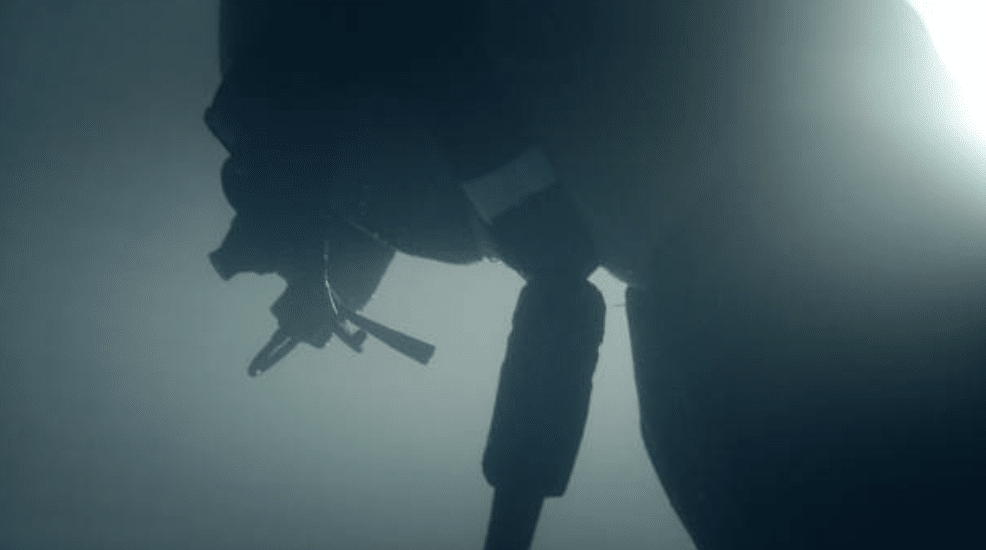
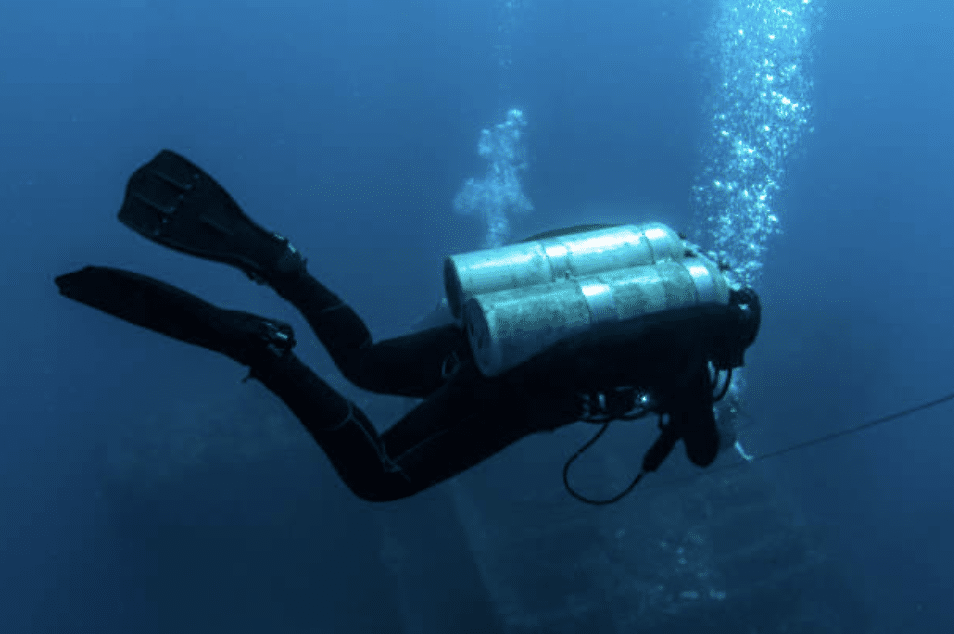
A silhouette of a scuba diver underwater, with breathing equipment visible and a soft, diffused light illuminating the scene.

Early Warning Signs of Awareness Loss

Common indicators include:

  • Missed signals
  • Delayed responses
  • Tunnel vision
  • Fixation on instruments

Recognising these signs allows divers to pause, simplify, and reorient. Technical diving training treats awareness loss as a signal to intervene—not push forward.


Instructor Perspective: Teaching Awareness

Instructors cannot directly teach awareness—they create conditions that require it. By increasing complexity gradually and observing responses, instructors help divers recognise their own limits.

At N9BO℠, awareness is evaluated continuously, not just during drills.


Professional Parallels

In aviation and emergency services, loss of situational awareness is a leading cause of accidents. Training focuses on recognition and recovery rather than blame.

Technical diving aligns with this professional model. Awareness is treated as a skill that must be trained, monitored, and refreshed.


The Bottom Line

Seeing is passive.

Understanding is active.

Technical diving safety depends not on how much you look around, but on how well you interpret what you perceive. Situational awareness is not vigilance—it is meaning.

At N9BO℠, divers are trained not just to look—but to understand.
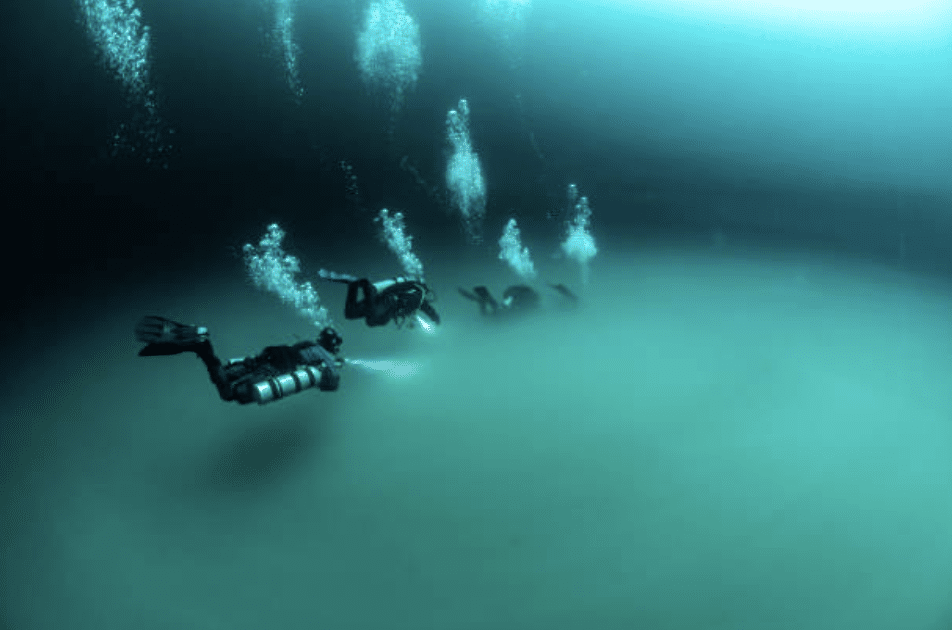
A group of scuba divers swims underwater in deep, blue-green water, surrounded by bubbles and illuminated by a diver’s torch, creating a serene, otherworldly scene.


Want to Improve Awareness Underwater?


Awareness is more than observation—it’s interpretation and anticipation. Contact us to discuss training that strengthens situational awareness in complex dives.


From the N9BO℠ Knowledge Base


Share this

Stress Is Not the Enemy: Why Technical Divers Learn to Work With It

The Unrealistic Goal of “Zero Stress”

Many divers aspire to feel completely relaxed underwater, believing that stress indicates poor preparation or lack of competence. While calmness is desirable, the expectation of zero stress is unrealistic in complex environments.

Stress is a natural physiological response to challenge, uncertainty, and consequence. Technical diving training does not attempt to eliminate stress—it teaches divers to function effectively in its presence.


What Stress Actually Does

Stress triggers measurable physiological changes:

  • Increased heart rate
  • Faster breathing
  • Narrowed attention
  • Reduced working memory

These responses evolved to handle threats on land, not to manage complex underwater tasks. Advanced technical diving progression helps divers recognise these effects early rather than being surprised by them.


Why Stress Becomes Dangerous

Stress itself is not the problem. The problem is unmanaged stress.

When stress is ignored or denied, divers may:

  • Rush procedures
  • Fixate on one issue
  • Miss critical cues
  • Delay communication

Technical diving training reframes stress as information—an indicator that something requires attention or simplification.

Underwater view of a swimmer surrounded by bubbles and splashes, with dark blue water and scattered light reflecting on the surface above. The swimmer’s outline appears in motion.

Productive vs Unproductive Stress

Not all stress is equal. Mild stress can sharpen focus and improve performance. Excessive stress overwhelms cognition and motor control.

Advanced technical diving progression teaches divers to keep stress within a functional range by:

  • Slowing actions
  • Controlling breathing
  • Simplifying tasks
  • Communicating early

Breathing as the Primary Regulator

Breathing is the most accessible stress regulator underwater. Slow, deliberate breathing reduces CO₂ buildup, stabilises buoyancy, and restores cognitive bandwidth.

This is why technical diving training emphasises breathing control not just for gas efficiency, but for psychological regulation.


Stress and Task Loading

Stress increases with task loading. The more simultaneous demands placed on a diver, the higher the stress response.

Advanced technical diving progression focuses on sequencing tasks and eliminating unnecessary actions to keep stress manageable.


Stress Signals and Early Intervention

Early signs of escalating stress include:

  • Rapid breathing
  • Loss of trim
  • Tunnel vision
  • Reduced communication

Recognising these signs allows divers to intervene before performance degrades. Technical diving training encourages early action rather than pushing through discomfort.

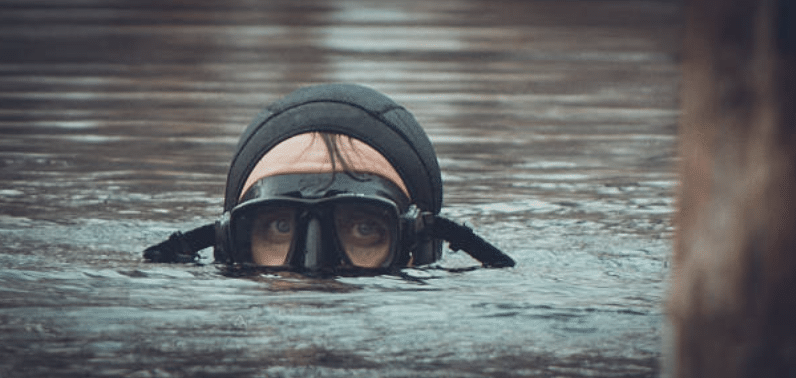
A person wearing a black diving mask and wetsuit is partially submerged in water, with only their eyes and forehead visible above the surface.

Team Support and Stress

Teams play a critical role in stress management. A calm teammate can stabilise a stressed diver through presence, communication, and assistance.

This is why advanced technical diving progression treats stress management as a team responsibility, not an individual weakness.


Instructor Perspective: Normalising Stress

Instructors who deny stress create unrealistic expectations. At N9BO℠, instructors normalise stress and teach candidates how to respond constructively.

Students learn that experiencing stress is not failure—failing to manage it is.


Professional Parallels

In emergency services, military operations, and aviation, stress is expected. Training focuses on performance under stress, not stress avoidance.

Technical diving adopts this professional framework. Divers are trained to recognise stress as part of the operational environment.


The Bottom Line

Stress is inevitable.

Panic is optional.

Technical diving does not reward those who feel nothing—it rewards those who recognise stress early and respond intelligently. Calm is not the absence of stress, but the ability to work with it.

At N9BO℠, stress is trained—not feared.

Underwater view of a person in dark clothing and boots floating or falling, with their silhouette and a second figure visible through the surface of blue water above.


Want to Perform Better Under Stress?


Stress cannot be eliminated, but it can be managed and controlled through training. Contact us to discuss performance-focused technical training.


From the N9BO℠ Knowledge Base


Share this

Experience Can Be Dangerous: When Confidence Outruns Currency

When Experience Becomes a Liability

Experience is valuable. It builds pattern recognition, confidence, and familiarity with environments and procedures. Over time, it allows divers to anticipate problems and respond calmly.

But experience has a dark side.

When experience is not continuously refreshed, it becomes outdated. Skills fade, procedures drift, and confidence remains—creating a dangerous mismatch. Technical diving training explicitly distinguishes between experience and currency to address this risk.


Experience vs Currency

Experience is cumulative; currency is perishable.

A diver may have hundreds of dives logged, yet if those dives occurred years ago—or under very different conditions—their relevance diminishes. Equipment evolves, standards change, and personal fitness fluctuates.

Advanced technical diving progression teaches that currency reflects recent, relevant practice, not lifetime totals.


The Confidence Gap

One of the most dangerous states in diving is high confidence paired with low currency. Divers may feel capable because they once were capable.

This confidence gap leads to:

  • Underestimating task load
  • Overlooking degraded skills
  • Skipping refreshers or practice

TDI technical diving courses emphasise that confidence must be continuously validated through current performance.

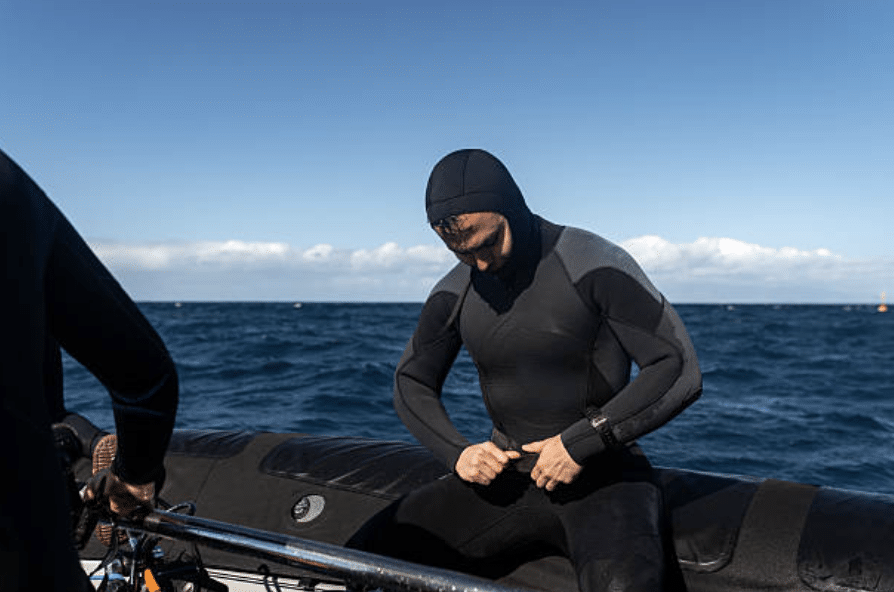
A person in a black wetsuit sits on the edge of an inflatable boat, adjusting the front of their wetsuit, with the sea and a clear blue sky in the background.

Skill Fade Is Inevitable

Motor skills degrade without use. Cognitive procedures blur. Stress responses intensify.

This is not weakness—it is physiology. Technical diving training treats skill fade as inevitable and plans around it through refresher training and deliberate practice.


Why Near-Misses Often Go Unnoticed

Experienced divers often “get away with it” when currency is low. Near-misses are rationalised as bad luck rather than warning signs.

These close calls reinforce false confidence. Advanced technical diving progression encourages divers to treat near-misses as data, not anecdotes.


Equipment Familiarity and Drift

Divers returning after time away may assume equipment familiarity that no longer exists. Configuration changes, new components, or different failure behaviours can catch divers off guard.

Technical diving training requires divers to re-familiarise with equipment deliberately rather than assuming continuity.


Instructor Perspective: Evaluating Currency Honestly

Instructors frequently encounter candidates who are highly experienced but out of practice. The challenge is helping these divers recalibrate without defensiveness.

At N9BO℠, instructors emphasise that refreshing skills is a sign of professionalism—not regression.

Underwater view of a rocky cave opening to bright blue water, with sunlight filtering through. Silhouettes of fish swim among the rocks, and shoals of smaller fish are visible in the clear water.

Maintaining Currency Deliberately

Currency is maintained through:

  • Regular practice dives
  • Skills refreshers
  • Conservative progression
  • Honest self-assessment

Advanced technical diving progression encourages divers to schedule practice with the same discipline as training.


Professional Parallels

In aviation, pilots are grounded if they are not current—regardless of experience. Surgeons retrain on new techniques. Emergency responders drill constantly.

Technical diving adopts this professional ethic. Experience earns respect; currency earns trust.


The Role of Mentorship

Mentors help experienced divers stay current by providing feedback and challenge. Diving alone—or only with less experienced partners—can mask skill decay.

At N9BO℠, mentorship is encouraged across all levels of diving.


The Bottom Line

Experience tells you what can happen.

Currency determines what you can handle today.

In technical diving, yesterday’s competence does not guarantee today’s safety. The most respected divers are not those with the longest logbooks—but those who keep their skills sharp.

At N9BO℠, currency is treated as a responsibility, not an option.

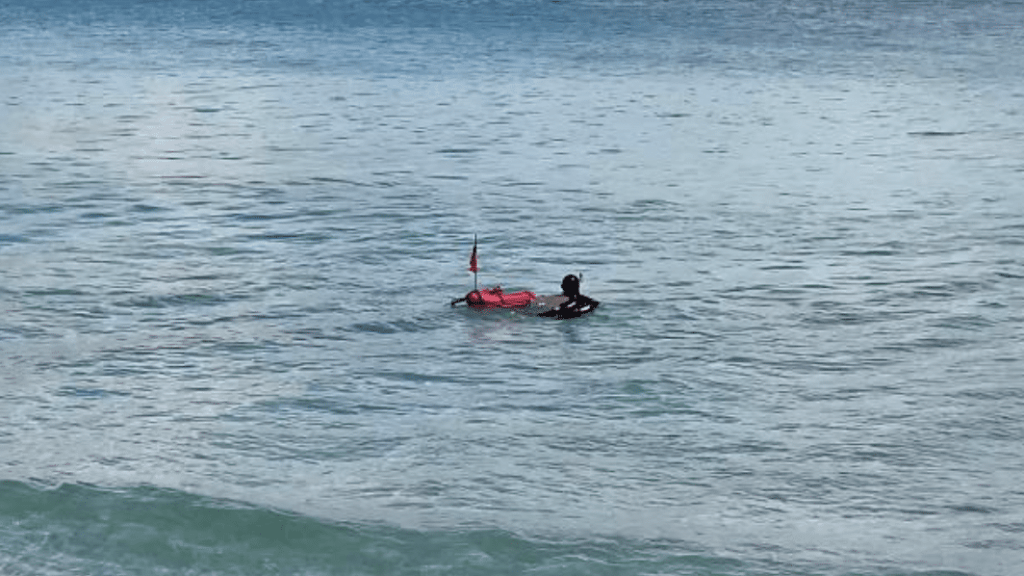
A person wearing a wetsuit floats on the sea next to a small red dinghy with a flag, surrounded by calm blue water.


Been Away From Technical Diving for a While?


Experience without recent practice can create false confidence. Contact us to discuss refreshers and structured skill revalidation.


From the N9BO℠ Knowledge Base

Share this

Decision-Making Underwater: Why Good Choices Depend on Preparation, Not Instinct

The Myth of the “Good Instinct”

Divers often admire those who appear to make fast, confident decisions underwater. This confidence is frequently attributed to instinct—an innate ability to “just know” what to do when something goes wrong.

In reality, instinct is unreliable under stress.

What looks like instinctive decision-making is almost always the result of prior preparation. Technical diving training recognises that humans do not make better decisions when stressed—they make faster decisions, often with less information.

Preparation determines whether those fast decisions are correct.


How Stress Changes Decision-Making

Under stress, the brain narrows its focus. Peripheral awareness drops, working memory shrinks, and emotional responses intensify. These physiological changes are unavoidable.

Divers under stress may:

  • Fixate on one problem
  • Ignore secondary cues
  • Default to familiar actions
  • Delay abort decisions

Advanced technical diving progression trains divers to recognise these stress responses and compensate for them through structure rather than intuition.


Why Experience Alone Is Not Enough

Experience contributes pattern recognition, but it does not eliminate stress responses. Even experienced divers are susceptible to cognitive narrowing when conditions deteriorate.

TDI technical diving courses demonstrate that experience without preparation can lead to confident but flawed decisions. Experience becomes reliable only when paired with disciplined planning and rehearsal.


Preparation as Decision Architecture

Effective decision-making is built on decision architecture—structures that guide behaviour under pressure.

These include:

  • Abort criteria
  • Gas management rules
  • Failure protocols
  • Team communication standards

Each removes the need to invent solutions underwater. Technical diving training treats these structures as essential decision-support systems.

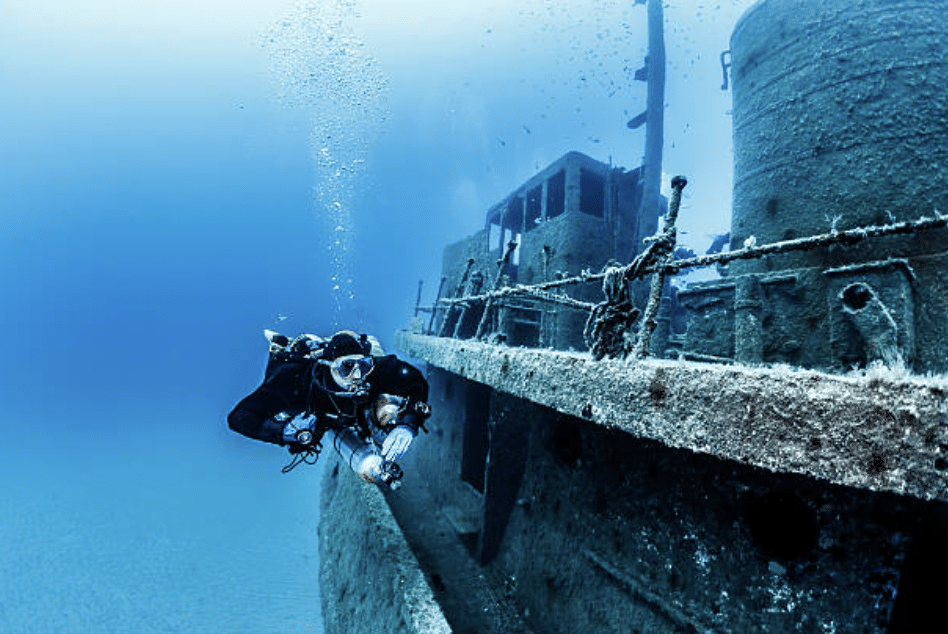
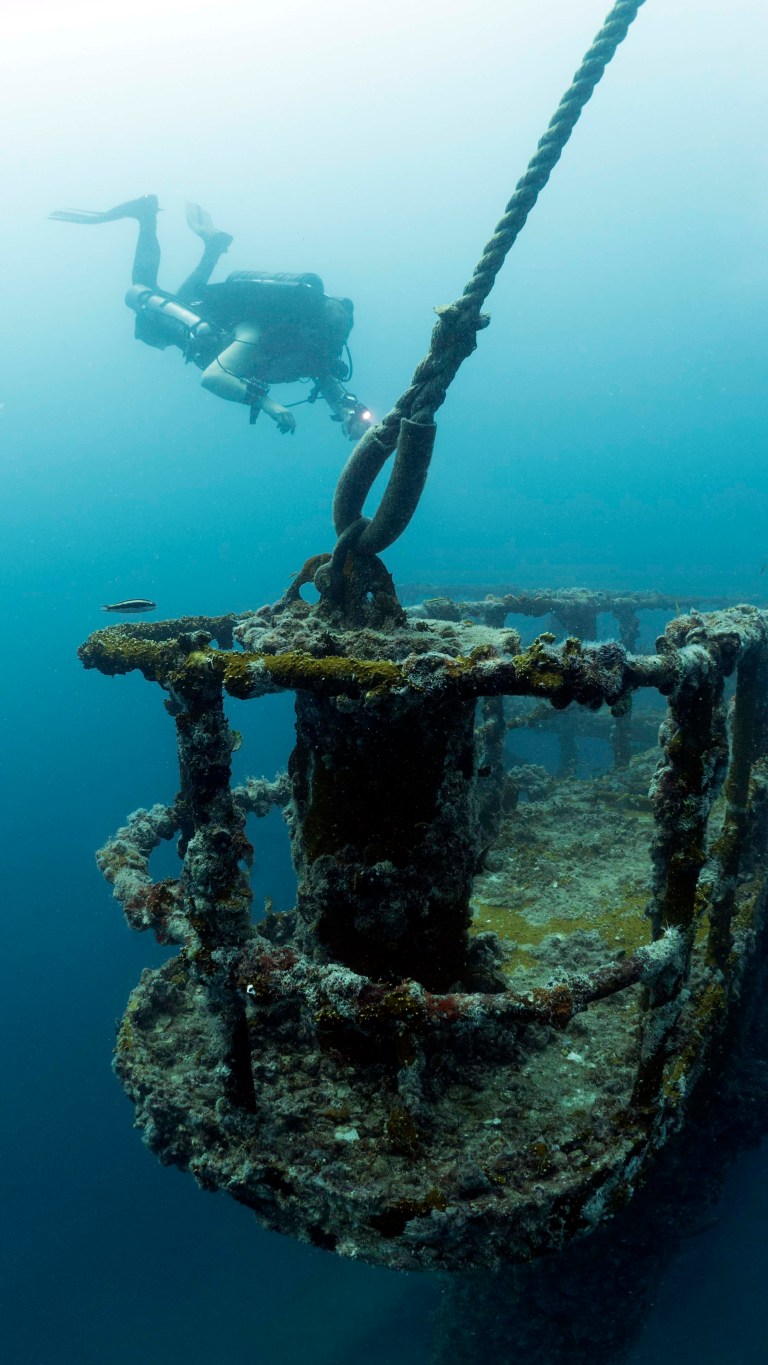
A scuba diver swims alongside a sunken, algae-covered shipwreck on the seabed, surrounded by clear blue water and rising bubbles.

Predefined Responses Reduce Cognitive Load

When responses are predefined, divers do not need to evaluate multiple options in real time. They simply execute known actions.

This reduces hesitation and error. Advanced technical diving progression reinforces procedural memory so that critical actions remain accessible even when cognition is impaired.


The Role of Debriefing in Better Decisions

Debriefing improves future decisions. By analysing what went well and what did not, divers refine their mental models.

At N9BO℠, debriefs focus on decision processes rather than outcomes. A good outcome does not always indicate good decision-making, and vice versa.


When Instinct Works—and When It Doesn’t

Instinct works best in environments where consequences are low and feedback is immediate. Technical diving offers neither.

Delayed consequences, complex interactions, and limited feedback make instinct unreliable. Technical diving training therefore replaces instinct with deliberate practice.


Team Decision-Making

Teams enhance decision quality by distributing cognitive load. When communication is effective, teams catch errors and challenge assumptions.

Advanced technical diving progression teaches teams to externalise decisions through communication rather than internalise them silently.

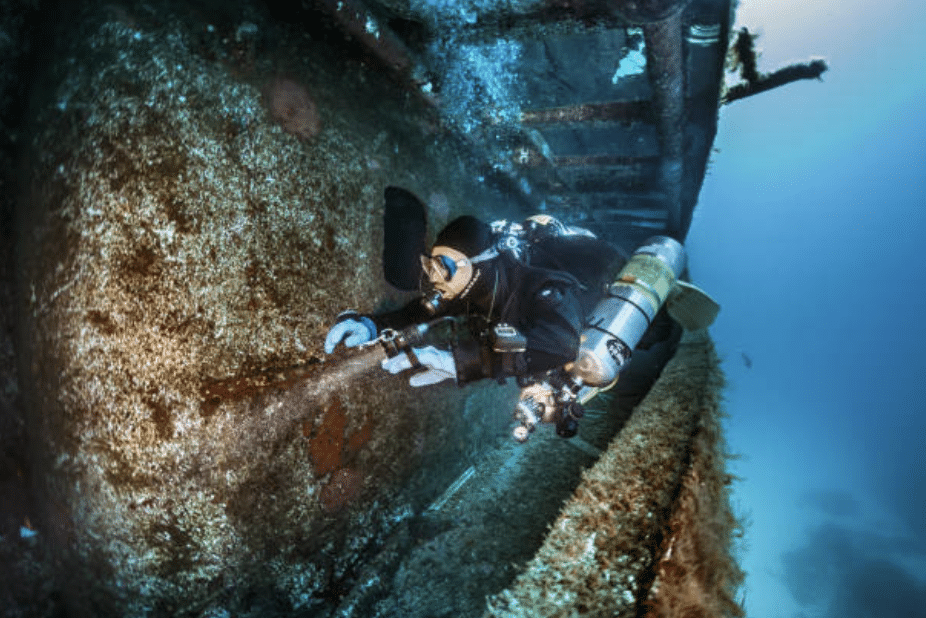
A scuba diver in full kit explores the side of a sunken shipwreck underwater, using a torch to illuminate the structure whilst surrounded by clear blue water.

The Instructor’s Role in Decision Training

Instructors shape how divers think under pressure. By presenting ambiguous scenarios and guiding reflection, instructors help divers develop disciplined judgement.

TDI technical diving courses emphasise that instructors are not decision-makers for students—they are decision architects.


Professional Parallels

In aviation, medicine, and emergency services, critical decisions are guided by protocols and checklists, not gut feeling. These systems exist precisely because instinct fails under stress.

Technical diving aligns with this professional model. At N9BO℠, preparation is treated as the foundation of good judgement.


The Bottom Line

Good decisions underwater are rarely spontaneous.

They are pre-built.

Instinct may guide you on land. Underwater, preparation guides survival. Technical diving rewards those who plan deliberately, train realistically, and remove guesswork before it matters.

A close-up underwater view of a corroded, algae-covered valve wheel on a sunken shipwreck, illuminated by green light.

Want to Improve Underwater Decision-Making?

Reliable decisions underwater come from preparation and repetition, not instinct alone. Contact us to discuss training that builds consistent judgement under pressure.


From the N9BO℠ Knowledge Base


Share this

Task Loading: Why Doing “One More Thing” Can Break a Dive

What Task Loading Really Means

Task loading is not about how many tasks a diver performs, but about how many tasks compete for attention at the same time. In technical diving, even routine actions—buoyancy control, navigation, communication—consume cognitive resources.

When additional tasks are layered on without structure, attention fragments. Technical diving training treats task loading as a predictable stressor that must be managed deliberately, not avoided entirely.

Complexity is inevitable. Loss of control is not.


Why Task Loading Is So Dangerous Underwater

Underwater environments amplify task loading effects. Factors such as narcosis, reduced visibility, cold, and equipment bulk already tax cognitive capacity. Adding tasks can quickly exceed what the brain can manage effectively.

When this happens, divers experience:

  • Narrowed focus
  • Missed cues
  • Delayed responses
  • Poor prioritisation

Advanced technical diving progression is designed to expose these limits safely so divers learn to recognise and respect them.


The Myth of Multitasking

Humans do not multitask well. We switch attention rapidly between tasks, and each switch incurs a cognitive cost. Under stress, this cost increases.

Divers who believe they can “handle more” often confuse confidence with capacity. TDI technical diving courses demonstrate that even highly skilled divers have limits—and that exceeding them leads to predictable failure modes.


Why Experienced Divers Are Vulnerable

Experience can mask task loading risk. Familiar tasks feel automatic, encouraging divers to add more without realising cumulative load.

This is why incidents often involve experienced divers performing “routine” dives. Advanced technical diving progression challenges experienced candidates with controlled task layering to reveal where automation ends.

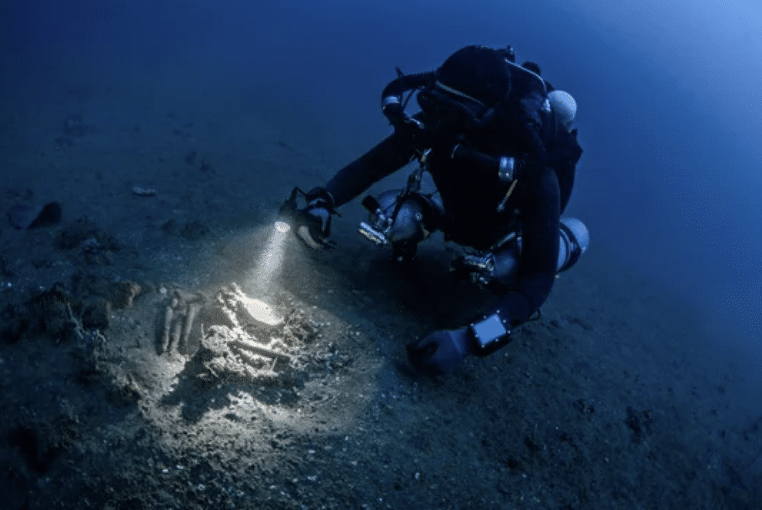
A scuba diver in dark kit uses a torch to examine bones or artefacts on the seabed in deep, blue water.

Early Warning Signs of Overload

Task overload rarely announces itself clearly. Early indicators include:

  • Fixation on a single task
  • Missed depth or time checks
  • Sloppy buoyancy or trim
  • Reduced communication

Recognising these signs early allows divers to pause, simplify, or abort. Technical diving training teaches divers to treat these cues as safety signals, not personal shortcomings.


Training Task Loading Progressively

Effective training introduces task loading gradually. Skills are layered only after foundational behaviours become automatic.

At N9BO℠, instructors resist the temptation to overload candidates prematurely. Complexity is added deliberately, ensuring that control is maintained at every stage.


Task Prioritisation: A Critical Skill

When tasks compete, prioritisation becomes essential. Divers must know which tasks can wait and which cannot.

Advanced technical diving progression teaches divers to prioritise:

  1. Life support
  2. Awareness
  3. Team integrity
  4. Mission objectives

This hierarchy prevents minor tasks from overshadowing critical ones.

Two scuba divers swim underwater in dark, murky conditions, with one diver shining a torch ahead. Bubbles rise above them as they explore the deep, illuminated by a blue-green glow.

The Role of Pausing

One of the most effective responses to overload is pausing. Stopping movement, stabilising position, and taking a breath allows cognitive resources to reset.

Many divers hesitate to pause, fearing it signals weakness. Technical diving training reframes pausing as a professional response, not a failure.


Team-Based Task Management

Teams can distribute task load. Clear role assignment reduces individual burden and improves efficiency.

TDI technical diving courses emphasise explicit task delegation and communication to prevent overload. When everyone assumes someone else is handling a task, no one is.


When Task Loading Requires Aborting

There are moments when task loading exceeds safe limits despite best efforts. Recognising this early and aborting is a mark of competence.

At N9BO℠, aborting due to overload is treated as correct judgement, not defeat.


Professional Parallels

In aviation, medicine, and emergency response, task loading is a well-studied hazard. Professionals are trained to manage complexity through checklists, role assignment, and deliberate pacing.

Technical diving aligns with this model. Divers are trained not to do more, but to do less, better.


The Bottom Line

Task loading does not fail all at once.

It erodes awareness quietly—until it overwhelms it.

The safest divers are not those who can do the most underwater, but those who know exactly how much is too much.

In technical diving, restraint is a skill.

A diver in a black wetsuit and yellow helmet stands on a boat, preparing for a dive. Another person is bent over nearby. The background shows water and a forested shoreline under a cloudy sky.

Feeling Overloaded Underwater?

Adding tasks incrementally can push divers past safe cognitive limits. Contact us to learn how to recognise and manage task loading before it compromises a dive.


From the N9BO℠ Knowledge Base

Share this

Situational Awareness Underwater: The Skill That Prevents Most Accidents

Why Situational Awareness Is Invisible—Until It’s Gone

Most divers believe they are situationally aware until something goes wrong. Situational awareness is difficult to self-assess because it is not a discrete action. It is a continuous cognitive process that operates quietly in the background, integrating,i multiple streams of information into a coherent mental picture.

When situational awareness is intact, dives feel calm and controlled. When it degrades, divers often do not realise it until secondary problems emerge. Technical diving training treats situational awareness as a core competency precisely because its absence is rarely obvious in the moment.


What Situational Awareness Actually Is

Situational awareness underwater consists of three layers:

  1. Perception – noticing relevant cues
  2. Comprehension – understanding what those cues mean
  3. Projection – anticipating what will happen next

Many divers perceive cues—depth changes, gas pressure, teammate position—but fail to integrate them into a meaningful whole. Advanced technical diving progression focuses on building all three layers simultaneously.

Awareness is not about seeing more; it is about understanding better.

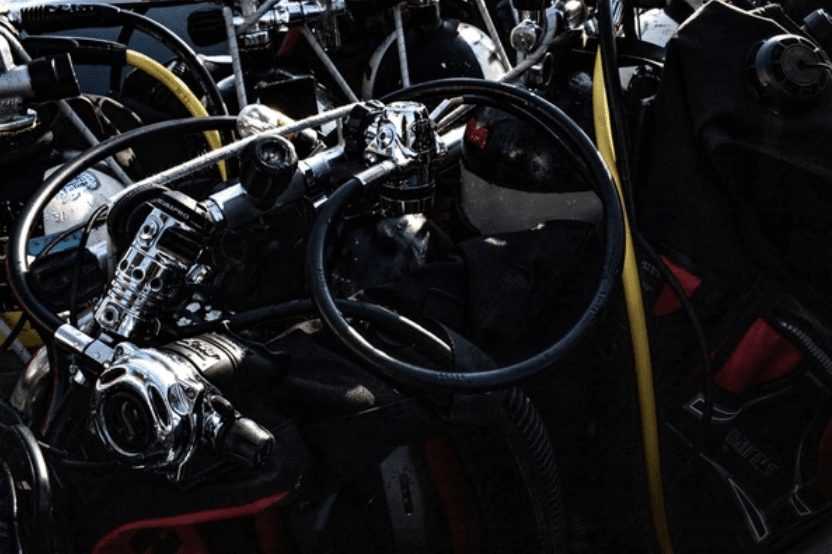
A close-up of scuba diving equipment, including regulators, hoses, and cylinders, tangled together in a pile with some yellow and black hoses visible among the kit.

Why Technical Diving Challenges Awareness

Technical diving environments are hostile to awareness by default. Factors such as narcosis, gas density, task loading, and decompression obligations all compete for attention.

As cognitive demand increases, awareness narrows. Divers may fixate on one task—running a reel, performing a drill—while losing track of depth, time, or team position. TDI technical diving courses deliberately expose this vulnerability so divers can learn to manage it.

Loss of awareness is rarely dramatic. It is gradual, subtle, and dangerous.


Awareness vs Vigilance

Situational awareness is often confused with vigilance. Vigilance implies constant effort, scanning, and monitoring. Awareness, by contrast, is efficient. It relies on mental models that allow divers to detect deviations quickly without constant checking.

Well-trained technical divers do not stare at their gauges continuously. They know where they should be, and deviations stand out immediately. Technical diving training teaches divers to build these internal references.


Task Loading and Awareness Collapse

Task loading is the most common cause of awareness collapse. When too many tasks demand attention simultaneously, divers prioritise the most immediate or familiar one.

This often leads to:

  • Missed ascent cues
  • Delayed gas checks
  • Loss of team positioning
  • Depth creep during stops

Advanced technical diving progression teaches divers to sequence tasks deliberately and to pause when awareness begins to degrade.

Pausing is not failure. It is recovery.


Team Awareness vs Individual Awareness

Teams extend situational awareness. Each diver perceives slightly different cues, and shared awareness emerges through communication and positioning.

Effective teams maintain:

  • Consistent spacing
  • Predictable movement
  • Regular communication

When one diver’s awareness degrades, teammates compensate. Technical diving training reinforces that awareness is a team property, not just an individual one.

View from the back of a boat showing two sets of scuba diving kit, orange life jackets on the deck, a blue carpet, and a metal ladder leading down to the water with waves trailing behind.

Awareness and Decision-Making

Good decisions depend on accurate awareness. Poor awareness leads to decisions based on incomplete or outdated information.

Examples include:

  • Continuing a dive without noticing gas imbalance
  • Delaying ascent without realising decompression impact
  • Missing environmental changes

TDI technical diving courses emphasise that decision-making quality is directly proportional to awareness quality.


Training Awareness Deliberately

Situational awareness does not improve automatically with experience. It must be trained deliberately through:

  • Controlled task loading
  • Scenario-based training
  • Structured debriefing
  • Feedback on missed cues

At N9BO℠, instructors actively observe where awareness collapses and design exercises to strengthen it without overwhelming the diver.


Why Experienced Divers Still Lose Awareness

Experience does not guarantee awareness. Familiar environments can reduce vigilance, and confidence can suppress early warning signs.

Advanced technical diving progression challenges experienced divers by introducing variability—new tasks, altered team roles, changing conditions—to prevent complacency.

Awareness is perishable. It requires maintenance.


Situational Awareness as a Professional Skill

In professional diving domains—public safety, military, commercial—situational awareness is explicitly trained because it prevents escalation.

Technical diving adopts this professional standard. Divers are taught not just to react to problems, but to see them forming.

At N9BO℠, situational awareness is framed as the skill that allows all other skills to function.


The Bottom Line

Most diving accidents are not caused by sudden failures.

They are caused by missed signals.

Situational awareness keeps small issues small. It gives divers time, options, and control. When awareness is lost, margins vanish quickly.

Technical diving rewards those who see early, understand clearly, and act deliberately.

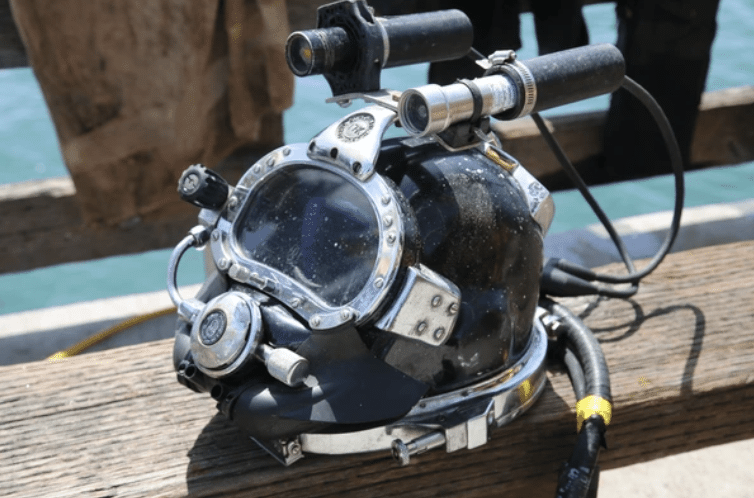
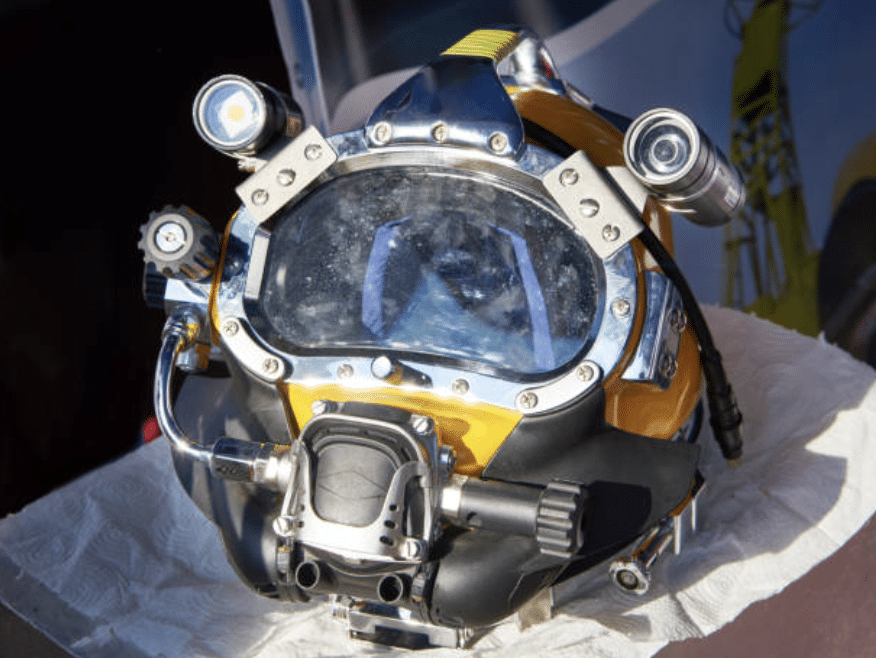
A close-up of a black and silver commercial diving helmet with attached lights and hoses, resting on a wooden surface near water on a sunny day.

Want to Strengthen Situational Awareness?

Situational awareness erodes quietly and fails suddenly. If you want to learn how to recognise and protect it in complex dives, get in touch.


From the N9BO℠ Knowledge Base


Share this

Task Loading Underwater: Why Multitasking Breaks Divers Before Depth Does

What “Task Loading” Actually Means in Diving

Task loading is one of the most frequently mentioned—and least precisely understood—concepts in technical diving. It is often used vaguely to describe moments when “too much is happening.” In reality, task loading refers to the cumulative cognitive demand placed on a diver at any given moment.

Underwater, tasks include:

  • Maintaining buoyancy and trim
  • Monitoring depth, time, and gas
  • Navigating
  • Communicating with the team
  • Managing equipment
  • Responding to environmental conditions

Each task consumes mental bandwidth. When the total demand exceeds the diver’s capacity, performance degrades. Technical diving training is built around managing this load deliberately rather than pretending it can be ignored.


Why Humans Are Poor Multitaskers

Despite popular belief, humans do not multitask well. We rapidly switch attention between tasks, and each switch incurs a cognitive cost. Underwater, this cost is amplified by stress, narcosis, and sensory limitations.

Divers often believe they can “handle it” because tasks feel manageable individually. The problem arises when tasks overlap. Advanced technical diving progression teaches divers to recognise this overlap and avoid stacking demands unnecessarily.

Multitasking underwater is not a skill. It is a risk factor.


How Task Loading Leads to Cascading Failures

Task loading rarely causes immediate catastrophe. Instead, it initiates subtle degradation:

  • Buoyancy becomes less precise
  • Breathing rate increases
  • Awareness narrows
  • Communication drops

These small changes often go unnoticed until a secondary problem appears. A minor issue—such as a delayed response or missed signal—then escalates rapidly because the diver no longer has cognitive capacity in reserve.

TDI technical diving courses emphasise early detection of task saturation precisely to prevent these cascades.

A close-up of a yellow and black commercial diver’s helmet with attached lights and breathing apparatus, resting on a white cloth.

Why Depth Magnifies Task Load

Depth itself does not create task loading, but it magnifies it. Increased gas density, narcosis, and decompression obligation all raise baseline cognitive demand.

A task that feels trivial at 20 metres may require deliberate effort at 50 metres. This is why technical diving training introduces depth gradually, ensuring that core skills are sufficiently automated before additional complexity is added.

Depth exposes cognitive limits; it does not cause them.


Automation: The Only Sustainable Solution

The only way to manage task loading effectively is through automation. When foundational skills—buoyancy, trim, propulsion, gas awareness—require little conscious effort, cognitive capacity becomes available for higher-level tasks.

This is why early technical training can feel repetitive or slow. Advanced technical diving progression prioritises mastery over novelty, recognising that automation is the prerequisite for safe complexity.

Automation is not complacency. It is capacity.


Why “Just Practice More” Is Not Enough

Practice alone does not guarantee automation. Poor practice reinforces inefficient habits. Technical training structures practice deliberately, controlling task order and intensity.

For example, valve drills are introduced only after stable buoyancy is achieved. Navigation tasks are layered only once situational awareness is reliable. TDI technical diving courses sequence learning to prevent overload.

Unstructured practice often creates false confidence rather than competence.

A scuba diver in full kit, including twin oxygen cylinders and fins, swims underwater near a sunken structure, with bubbles rising to the water’s surface.

The Role of Instructors in Managing Task Load

A skilled technical instructor continuously monitors task loading. If a student’s buoyancy degrades during a drill, the issue is not the drill—it is task saturation.

Instructors adjust:

  • Task complexity
  • Environmental conditions
  • Time pressure
  • Performance expectations

This adaptive approach ensures learning occurs without overwhelming the diver. At N9BO℠, managing task load is considered a core instructional skill, not an incidental one.


Team Task Distribution

Teams manage task loading more effectively than individuals. Responsibilities can be distributed:

  • One diver navigates
  • One monitors time
  • One leads ascent cues

This distribution reduces individual cognitive burden and improves overall performance. Technical diving training reinforces that teams are cognitive systems, not just groups of divers.


Recognising Task Saturation Early

One of the most important skills technical divers develop is recognising early signs of overload:

  • Tunnel vision
  • Missed signals
  • Increased finning
  • Shallow or rapid breathing

Recognising these cues allows divers to pause, simplify, and recover before errors compound. Advanced technical diving progression treats this awareness as a professional competency.


Why Simplicity Is a Mark of Expertise

Expert technical divers often appear unhurried and minimalistic. Their dives look simple because unnecessary tasks have been eliminated or automated.

This simplicity is not accidental. It is the result of deliberate planning, disciplined execution, and respect for cognitive limits.

At N9BO℠, divers are taught that complexity is not sophistication. Control is.


The Bottom Line

Technical diving does not demand superhuman multitasking. It demands honest recognition of human limits and structured strategies to stay within them.

Depth challenges the body.

Task loading challenges the mind.

The divers who survive long careers are those who manage both.

A close-up of a yellow and black commercial diver’s helmet with attached lights and breathing apparatus, resting on a white cloth.

Struggling With Task Overload Underwater?

Managing task loading is critical to safe performance. If you’d like to improve awareness and control under pressure, get in touch.


From the N9BO℠ Knowledge Base

Share this

Why Buoyancy and Trim Fail Most Tech Candidates

The Illusion of “Good Enough” Buoyancy

Many divers enter technical training confident in their buoyancy control. After all, they can hover, maintain safety stops, and hold position during recreational dives. Yet within the first days of technical training, that confidence is often shaken.

This is not because technical instructors impose unrealistic expectations, but because technical environments expose buoyancy control under conditions recreational diving never does. Increased equipment mass, task loading, failure drills, and decompression obligations all place demands on control that recreational dives rarely reveal.

In recreational diving, buoyancy errors are often inconsequential. A one-metre deviation during a safety stop may go unnoticed. In technical diving, the same deviation can affect decompression accuracy, gas consumption, and team coordination. This is why technical diving training treats buoyancy as a foundational safety system, not a comfort skill.


Buoyancy Under Task Load: Where Control Breaks Down

The most revealing moment for buoyancy control is not when a diver is motionless, but when they are occupied. Valve drills, gas switches, reel work, navigation, or simulated failures divide attention. When buoyancy is not automatic, it becomes the first thing to degrade.

This phenomenon is well understood in human performance science: when cognitive load increases, less automated tasks suffer. TDI technical diving courses deliberately introduce task loading to expose this effect in a controlled environment, allowing instructors to identify whether buoyancy is truly ingrained or merely situational.

Divers who rely on constant visual reference, frequent inflator adjustments, or exaggerated fin movement often discover that these compensatory habits fail under stress. Technical training removes these crutches early—sometimes uncomfortably so.

A scuba diver in full kit swims underwater near a flat, grid-like structure on the seabed, with another diver visible in the background. Blue water and sunlight filter from above.

Trim as a Functional Requirement, Not a Visual Preference

Trim is often dismissed as an aesthetic concern, associated with photographs rather than function. In reality, trim directly influences almost every aspect of technical diving performance.

A diver who is head-up or foot-heavy experiences increased drag, higher gas consumption, and reduced stability. More importantly, poor trim interferes with task execution: valves are harder to reach, fin kicks become inefficient, and maintaining position relative to teammates becomes inconsistent.

In overhead or low-visibility environments, trim errors have environmental consequences as well. Silt disturbance can eliminate visibility, turning manageable situations into high-risk ones. Advanced technical diving progression treats trim as an environmental and operational control mechanism, not a stylistic choice.


Buoyancy, Trim, and Decompression Accuracy

Once mandatory decompression is introduced, buoyancy control becomes directly linked to physiological safety. Decompression schedules are calculated based on depth and time assumptions. Deviations—particularly repeated oscillations—alter inert gas loading in ways dive computers may not fully capture.

This is why PADI Tec training programmes and TDI technical diving courses emphasise depth stability during stops. It is not about “looking good,” but about reducing unnecessary physiological stress.

Divers who struggle to hold precise depths during simulated stops often experience increased anxiety, further degrading control. This feedback loop is one of the most common early barriers to progression.


The Compounding Effect of Equipment

Technical equipment increases both capability and complexity. Twin cylinders, stage bottles, and redundant systems add mass and inertia. Poor buoyancy habits that were manageable with a single cylinder become amplified.

Equipment also changes how divers interact with their buoyancy systems. Gas shifts during ascent, suit inflation dynamics, and cylinder buoyancy characteristics must all be managed deliberately. Technical diving training teaches divers to anticipate these changes rather than react to them.

Candidates who treat buoyancy as something “the equipment will handle” quickly discover the opposite: technical equipment demands better buoyancy skill, not less.

A scuba diver wearing blue fins and a wetsuit swims underwater above a sandy sea floor with scattered rocks and coral, surrounded by blue-green water.

Psychological Pressure and Control Degradation

Stress plays a subtle but significant role in buoyancy and trim failures. Divers under evaluation often experience performance anxiety, leading to shallow breathing, rapid adjustments, or rushed movements. These behaviours destabilise buoyancy further.

Technical training environments are intentionally structured to normalise evaluation. Advanced technical diving progression encourages divers to slow down, breathe deliberately, and accept imperfection while maintaining control.

This psychological component is often overlooked in informal practice, yet it is critical for consistent performance in real operations.


Why These Failures Are Predictable—and Preventable

The fact that buoyancy and trim issues are so common does not indicate poor candidates; it reflects a predictable mismatch between recreational experience and technical demand. Recreational training simply does not require buoyancy to function under the same constraints.

The good news is that these failures are also highly correctable. Divers who dedicate time to refining buoyancy and trim before entering technical courses often progress faster, retain more information, and experience less stress during training.

At N9BO℠, early technical training is structured to diagnose and address these issues methodically, ensuring that candidates build competence rather than merely surviving the course.


Control as a Professional Standard

Ultimately, buoyancy and trim are not personal preferences. They are professional standards in technical diving. Divers who achieve stable, repeatable control-free mental capacity for planning, communication, and decision-making—the skills that truly define technical competence.

Technical diving does not demand perfection. It demands consistency.

A scuba diver in underwater gear and a red hood photographs a banded sea snake slithering across sandy ocean floor with patches of green seagrass.

Importantly, buoyancy and trim are not aesthetic concerns; they are safety mechanisms. Stable divers think more clearly, communicate better, and consume less gas.

At N9BO℠, buoyancy and trim are treated as professional competencies, not stylistic preferences, forming the backbone of Advanced technical diving progression.

Sunlight filters through the clear blue water, illuminating underwater rock formations and coral on the ocean floor, creating serene patterns of light and shadow.

Struggling With Buoyancy and Trim?

We can help you identify and correct the underlying issues that limit progression in technical diving.


From the N9BO℠ Knowledge Base


Share this

Facebook
Instagram
X (Twitter)
TikTok
Youtube
Whatsapp