Control Feels Safe — Until It Isn’t
Control is comforting. Divers who feel in control believe they can manage any situation through effort, attention, and force of will.
Underwater, this mindset quickly breaks down. The environment is dynamic, imperfect, and resistant to domination. Technical diving training teaches divers to recognise the limits of control early.
The Cost of Over-Control
Divers who try to control everything tend to:
- Over-manage buoyancy
- Over-breathe
- Over-monitor instruments
- Over-correct small deviations
Each attempt to force control increases workload and stress. Advanced technical diving progression shows that control pursued aggressively often creates the very instability divers are trying to avoid.
Control vs Influence
Professional divers shift from controlling the environment to influencing outcomes.
They adjust posture, breathing, pacing, and positioning to work with conditions rather than against them. Technical diving training reframes control as adaptability.
When Control Turns Into Rigidity
Rigid control reduces flexibility. When conditions change, rigid divers resist adaptation, wasting time and energy.
Advanced technical diving progression teaches divers to release rigid expectations and respond fluidly instead.

Letting Go Is Not Giving Up
Letting go does not mean abandoning standards or discipline. It means releasing unnecessary tension.
Divers who relax into proper trim, buoyancy, and breathing often regain more effective control than those who force corrections. Technical diving training emphasises efficiency over effort.
Instructor Perspective: Teaching Release
Instructors frequently observe students “trying too hard.”
At N9BO℠, instructors coach candidates to do less—slower movements, softer finning, calmer breathing—resulting in immediate performance improvement.
Control Under Stress
Stress tempts divers to clamp down harder. Muscles tense, breathing accelerates, awareness narrows.
Advanced technical diving progression teaches divers to recognise this reflex and counter it deliberately.
Team Effects of Over-Control
Over-controlling divers often disrupt team flow—rushing, stopping abruptly, or breaking formation.
Professional teams value smooth, predictable movement. Technical diving training teaches divers to control themselves, not others.
Environmental Acceptance
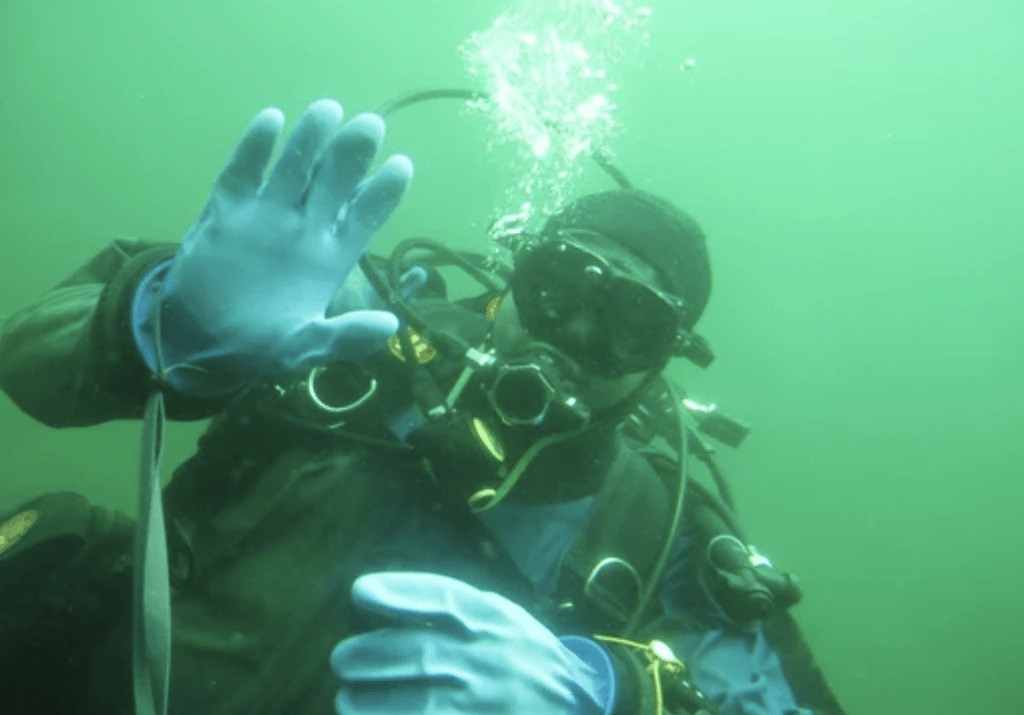
Currents, visibility, and thermal layers cannot be controlled—only managed.
Divers who accept environmental realities adapt faster and safer. Advanced technical diving progression treats acceptance as a tactical advantage.
Professional Parallels
In aviation and tactical operations, pilots and operators are trained to manage systems—not dominate them.
Technical diving mirrors this philosophy. Control emerges from alignment, not force.
The Bottom Line
Control is not something you take.
It is something you earn by letting go of what doesn’t matter.
In technical diving, the calmest divers are often the most effective—not because they control everything, but because they control the right things.
At N9BO℠, mastery begins when tension ends.
Trying to Control Everything Underwater?
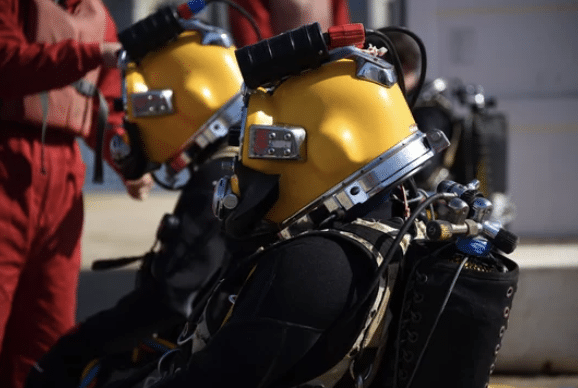
Effective divers learn to manage what matters and let go of what cannot be controlled. Contact us to discuss training that improves awareness, adaptability, and calm decision-making.
From the N9BO℠ Knowledge Base