Fire Safety in Dive Operations: The Risk Most Centres Underestimate
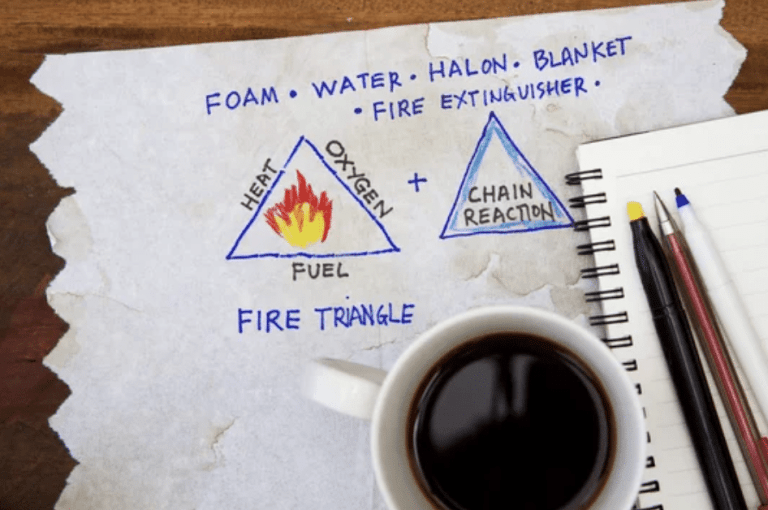
Diving Operations Create a Perfect Fire Triangle
Dive facilities routinely combine:
- Oxygen and enriched gas
- Electrical systems and compressors
- Fuel, lubricants, and solvents
- Confined or poorly ventilated spaces
This combination significantly elevates fire risk. Professional dive operations must treat fire safety as a primary hazard, not a background concern.
Oxygen Changes Fire Behaviour
Oxygen does not burn—but it accelerates combustion dramatically.
Materials that smoulder in air can ignite violently in oxygen-enriched environments. Fire safety in dive centres must account for oxygen-specific behaviour, not general assumptions.
Compressor Rooms Are High-Risk Zones
Compressors generate heat, pressure, and electrical load.
Without proper ventilation, maintenance, and housekeeping, compressor rooms become ignition points. Professional facilities implement strict compressor fire protocols.
Electrical Systems and Improvised Modifications
Temporary wiring, overloaded circuits, and improvised repairs are common in dive operations.
These practices significantly increase ignition risk. Professional fire safety training emphasises electrical discipline and inspection.
Instructor Perspective: The False Sense of Security
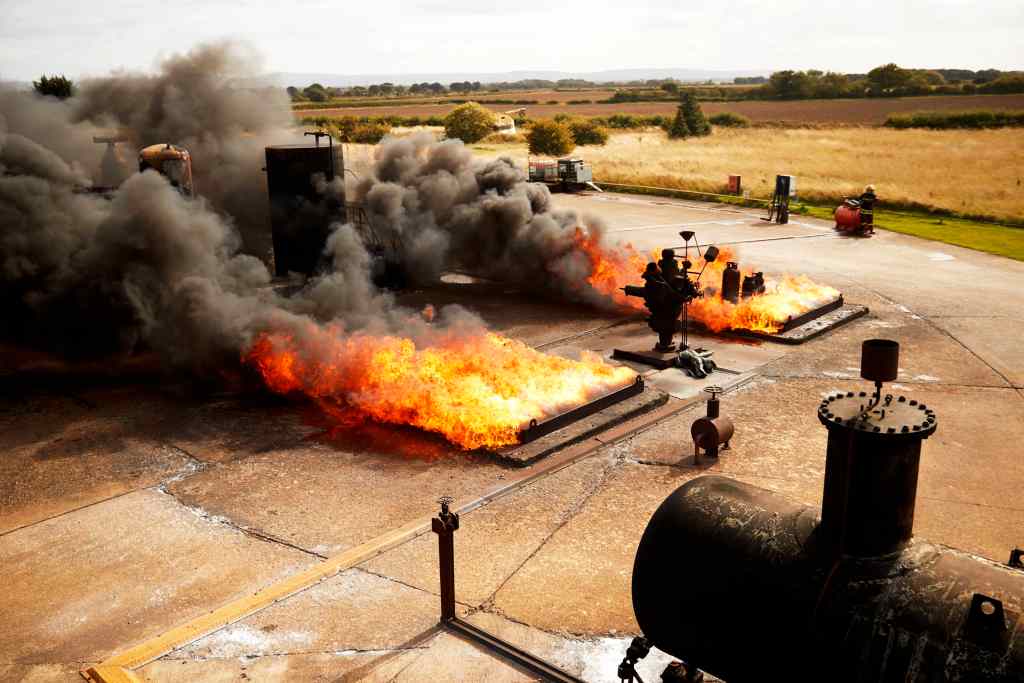
Many operators assume that “nothing has ever happened” means nothing will.
At N9BO℠, fire safety training actively challenges complacency by analysing real incidents—most of which began with small, ignored risks.
Fire Response Is Not Intuitive
Panic, smoke, and heat degrade decision-making instantly.
Without training, staff often:
- Use incorrect extinguishers
- Delay evacuation
- Endanger casualties and responders
Fire response must be trained, not improvised.
Correct Fire Suppression Matters
Using the wrong extinguisher in an oxygen-rich or electrical fire can worsen the situation.
Professional fire safety training ensures staff understand:
- Fire classes
- Suppression limits
- Evacuation triggers
Layout and Housekeeping Save Lives
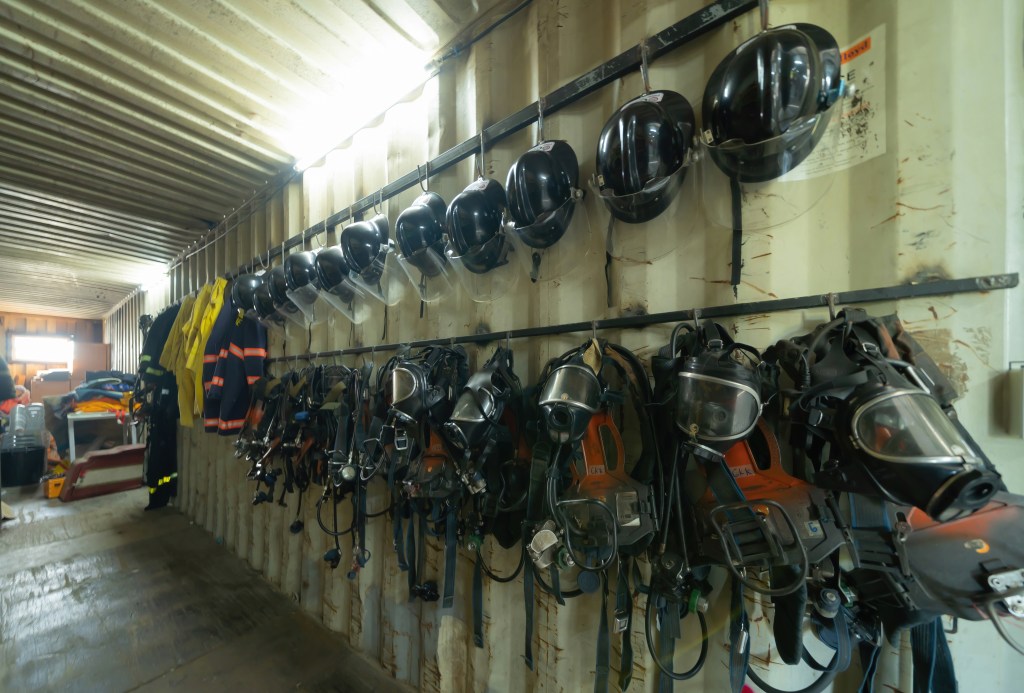
Fire safety begins with design:
- Clear exits
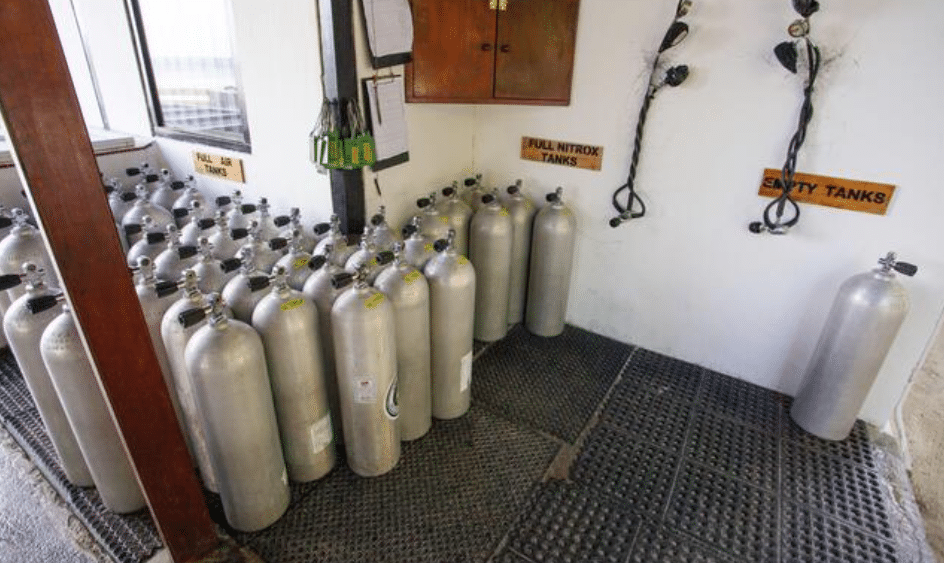
- Segregated gas storage
- Clean workspaces
- Accessible extinguishers
Professional operations treat layout as a safety system.
Fire Safety and Emergency Planning
Fire response must integrate into broader emergency plans.
Evacuation routes, communication, and accountability are critical. Professional emergency management training aligns fire response with overall incident control.
Professional Parallels
In industrial, medical, and offshore environments, fire safety is audited continuously.
Dive operations face comparable risks and require the same seriousness.
The Bottom Line
Fire is rare—but unforgiving.
Dive centres that ignore fire safety gamble with lives, livelihoods, and reputations. Professional fire safety planning transforms an underestimated risk into a controlled hazard.
At N9BO℠, fire safety is treated with the same discipline as diving itself.

Reviewing Fire Safety in Your Dive Operation?
Fire risk in diving environments is real and often underestimated. Contact us to discuss fire safety awareness and operational risk training.
From the N9BO℠ Knowledge Base