Understanding Oxygen as a High-Risk Gas
Oxygen is not flammable, but it supports combustion. In oxygen-enriched environments, materials ignite more easily, burn more intensely, and are significantly harder to extinguish.
This changes the risk profile of standard materials and environments. Substances that are stable in air may become hazardous when exposed to high oxygen concentrations.
Key risk factors include:
- Increased flammability of materials
- Rapid fire propagation
- Sensitivity to contamination such as oil or grease
Even small ignition sources can result in severe incidents when oxygen is present.
At N9BO℠, we treat oxygen not only as a life-support gas, but as a controlled hazard requiring strict management.
Storage Requirements and Environmental Control
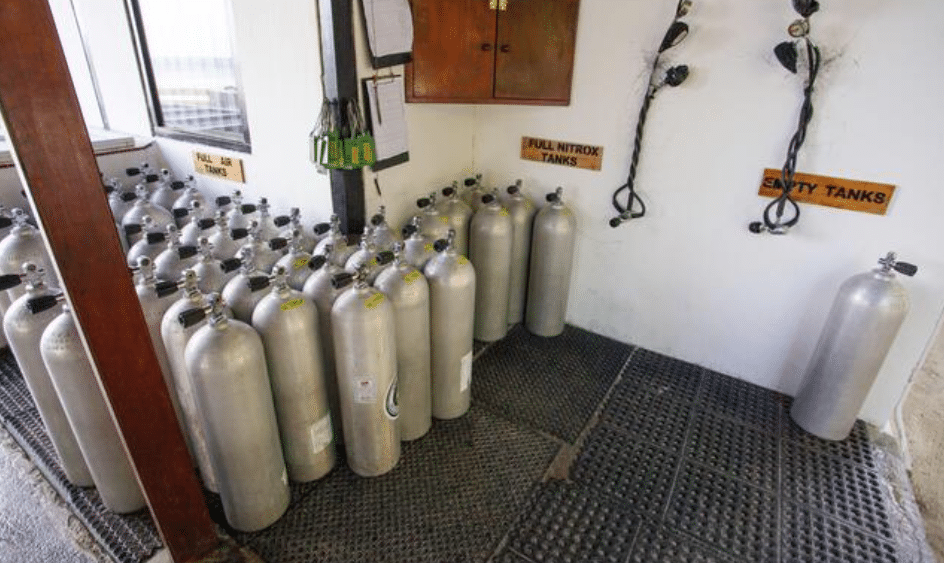
Oxygen cylinders must be stored in conditions that reduce the risk of fire, damage, and contamination. Storage areas must be designed to control both environmental and operational factors.
Key storage requirements include:
- Well-ventilated areas to prevent accumulation
- Protection from direct sunlight and heat sources
- Separation from flammable materials and fuels
- Secure positioning to prevent falling or impact
Cylinders must be clearly identified and segregated from other gases where necessary. Mixing oxygen with incompatible storage conditions increases risk.
Temperature control is critical. Elevated temperatures increase internal pressure and may compromise cylinder integrity.
At N9BO℠, oxygen storage is treated as a controlled environment, not a general equipment area.
Cleanliness and Contamination Control
One of the most critical aspects of oxygen handling is cleanliness. Oxygen systems must remain free from contaminants, particularly hydrocarbons such as oil or grease.
Contamination introduces ignition risk. Under pressure, even small amounts of oil can ignite spontaneously in oxygen-rich environments.
Control measures include:
- Using only oxygen-clean equipment and components
- Ensuring all fittings and valves are free from contaminants
- Prohibiting the use of standard lubricants unless oxygen-compatible
Handling procedures must prevent contamination during connection, transport, and use.
At N9BO℠, oxygen cleanliness is treated as a non-negotiable standard. Any uncertainty requires immediate corrective action.
Cylinder Handling and Transport
Improper handling of oxygen cylinders introduces both mechanical and fire risk. Cylinders must be managed carefully at all times.
Safe handling practices include:
- Securing cylinders during transport to prevent movement
- Avoiding impact, dropping, or rolling
- Using appropriate lifting techniques or equipment
- Keeping valve protection in place when not in use
Opening valves must be done slowly and deliberately. Rapid pressurisation increases temperature and may introduce ignition risk.
Transport within operational areas must also consider environmental factors, including proximity to heat sources or fuel.
At N9BO℠, cylinder handling is standardised to reduce variability and prevent error.
Filling Procedures and Pressure Control
Oxygen filling introduces additional risk due to high pressure and the potential for rapid temperature increase.
Filling must be conducted:
- Slowly, to control heat generation
- Using oxygen-compatible equipment
- Within rated pressure limits
Adiabatic heating during rapid filling can create ignition conditions, particularly if contamination is present.
Operators must monitor pressure and temperature throughout the process. Any abnormal readings or behaviour requires immediate shutdown.
At N9BO℠, oxygen filling is treated as a controlled operation requiring trained personnel and strict adherence to procedure.
Equipment Compatibility and System Integrity
Not all equipment is suitable for oxygen use. Materials and components must be compatible with high oxygen concentrations.
This includes:
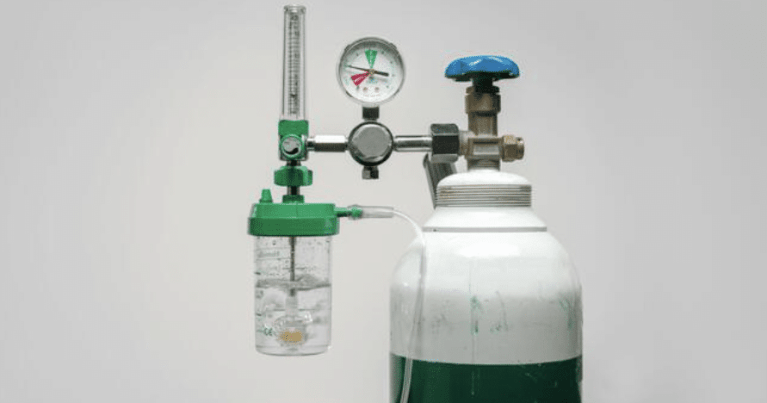
- Regulators designed for oxygen service
- Hoses and seals rated for oxygen use
- Valves and fittings free from incompatible materials
Using non-compatible equipment increases the risk of ignition or failure.
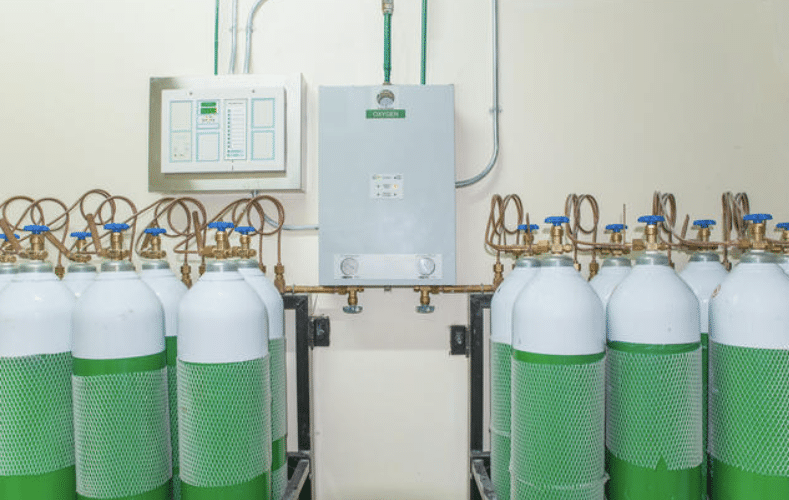
System integrity must be maintained across all components. A single incompatible element compromises the entire system.
At N9BO℠, we ensure that all oxygen systems are verified for compatibility and maintained accordingly.
Fire Risk and Emergency Preparedness
Oxygen increases both the likelihood and severity of fire. This requires additional precautions in operational environments.
Fire risk is elevated in the presence of:
- Heat sources or open flames
- Electrical equipment with potential faults
- Contaminated surfaces or materials
Emergency preparedness must include:
- Fire extinguishers appropriate for the environment
- Clear evacuation procedures
- Immediate isolation of oxygen supply in case of incident
Personnel must be trained to recognise fire risk and respond quickly.
At N9BO℠, fire prevention and response are integrated into oxygen handling procedures.

Training and Operational Discipline
Safe oxygen handling depends on personnel competence. Training must cover both theoretical understanding and practical application.
Key training areas include:
- Properties and risks of oxygen
- Correct handling and storage procedures
- Recognition of contamination and system issues
- Emergency response actions
Operational discipline ensures that procedures are followed consistently. Deviation from standard practice introduces risk.
At N9BO℠, we treat oxygen handling as a specialist function requiring trained and accountable personnel.
Integration with Dive Operations
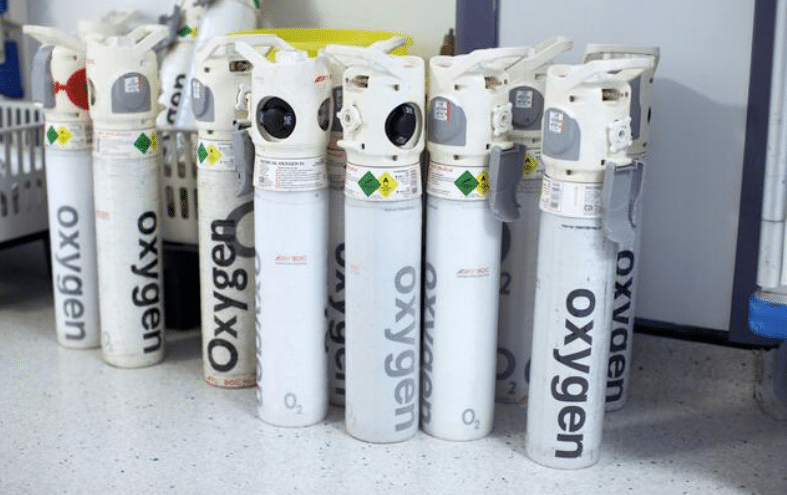
Oxygen is used across multiple aspects of dive operations, including decompression, first aid, and gas blending. This requires consistent standards across all uses.
Integration ensures:
- Consistent handling procedures
- Standardised equipment compatibility
- Clear responsibility and accountability
Failure in one area affects the entire system. Oxygen safety cannot be isolated to a single task.
At N9BO℠, we integrate oxygen management into overall operational control, ensuring consistency across all applications.
Operational Mindset
Oxygen handling is not routine. It is a controlled process that requires constant attention to detail, discipline, and adherence to standards.
The risks associated with oxygen are well understood, but incidents still occur due to complacency, contamination, or procedural failure.
At N9BO℠, we emphasise that safety is achieved through consistency. Procedures must be followed every time, without exception.
In dive operations, oxygen is essential—but it must be managed with the respect required by its risk profile.
Handle Oxygen with Control and Discipline
Contact N9BO℠ to integrate oxygen safety and handling standards into your dive operations, ensuring safe and compliant management of critical gas systems.
From the N9BO℠ Knowledge Base