Maritime Incidents Are Fast, Complex, and Unforgiving
At sea, there is no pause button.
Weather shifts, vessels move, visibility changes, and communication degrades rapidly. Offshore incidents demand immediate structure, not improvisation.
Why ICS Fits the Maritime Environment
ICS was designed for environments where:
- Multiple teams converge
- Conditions evolve rapidly
- Resources are limited
- Authority must be clear
Offshore platforms and vessels match this profile perfectly.
Command Clarity Prevents Chaos
Without ICS, offshore incidents often suffer from:
- Conflicting orders
- Duplicate actions
- Missed priorities
- Information overload
ICS establishes one Incident Commander, even if that role later transfers.
Instructor Perspective: Informal Leadership Fails Offshore
Instructors frequently observe offshore teams relying on experience rather than structure.
At N9BO℠, training reinforces that experience without command discipline collapses under stress.

ICS Roles Offshore
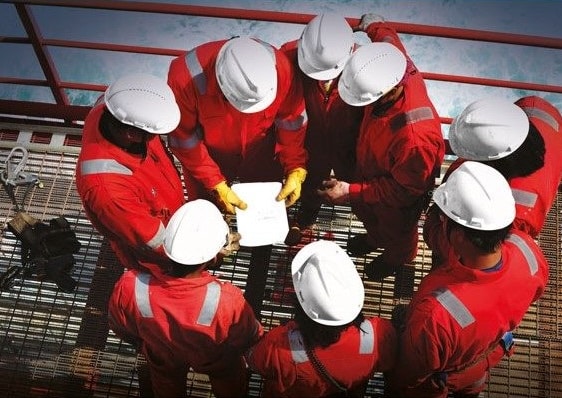
ICS defines roles that map directly to maritime operations:
- Incident Commander (overall authority)
- Operations (response actions)
- Logistics (equipment, evacuation, support)
- Planning (situation tracking, forecasts)
- Medical (casualty care and medevac coordination)
Each role reduces cognitive load on leadership.
Communication Discipline at Sea
ICS standardises communication:
- Who speaks
- What is reported
- When updates occur
This prevents radio congestion and misinterpretation—critical offshore where comms are fragile.
Integration With Maritime Authorities
ICS aligns seamlessly with:
- Coast Guard
- Port authorities
- Offshore emergency response teams
This interoperability saves time when external support arrives.
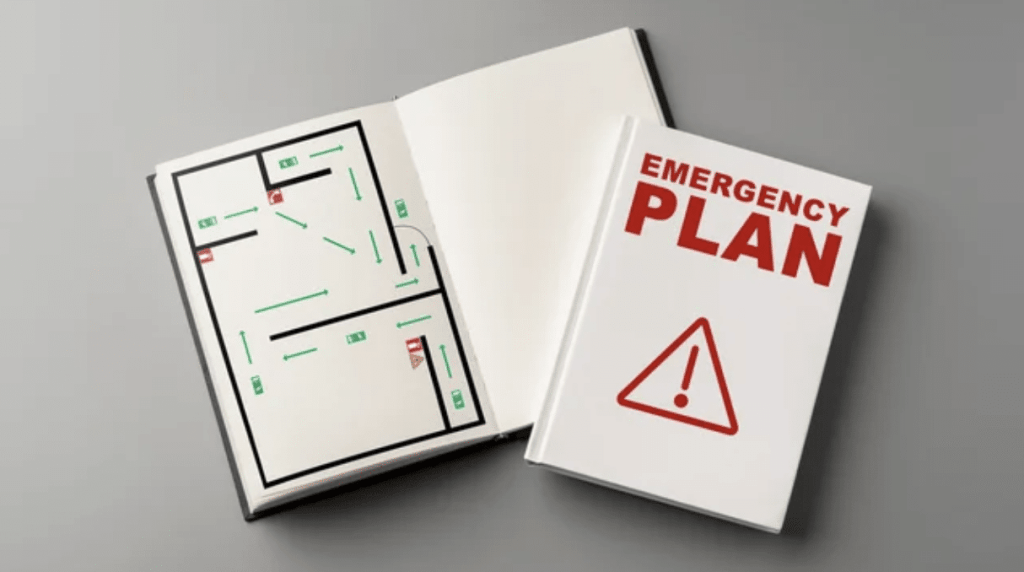
Evacuation and MedEvac Decision Authority
ICS clarifies who decides:
- When to evacuate
- Who evacuates first
- How medevac assets are deployed
Clear authority prevents dangerous hesitation or premature evacuation.
Scalability Offshore
ICS scales from:
- A single vessel incident
- To multi-platform emergencies
- To regional maritime responses
Structure remains consistent as complexity grows.
Professional Parallels
Naval operations, offshore drilling, and maritime SAR all rely on ICS-derived command structures.
Diving and offshore operations that ignore this reality accept unnecessary risk.
The Bottom Line
At sea, confusion kills faster than conditions.
ICS provides the structure that transforms chaos into coordinated action. At N9BO℠, maritime and offshore ICS training ensures leaders can command decisively—when time, clarity, and lives are on the line.
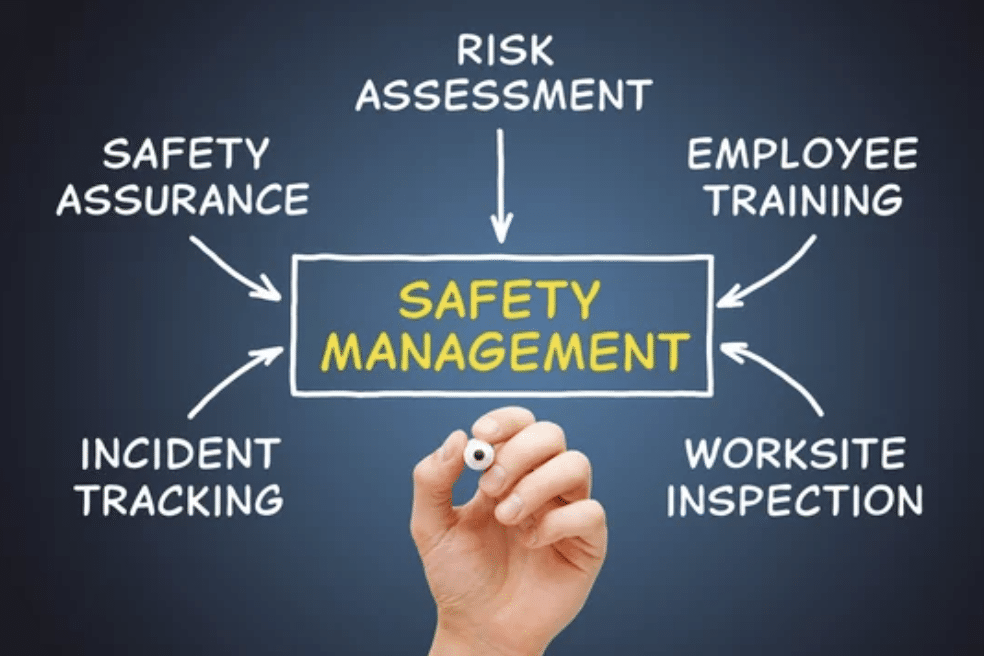
Need Structured Incident Command Offshore?
Applying ICS principles offshore improves coordination and decision-making during maritime emergencies. Contact us to discuss ICS training tailored to offshore operations.
From the N9BO℠ Knowledge Base