Purpose of the Intro to Tech Course
The TDI Intro to Tech course is designed to bridge the gap between recreational and technical diving by introducing structure where flexibility previously existed. While dives remain within no-decompression limits, the way they are planned and executed changes significantly.
The course removes tolerance for inconsistency. Every dive must follow a defined plan, and every action must align with that plan. This establishes control early, before additional risk factors are introduced.
At N9BO℠, we treat Intro to Tech as a performance standard, not a progression in exposure.
From Recreational Flexibility to Technical Discipline
Recreational diving allows adaptation. Technical diving requires consistency. Intro to Tech introduces this distinction by tightening acceptable performance margins.
Divers are expected to maintain stable buoyancy, consistent trim, and controlled movement at all times. Small inefficiencies that were previously manageable become visible and must be corrected.
This is where most divers experience the real shift. The course is not about doing more—it is about doing everything better.
At N9BO℠, we emphasise that technical diving begins when variability is removed.
Equipment Configuration as an Operational System
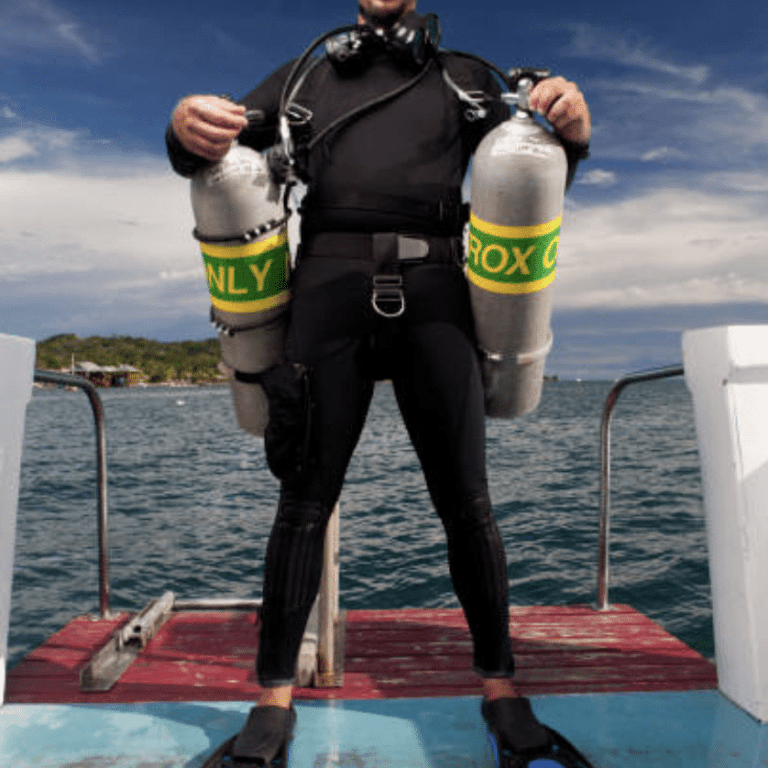
Equipment configuration is introduced as a structured system. Whether using doubles or sidemount, the objective is predictability and clarity.
Each component must have a defined position and function. This ensures that equipment can be accessed and used without hesitation, even under increased task load.
Poor configuration creates unnecessary complexity. It forces the diver to think about equipment instead of focusing on the dive.
At N9BO℠, we treat configuration as part of the dive plan. It must support execution, not interfere with it.
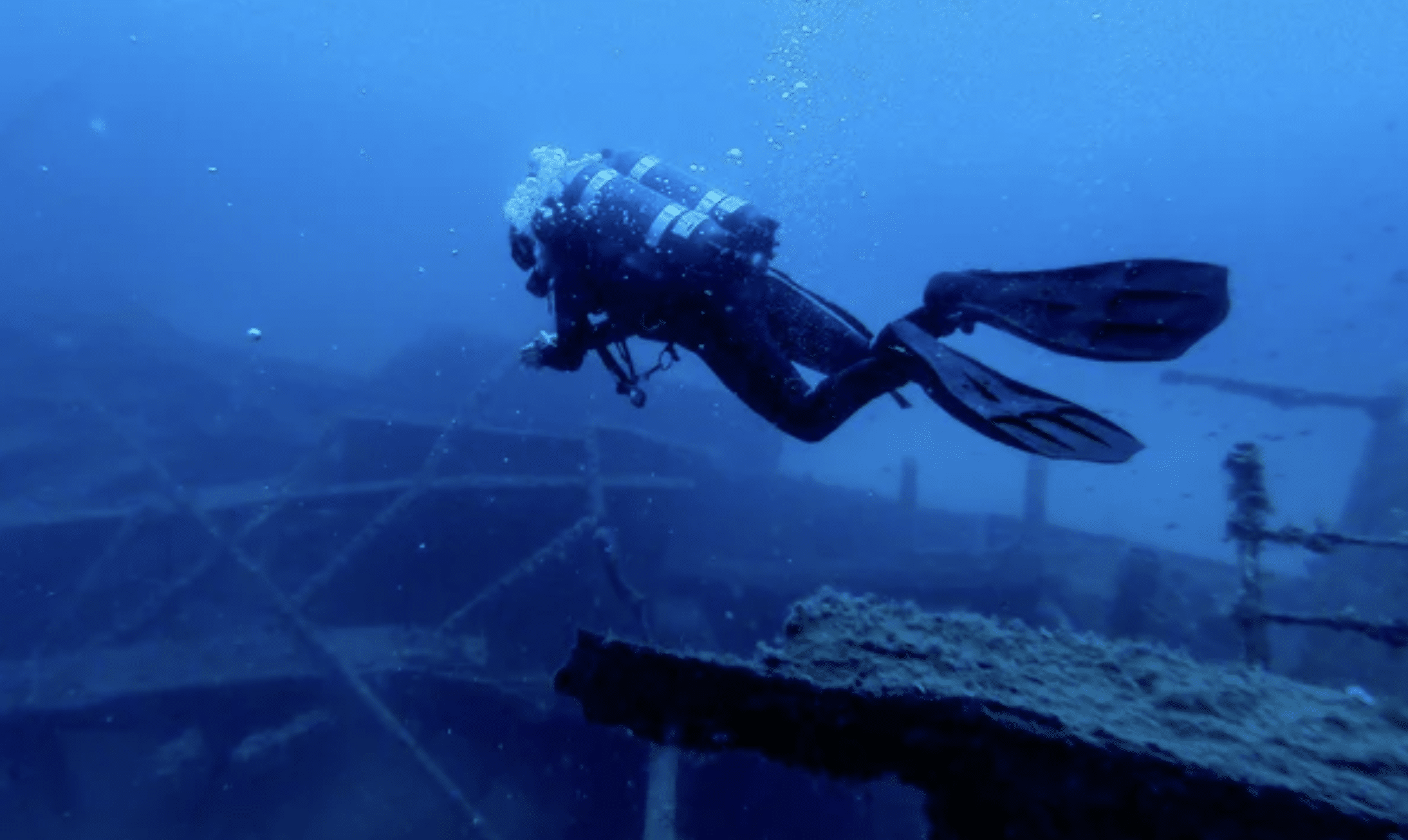
Control of Buoyancy, Trim, and Movement
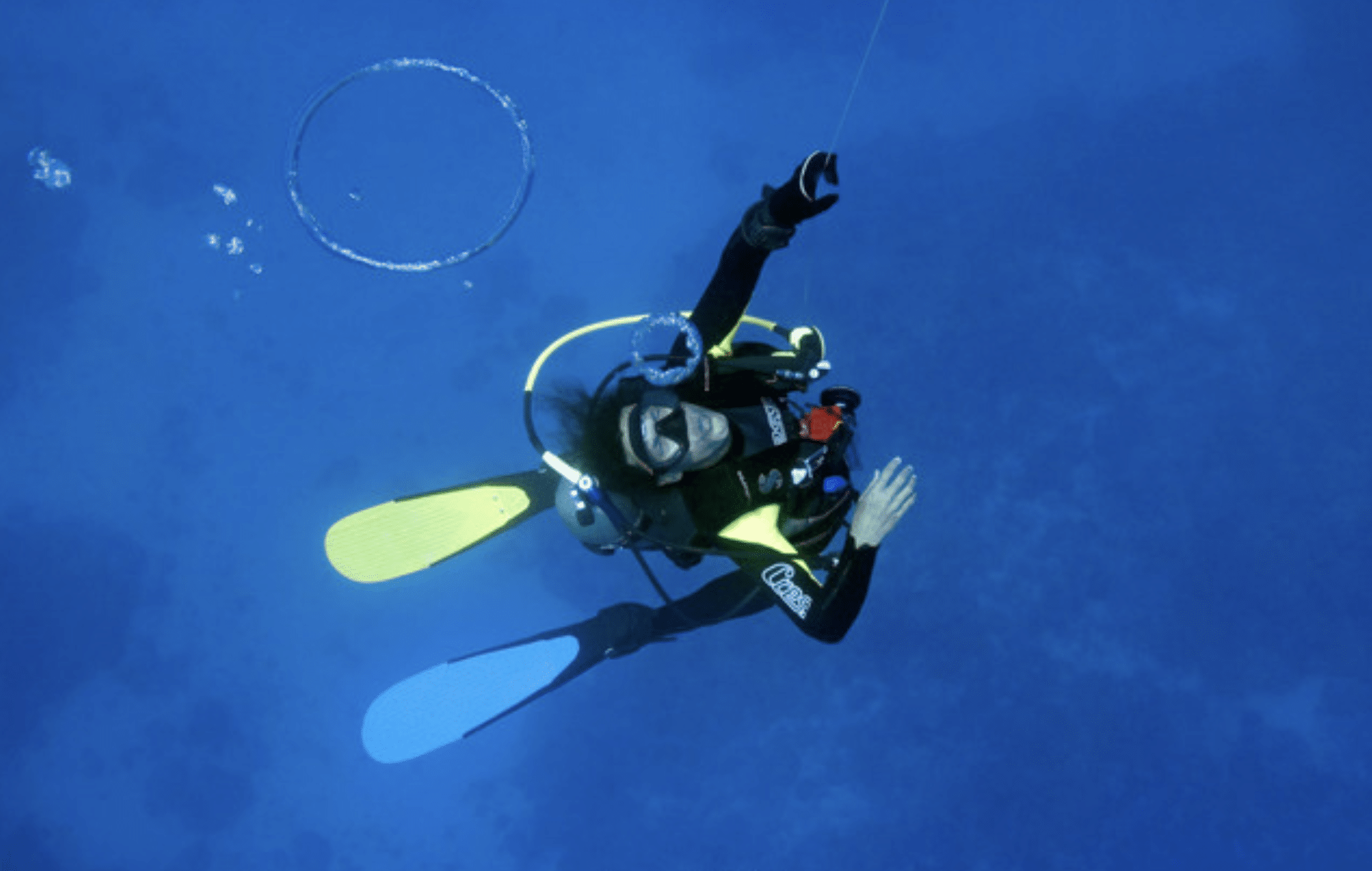
The core of the course is control. Divers must demonstrate the ability to hold position in the water while performing tasks.
Buoyancy must remain stable without constant correction. Trim must be horizontal and consistent. Movement must be deliberate and efficient.
This level of control reduces workload and improves awareness. It allows the diver to operate without unnecessary adjustment or distraction.
At N9BO℠, we define control as the ability to remain stable while the environment changes around you.
Structured Planning and Gas Awareness
Dive planning becomes more deliberate. Even within no-decompression limits, gas is managed with a technical mindset.
Divers must consider consumption, reserves, and team alignment. Gas is no longer treated as an individual resource, but as part of a shared operational framework.
During the dive, gas awareness must be continuous. It is not checked occasionally—it is monitored as part of overall situational awareness.
At N9BO℠, we emphasise that planning continues throughout execution.
Procedural Discipline and Repetition
Technical diving relies on repeatable procedures. Intro to Tech introduces this through structured drills performed consistently.
Tasks such as gas sharing and problem-solving must follow defined sequences. There is no reliance on improvisation.
Consistency builds reliability. Reliability reduces risk, particularly under stress.
At N9BO℠, we reinforce that discipline is not situational. It must be applied every time.

Managing Task Load and Awareness
As structure increases, so does task load. Divers must manage multiple elements while maintaining awareness.
This includes depth, time, gas, positioning, and team status. At the same time, tasks must be executed without loss of control.
To manage this, divers must:
- Prioritise critical information
- Avoid fixation on single tasks
- Maintain continuous awareness of the environment
Loss of awareness is one of the primary risks in technical diving. It must be addressed early.
At N9BO℠, we integrate awareness into every action.
Developing the Technical Diving Mindset
The most important outcome of the course is the shift in mindset. Divers move from reactive behaviour to controlled execution.
Every dive must be planned precisely, executed consistently, and monitored continuously. There is reduced tolerance for deviation.
Confidence becomes based on process rather than comfort. The diver understands not only what to do, but why it must be done that way.
At N9BO℠, we emphasise that mindset defines progression.
Operational Mindset
The TDI Intro to Tech course establishes how a diver must operate before complexity increases. It creates a baseline where precision, discipline, and awareness are standard.
Divers who complete the course do not simply improve skills. They change how they approach diving as a system.
At N9BO℠, we treat Intro to Tech as a foundation. It ensures that divers are prepared to operate within reduced margins before those margins are introduced.
In technical diving, control is the requirement that defines capability.
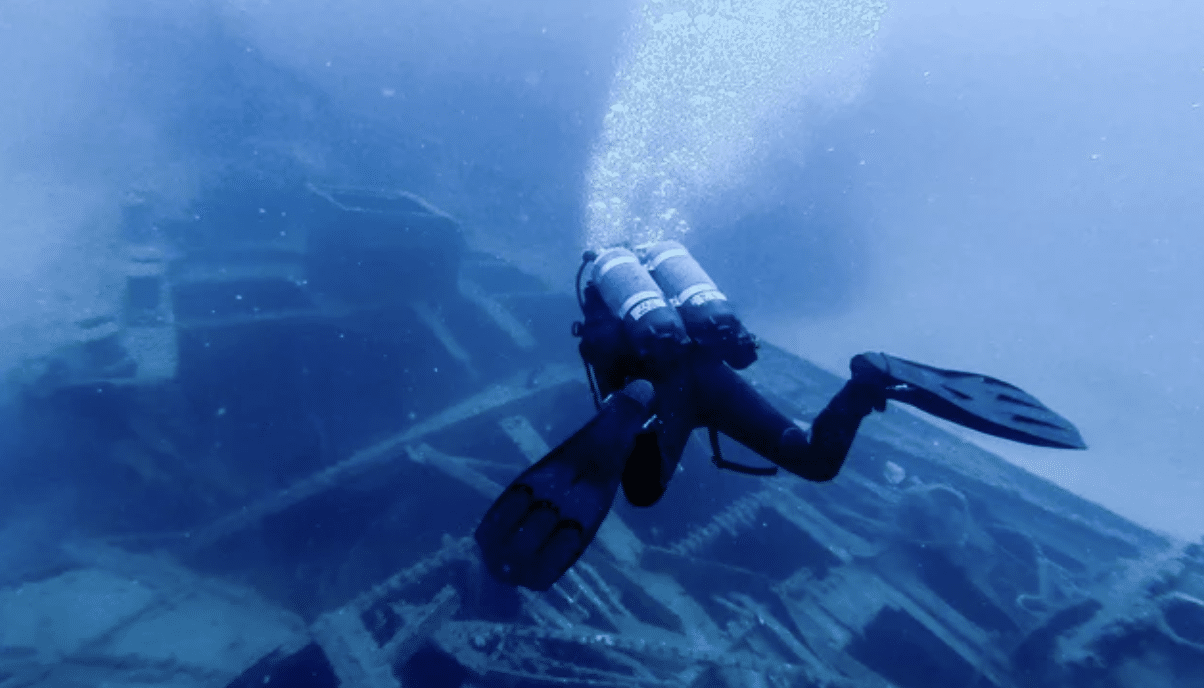
Build Control Before You Build Complexity
Contact N9BO℠ to integrate TDI Intro to Tech training into your development pathway, ensuring your foundation is aligned with the demands of technical diving.
From the N9BO℠ Knowledge Base