Public Safety Diving Is Not a “Nice to Have” Capability
Many departments delay investment in dive training because incidents appear infrequent.
Water-related operations may seem:
- Rare
- Situational
- Low priority
But when they occur, they are:
- High consequence
- Time-sensitive
- Publicly visible
A single incident involving:
- A submerged vehicle
- A missing person
- Evidence in water
can immediately require a response capability that does not exist.
Public safety diving is not about frequency.
It is about:
Preparedness.
Indicators That Your Department Needs Dive Capability
There are clear operational indicators that a department should develop or formalise dive capability.
These include:
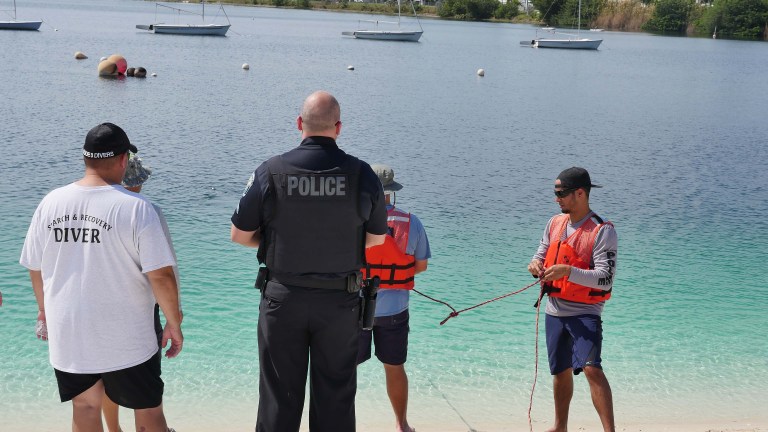
- Regular proximity to water bodies (rivers, lakes, coastal areas)
- History of missing persons or drownings
- Vehicle recovery incidents
- Flood response requirements
- Law enforcement evidence searches
Even if incidents are occasional, the impact of being unprepared is significant.
Delays in response can affect:
- Survival outcomes
- Evidence integrity
- Public confidence
The Risk of Ad-Hoc or Untrained Response
In the absence of trained teams, departments may rely on:
- Improvised solutions
- External agencies
- Untrained personnel
This introduces risk.
Untrained divers or responders may:
- Lack procedural discipline
- Mismanage equipment
- Fail to coordinate effectively
- Expose themselves to unnecessary danger
Public safety diving environments are often:
- Zero visibility
- Contaminated
- Structurally hazardous
Improvisation in these conditions is unacceptable.

Operational Readiness vs Equipment Ownership
Owning dive equipment does not equal capability.
A department may have:
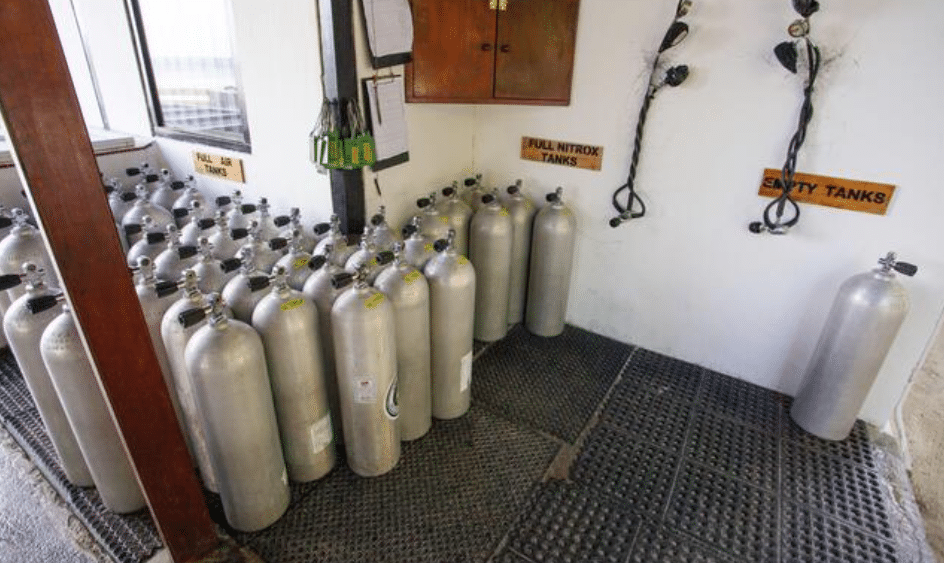
- Cylinders
- Regulators
- Dry suits
But without:
- Training
- Procedures
- Defined roles
there is no operational readiness.
Capability requires:
- Structured training
- Team integration
- Standard operating procedures
- Regular drills
Equipment is only one component.
Legal and Liability Considerations
Failure to provide appropriate training introduces liability.
If personnel are:
- Assigned to water operations
- Expected to perform recoveries
- Operating without certification
the organisation assumes risk.
This includes:
- Injury to personnel
- Operational failure
- Legal exposure
Professional training provides:
- Documentation
- Standardisation
- Defensible procedures
This is critical for:
- Risk management
- Accountability
Inter-Agency Dependence vs Internal Capability
Many departments rely on external agencies for dive operations.
While this can be effective, it introduces:
- Delays
- Coordination challenges
- Dependency
Developing internal capability allows:
- Faster response
- Greater control
- Integrated operations
The decision is not always binary.
Some departments combine:
- Internal teams
- External support
But without internal understanding, coordination becomes difficult.
Training as a System, Not a Course
Public safety diving training is not a one-time event.
It is a system.
This system includes:
- Initial certification
- Ongoing training
- Scenario-based drills
- Equipment maintenance
- Procedural updates
Without continuity, capability degrades.
Teams must train:
- Together
- Regularly
- Under realistic conditions
When Demand Becomes Urgent
Departments often act after a critical incident.
This is too late.
Training takes time.
Team development takes time.
Procedure development takes time.
Waiting until:
- A major incident occurs
- Public pressure increases
creates reactive decisions.
Professional organisations plan ahead.
The Role of Leadership
Leadership determines whether dive capability is developed.
Decision-makers must evaluate:
- Operational risk
- Community needs
- Resource allocation
This requires:
- Understanding of public safety diving
- Recognition of potential scenarios
- Commitment to preparedness
Without leadership support, capability cannot be sustained.
Training Standards and Professionalisation
Public safety diving must follow recognised standards.
This ensures:
- Consistency
- Safety
- Interoperability
At N9BO℠, ERDI-based training focuses on:
- Role definition
- Team integration
- Structured procedures
- Realistic scenarios
The goal is not just to train divers.
It is to build:
Operational teams.
Cost vs Consequence
Training requires investment.
Equipment requires investment.
Time requires investment.
But the cost of not being prepared includes:
- Delayed response
- Increased risk
- Operational failure
- Reputational damage
Public safety capability is not an expense.
It is:
Risk mitigation.
Final Perspective
The need for public safety diving capability is not defined by how often incidents occur.
It is defined by:
What happens when they do.
Departments that prepare in advance:
- Respond faster
- Operate safer
- Maintain control
Those that do not are forced into:
Reactive decisions.
Because in public safety operations, readiness is not optional.
It is expected.

Assessing Your Department’s Dive Capability?
Contact N9BO℠ to evaluate your needs and develop structured ERDI public safety dive training programmes.
From the N9BO℠ Knowledge Base