Understanding Dolphin Behaviour
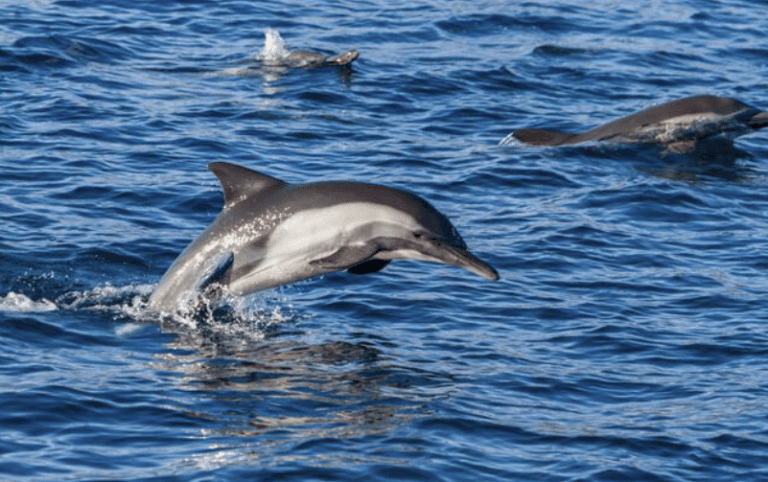
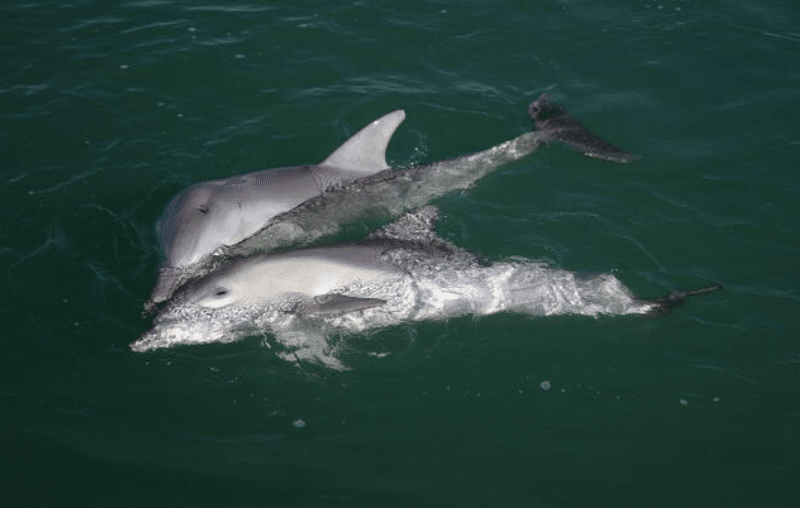
Dolphins are highly intelligent, social marine mammals with complex behavioural patterns. Their actions are influenced by communication within pods, feeding cycles, resting periods, and environmental conditions.
Unlike many reef species, dolphins are not stationary. They are mobile, dynamic, and capable of choosing whether to engage or disengage from divers. This distinction is critical. Any perceived interaction is initiated by the dolphin, not the diver.
Typical behaviours include:
- Coordinated movement within a pod
- Active feeding with rapid directional changes
- Resting periods involving slow, controlled movement
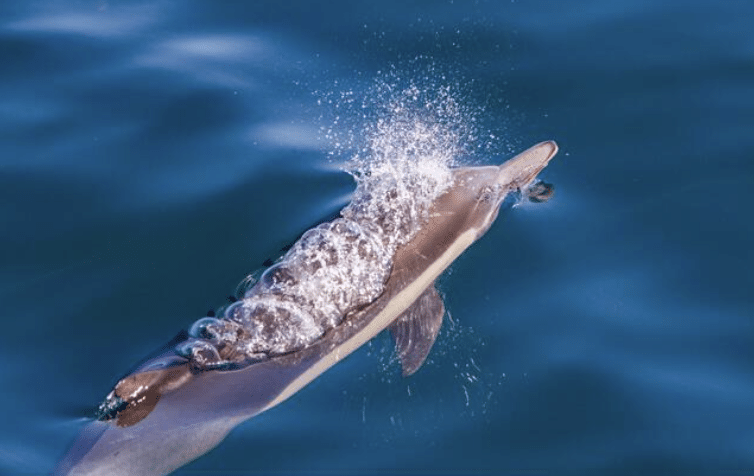
- Surface intervals for breathing
Disruption to these behaviours, particularly repeated or prolonged, creates stress and affects long-term patterns.
At N9BO℠, we emphasise that dolphins are not passive participants. Their behaviour reflects decision-making, not random movement.
Ethical Considerations in Dolphin Encounters
Dolphin encounters are often driven by tourism expectations. This creates pressure to increase proximity, duration, or perceived interaction.
This approach introduces ethical concerns. Interference with natural behaviour alters feeding, resting, and social patterns. Over time, this leads to:
- Habitat avoidance
- Increased stress within pods
- Disruption of communication and coordination
Ethical interaction requires shifting focus from experience to impact. The objective is not to maximise engagement, but to minimise disturbance.
At N9BO℠, we treat ethical considerations as operational requirements, not optional guidelines.
Distance as a Control Measure
Distance is the most effective way to reduce impact. Close approach increases pressure on dolphins, even if no contact occurs.
Maintaining appropriate distance allows dolphins to:
- Control their proximity to divers
- Continue natural behaviour without interruption
- Disengage without obstruction
Reducing distance for observation or photography increases disturbance and alters behaviour.
Effective distance management involves:
- Avoiding direct approach toward the pod
- Maintaining a parallel or offset position
- Allowing dolphins to initiate proximity if they choose
At N9BO℠, distance is treated as a primary control measure in marine interaction.
Diver Behaviour and Movement Control
Dolphins are highly sensitive to movement. Erratic or rapid motion is interpreted as disturbance and leads to avoidance.
Diver behaviour must remain controlled and predictable. This includes:
- Slow, deliberate movement
- Stable buoyancy and positioning
- Avoidance of pursuit or interception
Attempting to follow or “keep up” with dolphins increases stress and often results in disengagement.
Movement discipline is essential. The diver must adapt to the environment, not attempt to influence it.
At N9BO℠, we emphasise that diver behaviour directly determines the quality and sustainability of the encounter.
Interaction During Critical Behaviours
Certain behaviours are more sensitive to disturbance. Feeding and resting periods are particularly critical.
During feeding:
- Dolphins exhibit rapid, coordinated movement
- Interference disrupts hunting efficiency
- Increased activity may lead to misinterpretation by divers
During resting:
- Dolphins reduce activity to conserve energy
- Disturbance forces increased movement and energy expenditure
In both cases, diver interaction should be minimised. Observation at distance is the appropriate response.
At N9BO℠, we reinforce that critical behaviours must not be interrupted under any circumstances.
Group Dynamics and Operational Control
Group behaviour influences the impact of dolphin encounters. Disorganised groups increase disturbance through inconsistent movement and positioning.
Effective control requires:
- Maintaining group cohesion
- Limiting the number of divers interacting at one time
- Following guide direction and positioning
Multiple groups interacting simultaneously increase cumulative impact, even if individual behaviour is controlled.
Guides and operators must manage both group size and positioning to maintain consistency.
At N9BO℠, group control is treated as an operational requirement, ensuring that individual behaviour aligns with overall standards.
Photography and Interaction Pressure
Photography often drives divers to reduce distance or alter behaviour. This introduces additional pressure on dolphins.
Common issues include:
- Closing distance to capture images
- Repositioning rapidly to follow movement
- Using equipment that increases presence or disturbance
These actions prioritise outcome over control, increasing environmental impact.
Photography must remain secondary to responsible behaviour. If conditions do not allow for controlled interaction, image capture should not be pursued.
At N9BO℠, we reinforce that operational discipline takes precedence over individual objectives.

Cumulative Impact and Long-Term Effects
Individual encounters may appear low impact, but cumulative exposure creates long-term effects. In areas with frequent dolphin tourism, repeated disturbance alters behaviour patterns.
This can result in:
- Avoidance of previously occupied areas
- Changes in feeding and resting behaviour
- Increased stress within pods
Managing cumulative impact requires consistency across all operators. Isolated best practice is insufficient if not applied universally.
At N9BO℠, we emphasise that sustainability depends on collective adherence to operational standards.
Regulatory and Conservation Considerations
Many regions have regulations governing dolphin interaction. These may include minimum approach distances, restrictions on swimming with dolphins, and limits on vessel proximity.
Compliance is essential for:
- Legal operation
- Protection of marine species
- Maintaining access to dive sites
Operators must ensure that all personnel and divers are aware of and adhere to these requirements.
At N9BO℠, we align operational practices with both regulatory frameworks and conservation objectives.
Operational Mindset
Dolphin encounters require a shift in perspective. The objective is not interaction—it is observation without impact.
Divers must recognise that their presence influences behaviour, even when no direct contact occurs. Control, discipline, and awareness are required to minimise this influence.
At N9BO℠, we approach marine life encounters as controlled operations. Distance, movement, and positioning are managed deliberately to ensure that the environment is not altered by the activity.
In dynamic environments, the responsibility lies with the diver, not the animal.
Observe Without Interference
Contact N9BO℠ to integrate responsible marine interaction standards into your dive operations and training, ensuring sustainable encounters with sensitive species.
From the N9BO℠ Knowledge Base