Divers as Field Operators in Research
Underwater research requires access to environments that cannot be fully assessed from the surface. Divers provide this access, enabling direct interaction with study sites, equipment, and data collection points.
This role extends beyond observation. Divers act as field operators, executing specific tasks under defined procedures. These tasks must be performed accurately to ensure that collected data remains valid.
Unlike recreational or standard professional diving, research diving introduces additional constraints. Precision, repeatability, and consistency are essential.
At N9BO℠, we treat research divers as part of an operational system, where performance directly affects scientific outcomes.
Data Collection and Accuracy
Accurate data is the foundation of any research project. Divers are often responsible for collecting this data directly, making their role critical.
Common data collection tasks include:
- Measuring reef health indicators
- Recording species presence and behaviour
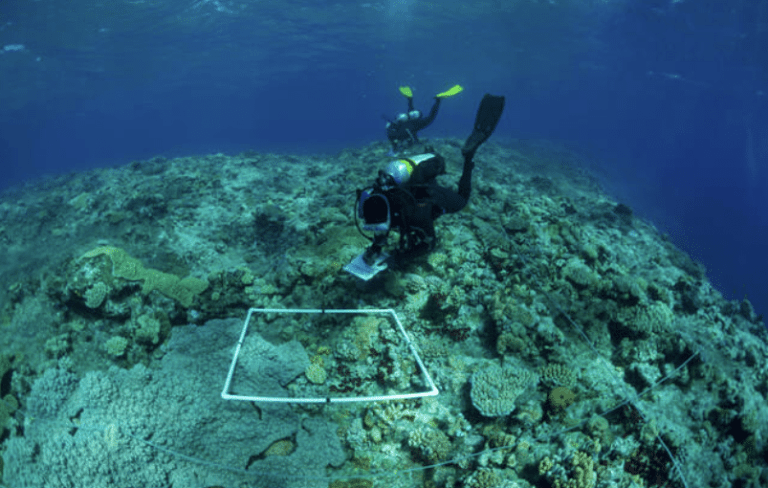
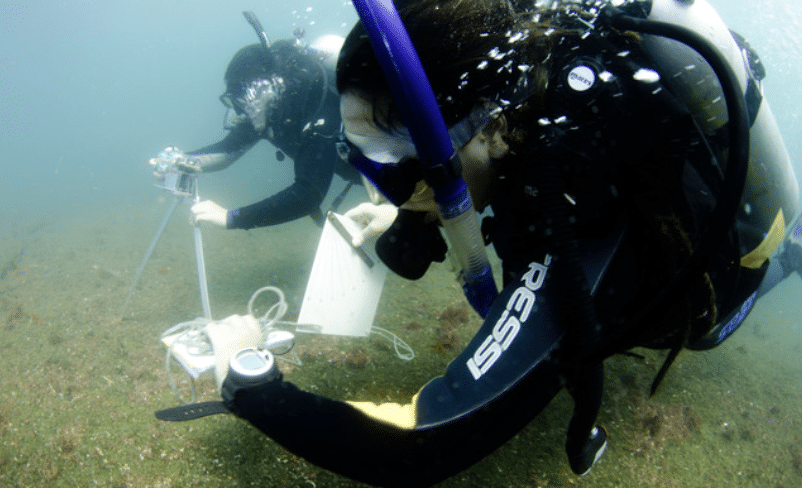
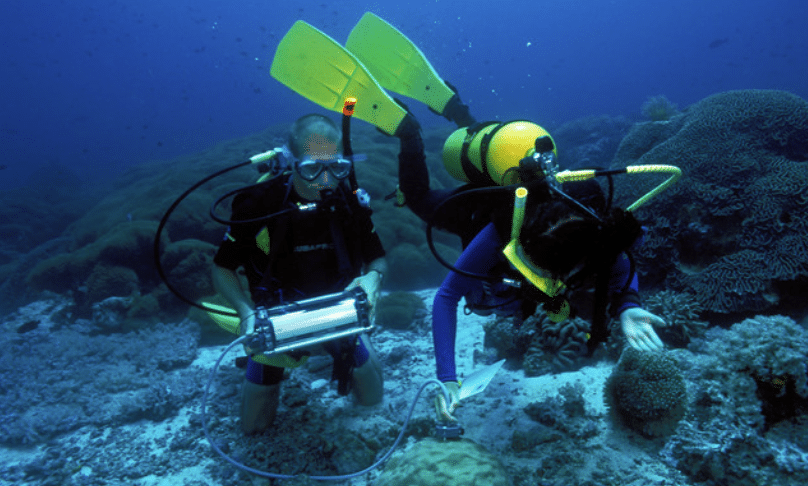
- Conducting transects and quadrat surveys
- Documenting environmental conditions
These tasks require strict adherence to methodology. Variations in technique, positioning, or timing introduce inconsistencies that reduce data reliability.
Accuracy is not only about measurement—it is about consistency across multiple dives and divers.
At N9BO℠, we emphasise that data collection must be procedural, not interpretative.
Equipment Deployment and Maintenance
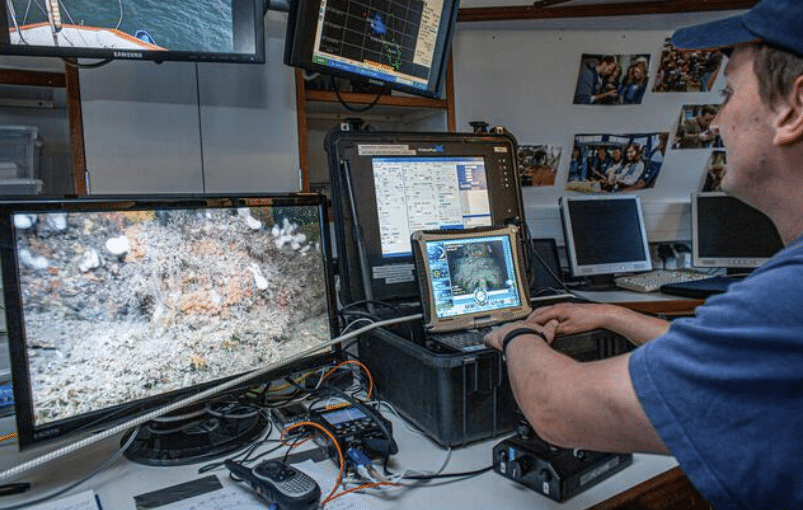
Research operations often rely on underwater equipment such as sensors, cameras, and monitoring stations. Divers are responsible for installing, maintaining, and retrieving this equipment.
This includes:
- Securing equipment in precise locations
- Ensuring correct orientation and calibration
- Performing maintenance without disrupting the environment
- Retrieving equipment without data loss or damage
Errors in placement or handling can compromise entire datasets. Equipment must be treated as part of the research system, not as standard dive gear.
At N9BO℠, we reinforce that equipment handling in research contexts requires higher levels of control and awareness.
Task Loading and Performance Control
Research diving often involves multiple simultaneous tasks—navigation, data collection, equipment handling, and communication. This increases cognitive load and reduces situational awareness if not managed correctly.
Divers must balance task execution with environmental awareness and safety.
Effective control includes:
- Breaking tasks into structured steps
- Maintaining clear priorities
- Avoiding unnecessary complexity
Loss of awareness during task execution increases risk of error, environmental impact, or safety incidents.
At N9BO℠, we train divers to manage task loading without compromising operational control.
Environmental Protection During Research
Research activities must not compromise the environment being studied. Diver interaction must be controlled to avoid altering conditions or damaging sensitive areas.
Key considerations include:
- Maintaining precise buoyancy to avoid contact
- Minimising sediment disturbance
- Avoiding interference with marine life
Even minor disturbances can affect data integrity. For example, sediment disruption may alter visibility or behaviour patterns, influencing observations.
At N9BO℠, environmental control is integrated into research operations, ensuring that data reflects natural conditions.
Standardisation and Repeatability
Scientific research depends on repeatability. Data collected must be comparable across time, locations, and personnel.
This requires:
- Standardised procedures for all tasks
- Consistent equipment use and configuration
- Clear documentation of methods and conditions
Divers must follow protocols exactly. Variations introduce uncertainty and reduce the value of the data.
At N9BO℠, we emphasise that consistency is as important as accuracy in research operations.
Communication and Coordination
Research diving often involves teams working on interconnected tasks. Effective communication is essential to maintain coordination and ensure that objectives are met.
Communication challenges include:
- Limited underwater communication methods
- Complex task requirements
- Need for precise timing and sequencing
Pre-dive planning is critical. Roles, tasks, and communication methods must be clearly defined before entering the water.
During the dive, communication must remain simple and structured to avoid confusion.
At N9BO℠, we integrate communication protocols into research planning to ensure operational clarity.
Training and Competency Requirements
Not all divers are suited for research roles. Additional competencies are required beyond standard diving skills.
These include:
- Advanced buoyancy and positioning control
- Ability to perform precise tasks underwater
- Understanding of scientific protocols
- Discipline to follow procedures without deviation
Without these competencies, divers may compromise both safety and research outcomes.
Training must be aligned with the specific requirements of the project.
At N9BO℠, we ensure that divers involved in research are prepared to operate within these constraints.
From Observation to Contribution
There is a distinction between observing marine environments and contributing to scientific understanding. Contribution requires structured activity aligned with defined objectives.
Divers must recognise that their actions influence:
- Data accuracy
- Research validity
- Environmental integrity
This responsibility extends beyond individual dives. Research outcomes depend on cumulative data collected over time.
At N9BO℠, we reinforce that effective contribution requires discipline, not just participation.
Operational Mindset
Underwater research support requires a shift in mindset. Diving is no longer the primary objective—it is the platform through which research is conducted.
Precision, consistency, and control define performance. Without these, research outcomes are compromised.
At N9BO℠, we approach research diving as an operational function. Divers are integrated into structured systems where their actions have direct and measurable impact.
In scientific environments, accuracy is not optional. It is the requirement that defines success.
Support Science with Precision and Control
Contact N9BO℠ to integrate structured research diving practices into your training and operations, ensuring your teams contribute effectively to scientific projects.
From the N9BO℠ Knowledge Base