The Compressor as a Critical Safety System
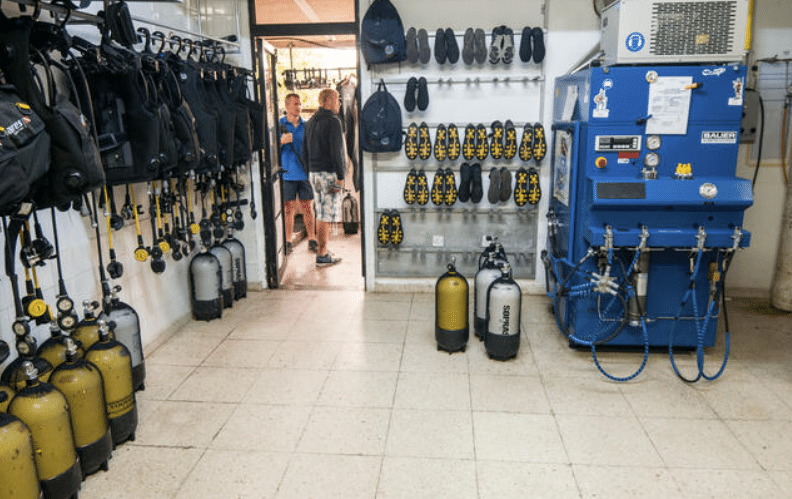
In dive operations, the compressor is not just equipment—it is a life-support system. Every cylinder filled depends on the compressor delivering clean, breathable gas at the correct pressure.
Failure at this stage is not immediately visible. Contaminated gas may appear normal but can result in serious injury or fatality when used underwater.
Risks associated with compressor systems include:
- Contaminated air supply
- Mechanical failure during operation
- Incorrect pressure or fill procedures
- Overheating and fire hazards
These risks are often underestimated because compressors operate in the background of daily operations.
At N9BO℠, we treat compressors as critical safety systems requiring the same level of control as any life-support equipment.
Air Quality and Contamination Risks
The primary function of a compressor is to deliver breathable air. This introduces the risk of contamination if intake air or internal components are compromised.
Common sources of contamination include:
- Carbon monoxide (CO) from nearby exhaust sources
- Oil vapour from compressor lubrication systems
- Moisture leading to microbial growth or corrosion
- Particulate matter entering through intake
Carbon monoxide is particularly dangerous, as it is colourless and odourless. Exposure underwater reduces the body’s ability to transport oxygen, leading to rapid impairment.
Contamination often results from poor intake placement or inadequate filtration. Compressors drawing air from enclosed or poorly ventilated spaces increase risk significantly.
At N9BO℠, air quality control begins at the intake point. If intake air is compromised, downstream systems cannot compensate.
Filtration and Moisture Control
Compressor filtration systems are designed to remove oil, moisture, and particulates before air is stored in cylinders. These systems rely on consumable filters that must be replaced at defined intervals.
Failure to maintain filtration results in:
- Increased moisture content in cylinders
- Oil contamination of breathing gas
- Degradation of internal cylinder condition
Moisture is a critical factor. Excess moisture leads to corrosion inside cylinders and reduces air quality. In high-pressure systems, it can also affect regulator performance.
Effective filtration management includes:
- Monitoring filter usage hours
- Replacing cartridges before saturation
- Ensuring correct filter type for the compressor system
At N9BO℠, filtration is treated as a consumable safety barrier that must be actively managed.

Mechanical Integrity and Maintenance
Compressors operate under high pressure and temperature. Mechanical failure can result in equipment damage, injury, or interruption of operations.
Key components requiring regular inspection include:
- Compression stages and valves
- Drive systems (belts, motors)
- Cooling systems
- Pressure gauges and safety valves
Lack of maintenance leads to gradual degradation. This may not be immediately visible but increases the likelihood of failure under load.
Preventive maintenance is essential. Scheduled servicing, inspection, and part replacement reduce the risk of unexpected failure.
At N9BO℠, maintenance is not reactive. It is planned, documented, and enforced as part of operational procedure.
Operating Procedures and Control Measures
Safe compressor operation depends on consistent procedures. Variations in operation introduce risk, particularly in high-demand environments.
Critical operational controls include:
- Pre-operation checks of intake, oil level, and system condition
- Monitoring temperature and pressure during operation
- Controlled filling procedures to prevent over-pressurisation
- Immediate shutdown in case of abnormal noise, vibration, or readings
Operators must remain present during operation. Unattended compressors increase the risk of undetected failure.
Filling procedures must also be controlled. Rapid filling increases heat, affecting both air quality and cylinder integrity.
At N9BO℠, compressor operation is treated as an active process requiring constant supervision.
Cylinder Filling and Pressure Management
The interface between compressor and cylinder introduces additional risk. Incorrect filling procedures can result in over-pressurisation, heat buildup, and potential cylinder failure.
Key considerations include:
- Adhering to rated pressure limits for each cylinder
- Allowing for cooling during or after filling
- Ensuring cylinders are within inspection and testing requirements
Temperature increases during filling can lead to inaccurate pressure readings. A cylinder filled to maximum pressure while hot may exceed safe limits once cooled.
Operators must account for this effect and adjust procedures accordingly.
At N9BO℠, pressure management is treated as a controlled process, not a routine task.

Environmental and Operational Placement
Compressor placement affects both performance and safety. Poor placement increases contamination risk and reduces efficiency.
Best practice includes:
- Locating intake away from exhaust fumes or enclosed spaces
- Ensuring adequate ventilation for cooling
- Protecting equipment from weather and environmental damage
Noise and heat generation must also be considered. Compressors operating in confined spaces increase both operator risk and equipment stress.
At N9BO℠, compressor placement is evaluated as part of site setup, ensuring optimal performance and reduced risk.
Training and Operator Responsibility
Compressor safety depends on operator competence. Personnel must understand both the equipment and the risks associated with its use.
Training should cover:
- System operation and limitations
- Recognition of abnormal conditions
- Maintenance requirements
- Emergency shutdown procedures
Untrained or poorly trained operators increase the likelihood of error. Compressor operation must not be treated as a secondary or informal task.
At N9BO℠, compressor operators are trained and assessed to ensure consistent performance.
From Equipment to System Control
A compressor is part of a larger system that includes cylinders, regulators, and divers. Failure at any point affects the entire system.
Effective management requires integration:
- Air quality control at intake and filtration
- Mechanical reliability through maintenance
- Operational discipline during use
This integrated approach ensures that risks are managed across all stages.
At N9BO℠, we treat compressor systems as part of a broader safety framework, not isolated equipment.
Operational Mindset
Compressor safety is not achieved through isolated actions. It requires consistent application of procedures, maintenance, and monitoring.
The risks associated with compressors are often hidden. Gas contamination, mechanical degradation, and operational errors may not be immediately visible but have significant consequences.
At N9BO℠, we emphasise discipline, consistency, and accountability. Compressors are treated as critical systems that require continuous oversight.
In dive operations, the quality of the air supplied is non-negotiable. It must be controlled at every stage.
Control the Source of Your Air Supply
Contact N9BO℠ to integrate compressor safety and air quality management into your dive operations, ensuring reliable and safe breathing gas for every dive.
From the N9BO℠ Knowledge Base