Security Is Layered, Not Singular
Security does not exist as a single skill.
It is a layered system where different disciplines address different phases of exposure. Travel security and personal security overlap, but they are not the same thing.
What Travel Security Really Covers
Travel security focuses on movement through space and time.
It includes:
- Route planning and timing
- Transportation selection
- Accommodation risk
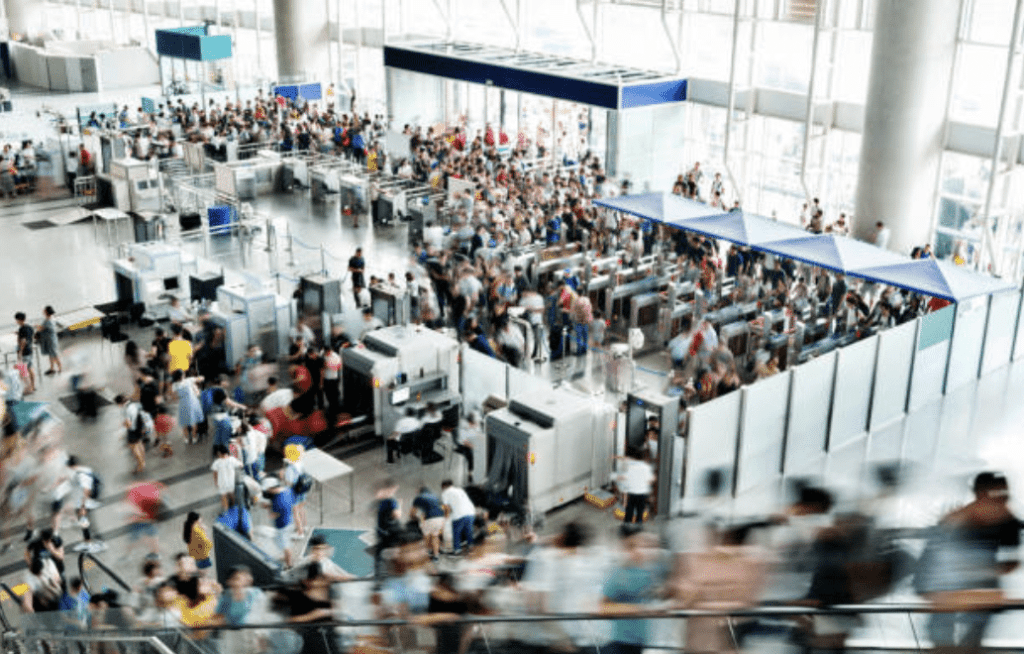
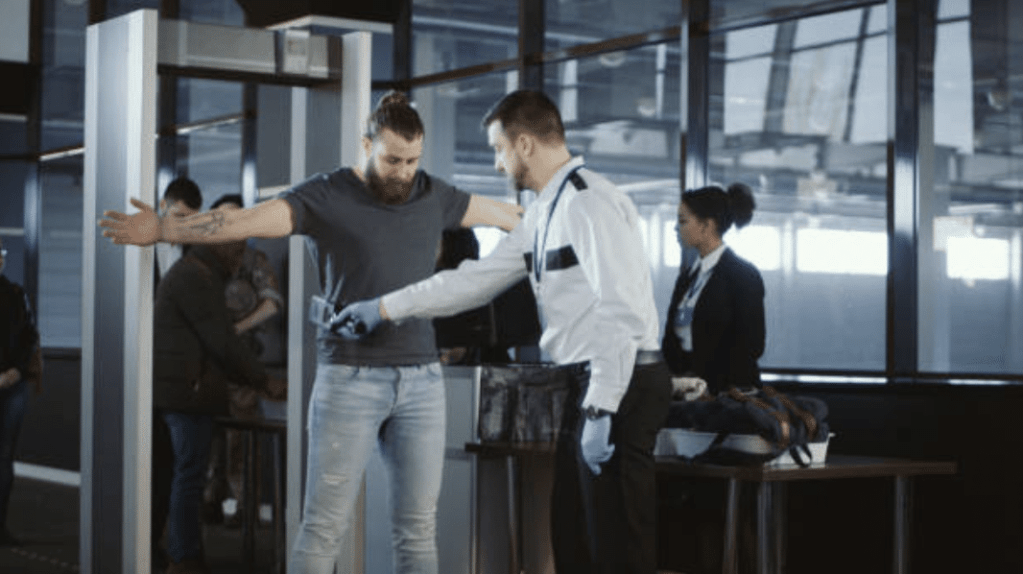
- Transitional environments (airports, hotels, vehicles)
- Contingency and extraction planning
Travel security manages exposure before an individual ever arrives on site.
What Personal Security Focuses On
Personal security is behavioural and immediate.
It addresses:
- Situational awareness
- Body language and positioning
- Interaction management
- De-escalation
- Personal decision-making under stress
Personal security governs how individuals behave within an environment.
Instructor Perspective: Confusing the Two Creates Gaps
Instructors often observe people trained in one domain assuming they are covered in the other.
At N9BO℠, training deliberately separates the two to highlight where assumptions fail. Competence in one does not guarantee safety in the other.
Travel Security Is Proactive
Travel security is preventive by design.
When done correctly, it reduces the likelihood that personal security skills will ever be required. Good travel security avoids problems before they occur.
Personal Security Is Reactive and Adaptive
Personal security becomes critical when plans fail.
Unexpected delays, changes, or exposure demand real-time judgement. Personal security skills operate in the moment, often under pressure.
The Cost of Neglecting Either Discipline
Ignoring travel security creates predictable exposure.
Ignoring personal security leaves individuals unprepared when plans unravel. Professional training integrates both to close gaps.
Communication and Decision Authority
Travel security often involves teams and management.
Personal security is individual. Training clarifies decision authority so individuals know when to adapt independently and when to escalate.
Legal and Cultural Considerations
Travel security accounts for legal frameworks and cultural context.
Personal security applies those constraints at the individual level. Misalignment between the two increases risk.
Professional Parallels
Diplomatic services, NGOs, and offshore operations treat travel and personal security as distinct disciplines.
High-risk civilian and corporate environments benefit from the same approach.
The Bottom Line
Travel security and personal security serve the same goal—safety—but operate at different layers.
Professional training recognises this distinction and integrates both seamlessly. At N9BO℠, security education ensures individuals are protected before, during, and after movement.

Unsure Which Security Training Fits Your Needs?
Travel and personal security require different approaches depending on environment and exposure. Contact us to discuss tailored security training options.
From the N9BO℠ Knowledge Base