Offshore Survival Depends on Invisible Systems
Onshore, life support is taken for granted.
Offshore, it is engineered. Air, power, fire suppression, evacuation systems, and medical response all form part of a continuous life support network that keeps personnel alive in isolated, hostile environments.
What “Life Support” Means Offshore
Offshore life support extends far beyond breathing gas.
It includes:
- Power generation and backup
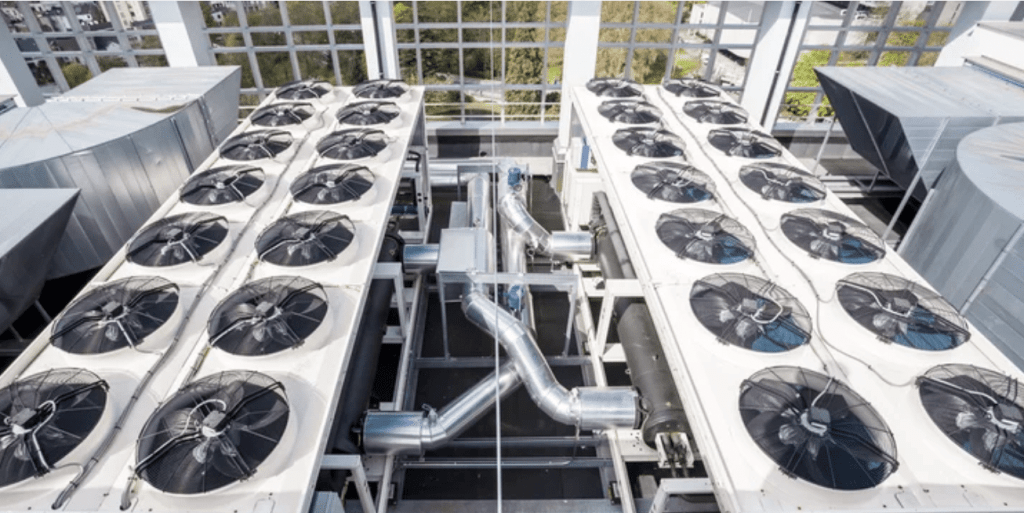
- Ventilation and HVAC
- Fire detection and suppression
- Emergency lighting
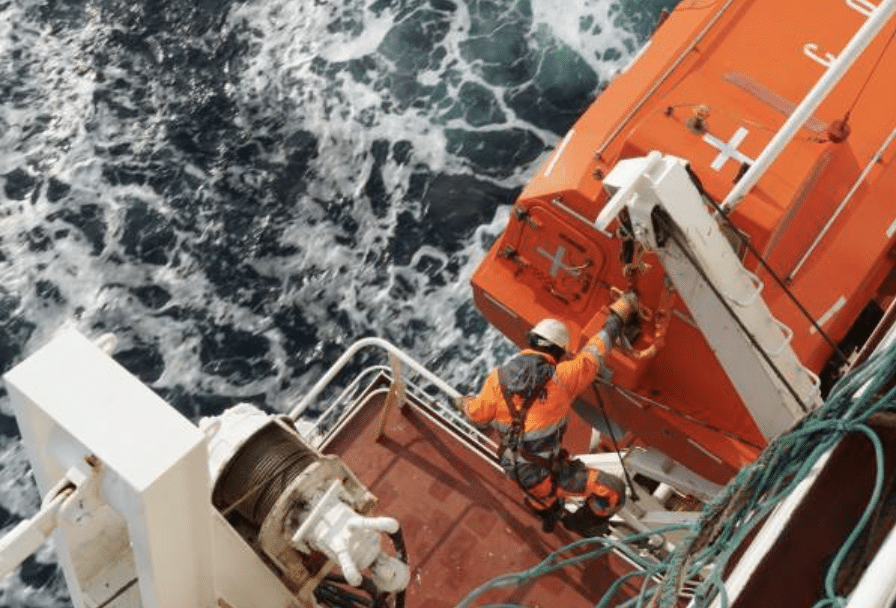
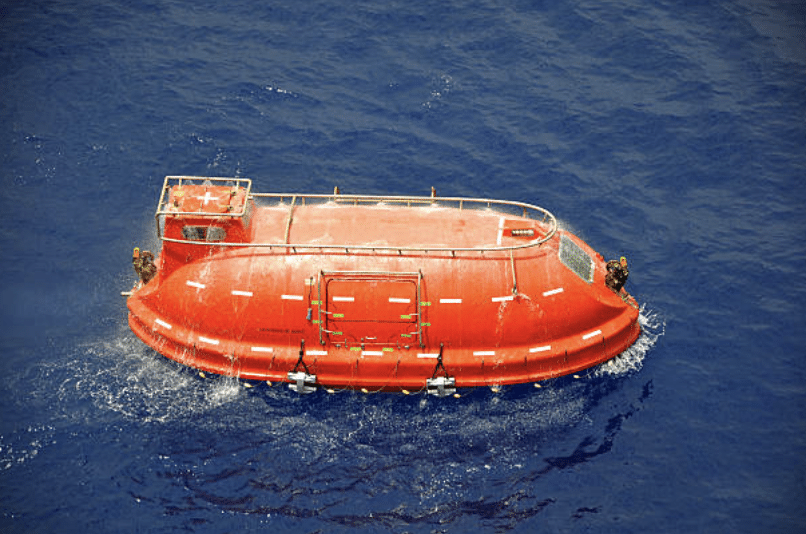
- Lifeboats and evacuation systems
- Medical facilities and medevac protocols
Each system is interdependent.
Redundancy Is Not Optional
Single-point failure offshore is unacceptable.
Professional design and training assume:
- Systems will degrade
- Components will fail
- Human error will occur
Redundancy is the primary safety mechanism, not a luxury.
Instructor Perspective: Normalisation of Deviation
Instructors frequently observe offshore personnel becoming comfortable with degraded systems.
At N9BO℠, training addresses this risk directly, reinforcing that temporary workarounds often become permanent hazards.
Fire and Atmospheric Control
Fire offshore escalates faster than on land.
Ventilation, oxygen concentration, and confined spaces amplify risk. Personnel must understand how systems interact—or how quickly conditions can become lethal.
Power Loss Changes Everything
Loss of power cascades rapidly:
- Lighting fails
- Communication degrades
- Ventilation stops
- Evacuation systems may be affected
Professional training prepares teams to act decisively during partial or total power failure.
Medical Support Offshore
Medical response offshore is delayed by geography.
Training emphasises:
- Early recognition of deterioration
- Stabilisation procedures
- Clear medevac triggers
Time management saves lives.
Evacuation as a Last Resort
Evacuation systems exist for worst-case scenarios.
Personnel must understand:
- Launch criteria
- Muster procedures
- Command authority
Improper evacuation can be more dangerous than sheltering in place.
Human Factors and Complacency
The longer systems work, the easier they are to ignore.
Professional training counteracts complacency by reinforcing respect for system limits and failure modes.
Professional Parallels
Submarines, aviation, and space operations treat life support as mission-critical infrastructure.
Offshore oil and gas operations demand the same mindset.
The Bottom Line
Offshore safety depends on systems you never want to test.
Professional training ensures personnel understand life support not as background infrastructure—but as the thin margin between routine operations and catastrophe. At N9BO℠, offshore training reinforces respect for redundancy, discipline, and decisive action.
Operating in Offshore or Remote Environments?
Redundant systems and proper planning are critical to sustaining safe offshore operations. Contact us to discuss offshore safety and preparedness training.
From the N9BO℠ Knowledge Base