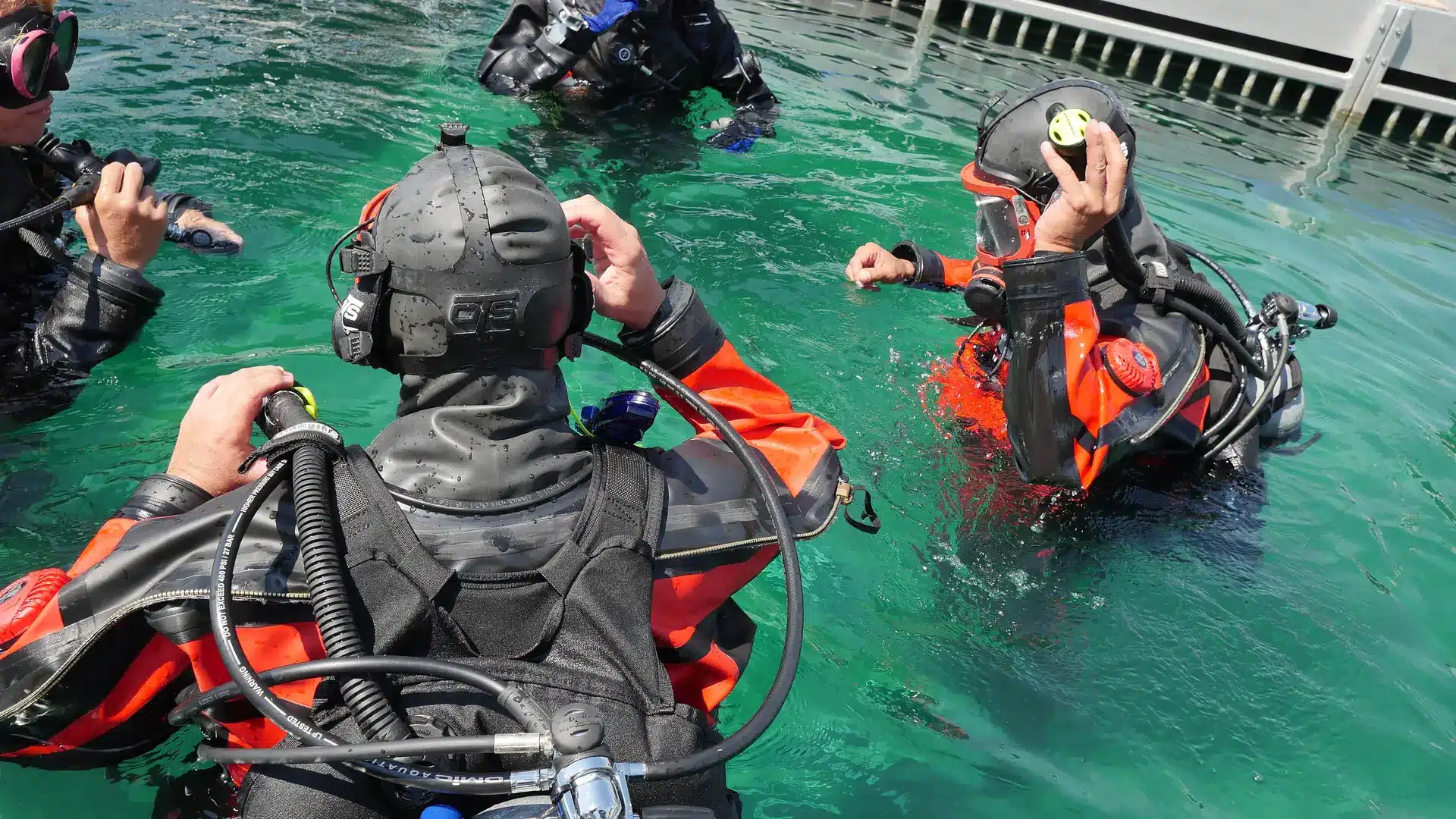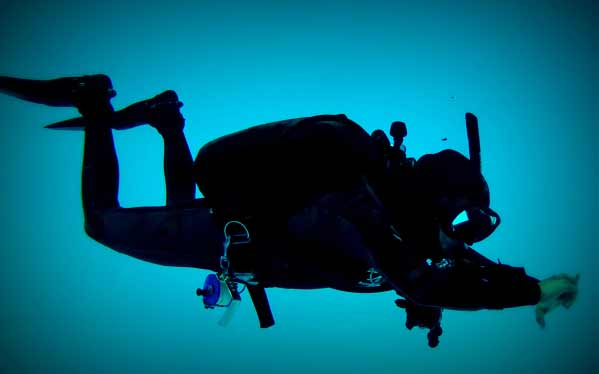
The Persistent Myth of “Good Enough” Trim
Many divers believe that trim only matters for photos, video, or personal style. As long as they are roughly horizontal, they assume performance is unaffected.
This assumption is wrong.
Technical diving training treats trim as a core operational skill because body position governs efficiency, stability, and cognitive workload.
Trim Determines Workload
Poor trim increases drag. Increased drag requires more effort. More effort increases breathing rate, CO₂ retention, and fatigue.
This cascade begins with body position. Advanced technical diving progression teaches divers that trim is the first link in a chain that affects physiology and decision quality.
Buoyancy Control Starts With Trim
Buoyancy adjustments are easier and more precise when trim is stable. Vertical or unstable body positions force divers to constantly correct depth.
This constant correction consumes attention. Technical diving training frames trim as a prerequisite for effective buoyancy—not the other way around.
Trim and Situational Awareness
Divers fighting their position focus inward. Divers in stable trim can focus outward—on team, environment, and mission.
Awareness degrades when posture demands attention. Advanced technical diving progression teaches trim as an awareness amplifier.
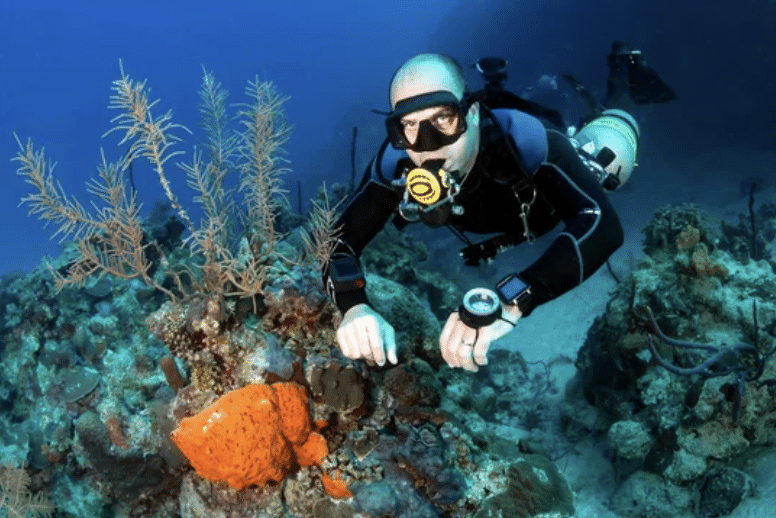
Emergency Response Depends on Body Position
In emergencies, trim determines how easily a diver can:
- Reach valves
- Maintain position while assisting teammates
- Deploy backup systems
- Control ascent or exit
Poor trim turns simple actions into complex ones. Technical diving training insists that emergency skills must be executable from stable trim.
Trim and Team Predictability
Teams rely on predictable body orientation. When everyone is trimmed similarly, spacing, signalling, and movement become intuitive.
Inconsistent trim introduces confusion and collision risk. Advanced technical diving progression treats trim as a team standard, not an individual choice.
Why Experience Doesn’t Fix Trim Automatically
Some divers assume trim improves naturally with experience. In reality, habits often solidify.
Without feedback, poor trim becomes normal. Technical diving training uses deliberate correction and visual feedback to reset posture.
Instructor Perspective: Teaching Trim Early and Relentlessly
Instructors often spend more time on trim than students expect. This focus is intentional.
At N9BO℠, trim is corrected early because it underpins everything that follows. Later skills depend on it.
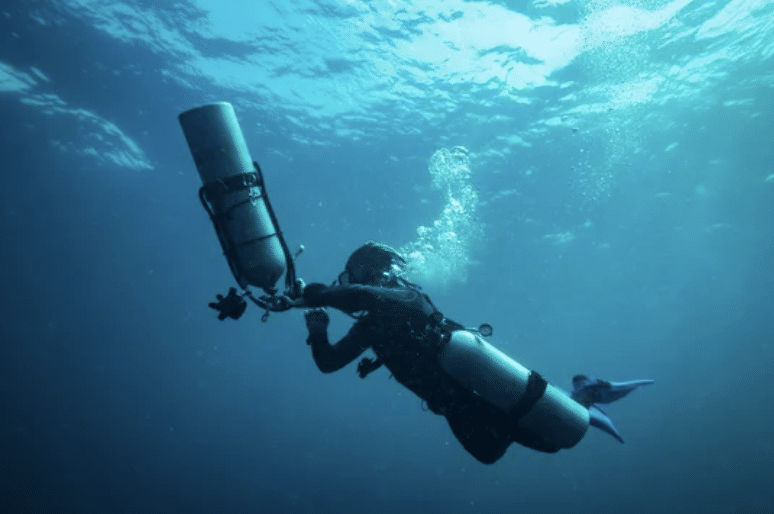
Trim Under Stress
Stress exaggerates posture problems. Divers tense, kick inefficiently, and lose alignment.
Advanced technical diving progression ensures trim holds under stress, not just in calm conditions.
Professional Parallels
In aviation and vehicle control, posture and alignment directly affect control input and situational awareness.
Technical diving reflects this reality. Control begins with position.
Trim Is Not About Perfection
Professional trim is not about looking perfect—it is about being predictable, efficient, and stable.
Technical diving training teaches trim as a functional tool, not an aesthetic goal.
The Bottom Line
Trim is not how you look.
It is how you function.
In technical diving, body position governs efficiency, awareness, and safety. The most capable divers treat trim as a core skill—not an optional refinement.
At N9BO℠, trim is trained as control.
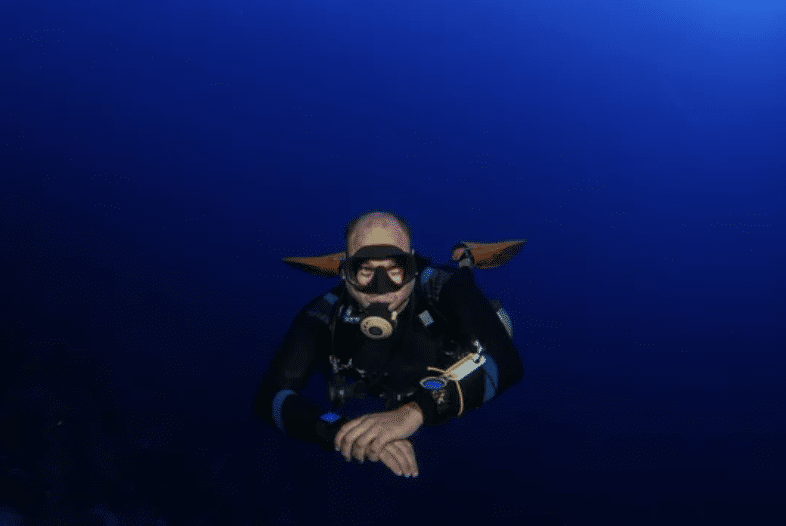
Want Better Control and Efficiency Underwater?
Proper trim improves safety, reduces workload, and increases efficiency. Contact us to discuss training focused on control and precise movement underwater.
From the N9BO℠ Knowledge Base