Where Sidemount Came From
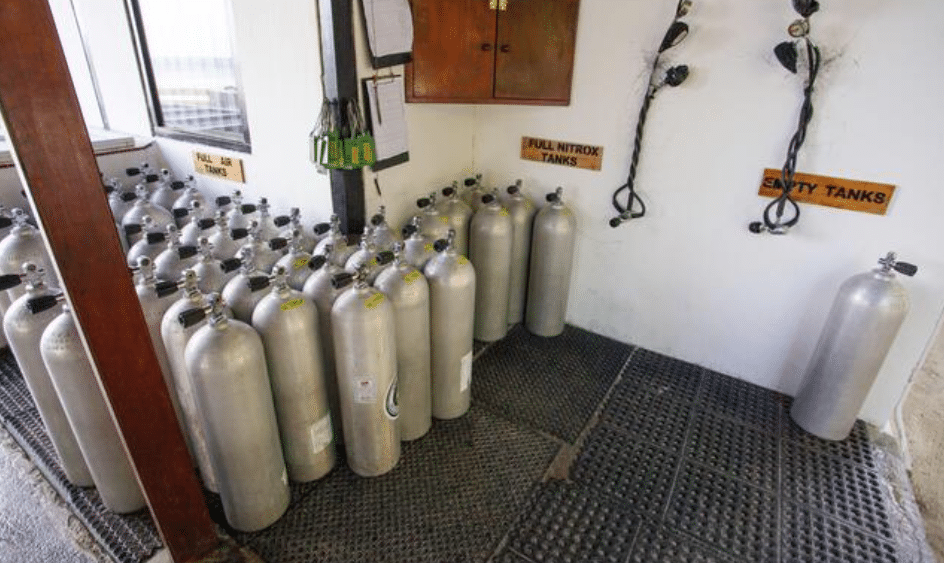
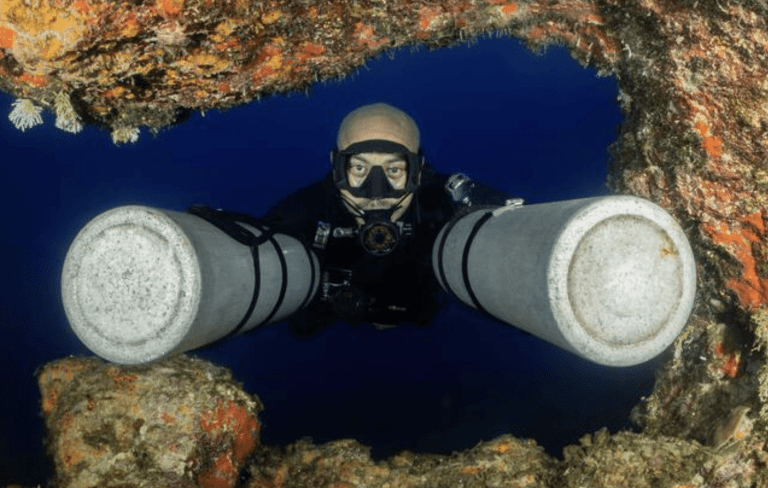
Sidemount originated in cave exploration.
Early cave divers needed:
- Reduced profile for restrictions
- Independent gas redundancy
- Improved equipment flexibility
Mounting cylinders at the sides allowed:
- Easier passage through narrow sections
- Streamlined movement
- Controlled gas balancing
It was born from necessity — not trend.
Why Sidemount Is Technically Valuable
Proper sidemount configuration provides:
- Independent gas supply on each cylinder
- Immediate valve access
- Balanced trim control
- Reduced back strain
- Simplified equipment transport
These advantages are meaningful in:
- Cave diving
- Wreck penetration
- Travel-heavy operations
- Cold-water environments
However, benefits exist only when properly configured.
Improvised sidemount often creates instability.
Trim and Balance: The Core Skill
Unlike backmount systems, sidemount demands:
- Active cylinder positioning
- Continuous buoyancy control
- Balanced gas consumption
As gas is used, cylinders become lighter.
Trim must be adjusted accordingly.
Poor sidemount trim results in:
- Head-up instability
- Drag increase
- Poor propulsion efficiency
Configuration determines stability.
Stability determines safety.

Gas Management Differences
In sidemount diving:
- Gas is typically alternated between cylinders
- Pressure balancing becomes procedural
- Monitoring frequency increases
This builds discipline.
But also increases task loading.
Sidemount divers must:
- Track pressures accurately
- Maintain symmetry
- Prevent imbalanced buoyancy
Gas discipline is non-negotiable.
Standardisation vs Personalisation
One of the common issues in sidemount diving is over-personalisation.
Divers modify:
- Bungee lengths
- Attachment points
- Hose routing
- Cylinder positioning
While customisation is expected, it must remain within:
- Functional logic
- Standardised safety philosophy
Unstructured modification leads to inconsistency.
Consistency protects team interoperability.
Sidemount in Technical Diving
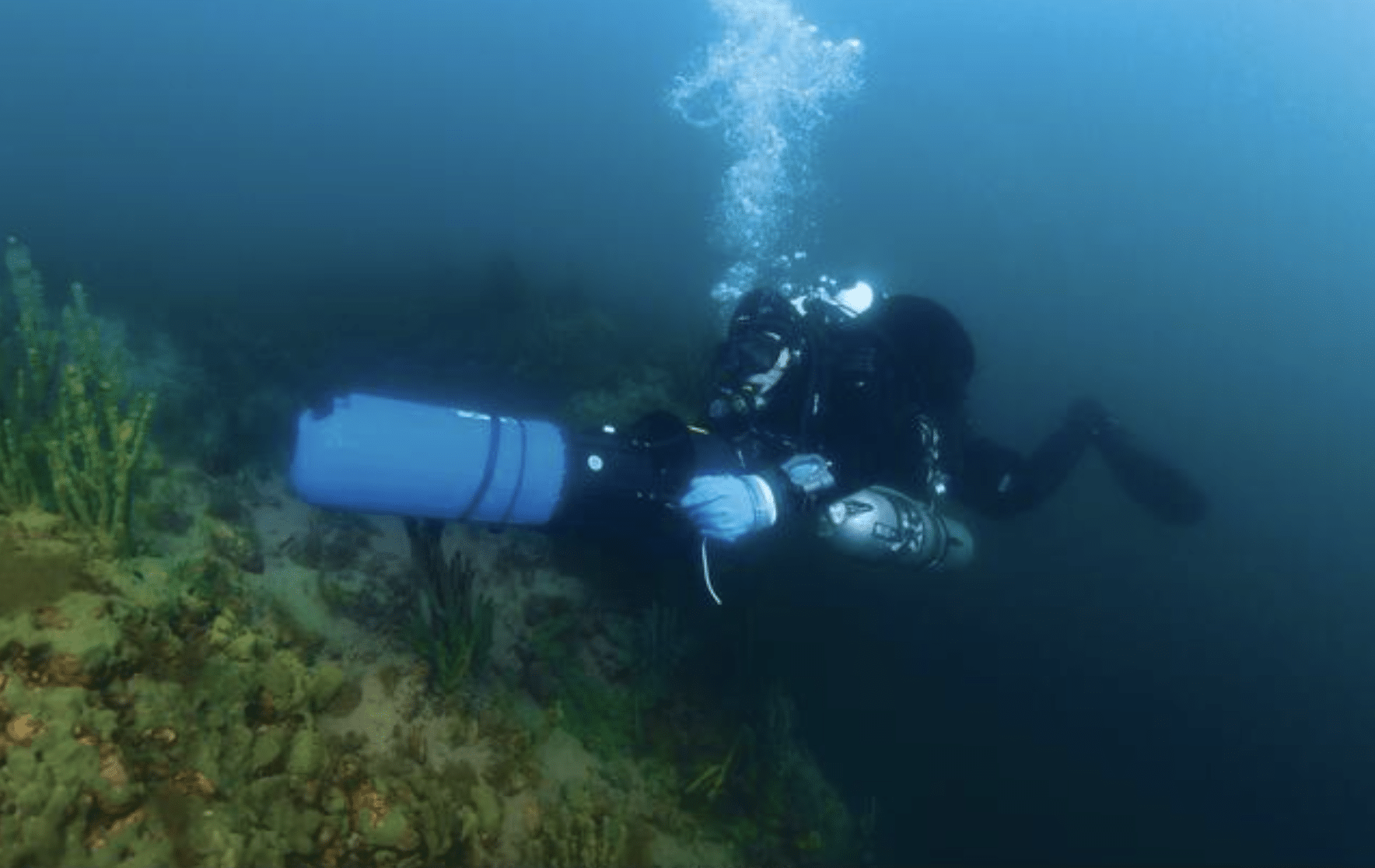
In technical contexts, sidemount allows:
- Multiple stage/deco cylinders
- Streamlined progression
- Redundancy accessibility
However, it increases:
- Hose management complexity
- Pre-dive checklist demands
- Task loading under stress
Sidemount technical diving requires:
- Advanced buoyancy discipline
- Stable propulsion techniques
- Strong situational awareness
Configuration alone does not improve capability.
Skill does.
The Travel Advantage
Sidemount offers logistical advantages:
- Cylinders often rented locally
- Harness packs compactly
- Reduced airline weight concerns
For expedition divers, this matters.
But convenience must never override training.
Portable systems still require structured discipline.
Common Misconceptions
Sidemount is not:
- Easier than backmount
- Automatically more technical
- A solution for poor trim
It is:
- A configuration choice
- A system philosophy
- A redundancy strategy
Improperly trained sidemount divers often struggle more than in backmount.
Competence defines comfort.
Mindset Over Equipment
At N9BO℠, sidemount training emphasises:
- Trim stability
- Gas discipline
- Failure management
- Equipment rationalisation
We treat sidemount as a system — not a style.
Configuration must serve mission objectives.
Mission determines equipment — not ego.
When Sidemount Makes Sense
Sidemount is ideal when:
- Access constraints exist
- Redundancy access is critical
- Expedition travel is frequent
- Overhead environments demand flexibility
It is less useful when:
- Training is incomplete
- Configuration is improvised
- Divers lack gas discipline
Appropriateness defines safety.
A System That Rewards Precision
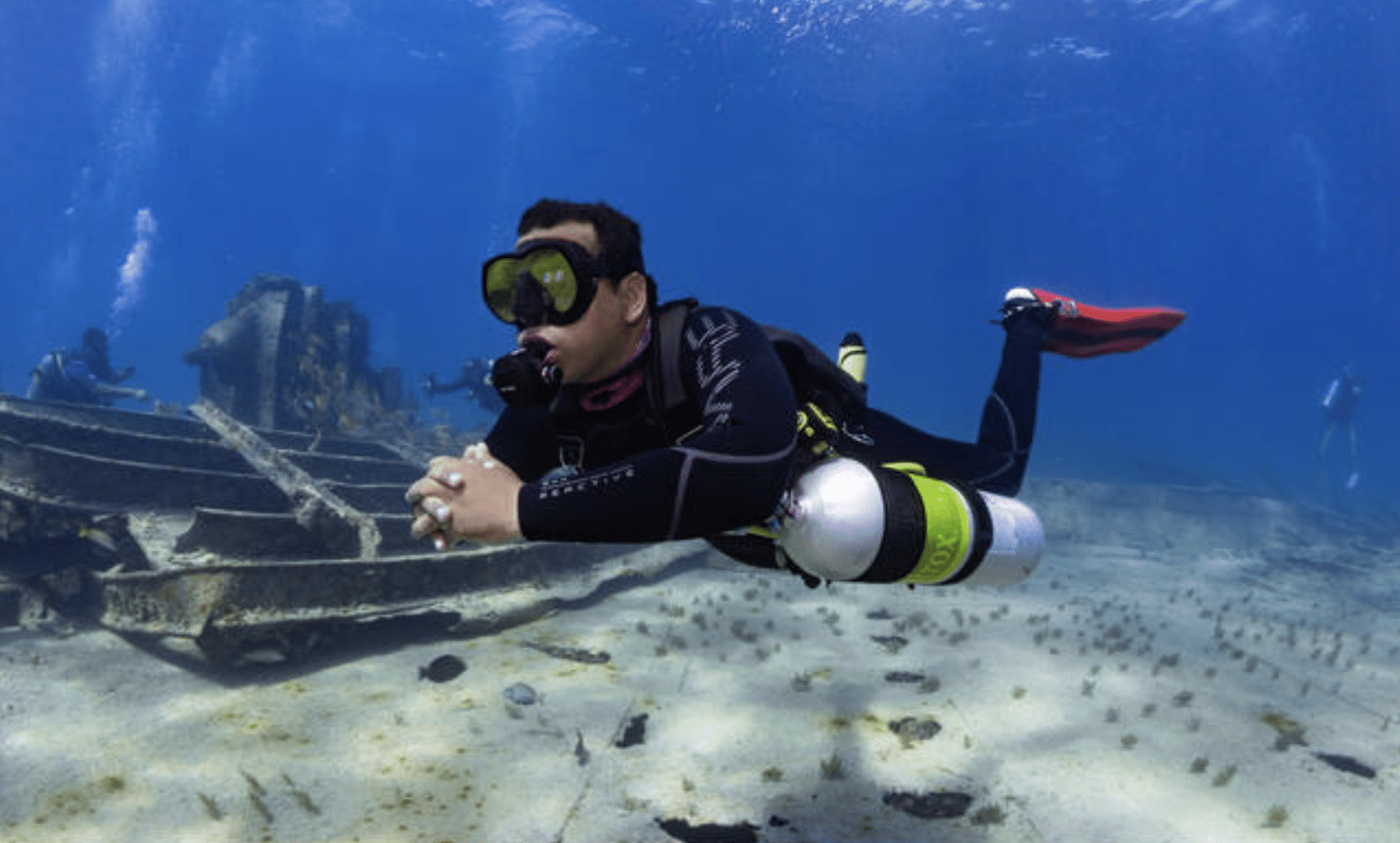
Sidemount divers who:
- Maintain trim
- Track gas carefully
- Standardise configuration
Experience:
- Streamlined efficiency
- Reduced drag
- Controlled propulsion
Those who treat it casually experience instability.
The system rewards discipline.
Considering Sidemount Training?
Configuration matters — but discipline matters more. Contact N9BO℠ to discuss structured sidemount training aligned with technical progression.
From the N9BO℠ Knowledge Base