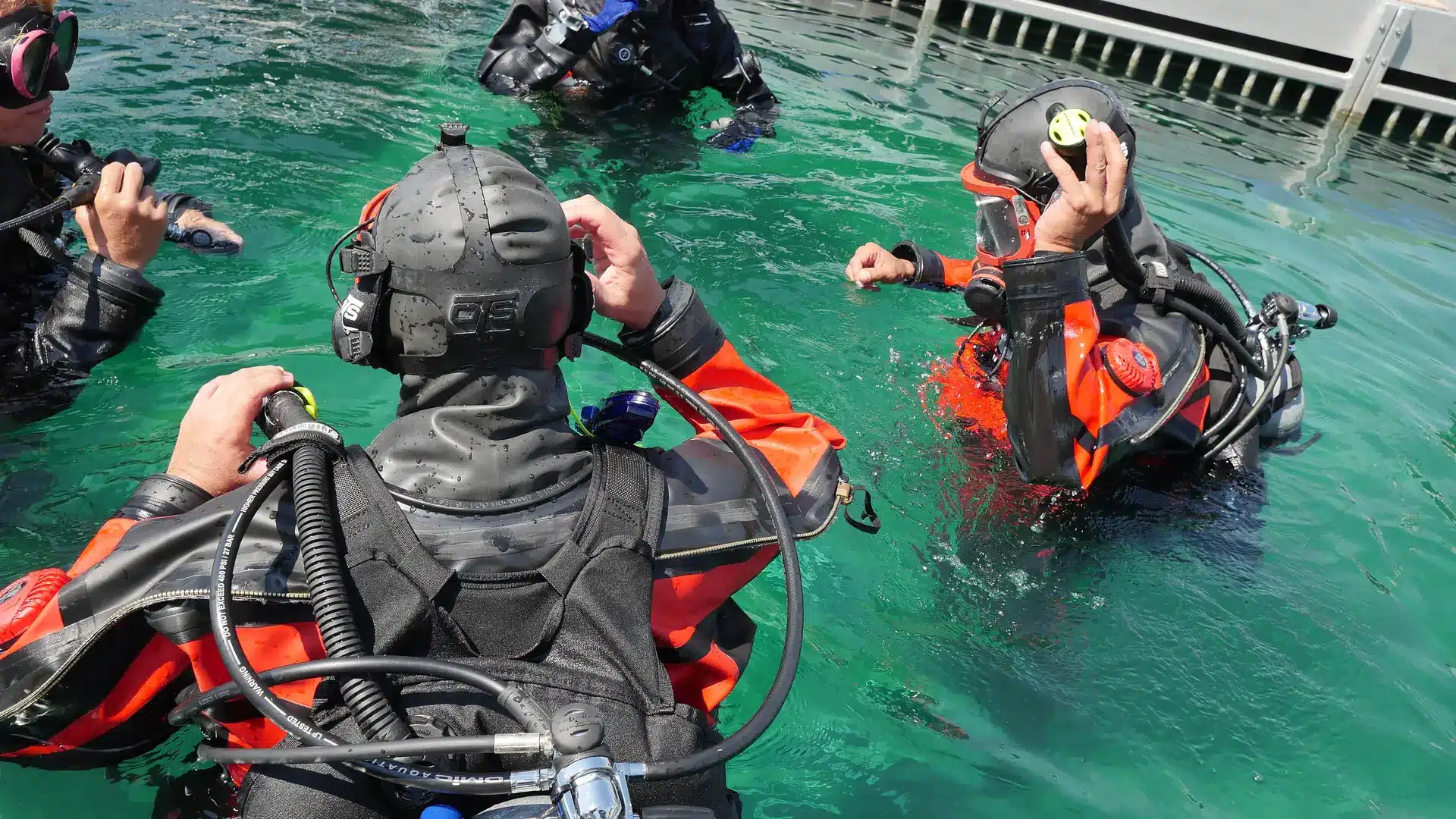
Understanding Equipment Lifecycle in Dive Operations
Every piece of dive equipment has a defined lifecycle. This lifecycle is influenced by usage frequency, environmental exposure, maintenance quality, and storage conditions.
Unlike static assets, dive equipment operates under pressure, exposure to saltwater, and mechanical stress. These factors accelerate wear and introduce failure points that may not be immediately visible.
Lifecycle management involves:
- Monitoring condition over time
- Maintaining performance through servicing
- Identifying when equipment is no longer fit for use
At N9BO℠, we treat equipment lifecycle as a continuous process, not a one-time assessment.
Service vs Replacement: Defining the Threshold
Servicing restores equipment to operational condition, but it does not reset its lifecycle. Over time, repeated servicing becomes less effective as materials degrade and tolerances change.
The decision to service or replace depends on:
- Frequency and severity of wear
- Availability of replacement parts
- Cost relative to operational risk
- Manufacturer recommendations
Servicing is appropriate when performance can be reliably restored. Replacement is required when degradation affects safety or reliability.
Indicators that servicing may no longer be sufficient include:
- Recurring faults after maintenance
- Visible material fatigue or corrosion
- Reduced performance despite correct servicing
At N9BO℠, we base decisions on performance and risk, not on extending equipment life beyond safe limits.
Critical Equipment and Risk Prioritisation
Not all equipment carries the same level of risk. Life-support systems require stricter lifecycle management than non-critical items.
High-priority equipment includes:
- Regulators and breathing systems
- Cylinders and valves
- Buoyancy control devices (BCDs)
- Exposure suits in extreme conditions
Failure in these systems has direct safety implications. Lifecycle decisions must therefore be more conservative.
Lower-risk equipment may tolerate extended use, but still requires monitoring.
At N9BO℠, we prioritise lifecycle management based on risk exposure, ensuring that critical systems receive the highest level of control.

Environmental Impact on Equipment Degradation
Environmental conditions play a significant role in equipment wear. Saltwater, UV exposure, and temperature variations accelerate degradation.
Common effects include:
- Corrosion of metal components
- Degradation of rubber and plastic materials
- UV damage to exposure suits and hoses
- Salt accumulation affecting moving parts
Equipment used in tropical, high-salinity environments degrades faster than in controlled conditions.
Storage also affects lifespan. Poorly stored equipment deteriorates even when not in use.
At N9BO℠, we factor environmental exposure into lifecycle planning, adjusting service intervals and replacement timelines accordingly.
Inspection and Condition Monitoring
Effective lifecycle management depends on regular inspection. Visual and functional checks identify early signs of wear or failure.
Inspection should include:
- Visual assessment for damage, corrosion, or wear
- Functional testing under operational conditions
- Verification of seals, hoses, and connections
Routine inspections must be structured and documented. Informal checks are inconsistent and may miss critical issues.
Operators must be trained to recognise indicators of degradation and report them promptly.
At N9BO℠, inspection is treated as a formal process, integrated into daily operations.
Maintenance Records and Traceability
Tracking equipment history is essential for informed decision-making. Maintenance records provide visibility into usage, servicing, and performance over time.
Records should include:
- Service dates and performed actions
- Identified issues and corrective measures
- Usage frequency and operational conditions
Without records, lifecycle decisions are based on assumption rather than data.
Traceability ensures accountability and supports compliance with operational and regulatory standards.
At N9BO℠, we maintain detailed equipment records to support lifecycle management and risk control.
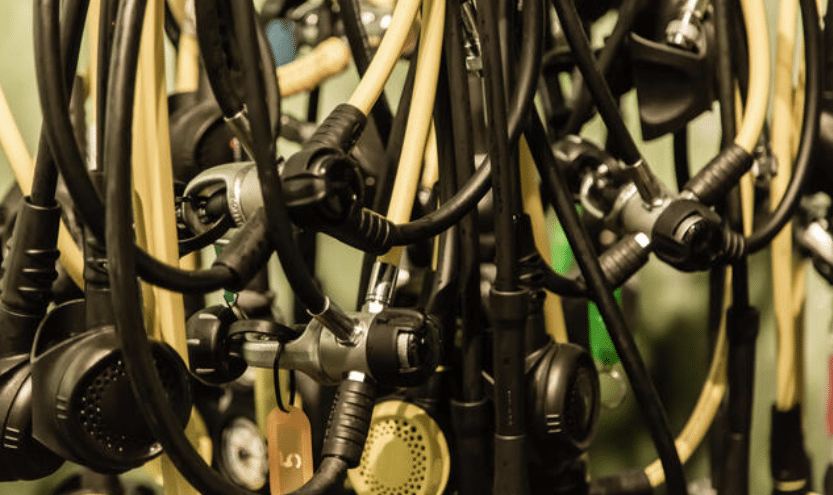
Retirement Criteria and Decision-Making
Retiring equipment is often delayed due to cost considerations or operational pressure. However, continued use of degraded equipment introduces unacceptable risk.
Retirement criteria should be clearly defined. Equipment must be removed from service when:
- It fails to meet performance standards
- Structural integrity is compromised
- Manufacturer limits are reached
- Safe operation cannot be guaranteed
Retirement decisions must be enforced consistently. Exceptions introduce variability and increase risk.
At N9BO℠, we treat retirement as a necessary control measure, not a last resort.
Standardisation and Fleet Management
Dive operations often manage multiple sets of equipment. Standardisation simplifies maintenance, training, and replacement.
Benefits of standardisation include:
- Consistent servicing procedures
- Reduced inventory complexity
- Easier identification of faults or anomalies
Fleet management allows operators to monitor equipment collectively, identifying trends in wear or failure.
This supports proactive replacement and reduces unexpected downtime.
At N9BO℠, we manage equipment as a system, not as isolated items.
Balancing Cost and Risk
Cost is a factor in lifecycle management, but it must not override safety. Extending equipment life beyond safe limits reduces immediate cost but increases long-term risk.
Effective balance involves:
- Planning for replacement as part of operational budgeting
- Prioritising critical equipment for early replacement
- Avoiding reactive decisions driven by failure
Investing in timely replacement reduces the likelihood of incidents and operational disruption.
At N9BO℠, we align financial planning with safety requirements, ensuring that cost does not compromise operational integrity.
Operational Mindset
Equipment lifecycle management is not a maintenance function alone—it is an operational responsibility. Decisions made at this level directly affect safety, reliability, and performance.
Waiting for failure is not acceptable. Degradation must be identified and managed before it becomes critical.
At N9BO℠, we emphasise proactive control, structured decision-making, and consistent application of standards. Equipment is treated as part of the safety system, not just operational support.
In dive operations, reliability is not assumed. It is maintained through disciplined lifecycle management.
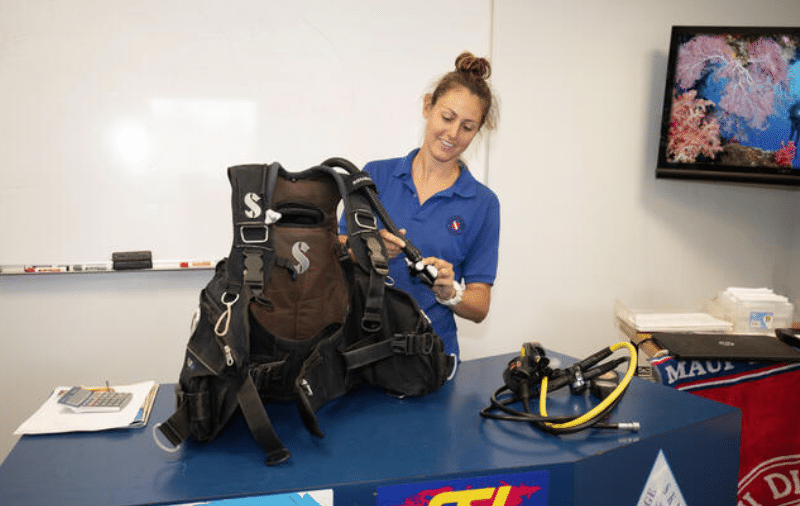
Maintain Control Over Your Equipment
Contact N9BO℠ to integrate structured equipment lifecycle management into your dive operations, ensuring reliability, safety, and long-term operational efficiency.
From the N9BO℠ Knowledge Base