Oxygen Changes the Rules Completely
Standard air systems tolerate a wide margin of error. Oxygen-enriched systems do not.
Increased oxygen concentration radically increases fire and explosion risk. Materials, lubricants, and contaminants that are harmless in air become ignition sources in oxygen service. Professional O₂ service training exists because oxygen does not forgive mistakes.
What an O₂ Service Technician Actually Does
An O₂ Service Technician is responsible for ensuring that:
- Equipment is compatible with elevated oxygen levels
- All components are cleaned to oxygen-service standards
- Lubricants, seals, and materials are correctly specified
- Assembly procedures eliminate contamination risk
This is not routine maintenance. It is hazard control.
Cleaning Is Only Part of the Job
Many people equate O₂ service with cleaning alone. This is dangerously incomplete.
True O₂ service includes:
- Material verification
- Controlled assembly environments
- Documentation and traceability
- Post-service handling protocols
Professional training treats oxygen service as a system, not a task.
Why “Looks Clean” Is Meaningless
Oxygen fires are triggered by microscopic contamination.
Human senses cannot detect the risks involved. O₂ Service Technician training emphasises process discipline over visual inspection.
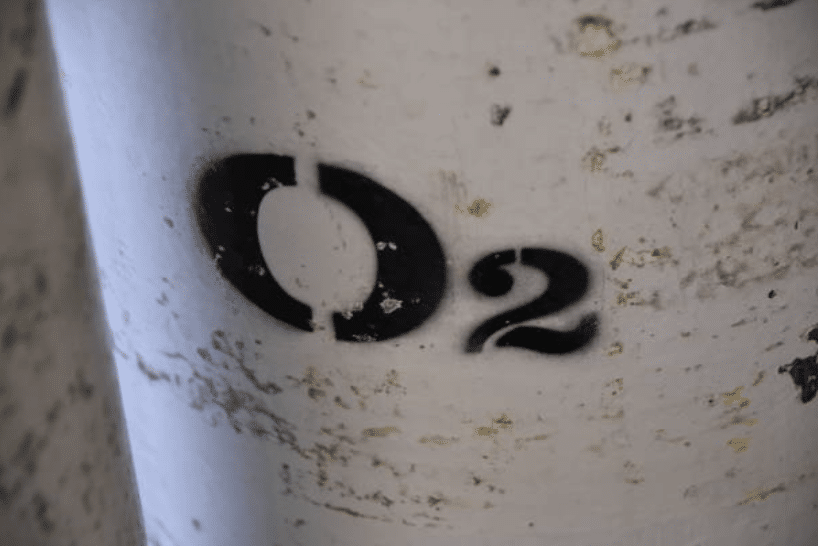
Instructor Perspective: Correcting Dangerous Assumptions
Instructors frequently encounter divers and technicians who underestimate oxygen risk.
At N9BO℠, O₂ service instruction focuses on unlearning bad habits and reinforcing uncompromising standards.
The Cost of Improper Oxygen Service
Failures in oxygen service can result in:
- Regulator fires
- Cylinder valve ignition
- Fill-station explosions
- Severe injury or death
These incidents are rare—but when they occur, consequences are absolute. Professional oxygen service training exists to prevent exactly this.
O₂ Service in Professional Operations
Technical diving, rebreather operations, public safety diving, and hyperbaric environments all rely on oxygen service competence.
In these contexts, oxygen service failures affect not just one diver, but entire teams and facilities. Professional-grade O₂ service training is non-negotiable.
Documentation and Accountability
Proper oxygen service includes record-keeping:
- Service dates
- Components used
- Procedures followed
This documentation protects technicians, dive centres, and organisations legally and operationally.
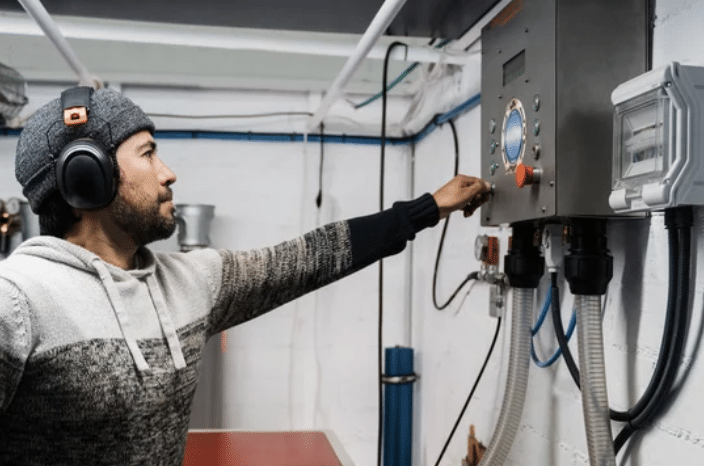
Why Not Everyone Should Do O₂ Service
Oxygen service demands patience, cleanliness, and discipline.
It is not a “quick add-on skill.” Professional training restricts O₂ service to those willing to follow process exactly—every time.
Professional Parallels
In medical gas systems and aerospace, oxygen service protocols are rigid for a reason.
Diving adopts the same philosophy. Oxygen safety is procedural, not intuitive.
The Bottom Line
Oxygen keeps divers alive—but only when handled correctly.
The O₂ Service Technician is an invisible safeguard in every safe nitrox or decompression dive. This role is defined by discipline, process, and zero tolerance for shortcuts.
At N9BO℠, oxygen service training is treated as life-critical instruction.
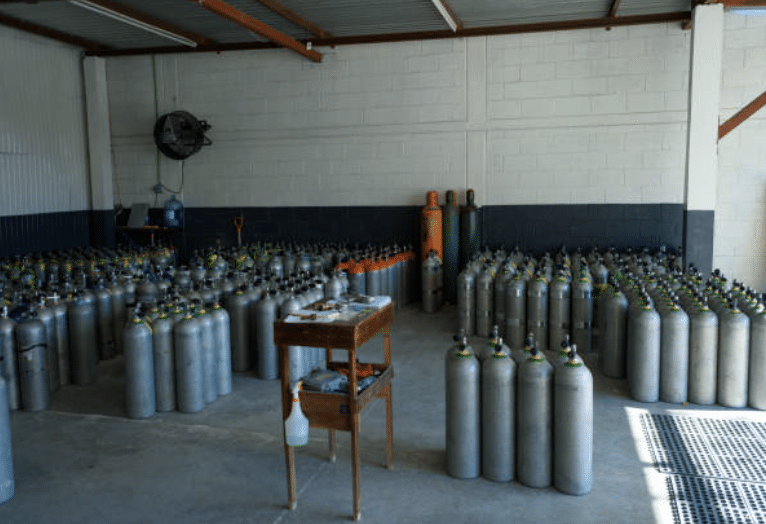
Interested in Oxygen Service Training?
Oxygen-compatible equipment handling is a critical safety discipline in technical and professional diving. Contact us to learn about O₂ service technician training and certification.
From the N9BO℠ Knowledge Base