Why “Eligibility” Is Not the Same as Readiness
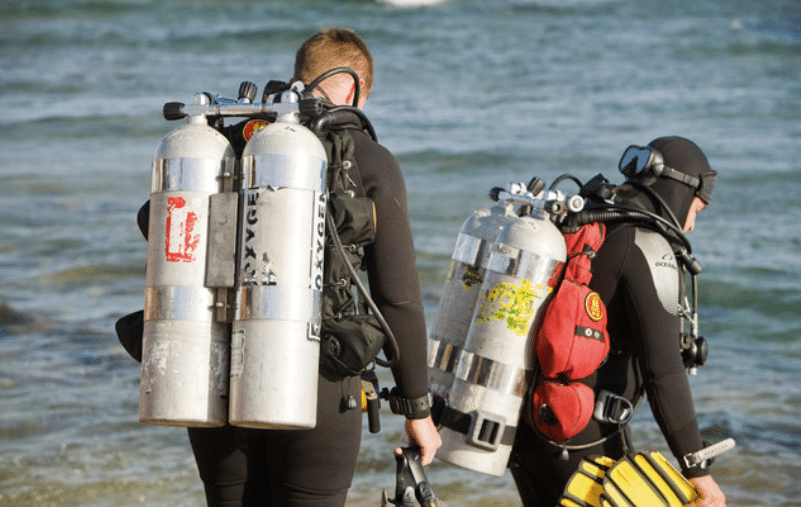
One of the most common misconceptions in technical diving is that meeting course prerequisites equals being prepared. Logged dive counts, certification levels, and depth experience are useful screening tools, but they do not reliably predict performance once task loading and failure management are introduced.
Technical instructors routinely see divers who are eligible for training but not ready for it. This disconnect often leads to frustration, extended courses, or, in some cases, unsafe outcomes. Understanding the difference between eligibility and readiness is the first step toward responsible progression into technical diving training.
Readiness is not about perfection; it is about stability. A diver who can maintain consistent control, awareness, and discipline under moderate stress will progress far more effectively than a diver who relies on favourable conditions or constant instructor correction.
Buoyancy Control as a Cognitive Skill
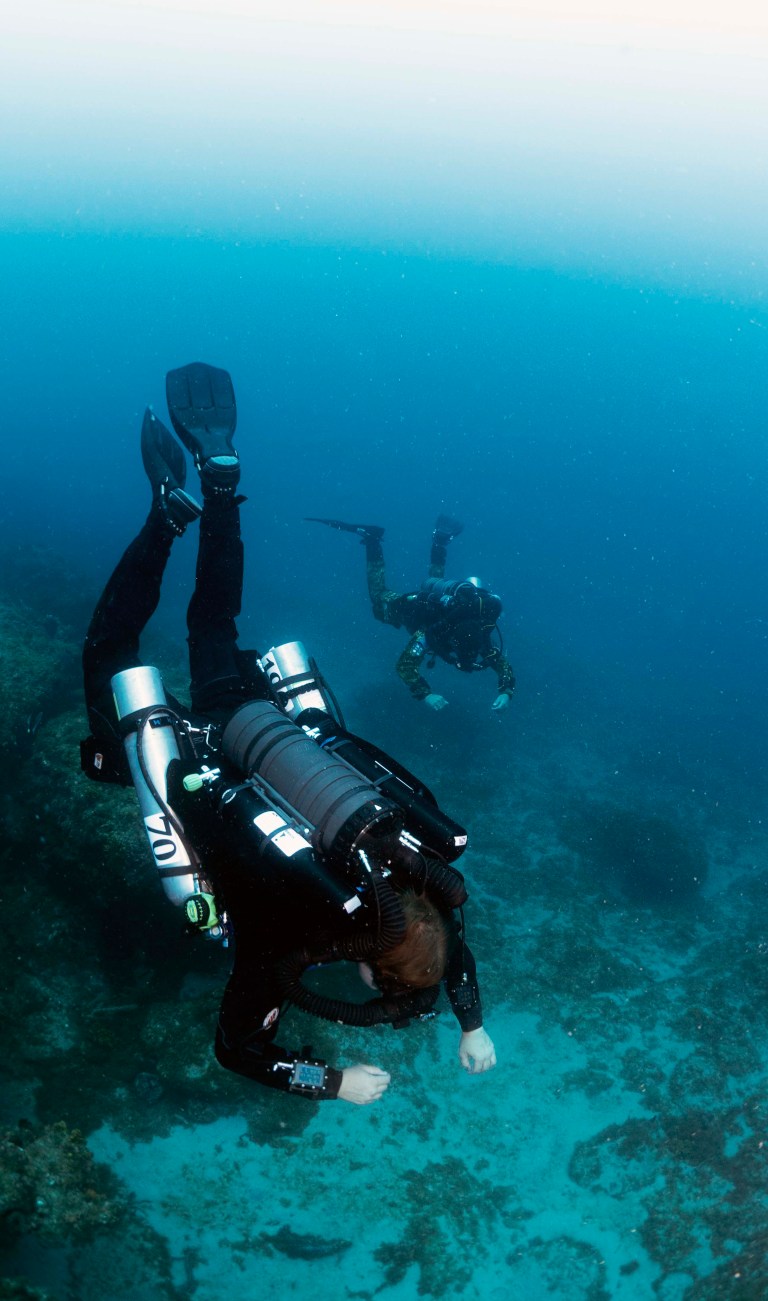
Buoyancy is often discussed as a physical skill, but in technical diving it is fundamentally cognitive. Maintaining depth while managing tasks, monitoring gas, and communicating with teammates requires mental bandwidth. If buoyancy control consumes attention, it competes with more critical decision-making processes.
In recreational contexts, minor depth deviations are inconsequential. In technical environments, they can affect decompression accuracy, gas consumption, and team coordination. This is why technical diving training treats buoyancy as a baseline competency, not an advanced refinement.
Divers preparing for technical courses should be able to:
• Hold depth within a narrow range without visual reference
• Adjust buoyancy smoothly without large corrective inputs
• Maintain control while performing secondary tasks
Without this foundation, learning stalls quickly.
Trim and Body Position: Efficiency, Not Aesthetics
Trim is frequently misunderstood as an aesthetic concern. In reality, trim directly affects propulsion efficiency, gas consumption, environmental impact, and situational awareness.
A diver who is consistently out of trim expends unnecessary energy and attention correcting position. This inefficiency becomes magnified during longer exposures or decompression dives. TDI technical diving courses and PADI Tec training programmes both emphasise trim early because it underpins almost every other skill.
Proper trim supports:
• Stable propulsion
• Reduced silting in overhead environments
• Predictable positioning relative to teammates
• Easier equipment access during failures
Preparing divers should focus on maintaining trim without conscious effort, allowing attention to shift elsewhere when complexity increases.
Propulsion: Moving Without Consequence
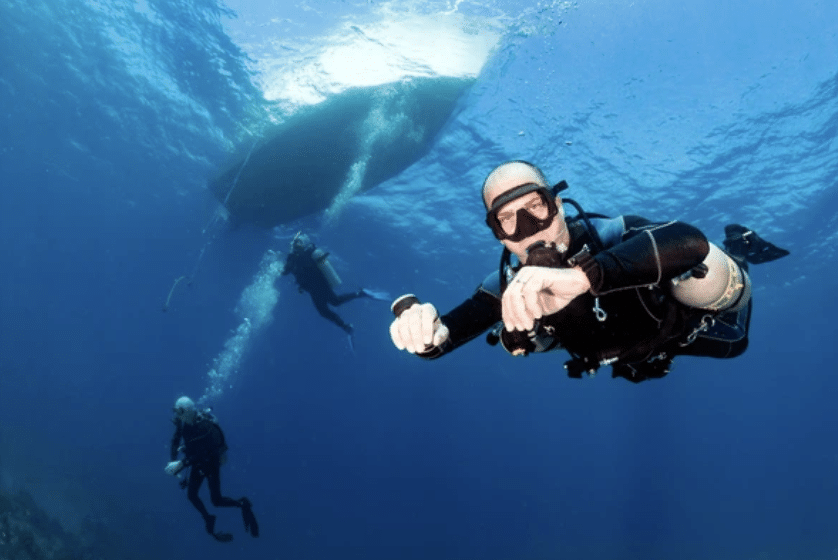
In technical diving, propulsion is not about speed—it is about control. Inefficient finning increases gas consumption, disturbs visibility, and destabilises trim. More importantly, it adds cognitive load.
Technical training assumes divers can move deliberately without collateral effects. This includes:
• Stopping precisely
• Backing away from obstacles
• Turning without hand movement
• Maintaining position during task execution
These skills are rarely taught explicitly in recreational programmes, yet they are central to advanced technical diving progression.
Situational Awareness: The Skill That Is Hardest to Measure
Situational awareness is often cited but rarely defined. In technical diving, it refers to a diver’s ability to continuously integrate information about:
• Depth and time
• Gas status (self and team)
• Team position and communication
• Environmental conditions
• Task progression
Divers who lack situational awareness tend to fixate—on a reel, a camera, a valve—while the broader dive context degrades unnoticed. Technical diving training deliberately exposes this tendency so it can be addressed.
Preparation involves cultivating habits of frequent scanning, disciplined checks, and proactive communication, even on simple dives.
Gas Discipline Before Gas Complexity
Before introducing multiple cylinders, gas switches, or helium, divers must demonstrate disciplined gas awareness with simple systems. This includes:
• Regular pressure checks without prompting
• Understanding consumption trends
• Predicting gas usage rather than reacting to it
Divers who struggle with single-cylinder gas awareness will struggle far more once redundancy and sharing are introduced. This is why TDI technical diving courses build complexity only after gas discipline is evident.
Emotional Regulation Under Task Load
One of the least discussed but most important preparatory skills is emotional regulation. Stress responses—rushing, fixation, tunnel vision—are normal human reactions. Technical training does not eliminate them; it teaches divers to recognise and manage them.
Divers preparing for technical training should ask themselves:
• How do I respond when something interrupts a dive?
• Do I slow down or speed up under pressure?
• Can I pause, breathe, and reassess?
Advanced technical diving progression relies on calm, deliberate responses far more than physical strength or endurance.
Knowledge vs Embodied Skill
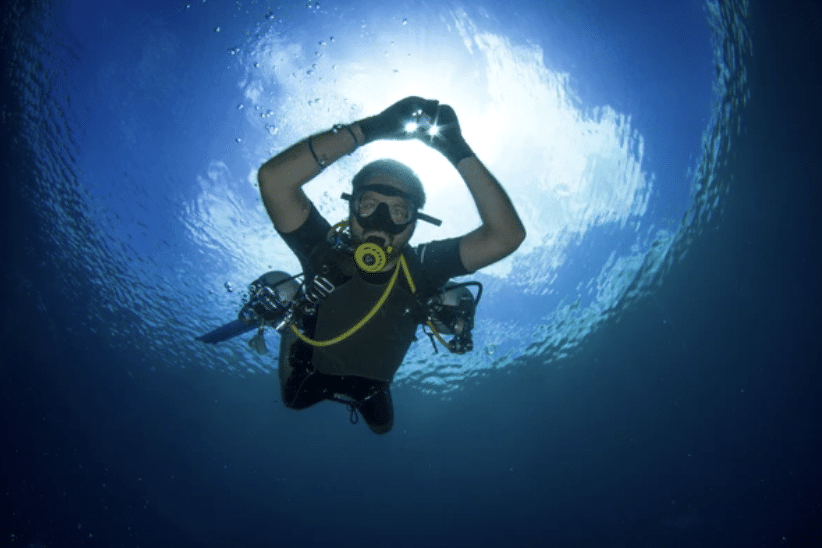
Many divers attempt to prepare for technical training by studying theory extensively. While knowledge is essential, it cannot replace embodied skill. Knowing what to do does not guarantee the ability to do it under stress.
Effective preparation balances theory with repetition, reflection, and honest self-assessment. This is why divers who arrive with fewer certifications but stronger fundamentals often outperform those with extensive theoretical knowledge but weak control.
Preparing the Right Way
The most effective way to prepare for technical training is not to rush into it, but to refine fundamentals intentionally. Seek feedback, slow down dives, reduce task clutter, and practise control under benign conditions.
At N9BO℠, divers are encouraged to view preparation as an investment. The stronger the foundation, the more productive—and safer—technical training becomes.
Technical courses do not create discipline; they reveal it.
Situational awareness is another cornerstone. Technical divers must monitor depth, time, gas, teammates, and environmental cues simultaneously. This ability develops through experience and is reinforced through structured TDI technical diving courses.
Finally, mental discipline matters. Technical training rewards patience, preparation, and humility. Divers who approach training with an open mindset progress more effectively than those focused solely on certification outcomes.
At N9BO℠, pre-course preparation is discussed openly to ensure candidates are ready for Advanced technical diving progression, not merely eligible on paper.

Not Ready for a Technical Course Yet?
Proper preparation matters more than certification timing. Contact us to discuss skill development before committing to technical training.
From the N9BO℠ Knowledge Base