What “Bailout” Really Means
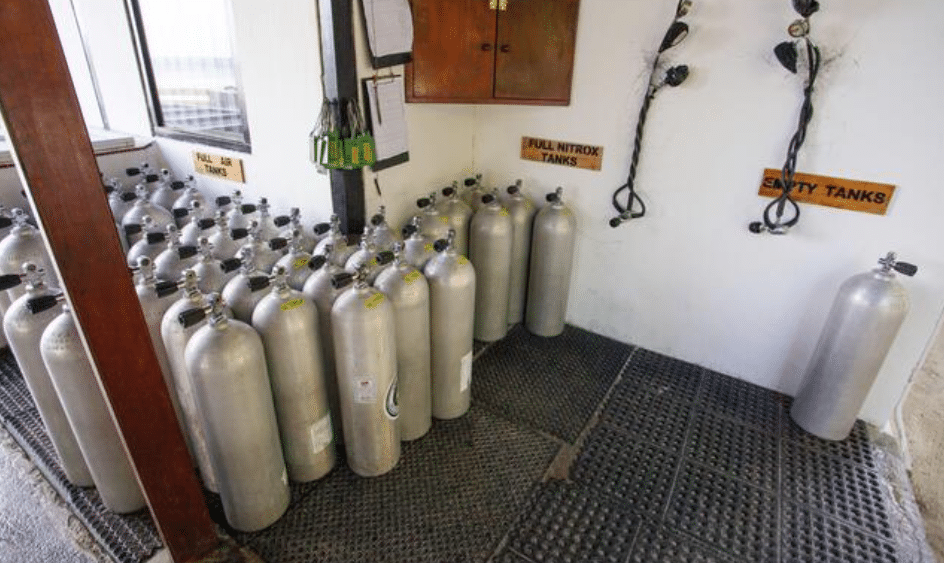
In CCR diving, bailout refers to:
- Switching from the rebreather loop
- To an independent open-circuit gas source
- Due to a malfunction or unsafe condition
Bailout is not:
- A convenience
- A secondary gas option
- A “just in case” accessory
It is your guaranteed survival path if:
- Oxygen control fails
- Electronics malfunction
- CO₂ breakthrough occurs
- Loop flooding compromises breathing
CCR divers assume that something will eventually fail.
Bailout planning exists because of that assumption.
The Nature of CCR Failures
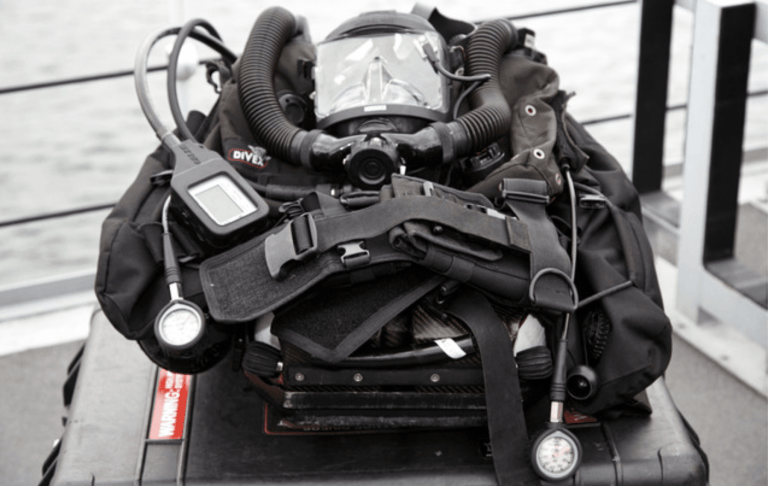
CCR systems are complex.
They include:
- Oxygen sensors
- Solenoids
- Electronics
- Scrubber canisters
- Manual gas addition valves
- Loop counterlungs
Failure can occur in multiple ways:
- Hypoxia (low oxygen)
- Hyperoxia (high oxygen)
- Hypercapnia (elevated CO₂)
- Electronics blackout
- Flooded loop
Some failures provide warning.
Others do not.
Hypoxia can be silent.
CO₂ buildup can escalate rapidly.
Bailout must be immediate and rehearsed.
Bailout Is Not About Panic — It Is About Procedure
When bailout is required:
- There is no debate.
- There is no troubleshooting underwater.
- There is no emotional hesitation.
The sequence must be automatic:
- Switch to bailout regulator.
- Confirm breathing gas.
- Stabilise buoyancy.
- Control ascent profile.
- Manage decompression obligations.
Under stress, complexity multiplies.
Only repetition builds calm.
How Much Bailout Gas Is Enough?
The critical question is not:
“Do I have bailout?”
It is:
“Do I have enough bailout?”
Gas calculations must consider:
- Maximum depth
- Worst-case breathing rate
- Stress scenario
- Full ascent with decompression
- Potential team support limitations
Bailout gas planning assumes:
Elevated respiratory rate.
Not ideal conditions.
Optimistic planning kills margin.
Conservative planning builds survival space.
Bailout Strategies: Different Approaches
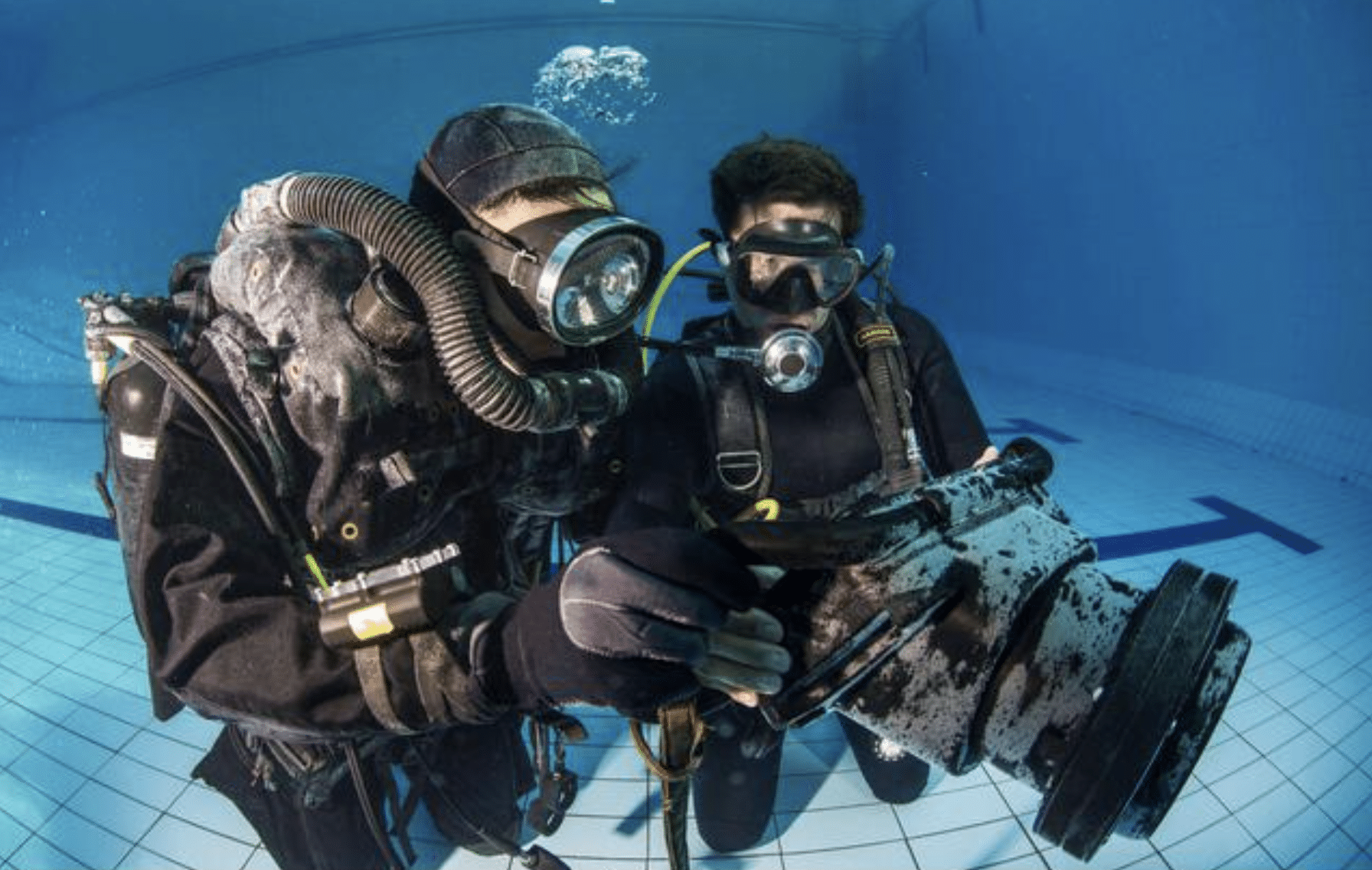
CCR divers may use:
- Single bailout cylinder
- Multiple staged bailout cylinders
- Team bailout sharing protocols
- Off-board gas configurations
Each strategy depends on:
- Depth
- Environment
- Decompression obligation
- Overhead exposure
- Team structure
In cave diving:
You must plan independent bailout.
In open water team diving:
You may integrate shared gas philosophy.
Configuration must match risk.
The Myth of “I’ll Probably Be Fine”
CCR diving seduces with efficiency.
- Long bottom times
- Stable PO₂
- Minimal bubbles
- Reduced gas consumption
But bailout gas is:
Open-circuit consumption.
At depth.
Under stress.
A diver who normally breathes 15 L/min may spike to 40 L/min or more under stress.
Gas disappears rapidly.
Bailout planning must assume stress breathing.
Not calm breathing.
Bailout Discipline and Task Loading
Switching to bailout introduces:
- Increased bubble noise
- Increased gas consumption
- Higher decompression risk
- Emotional spike
- Elevated heart rate
Task loading increases.
Decision-making must remain intact.
Bailout is not the end of the dive.
It is the beginning of a controlled exit.
Training and Repetition
CCR divers must practise:
- Loop removal and bailout switch
- Mask and regulator swaps
- Simulated electronics failure
- PO₂ runaway drills
- CO₂ suspected failure response
Drills must be:
- Smooth
- Controlled
- Deliberate
- Repeated
Speed is irrelevant.
Accuracy matters.
At N9BO℠, we emphasise that bailout competence is more important than bottom time. A CCR diver who cannot switch cleanly under stress is not ready for extended range.
Team Considerations
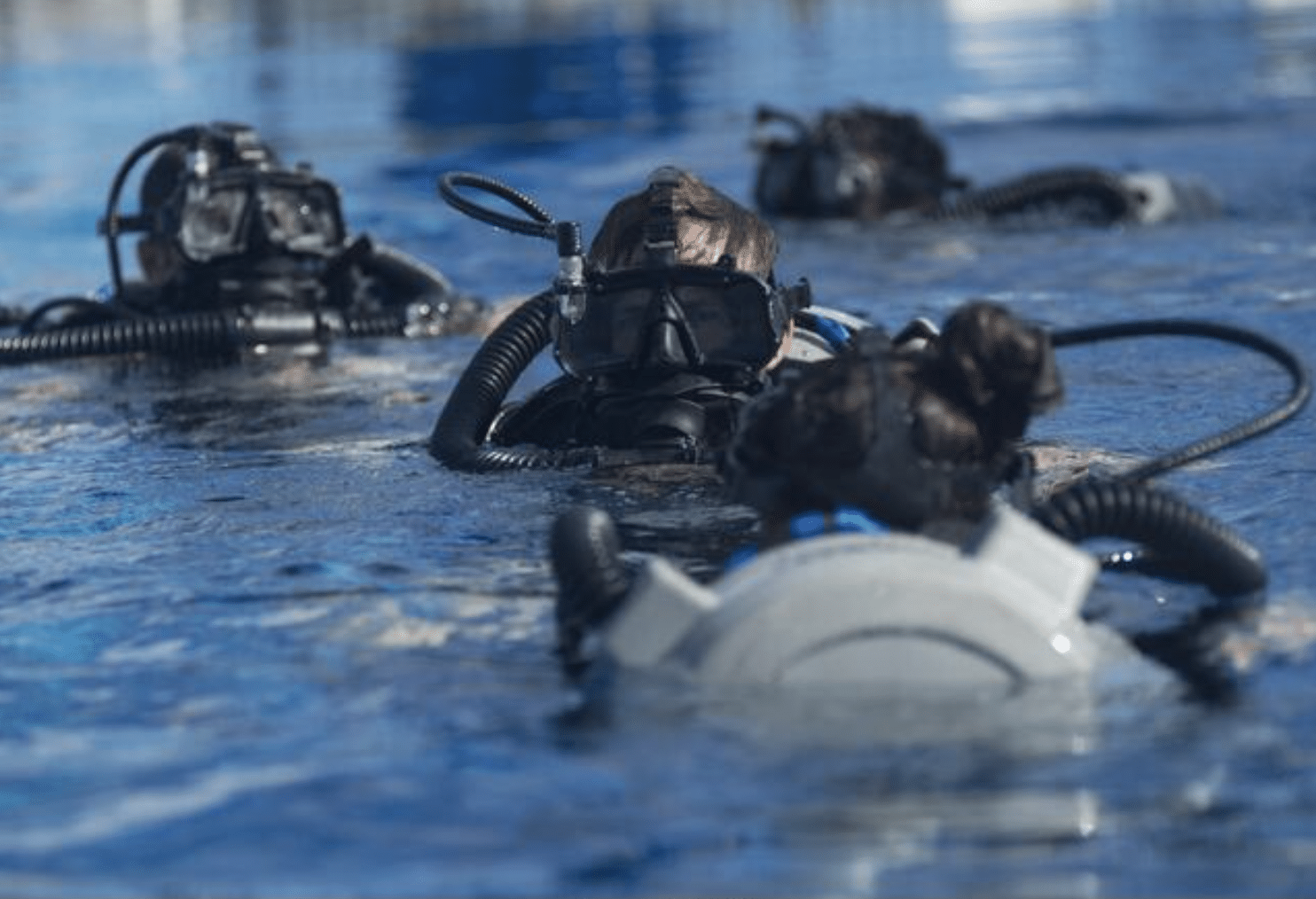
CCR team diving requires:
- Clear bailout communication
- Shared contingency planning
- Exit protocols
- Gas verification before descent
If one diver bails out:
The team must adjust.
Planning includes:
- Who carries what gas
- Who supports whom
- What happens if multiple divers bail simultaneously
Redundancy includes team redundancy.
Bailout Is Philosophy
Bailout planning reflects a mindset:
- Assume failure
- Plan conservatively
- Train realistically
- Exit deliberately
CCR divers do not trust equipment blindly.
They build safety layers.
Every cylinder carried has a purpose.
Every litre is calculated.
The Psychological Dimension
Knowing you have sufficient bailout gas:
- Reduces anxiety
- Improves clarity
- Expands cognitive margin
Inadequate bailout:
- Creates subconscious stress
- Encourages denial
- Delays decision-making
Confidence must be built on preparation.
Not optimism.
Final Perspective
CCR diving extends possibility.
But possibility without bailout planning is illusion.
Your bailout cylinder is:
- Your oxygen when electronics fail.
- Your air when the loop floods.
- Your margin when stress spikes.
It is not secondary.
It is primary.
In CCR diving, your true safety lies not in the loop.
It lies in your exit strategy.
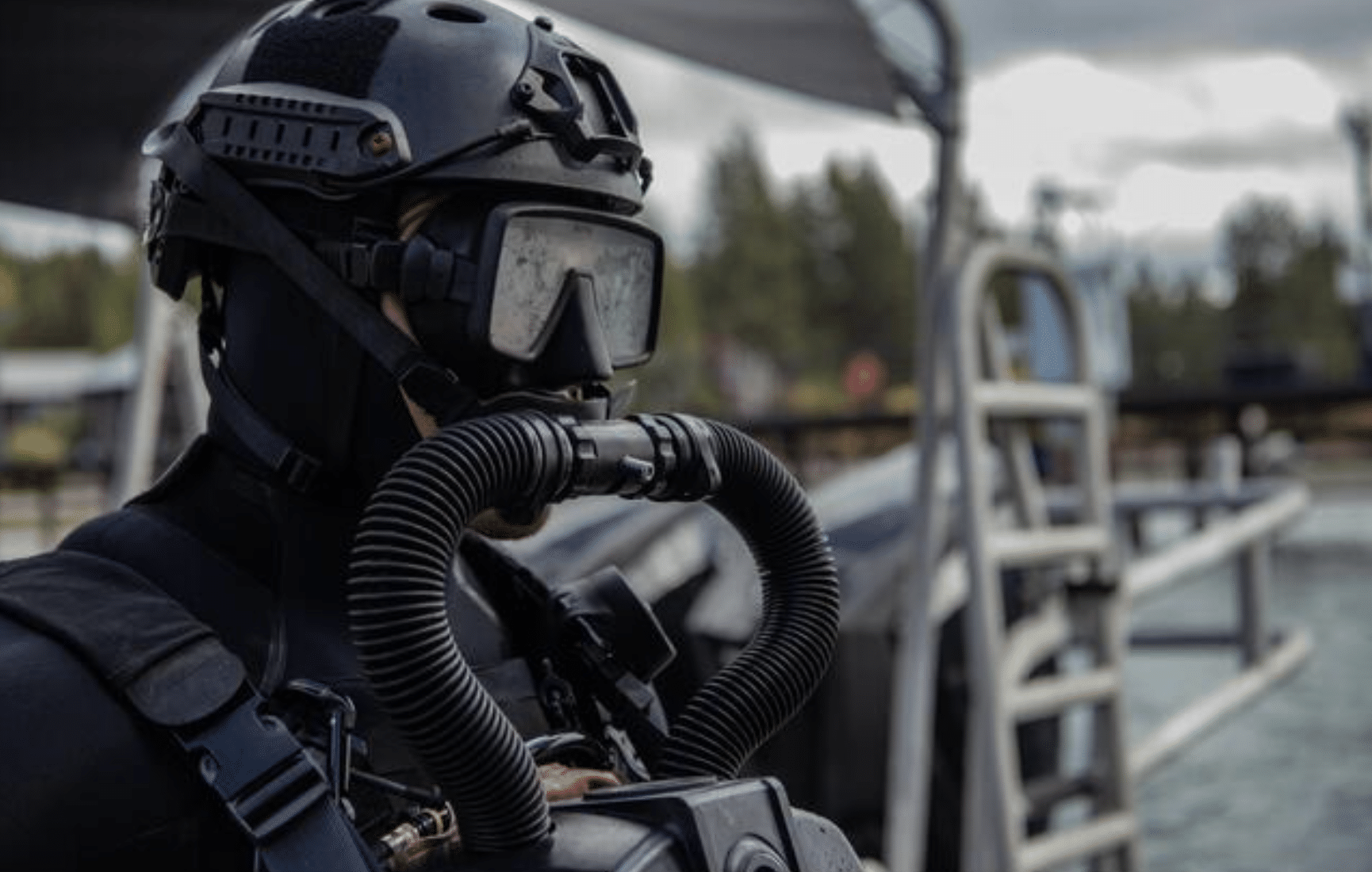
Considering CCR Training? Let’s Discuss Bailout Strategy First.
Rebreather diving requires disciplined bailout planning and structured progression. Contact N9BO℠ to explore CCR pathways built on redundancy and safety.
From the N9BO℠ Knowledge Base