Bad Decisions Rarely Happen First
Most diving incidents do not begin with a catastrophic mistake. They emerge after dozens of small, seemingly harmless decisions have already been made.
Each choice—navigation, depth adjustment, task prioritisation—draws from the same mental reserve. Professional technical diving training recognises decision fatigue as a predictable human limitation.
What Is Decision Fatigue?
Decision fatigue occurs when the brain’s ability to evaluate options deteriorates after sustained decision-making.
As fatigue increases, divers become:
- Slower to recognise problems
- More impulsive
- More tolerant of risk
- Less likely to abort
Advanced technical diving progression treats this as a core safety issue.
Why It Peaks Late in the Dive
Decision fatigue accumulates silently. Early in the dive, judgement feels sharp.
Later, especially during ascent and decompression—when stakes are highest—mental reserves are lowest. Technical diving training deliberately focuses on late-dive discipline.
The Myth of “One Last Task”
Late-dive errors often begin with rationalisations:
- “Just one more look”
- “We’re almost done”
- “It won’t take long”
These thoughts signal cognitive depletion. Advanced technical diving progression teaches divers to treat them as abort cues.
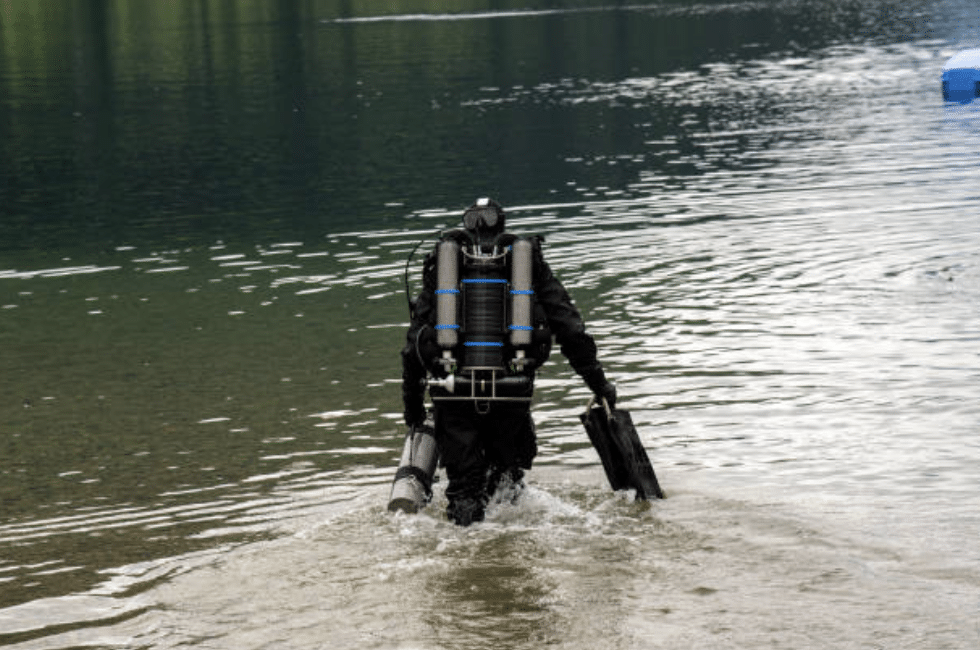
Instructor Perspective: Watching the Fade
Instructors routinely observe students performing well early, then cutting corners late.
At N9BO℠, instructors structure dives so the most critical decisions occur when fatigue is highest—under supervision.
Structure Protects Decision Quality
Checklists, triggers, and predefined limits reduce decision load.
Professional divers decide before the dive so they don’t have to decide under fatigue. Technical diving training emphasises pre-commitment.
Simplification as a Safety Tool
Complexity multiplies decision demands.
Streamlined equipment, clear roles, and simple objectives preserve cognitive bandwidth. Advanced technical diving progression prioritises simplicity over novelty.
Team Effects of Decision Fatigue
Fatigued divers are less receptive to feedback and more defensive.
Professional teams support each other by recognising fatigue signs early. Technical diving training teaches teams to intervene respectfully.
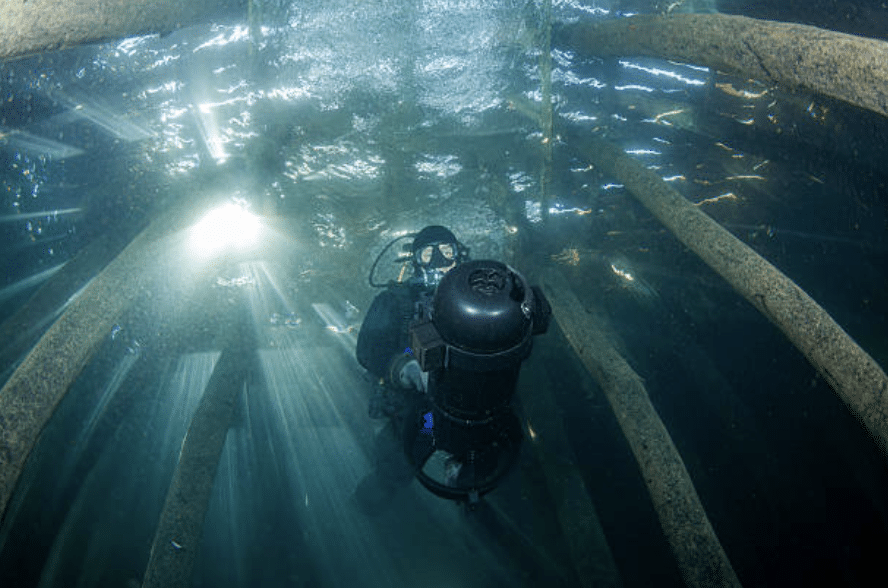
Stress Accelerates Fatigue
Cold, exertion, and stress accelerate cognitive depletion.
This is why professional training integrates stress exposure with decision discipline.
Professional Parallels
In aviation and surgery, late-stage errors are well documented and actively mitigated.
Technical diving applies the same human-factors lessons. Decision fatigue is expected—and managed.
The Bottom Line
Your judgement is strongest early—and weakest when it matters most.
In technical diving, safety depends on protecting decision quality throughout the entire dive, especially at the end.
At N9BO℠, divers are trained to manage cognitive fatigue before it manages them.

Struggling With Focus Late in Long Dives?
Decision fatigue is predictable and manageable with proper training and planning. Contact us to discuss training approaches that improve performance and safety under load.
From the N9BO℠ Knowledge Base