Fire Offshore: A Different Level of Risk
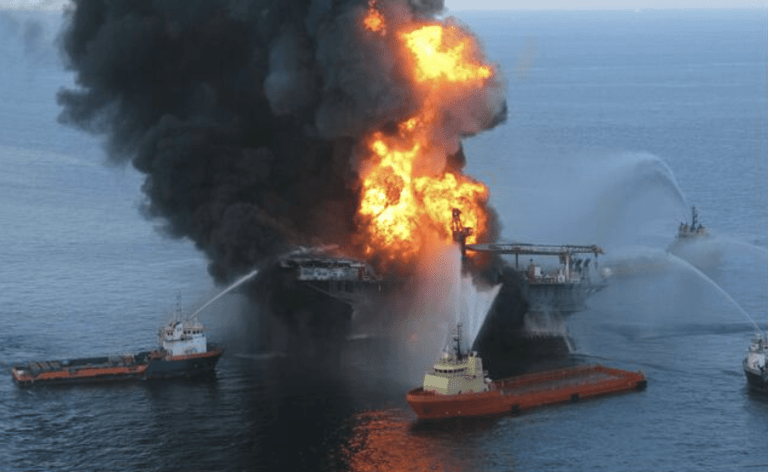
Fire safety in offshore environments cannot be approached in the same way as on land. Onshore, fire incidents benefit from accessibility. Emergency services can respond, evacuation routes are multiple, and containment is often supported by infrastructure. Offshore, these advantages disappear, leaving teams operating in confined environments, often surrounded by fuel sources, with limited escape routes and delayed external support.
When a fire starts offshore, it does not simply threaten a room or a section of a structure. It threatens the entire installation. Heat spreads quickly through metal frameworks, smoke accumulates in enclosed spaces, and escape becomes more complex as conditions deteriorate. In these environments, response must come from within the team itself, which means there is no margin for improvisation or delay.
Prevention: The First and Most Effective Barrier
The most effective way to deal with fire is to prevent it from starting. In offshore operations, many ignition sources are part of daily activity, which makes them easy to overlook. Electrical systems, fuel handling, compressors, and maintenance work all introduce potential hazards that must be managed continuously rather than occasionally.
Prevention relies on systematic inspection and disciplined behaviour. Equipment must be checked regularly, not only for obvious faults but also for early signs of degradation. Small issues, such as heat buildup, minor leaks, or worn components, often go unnoticed until they develop into something more serious. Identifying these early is not simply good practice—it is essential.
However, prevention is not only technical. It is behavioural. Personnel must understand that routine does not equal safety. Repetition can create complacency, and complacency allows risks to develop unnoticed. A culture that treats every task with the same level of attention, regardless of how familiar it feels, is far more effective than one that relies on periodic checks.
Human Behaviour as a Risk Factor
Most fire incidents are not the result of sudden, catastrophic failures. They are the result of accumulated small decisions. Shortcuts, assumptions, and lapses in attention create the conditions where ignition becomes possible. This might involve bypassing safety procedures, storing flammable materials incorrectly, or neglecting maintenance tasks that appear minor at the time.
In offshore environments, these behaviours are amplified by fatigue and isolation. Teams often work in repetitive cycles, and over time, minor deviations from procedure may begin to feel acceptable. This gradual shift is rarely noticed, but it significantly increases risk.
Maintaining discipline in these conditions requires more than rules. It requires awareness and leadership. At N9BO℠, we emphasise that safety is built through consistent behaviour, not occasional compliance. The way routine tasks are performed determines whether risk remains controlled or begins to accumulate.
Detection: Recognising the Problem Early
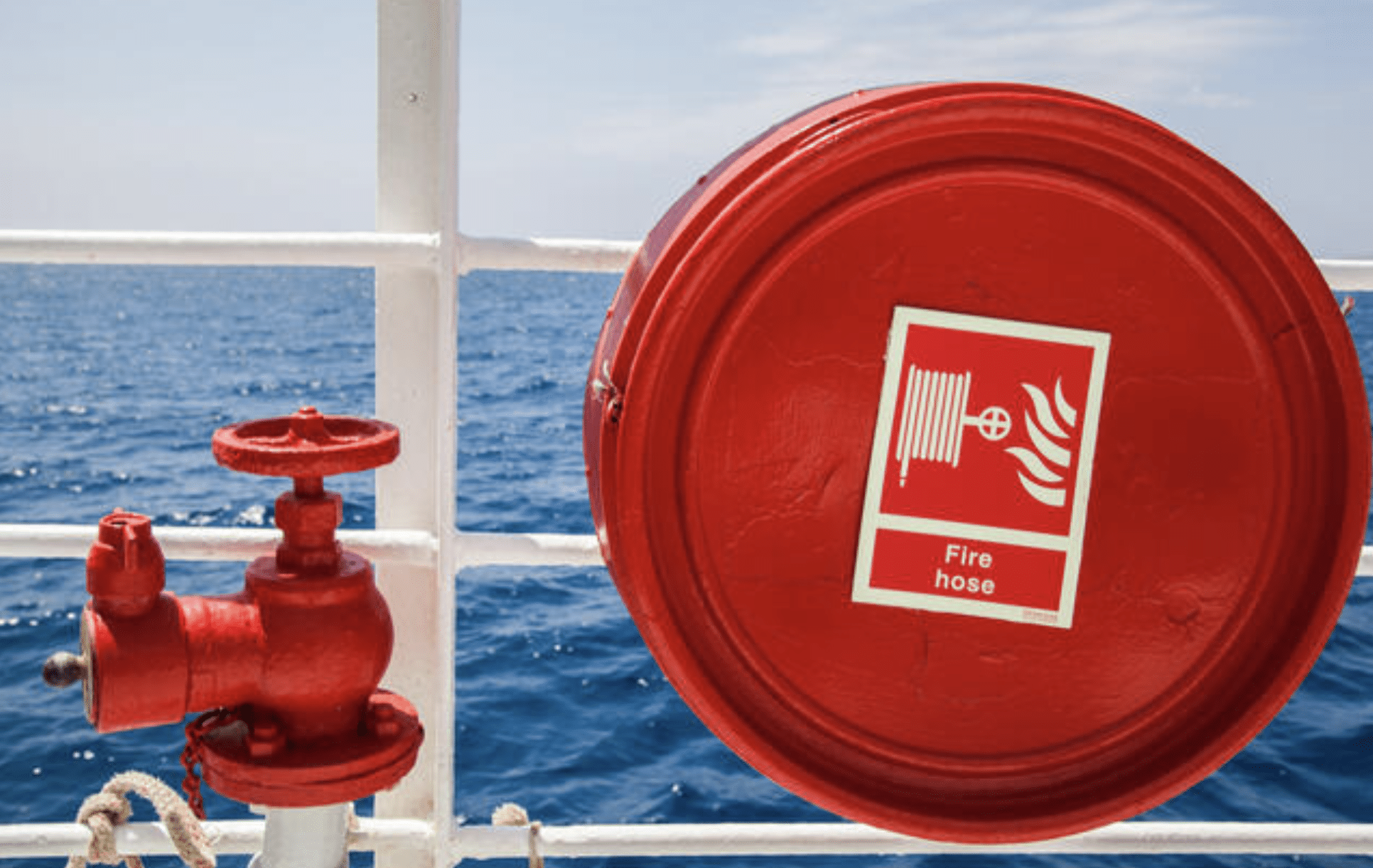
Even with strong prevention measures, the possibility of fire cannot be eliminated completely. When an incident begins, early detection becomes critical. The difference between a manageable situation and a major emergency often lies in how quickly the problem is identified.
Detection systems such as alarms and sensors play an important role, but they are only part of the solution. Personnel must also recognise early indicators such as unusual heat, electrical smells, or the presence of smoke. These signs are often subtle, and it is easy to dismiss them, especially in busy operational environments.
Effective teams treat these early indicators seriously. They investigate immediately and take action without waiting for confirmation from automated systems. This proactive approach allows issues to be addressed before they escalate.
Response: Structured, Not Reactive
When a fire is confirmed, response must follow a structured process. Panic is a natural reaction, but it must be replaced by procedure. Teams that have trained together understand their roles and responsibilities, which allows them to act quickly without confusion.
A coordinated response ensures that the situation is assessed correctly, containment efforts are appropriate, and communication remains clear. Without this structure, individuals may act independently, which can lead to duplication of effort or critical tasks being overlooked. In a confined offshore environment, this lack of coordination increases risk significantly.
Training is what enables this structure. It ensures that response is not based on instinct but on a shared understanding of how to act under pressure.
Firefighting vs Evacuation
One of the most critical decisions in any fire scenario is whether to attempt to control the fire or initiate evacuation. This decision must be made based on a clear assessment of the situation, including the size of the fire, available resources, and the risk to personnel.
Attempting to fight a fire beyond the team’s capability can result in escalation and injury. At the same time, evacuating too early may mean losing control over a situation that could have been contained. The balance between these options is not always obvious, which is why training and experience are essential.
Professional teams understand that the priority is always the safety of personnel. The objective is not to extinguish every fire, but to ensure that no one is placed at unnecessary risk.

Evacuation: Planning Before It Is Needed
Evacuation in offshore environments is complex and must be planned in advance. Routes are limited, conditions can deteriorate rapidly, and visibility may be reduced due to smoke. Without prior planning, evacuation becomes chaotic.
Personnel must be familiar with evacuation routes, muster points, and the location of emergency equipment. This knowledge cannot be theoretical. It must be reinforced through drills and repetition so that it becomes instinctive.
In an emergency, there is no time to consider options. The correct action must already be known and understood by everyone involved.
Training: The Only Real Preparation
Fire safety cannot be achieved through theory alone. It requires practical training that reflects real conditions. Teams must experience scenarios where visibility is reduced, communication is limited, and decisions must be made quickly.
This type of training builds familiarity and reduces hesitation. It allows individuals to operate effectively even when conditions are difficult. At N9BO℠, HEAT training integrates fire scenarios specifically because real-world environments do not provide ideal conditions. Personnel must be prepared to function within structured systems under pressure.
Leadership and Decision-Making
Leadership plays a decisive role in managing fire incidents. Leaders must maintain awareness, communicate clearly, and make decisions without delay. This requires both training and experience.
In high-pressure situations, uncertainty can lead to hesitation, and hesitation allows conditions to worsen. Effective leaders provide clarity and direction, ensuring that the team operates cohesively. Leadership in this context is not about authority, but about responsibility and the ability to act decisively when it matters most.
Final Perspective
Fire offshore is not a rare or distant possibility. It is a constant risk that must be managed continuously. Its impact is immediate, its escalation rapid, and its consequences potentially severe.
Managing this risk requires more than equipment. It requires prevention, awareness, structured response, and consistent training. Teams that understand this operate with control and confidence. Those that do not are left relying on chance.
In offshore environments, preparedness is not optional. It is the difference between control and crisis.

Strengthen Your Offshore Fire Safety Preparedness
Contact N9BO℠ to implement HEAT training programmes that prepare your teams for real-world fire scenarios and emergency response.
From the N9BO℠ Knowledge Base