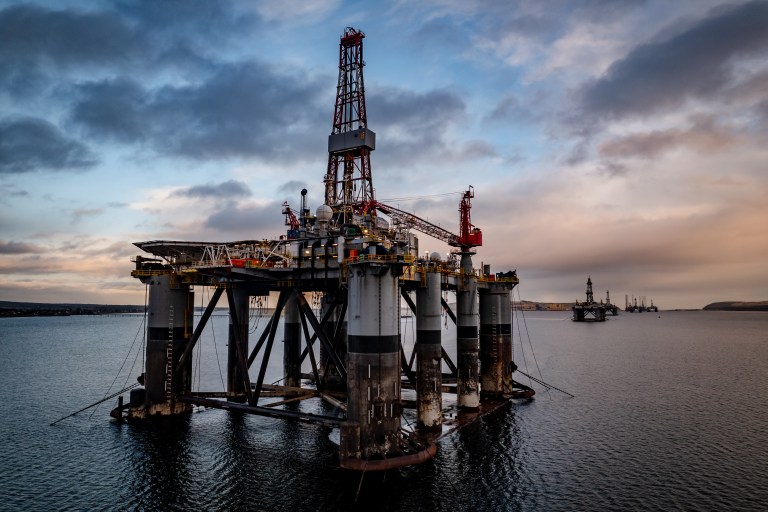
Offshore Is an Industrial Environment at Sea
Oil and gas rigs are not workplaces that happen to float.
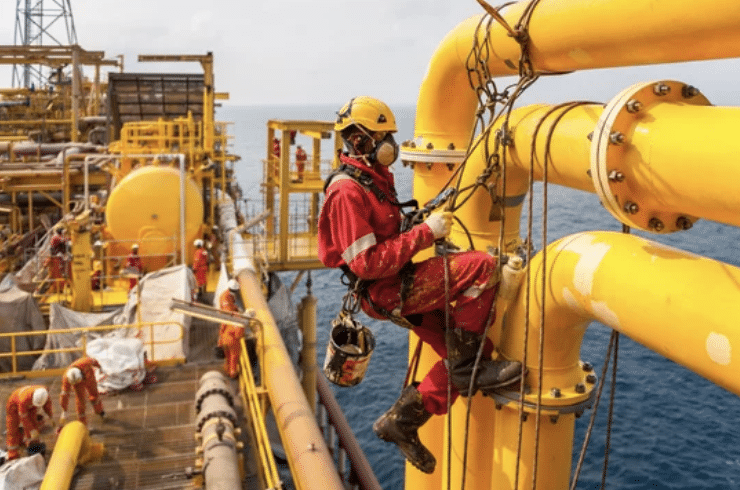
They are high-risk industrial sites exposed to:
- Weather and sea state
- Mechanical hazards
- Confined spaces
- Helicopter and vessel traffic
- Delayed emergency response
Everything offshore is amplified by isolation.
Safety Culture Offshore Is Non-Negotiable
Offshore operations enforce strict procedures for a reason.
Minor deviations on land become catastrophic offshore. Safety culture is not about restriction—it is about survival.
Instructor Perspective: Discipline Before Skill
Instructors consistently observe that offshore accidents are behavioural, not technical.
At N9BO℠, training emphasises:
- Procedural compliance
- Situational awareness
- Risk anticipation
- Stop-work authority
Empowered personnel prevent incidents before they escalate.
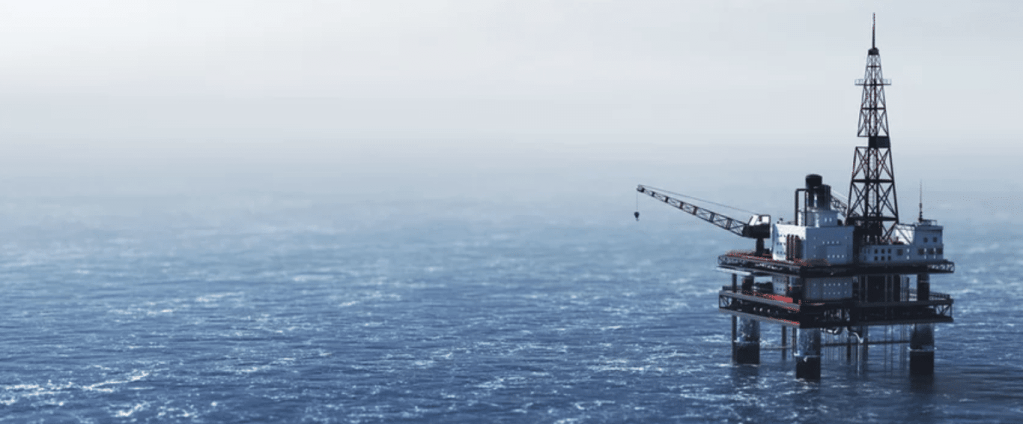
Working on Rigs: The Human Factor
Offshore personnel face:
- Fatigue from shift work
- Confined living conditions
- Psychological stress
- Extended rotations
Professional training addresses human performance—not just technical tasks.
Maritime Hazards Around Offshore Structures
Support vessels, supply boats, and dynamic positioning systems introduce additional risks.
Personnel must understand:
- Vessel movement
- Line-of-fire hazards
- Transfer protocols
- Man-overboard procedures
Marine awareness is essential.
Emergency Response Offshore
Evacuation options are limited.
Fire, medical emergencies, or structural incidents require immediate, disciplined response. Training prepares personnel to act decisively with limited resources.
Communication and Command
Clear communication and defined authority prevent confusion during incidents.
Offshore operations rely heavily on structured command systems similar to ICS to manage emergencies effectively.
Environmental Responsibility
Offshore operations coexist with sensitive marine environments.
Training reinforces pollution prevention, spill response awareness, and environmental stewardship as operational priorities.
Professional Parallels
Offshore work shares principles with aviation, nuclear, and chemical industries.
Predictability, redundancy, and procedural discipline are essential.
Why Specialised Training Matters
Offshore environments forgive nothing.
Professional training ensures personnel understand not just what to do—but why compliance matters when conditions deteriorate rapidly.
The Bottom Line
Offshore oil and gas work demands discipline, awareness, and respect for risk.
At N9BO℠, offshore-focused training prepares professionals to operate safely in one of the world’s most unforgiving industrial environments—where safety is not optional, and mistakes have no easy recovery.
Preparing Teams for Offshore Operations?
Offshore environments demand discipline, situational awareness, and strong safety culture. Contact us to discuss HEAT and offshore preparedness training programmes.
From the N9BO℠ Knowledge Base