Fire at Sea: No Room for Error
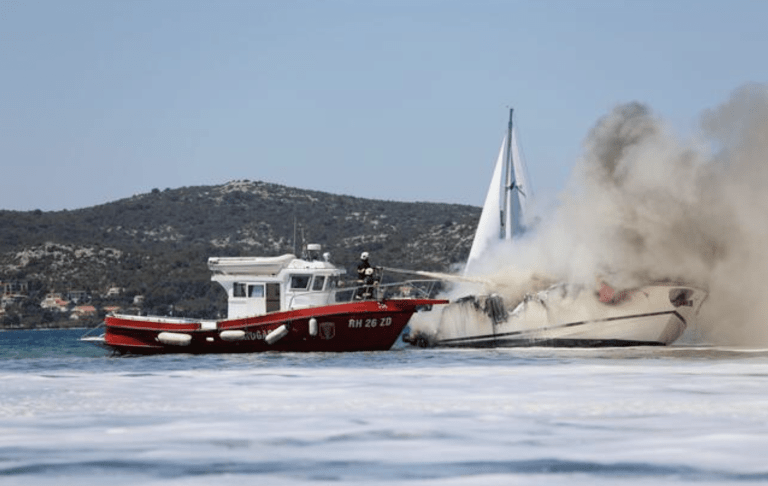
A fire onboard a vessel is fundamentally different from a fire on land. The environment itself imposes constraints that amplify risk. Space is limited, escape routes are predefined, and the surrounding water eliminates any possibility of external evacuation beyond what is already available onboard.
This means that when a fire starts, the vessel becomes both the hazard and the only refuge.
Unlike land-based incidents, where emergency services can intervene quickly, vessels must rely entirely on their crew for immediate response. There is no rapid reinforcement. There is no margin for hesitation. The situation must be managed internally, and it must be managed correctly from the very beginning.
The difference between containment and catastrophe often comes down to the first few minutes.
Detection: The Critical First Step
Every effective fire response begins with detection, and on a vessel, this stage is often underestimated. Fire rarely starts as a visible, uncontrollable event. It begins subtly, with early indicators that can easily be ignored or misinterpreted.
These indicators may include heat, unusual smells, electrical irregularities, or small amounts of smoke. In a busy operational environment, especially one involving engines, compressors, or fuel systems, these signs may not immediately trigger concern.
This is where training becomes essential.
Crew members must develop the ability to recognise abnormal conditions quickly and act without delay. Waiting for confirmation or assuming that a system will trigger an alarm can cost valuable time. Detection systems are important, but they do not replace human awareness.
A well-trained team treats any anomaly as a potential precursor to fire and responds accordingly.
Initial Response: Controlling the Situation Early
Once a fire is confirmed, the objective is to contain it before it spreads. This stage requires immediate action, but not uncontrolled reaction. Panic leads to disorganisation, and disorganisation allows the fire to gain momentum.
The initial response must follow structured procedures that have been trained and rehearsed. Each crew member should understand their role, whether it involves firefighting, communication, or preparing for evacuation.
At this stage, several priorities must be addressed simultaneously. The source of the fire must be identified, the appropriate firefighting method selected, and the spread of heat and smoke controlled as much as possible. At the same time, communication must remain clear and consistent.
A breakdown in communication during the early stages of a fire can be as dangerous as the fire itself.
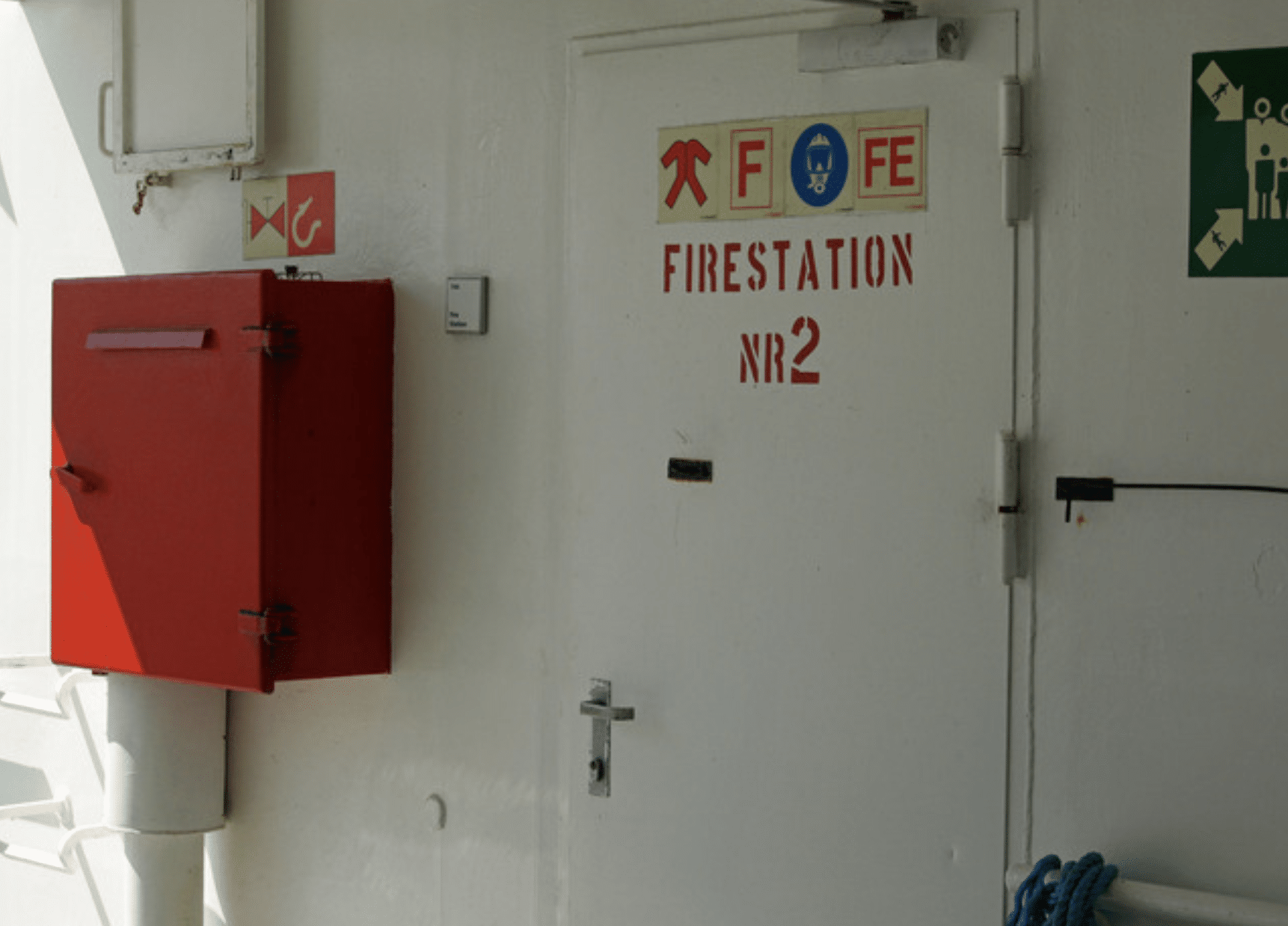
Containment: Preventing Escalation
Containment is not simply about extinguishing flames. It is about preventing the fire from spreading to other areas of the vessel. This includes managing ventilation, isolating compartments, and controlling fuel sources.
On vessels, fires can spread rapidly through interconnected systems, including electrical wiring, fuel lines, and structural components. If containment is not achieved quickly, the situation can escalate beyond the crew’s ability to control it.
Effective containment requires both technical knowledge and discipline. Crew members must understand how the vessel is structured and how fire behaves within that environment. They must also follow procedures precisely, even under stress.
Improvisation at this stage introduces risk. Structured action reduces it.
The Role of Equipment—and Its Limitations
Firefighting equipment onboard is essential, but it is only effective when used correctly. Fire extinguishers, suppression systems, and protective gear provide the tools needed to manage a fire, but they do not guarantee success.
The choice of equipment depends on the type of fire. Electrical fires, fuel fires, and confined space fires each require different approaches. Using the wrong method can worsen the situation, either by spreading the fire or creating additional hazards.
This is why equipment training is critical. Crew members must not only know where equipment is located, but also how and when to use it. In an emergency, there is no time to recall procedures or second-guess decisions.
At N9BO℠, training focuses on ensuring that equipment use becomes automatic, not theoretical. The objective is not familiarity, but competence under pressure.
Decision-Making Under Pressure
One of the most challenging aspects of fire response onboard a vessel is decision-making. The situation evolves rapidly, and information may be incomplete. Leaders must assess conditions, allocate resources, and determine whether containment is possible or evacuation is required.
These decisions must be made quickly, but not impulsively.
A structured approach to decision-making allows leaders to maintain control even when conditions are deteriorating. This includes evaluating the scale of the fire, the effectiveness of containment efforts, and the safety of personnel involved.
Delaying a decision can allow the fire to escalate. Making the wrong decision can place the crew at unnecessary risk. Training ensures that decisions are informed, not reactive.
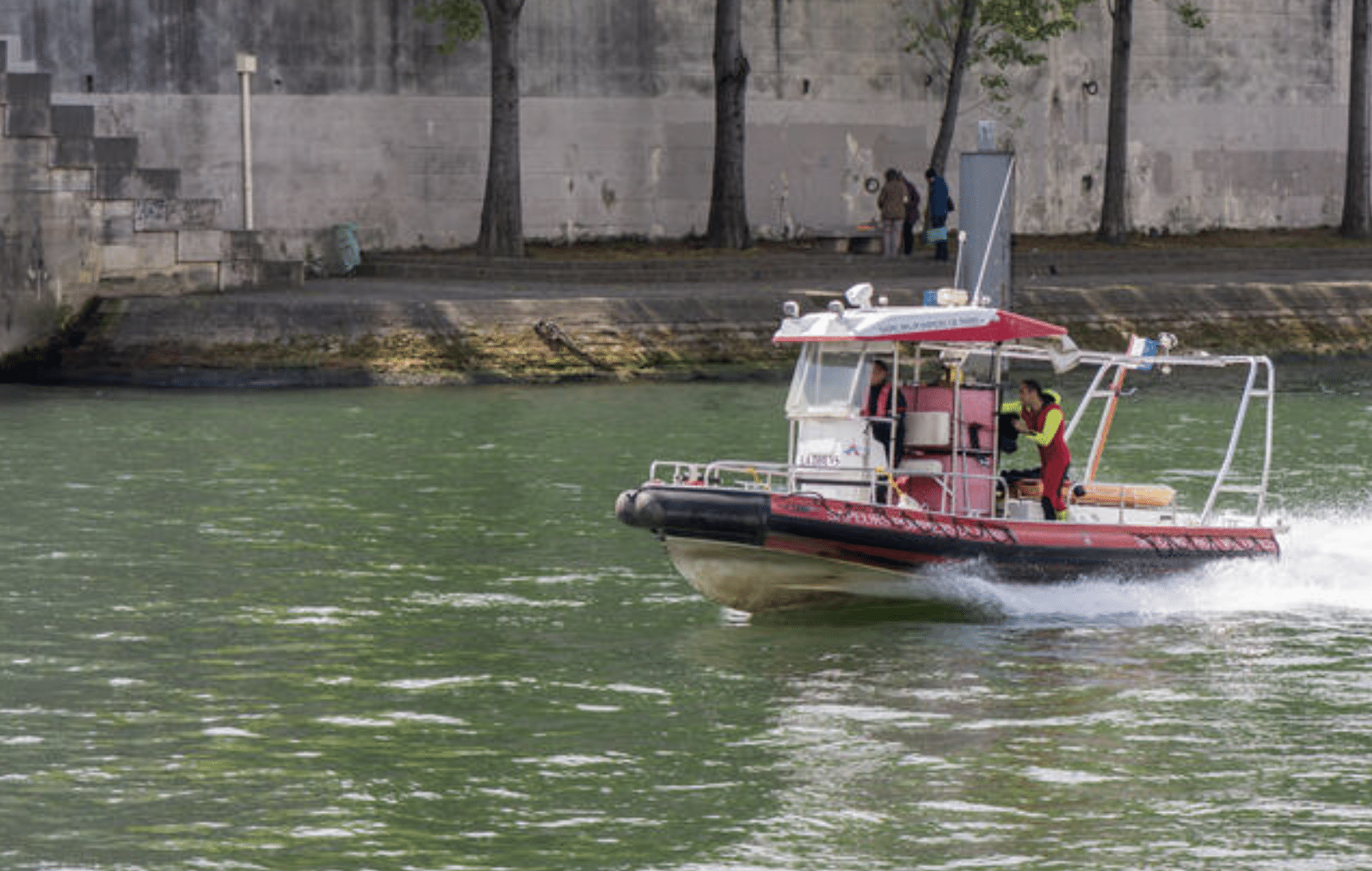
Evacuation: When Containment Is No Longer Possible
There are situations where containment cannot be achieved. In these cases, evacuation becomes the priority. This transition must be made decisively, without hesitation or confusion.
Evacuation procedures must be clearly defined and practiced regularly. Crew members must know their roles, routes, and muster points. Equipment such as life rafts and emergency communication systems must be ready for immediate use.
The challenge is that evacuation itself carries risk. Moving personnel in a fire environment, especially in reduced visibility and high heat, requires coordination and discipline. Without prior training, evacuation can become chaotic.
This is why evacuation planning is not a secondary consideration. It is an integral part of fire response strategy.
Training: Turning Procedures into Capability
Fire response cannot be learned through theory alone. It requires realistic training that replicates the conditions of an actual incident. This includes working in confined spaces, managing reduced visibility, and making decisions under pressure.
Training builds familiarity with both equipment and procedures. It reduces hesitation and increases confidence, but more importantly, it ensures consistency. In an emergency, consistency is what allows a team to operate effectively.
At N9BO℠, HEAT training integrates maritime fire scenarios because real-world environments do not provide ideal conditions. Teams must be prepared to act within systems, not rely on improvisation.
Final Perspective
Fire onboard a vessel is one of the most critical emergencies a crew can face. Its progression is rapid, its impact severe, and its management entirely dependent on the people present.
From detection to containment, every stage requires awareness, discipline, and coordination. Equipment alone is not enough. Procedures alone are not enough. Only when both are supported by training does capability emerge.
In maritime environments, preparation is not a precaution. It is a requirement.
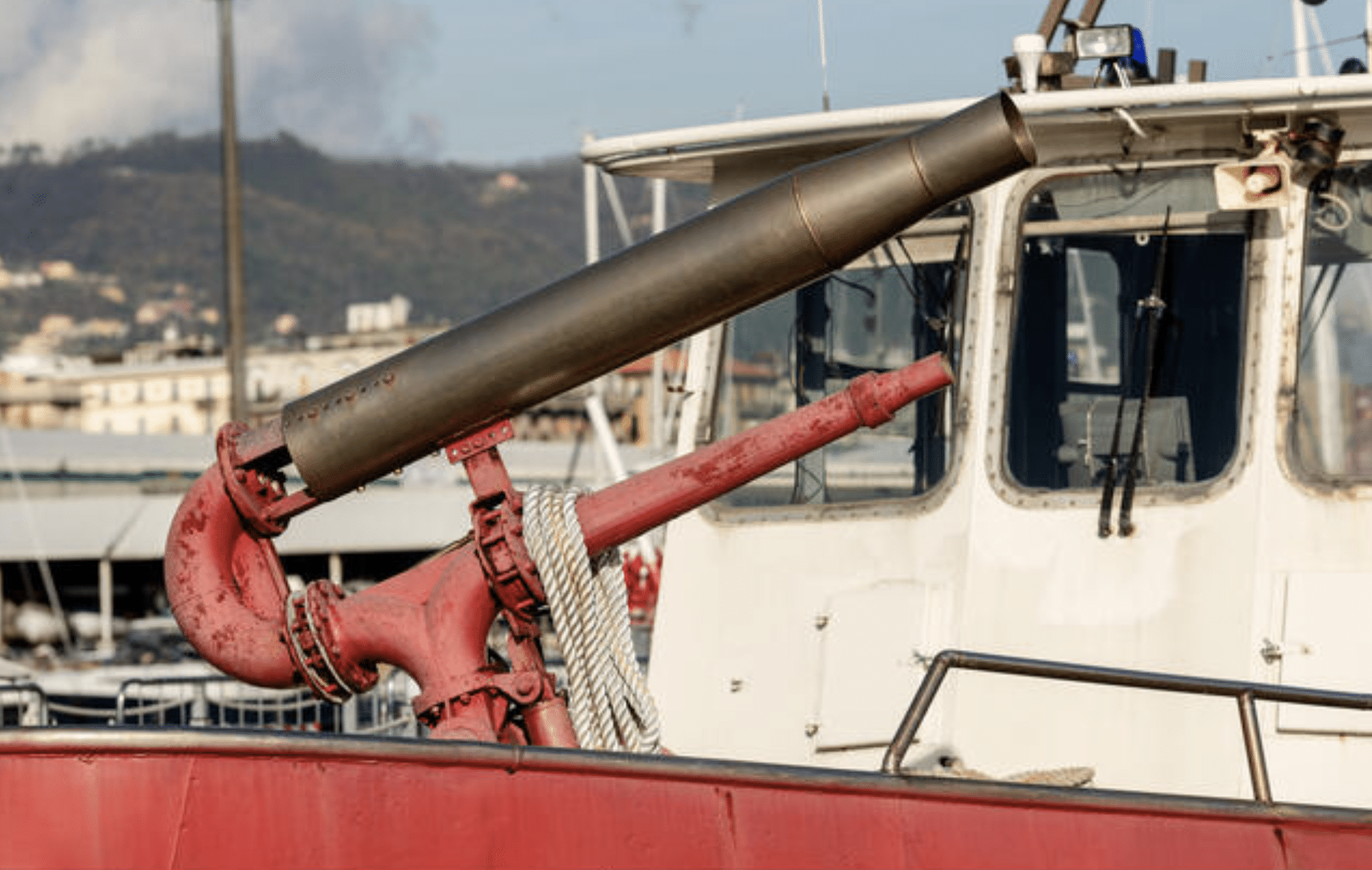
Prepare Your Team for Maritime Fire Emergencies
Contact N9BO℠ to integrate realistic fire response scenarios into your HEAT training and strengthen your vessel-based emergency preparedness.
From the N9BO℠ Knowledge Base