Corporate Security Is a Business Function, Not a Cost
Corporate security exists to enable operations, not restrict them.
When done properly, it supports:
- Business continuity
- Duty of care obligations
- Crisis resilience
- Reputation management
Security that disrupts operations has failed its purpose.
Beyond Guards and Cameras
Physical measures are only one component.
Corporate security includes:
- Risk assessment and threat analysis
- Travel and personal security
- Crisis management and incident response
- Information and operational security
- Coordination with safety and legal teams
It is a systems discipline, not a single solution.
Instructor Perspective: Security Without Context Fails
Instructors frequently encounter organisations that copy security measures without understanding their environment.
At N9BO℠, corporate security training starts with context—industry, geography, culture, and threat profile—before controls are designed.
Protecting People Comes First
People are the most valuable and most vulnerable asset.
Corporate security prioritises:
- Staff safety during travel
- Workplace security
- Emergency preparedness
- Psychological resilience
Assets can be replaced. People cannot.
Corporate Security and Crisis Management
Security failures often escalate into crises.
Professional security planning integrates:
- Early detection
- Clear escalation paths
- Decision authority
- Media and reputational considerations
Prepared organisations respond calmly under pressure.
Legal and Ethical Responsibilities
Corporate security operates within strict legal frameworks.
Training ensures:
- Proportionality
- Respect for rights
- Compliance with local laws
Poorly designed security creates liability instead of protection.
Insider Risk and Human Factors
Not all threats come from outside.
Corporate security addresses:
- Insider threats
- Negligence and complacency
- Information leakage
Human behaviour remains the most complex variable.

Security and Safety Must Align
Corporate security cannot operate in isolation.
Integration with:
- Health and safety
- Emergency response
- Leadership structures
Prevents conflicting priorities during incidents.
Corporate Security in High-Risk Industries
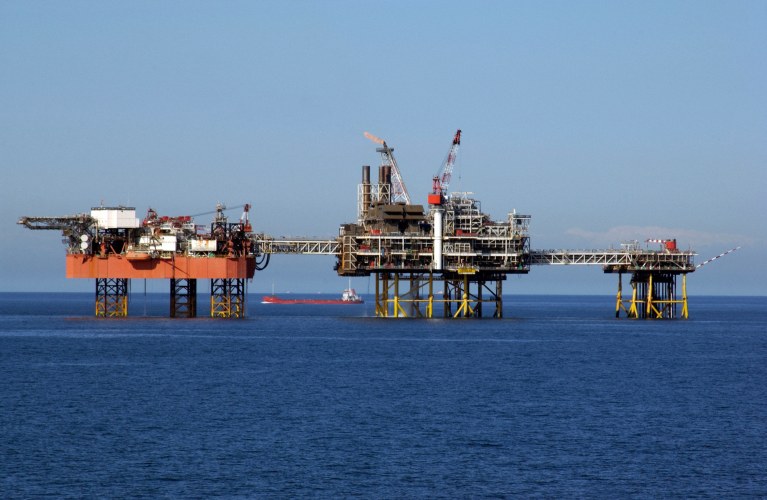
Energy, offshore, logistics, and remote operations face elevated risk.
Professional security training ensures continuity where disruption is costly or dangerous.
Professional Parallels
Diplomatic missions, multinational corporations, and critical infrastructure operators all rely on integrated corporate security models.
The Bottom Line
Corporate security protects far more than buildings.
It protects people, decision-making, and organisational resilience. At N9BO℠, corporate security training equips organisations to anticipate risk, respond effectively, and continue operating when conditions deteriorate.
Building or Reviewing Corporate Security Frameworks?
Corporate security protects people, operations, and organisational resilience. Contact us to discuss tailored corporate security and risk management training.
From the N9BO℠ Knowledge Base