Before Diving Existed, Someone Imagined It
In the 15th century, diving as we know it did not exist.
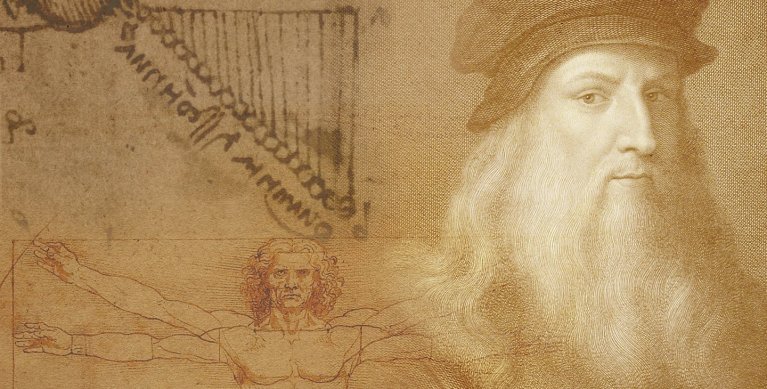
Yet Leonardo da Vinci sketched devices intended to allow humans to breathe, work, and survive underwater. These designs were not fantasies—they were engineering concepts grounded in observation and logic.
Leonardo’s Underwater Designs
Leonardo’s notebooks include:
- Breathing tubes connected to the surface
- Leather masks and air reservoirs
- Buoyancy concepts
- Fin-like propulsion ideas
While impractical with the materials of the time, the principles were sound.
Why Leonardo’s Thinking Matters
Leonardo approached underwater exploration as a systems problem.
He considered:
- Human anatomy and respiration
- Water pressure and resistance
- Movement efficiency
- Task execution underwater
This holistic thinking mirrors modern diving system design.

Instructor Perspective: Systems Thinking Before Technology
Instructors often see divers focus on equipment before understanding function.
At N9BO℠, Leonardo’s approach is used as a teaching analogy: tools matter, but understanding systems matters more.
Secrecy and Ethics
Leonardo famously wrote that he withheld some underwater designs due to their potential use in warfare.
This highlights an early awareness of ethical responsibility—something still relevant in professional and military diving today.
The Limits of His Era
Leonardo lacked:
- Compressed gas technology
- Materials capable of pressure tolerance
- Understanding of gas physiology
His failure was technological—not conceptual.

The Leap From Concept to Reality
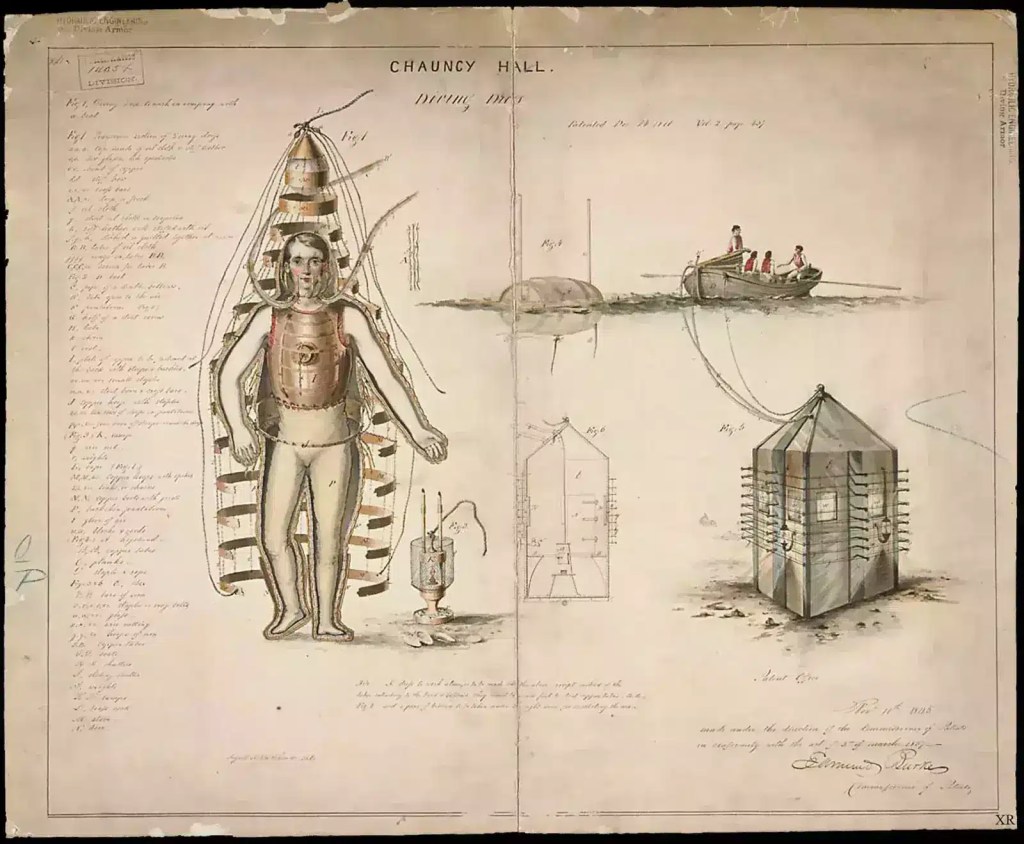
It would take nearly 400 years before Cousteau and Gagnan transformed underwater breathing from concept to reality.
Leonardo planted the intellectual seed.
Parallels With Modern Technical Diving
Modern divers still rely on:
- System integration
- Redundancy
- Understanding failure modes
Leonardo’s mindset aligns perfectly with technical and expedition diving philosophy.
Creativity as a Safety Tool
Leonardo’s work reminds us that innovation and safety are linked.
New environments require new thinking—not blind repetition.
Why History Matters in Diving Education
Understanding diving’s intellectual origins builds respect for the discipline.
Professional divers are part of a long lineage of problem-solvers—not thrill-seekers.
The Bottom Line
Leonardo da Vinci never dove—but he thought like a diver.
His ability to combine anatomy, physics, and engineering laid the conceptual groundwork for underwater exploration. At N9BO℠, this systems-based thinking continues to shape how divers are trained to operate safely and intelligently below the surface.
Interested in the Evolution of Diving Technology?
Understanding where diving comes from helps divers appreciate modern safety and equipment design. Contact us to explore training programmes grounded in both history and modern practice.
From the N9BO℠ Knowledge Base