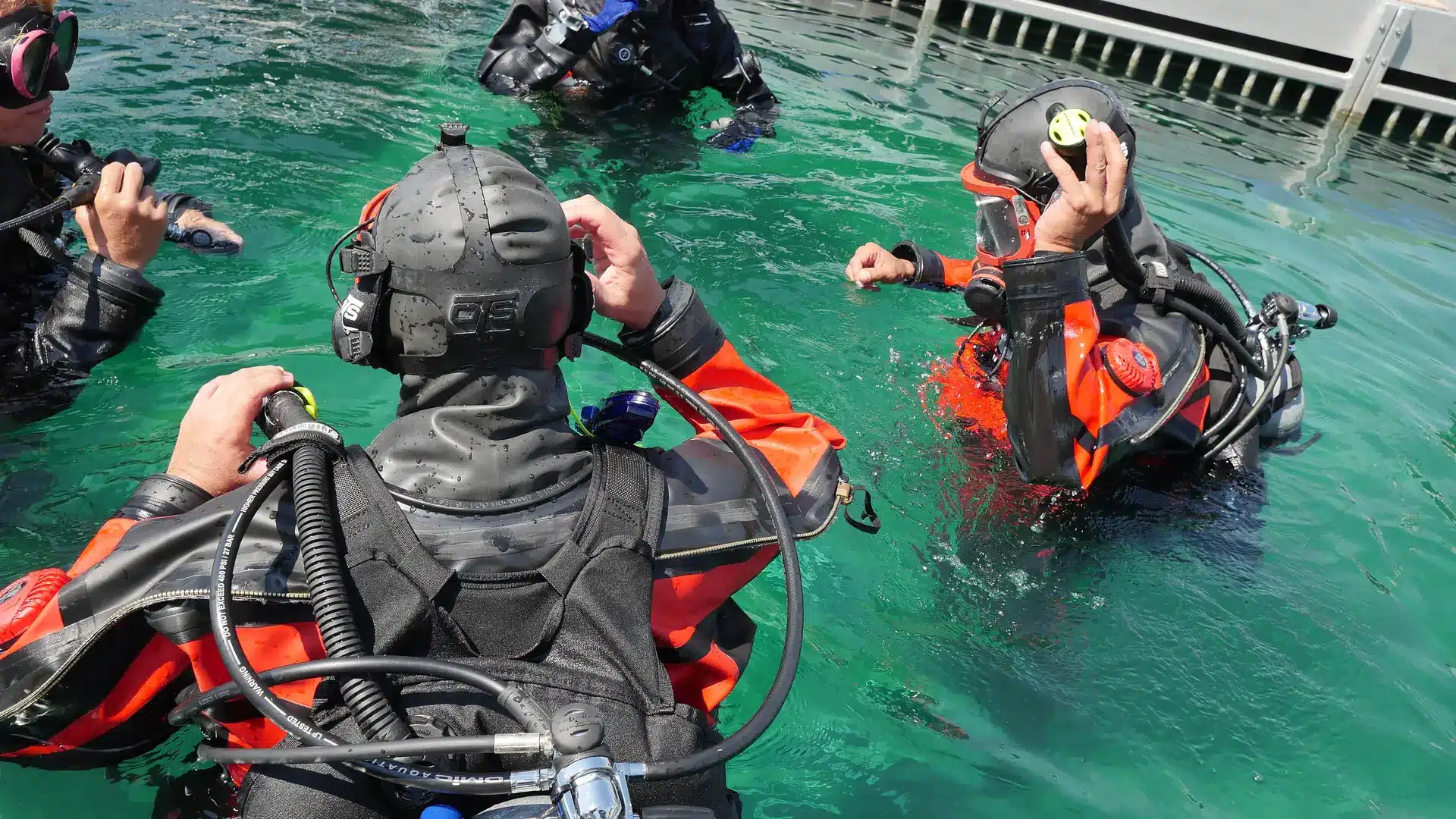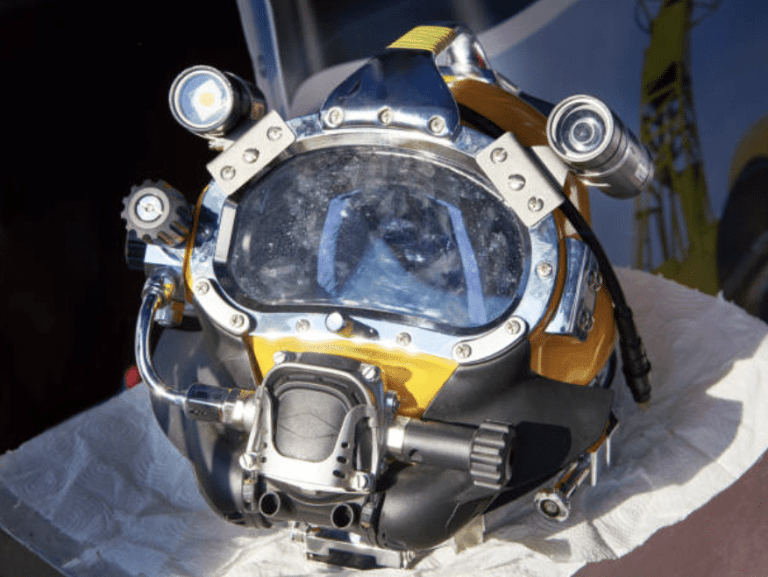
Myth 1: Technical Diving Is Just “Deeper Diving”
One of the most common misconceptions is that technical diving is simply recreational diving taken to greater depths.
This is incorrect.
Technical diving is defined not by depth, but by:
- Limited or no direct ascent
- Decompression obligations
- Increased complexity
- Structured procedures
A shallow decompression dive can be technical.
A deep no-decompression dive can still be recreational.
The distinction lies in:
- Risk exposure
- Planning requirements
- Operational discipline
Depth is only one variable.
Myth 2: More Equipment Means More Safety
Technical and public safety divers often carry more equipment, which leads to the assumption that redundancy automatically increases safety.
In reality, more equipment increases:
Complexity.
Each additional component introduces:
- Failure points
- Task loading
- Management requirements
Safety comes from:
- Understanding the system
- Managing redundancy correctly
- Maintaining discipline
Poorly managed equipment makes a diver less safe, not more.
Myth 3: Experience Alone Makes You Competent
Time in the water is often mistaken for competence.
A diver with hundreds of dives may feel confident.
But experience without structure can reinforce:
- Bad habits
- Inconsistent procedures
- Poor decision-making
Competence is built through:
- Training
- Feedback
- Correction
- Repetition under controlled conditions
Experience supports competence.
It does not replace it.
Myth 4: Public Safety Diving Is Just “Rescue Diving”
Public safety diving is frequently misunderstood as an extension of recreational rescue training.
It is not.
Public safety operations involve:
- Zero visibility
- Contaminated water
- Complex search patterns
- Evidence preservation
- Multi-agency coordination
The objective is not exploration.
It is:
- Recovery
- Investigation
- Risk-managed intervention
The environment and mission fundamentally change the approach.
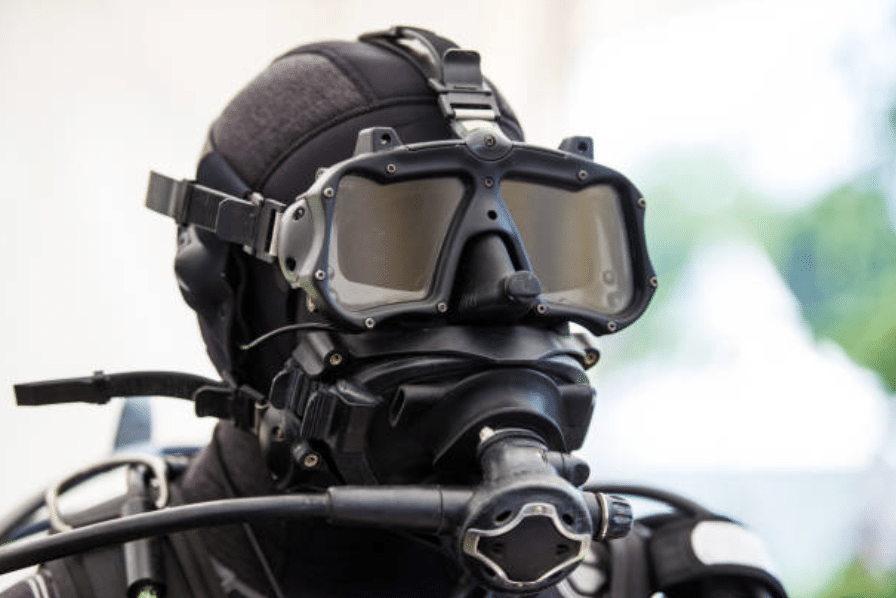
Myth 5: Strong Divers Can “Handle It” Without Structure
There is a belief that skilled or confident divers can adapt to complex situations without strict procedures.
This is one of the most dangerous misconceptions.
Under stress:
- Cognitive capacity decreases
- Reaction time slows
- Errors increase
Structure exists to:
- Reduce variability
- Standardise response
- Improve predictability
Technical and public safety diving rely on procedures because:
Human performance is not consistent under pressure.
Myth 6: Training Is Only for Certification
Many divers view training as a requirement to obtain certification.
Once certified, they assume they are ready.
In reality, training is:
Ongoing.
Certification confirms that a standard was met at a specific moment.
It does not guarantee:
- Long-term competence
- Adaptability
- Performance under stress
Professional divers treat training as continuous.
Myth 7: Problems Are Obvious When They Occur
In recreational diving, many problems are immediately noticeable.
In technical and public safety diving, this is not always the case.
Failures can be:
- Gradual
- Silent
- Misleading
Gas issues, equipment malfunctions, or physiological stress may not be immediately apparent.
This is why monitoring, awareness, and discipline are critical.
Divers must detect problems before they become emergencies.
Myth 8: Confidence Equals Readiness
Confidence is often mistaken for readiness.
A diver who feels prepared may not actually be capable of managing the environment they are entering.
Confidence without competence creates:
Risk.
Professional divers rely on:
- Objective assessment
- Measured progression
- Verified performance
They do not rely on feeling ready.
Myth 9: Training Conditions Reflect Real Conditions
Courses are conducted in controlled environments.
Visibility, conditions, and scenarios are managed.
Real-world environments are not.
Public safety divers may operate in:
- Black water
- Strong current
- Confined spaces
- Contaminated environments
Technical divers may encounter:
- Equipment failures
- Complex decompression profiles
- Limited exit options
Training prepares for these conditions.
But it cannot replicate them fully.
This is why discipline must extend beyond the course.
Myth 10: “It Won’t Happen to Me”
Perhaps the most dangerous misconception is the belief that incidents happen to others.
This mindset leads to:
- Complacency
- Reduced vigilance
- Deviation from procedure
Technical and public safety diving assume the opposite:
Failure is possible.
Preparation is mandatory.
Reality: Structure, Not Bravery
Both technical and public safety diving are often perceived as extreme.
In reality, they are:
Structured.
They rely on:
- Planning
- Procedures
- Team coordination
- Risk management
Success is not based on bravery.
It is based on:
Discipline.
Operational Philosophy at N9BO℠
At N9BO℠, training focuses on removing misconceptions.
We emphasise:
- Standardisation
- Controlled progression
- Realistic expectations
- Performance under stress
Because misunderstanding the nature of diving is one of the fastest ways to create risk.
Clarity creates safety.
Final Perspective
Misconceptions in diving are not harmless.
They influence decisions, behaviour, and risk tolerance.
Correcting them is not about theory.
It is about:
Operational safety.
Technical and public safety diving are not defined by extremes.
They are defined by:
Structure, discipline, and controlled execution.
Understanding this difference is what separates assumption from professionalism.
Want to Build Real Diving Competence, Not Assumptions?
Contact N9BO℠ to train beyond misconceptions and develop structured, disciplined diving skills for technical and public safety environments.
From the N9BO℠ Knowledge Base