Decompression Is Not Deterministic
Decompression models are mathematical approximations of complex human physiology. They estimate risk; they do not eliminate it.
Two divers following the same profile may experience very different outcomes. Professional technical diving training emphasises understanding this uncertainty rather than ignoring it.
The Myth of the “Safe Profile”
Divers often speak of “safe” decompression profiles as if safety were absolute.
In reality, decompression is about risk reduction, not guarantees. Advanced technical diving progression trains divers to think in margins, not absolutes.
Human Factors Matter
Physiology varies daily based on:
- Hydration
- Fatigue
- Thermal stress
- Workload
- Illness
No algorithm accounts perfectly for these variables. Technical diving training teaches divers to adjust conservatively when conditions change.
Computers Are Tools, Not Authorities
Dive computers provide guidance—but they do not understand context.
They cannot assess stress, exertion, or decision quality. Advanced technical diving progression reinforces that divers remain responsible for interpreting data.
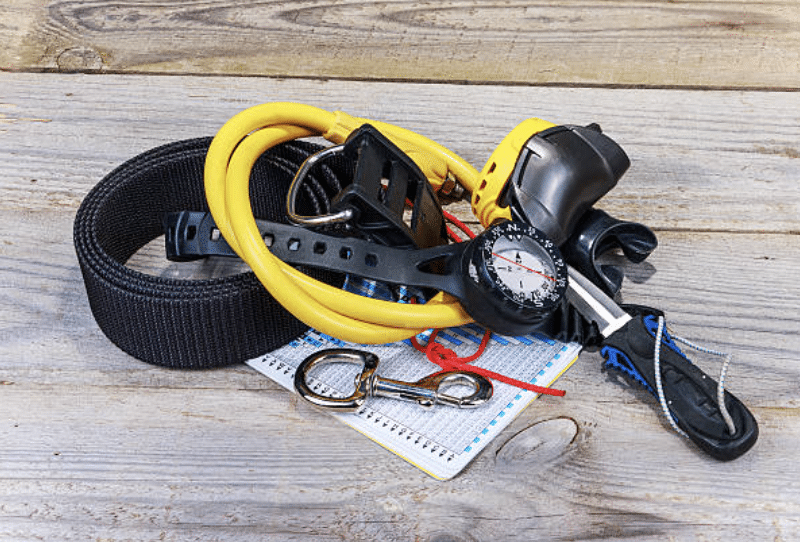
Instructor Perspective: Teaching Decompression Discipline
Instructors often observe students treating stop times as minimum obligations rather than opportunities to stabilise.
At N9BO℠, decompression is taught as an active phase of the dive—not passive waiting.
Workload During Decompression
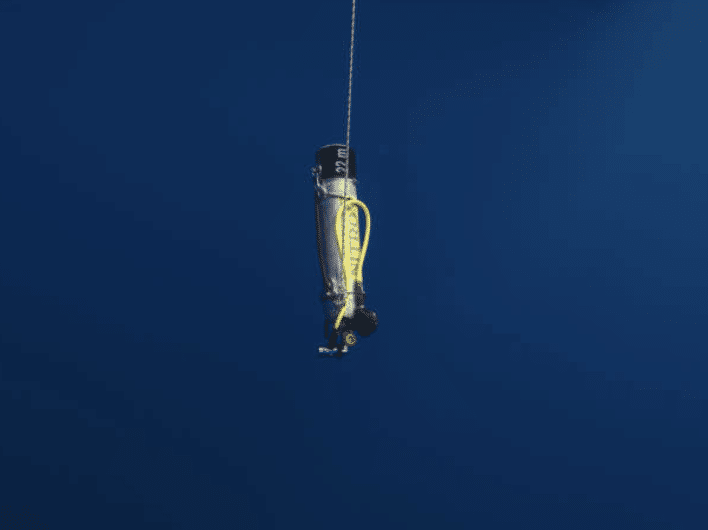
Movement, task execution, and stress during stops influence decompression stress.
Professional training emphasises calm, controlled behaviour during ascent. Technical diving training treats decompression as performance, not downtime.
Contingency Planning Is Essential
Plans must account for lost gas, delays, and deviations.
Decompression without contingencies is optimism, not planning. Advanced technical diving progression enforces robust backup strategies.
Why “I’ve Done It Before” Is Dangerous
Past success does not guarantee future safety.
Decompression stress accumulates subtly over time. Professional training discourages complacency through conservative repetition.
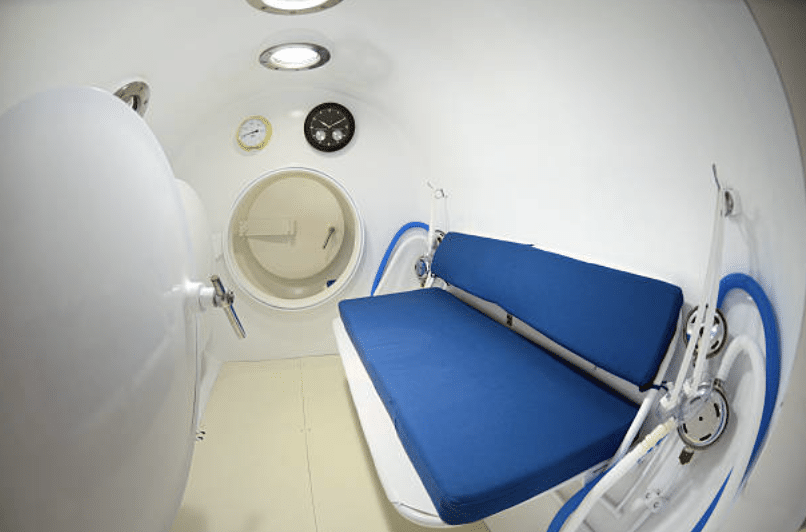
Team Decompression Discipline
Teams must maintain discipline together—depth control, spacing, and timing.
One diver’s instability affects all. Technical diving training integrates team decompression protocols.
Professional Parallels
In aerospace and medicine, models guide decisions—but professionals remain cautious.
Technical diving follows the same principle. Models inform judgement; they do not replace it.
The Bottom Line
Decompression is not a promise.
It is a managed risk.
Professional divers respect uncertainty, build margins, and adjust conservatively. Training teaches divers to work with decompression systems—not surrender to them.
At N9BO℠, decompression is treated with the seriousness it deserves.

Planning Decompression Diving?
Understanding decompression as a risk-management system is essential before progressing deeper or longer. Contact us to discuss appropriate technical training progression.
From the N9BO℠ Knowledge Base