Purpose of the Tec Gas Blender Course
The Tec Gas Blender course is designed to qualify individuals to blend enriched air nitrox using structured and controlled methods. It is not a diving course, but an operational programme focused on gas production, handling, and verification.
As technical diving increases in complexity, the need for accurate and reliable gas becomes critical. Divers depend on precise gas composition for depth limits, decompression planning, and overall safety.
This course ensures that the individual producing the gas understands both the process and the consequences of error. The objective is not simply to create a mix, but to produce it consistently and within defined tolerances.
At N9BO℠, we treat gas blending as the first control point of any technical dive.
From Gas Consumer to Gas Controller
Most divers rely on external sources for their gas. This course changes that dynamic by placing responsibility on the individual to control gas composition directly.
This introduces a higher level of accountability. The blender must understand how gases behave under pressure, how mixtures are calculated, and how small inaccuracies can affect the entire dive plan.
Blending is a controlled process, not an estimate. The final product must match the intended mix precisely, as even minor deviations can alter maximum operating depth and decompression efficiency.
This shift in responsibility changes how divers approach their preparation. Gas is no longer assumed to be correct—it must be verified and controlled.
At N9BO℠, we emphasise that controlling gas is a direct extension of controlling the dive.
Oxygen Handling and Risk Management
A significant portion of the course is dedicated to oxygen handling. Oxygen presents unique hazards, particularly at high concentrations and pressures, where the risk of fire or explosion increases.
Students learn how to manage these risks through proper procedures, including oxygen cleaning, compatible materials, and controlled handling techniques.
This requires strict discipline. Equipment must be maintained to specific standards, and procedures must be followed without deviation.
Oxygen is safe when handled correctly, but unforgiving when it is not. The blender must understand both its benefits and its hazards.
At N9BO℠, we treat oxygen handling as a critical safety discipline within diving operations.
Blending Methods and Practical Execution
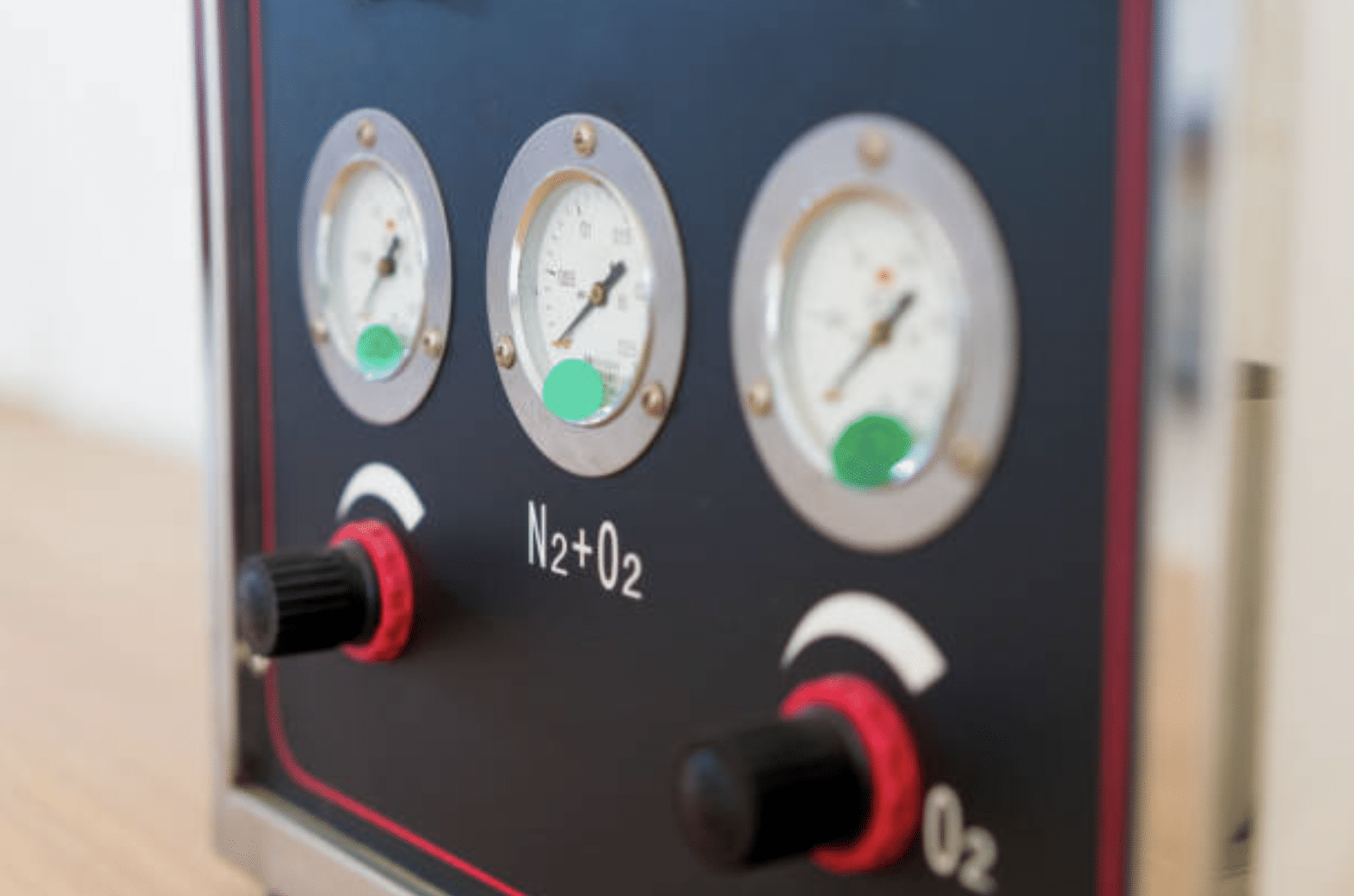
The course introduces standard gas blending methods, including partial pressure blending and continuous flow techniques. Each method has specific applications, advantages, and limitations.
Practical training forms the core of the programme. Participants are required to produce gas mixes within tight tolerances, reinforcing the need for precision and repeatability.
Blending is not a theoretical exercise. It is a hands-on process where the outcome must match the plan exactly.
This requires attention to detail, structured procedures, and continuous verification throughout the process.
At N9BO℠, we emphasise that consistency in blending is as important as accuracy.
Gas Analysis and Verification
Producing a gas mixture is only part of the process. Every cylinder must be analysed to confirm that it matches the intended composition.
This requires proper use of oxygen analysers, including calibration and correct measurement techniques. The blender must ensure that readings are accurate and repeatable.
Verification removes assumption. It ensures that the diver knows exactly what gas is being used, rather than relying on estimation or trust.
Documentation is also part of this process. Recording gas composition provides traceability and accountability within the operation.
At N9BO℠, we treat gas analysis as the final control step before the dive begins.

Equipment Systems and Operational Procedures
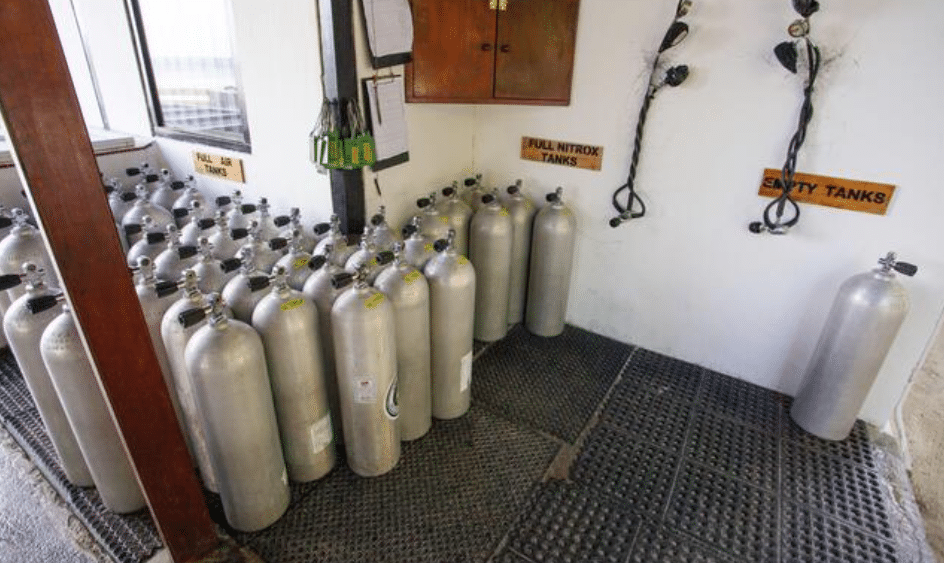
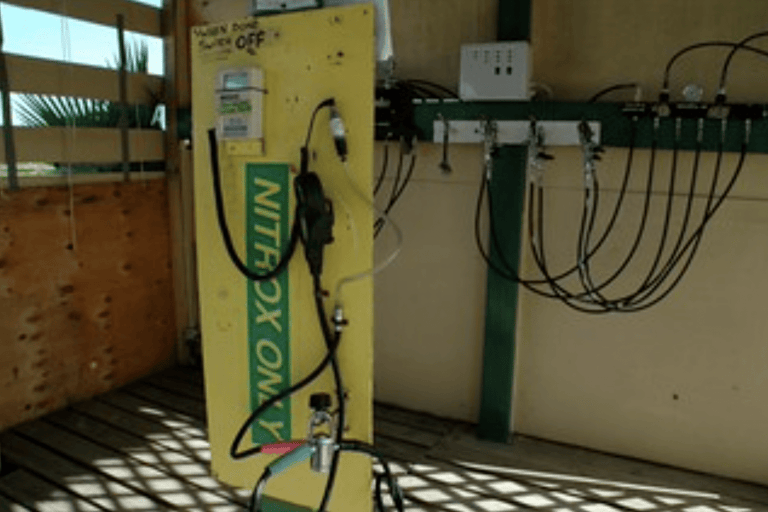
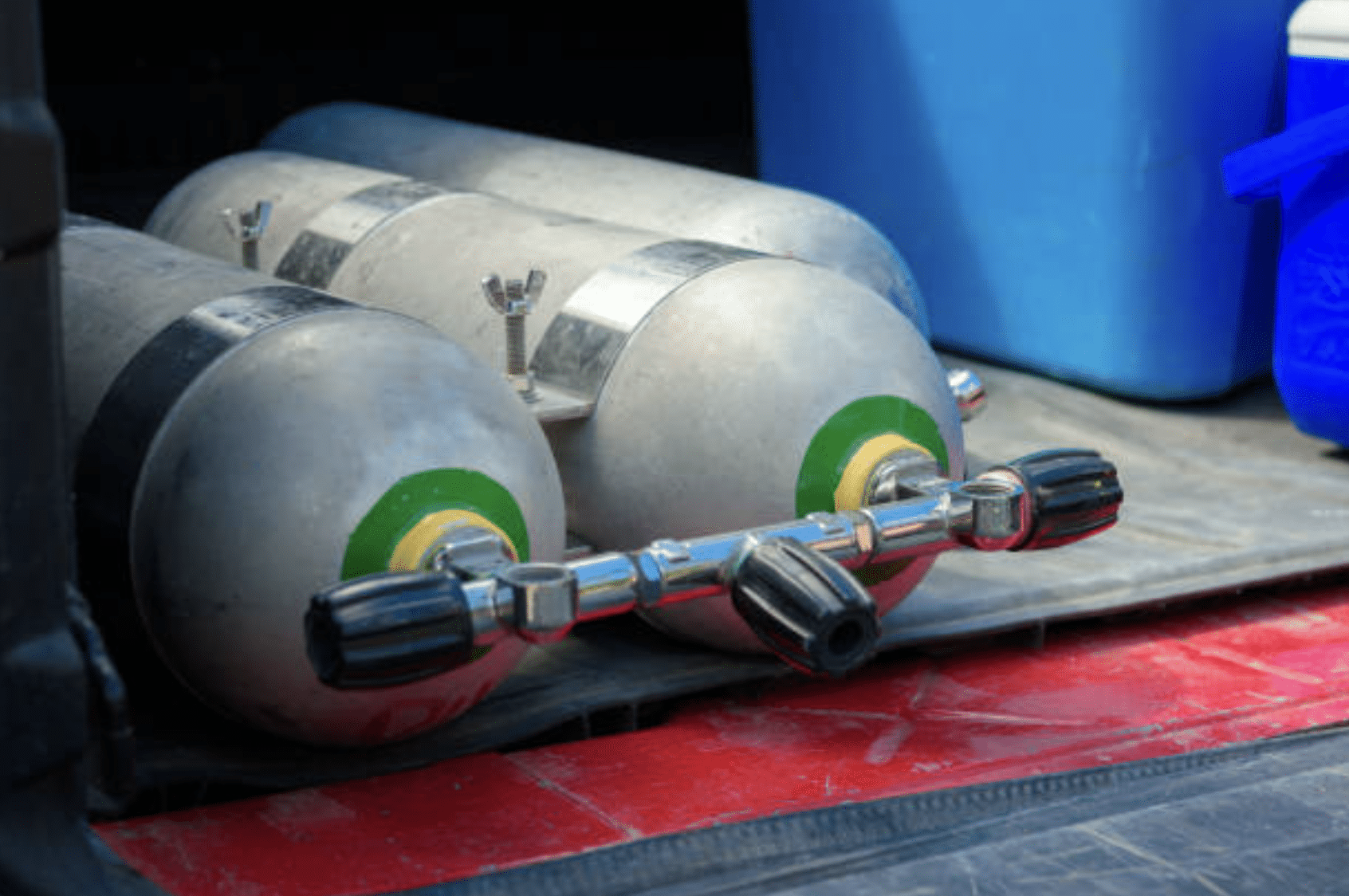
Gas blending is supported by a system that includes compressors, filtration units, cylinders, and fill panels. Each component plays a role in determining the quality of the final gas.
The blender must understand how these systems interact. Air quality, filtration performance, and equipment maintenance all affect the safety of the gas produced.
Blending must follow a structured sequence. Preparation, filling, analysis, and documentation are all required steps that must be executed consistently.
Skipping or modifying procedures introduces risk and reduces reliability.
At N9BO℠, we treat gas production as a system where every step contributes to the final outcome.
Operational Relevance in Dive Centres and Field Environments
The Tec Gas Blender course has direct operational relevance in dive centres, liveaboards, and remote environments. In these settings, gas must often be produced on-site, sometimes under time pressure or logistical constraints.
The ability to blend gas correctly ensures operational continuity. It allows diving activities to proceed without reliance on external supply chains.
In remote or expedition environments, this capability becomes essential. The team must be self-sufficient, and gas production becomes a critical function.
At N9BO℠, we integrate gas blending into operational readiness, particularly for field and project-based diving.
Position Within the Technical Pathway
The Tec Gas Blender course supports all levels of technical diving by ensuring that gas quality meets operational requirements. It is not a progression course, but a parallel capability that enhances independence and control.
It can lead to certifications in both enriched air and trimix blending, depending on the level of training completed.
For technical divers, this knowledge provides a deeper understanding of how gas affects planning and execution. For professionals, it provides the ability to support and manage diving operations.
At N9BO℠, we recommend gas blending as an essential skill for those seeking full operational control.
Operational Mindset
The Tec Gas Blender course reinforces that technical diving begins before entering the water. Gas composition defines the parameters of the dive and influences every subsequent decision.
Blending requires precision, discipline, and accountability. Every step must be controlled, and every result must be verified.
At N9BO℠, we approach gas blending as a critical control point in diving operations. It ensures that the dive begins with accurate and reliable conditions.
In technical diving, control does not start at depth. It starts at the fill station.
Control Your Gas, Control Your Dive
Contact N9BO℠ to integrate PADI Tec Gas Blender training into your operational capability, ensuring accuracy, safety, and full control over your diving gases.
From the N9BO℠ Knowledge Base