Divers as Operational Assets in Conservation
Marine conservation relies on accurate data, controlled intervention, and continuous monitoring. Many of these tasks cannot be performed effectively without direct human presence underwater. Divers provide this capability.
Unlike remote sensing or surface observation, divers can operate within complex environments, assess conditions in detail, and respond to specific requirements. This positions them as operational assets rather than passive observers.
At N9BO℠, we treat divers involved in conservation as part of a structured operational system, where accuracy, discipline, and consistency are essential.
Data Collection and Environmental Monitoring
One of the primary roles of divers in conservation is data collection. Reliable data is essential for understanding ecosystem health, tracking changes, and informing management decisions.
Divers contribute by:
- Conducting reef health surveys
- Monitoring species populations and behaviour
- Recording environmental conditions such as visibility, temperature, and substrate changes
This work requires standardisation. Data must be collected using consistent methods to ensure accuracy and comparability over time.
Unstructured observation has limited value. Structured monitoring, aligned with scientific protocols, provides actionable information.
At N9BO℠, we emphasise that conservation diving is not observational—it is procedural.
Intervention and Direct Action
In addition to monitoring, divers are often involved in direct intervention. This includes activities aimed at restoring or protecting marine environments.
Typical intervention roles include:
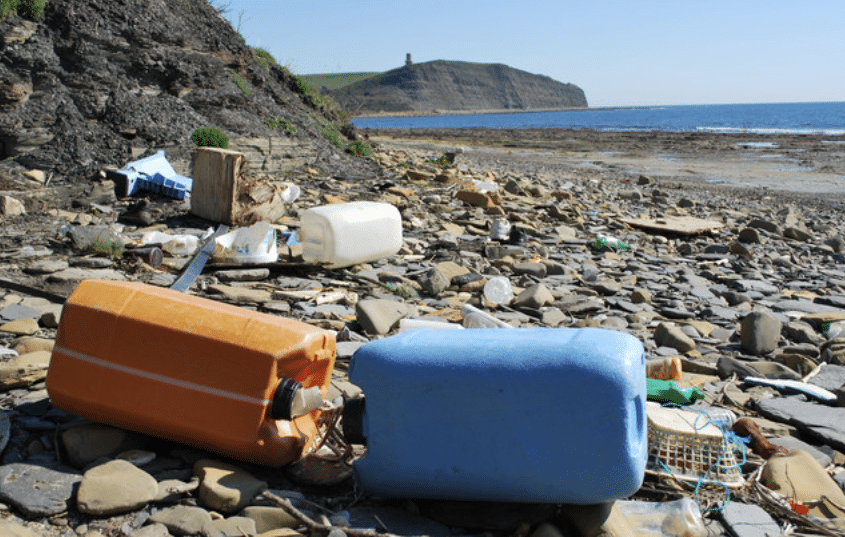
- Removing marine debris or ghost nets
- Supporting coral restoration efforts
- Assisting in the installation or maintenance of artificial structures
- Managing invasive species in controlled programmes
These activities require precision. Improper handling can cause additional damage, particularly in fragile environments.
Divers must operate within defined procedures, ensuring that intervention reduces impact rather than increasing it.
At N9BO℠, intervention is treated as controlled activity, not generalised action.

Supporting Scientific Research
Divers play a key role in supporting scientific research by providing access to study sites and assisting with data collection and equipment deployment.
This may involve:
- Installing or retrieving monitoring equipment
- Assisting with sample collection
- Supporting underwater mapping and documentation
Accuracy and consistency are critical. Errors in data collection or equipment placement compromise research outcomes.
Divers must understand the objectives of the project and the importance of adhering to protocols. This requires training beyond standard recreational or professional diving.
At N9BO℠, we emphasise alignment between diver capability and research requirements.
Operational Discipline and Environmental Control
Conservation diving introduces additional operational constraints. Divers must maintain strict control to avoid causing unintended impact while performing tasks.
Key requirements include:
- Maintaining precise buoyancy and positioning
- Minimising contact with marine life and substrate
- Controlling equipment to prevent damage
- Managing task load without compromising awareness
These requirements are more stringent than standard diving operations. Task focus must not reduce environmental awareness.
At N9BO℠, we integrate environmental control into operational discipline, ensuring that conservation activities do not introduce additional risk to the ecosystem.
Training and Competency Requirements
Not all divers are suited for conservation work. Specific competencies are required to operate effectively in these environments.
These include:
- Advanced buoyancy and trim control
- Ability to perform tasks without loss of awareness
- Understanding of basic ecological principles
- Familiarity with data collection protocols
Without these competencies, divers may compromise both the environment and the project objectives.
Training must be aligned with operational requirements, ensuring that divers are prepared for the specific tasks they will perform.
At N9BO℠, we ensure that conservation diving is supported by structured training, not informal participation.
Balancing Task Load and Awareness
Conservation tasks often increase workload. Divers may be required to handle equipment, collect data, or perform interventions while maintaining control of their position and environment.
This creates a balance challenge. Increased task load can reduce situational awareness, increasing the risk of contact or error.
Effective management includes:
- Breaking tasks into manageable steps
- Maintaining clear priorities
- Using team coordination to distribute workload
Awareness must remain constant, regardless of task complexity.
At N9BO℠, we train divers to manage task load without compromising environmental or operational control.
Consistency and Long-Term Impact
Conservation outcomes are determined over time. Individual dives contribute to a larger dataset or intervention effort. Inconsistency reduces the value of this work.
Consistency is required in:
- Data collection methods
- Diver behaviour and positioning
- Application of procedures
This ensures that results are reliable and that environmental impact is minimised.
At N9BO℠, we emphasise that conservation is a long-term process. Individual actions must align with broader objectives.
From Participation to Responsibility
There is a distinction between participating in conservation and contributing to it effectively. Participation without structure may create activity, but not meaningful impact.
Effective contribution requires:
- Understanding objectives
- Following defined procedures
- Maintaining operational discipline
Divers must recognise that their actions influence both immediate outcomes and long-term data integrity.
At N9BO℠, we reinforce that conservation diving is a responsibility, not an activity.
Operational Mindset
Divers are uniquely positioned to support marine conservation, but this role requires more than access to the environment. It requires discipline, training, and alignment with structured objectives.
Observation, data collection, and intervention must be performed with precision. Without this, conservation efforts are compromised.
At N9BO℠, we approach conservation diving as an operational function. It is integrated into broader environmental management efforts, ensuring that diver involvement produces measurable, positive outcomes.
In marine conservation, access alone is not enough. Effectiveness depends on how that access is used.

Turn Diving into Measurable Impact
Contact N9BO℠ to integrate structured conservation practices into your dive operations and training, ensuring your teams contribute effectively to marine protection efforts.
From the N9BO℠ Knowledge Base