From Knowledge to Application
HEAT training is often understood as a combination of theory and practical exercises. However, the value of training is not in knowledge acquisition alone—it is in behavioural change. Personnel may understand procedures, risk concepts, and protocols in a classroom environment, but without application, this knowledge does not reliably transfer to operational settings.
Scenario-based training exists to close this gap. It creates controlled environments where individuals must apply knowledge under conditions that simulate real-world stress, uncertainty, and time pressure. This transition—from knowing to doing—is where most failures occur.
At N9BO℠, we design HEAT scenarios to force decision-making, not recall. The objective is not to test memory, but to validate behaviour under realistic conditions.
Why Scenarios Matter in HEAT Training
In operational environments, incidents do not present as structured problems. They develop rapidly, often with incomplete information and competing priorities. Personnel are required to interpret, decide, and act simultaneously.
Scenario-based training replicates this complexity. It introduces ambiguity, time constraints, and dynamic variables that cannot be replicated through theoretical instruction alone.
Key advantages of scenario training include:
- Exposure to decision-making under pressure
- Identification of behavioural gaps not visible in theory
- Reinforcement of procedural application in context
- Development of confidence through controlled experience
Without this exposure, personnel may understand what should be done but fail to execute effectively when required.
At N9BO℠, scenarios are used to simulate consequence without real-world risk, allowing personnel to experience failure, adapt, and improve.
Designing Realistic Scenarios
The effectiveness of scenario-based training depends on realism. Scenarios must reflect operational environments, credible threats, and plausible constraints. Artificial or overly simplified scenarios reduce engagement and limit learning.
Realistic scenarios incorporate:
- Environmental context relevant to deployment locations
- Time pressure and evolving conditions
- Limited or degraded information
- Resource constraints and communication challenges
Scenarios must also be structured to test specific competencies. These may include situational awareness, communication, leadership, or decision-making. Without clear objectives, scenarios become exercises rather than training tools.
At N9BO℠, scenario design is aligned with operational risk profiles, ensuring relevance and applicability to real-world conditions.
Common Scenario Types in HEAT Training
HEAT scenarios are built around credible threat environments and operational risks. Each scenario type targets specific behavioural and procedural outcomes.
Typical scenario categories include:
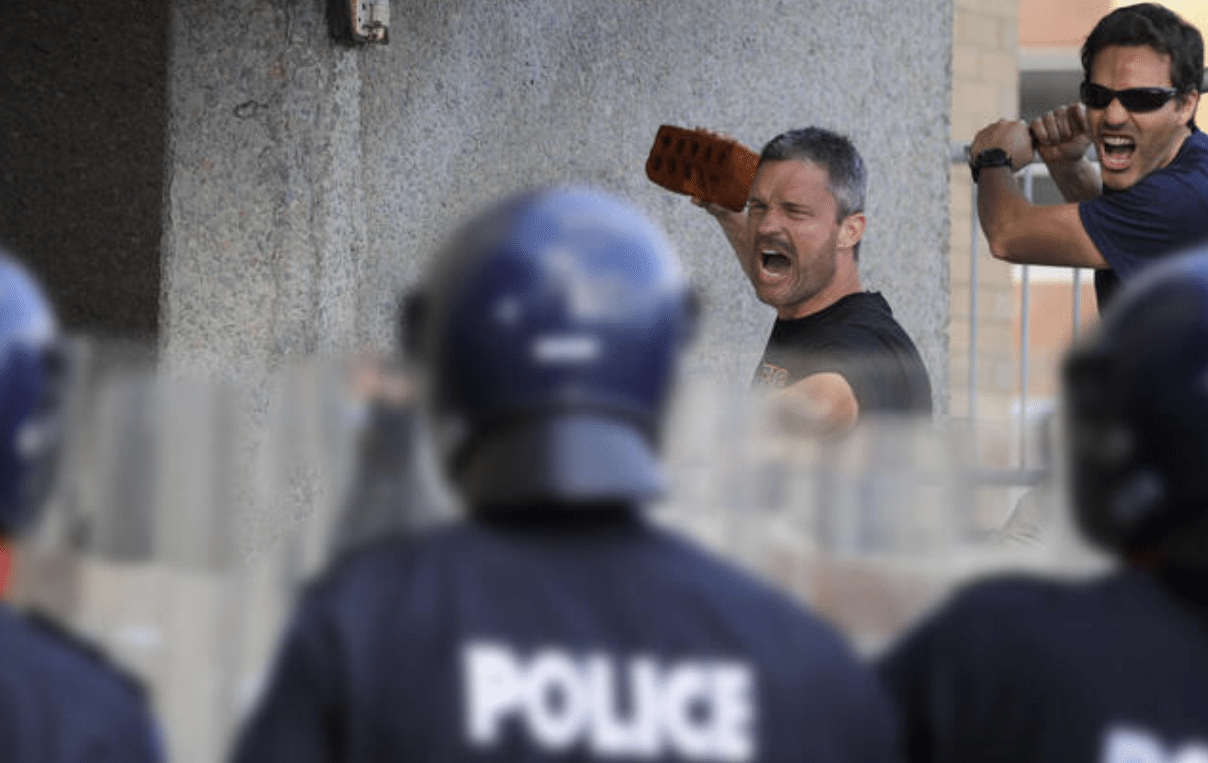
- Security incidents, such as checkpoints, confrontations, or hostile observation
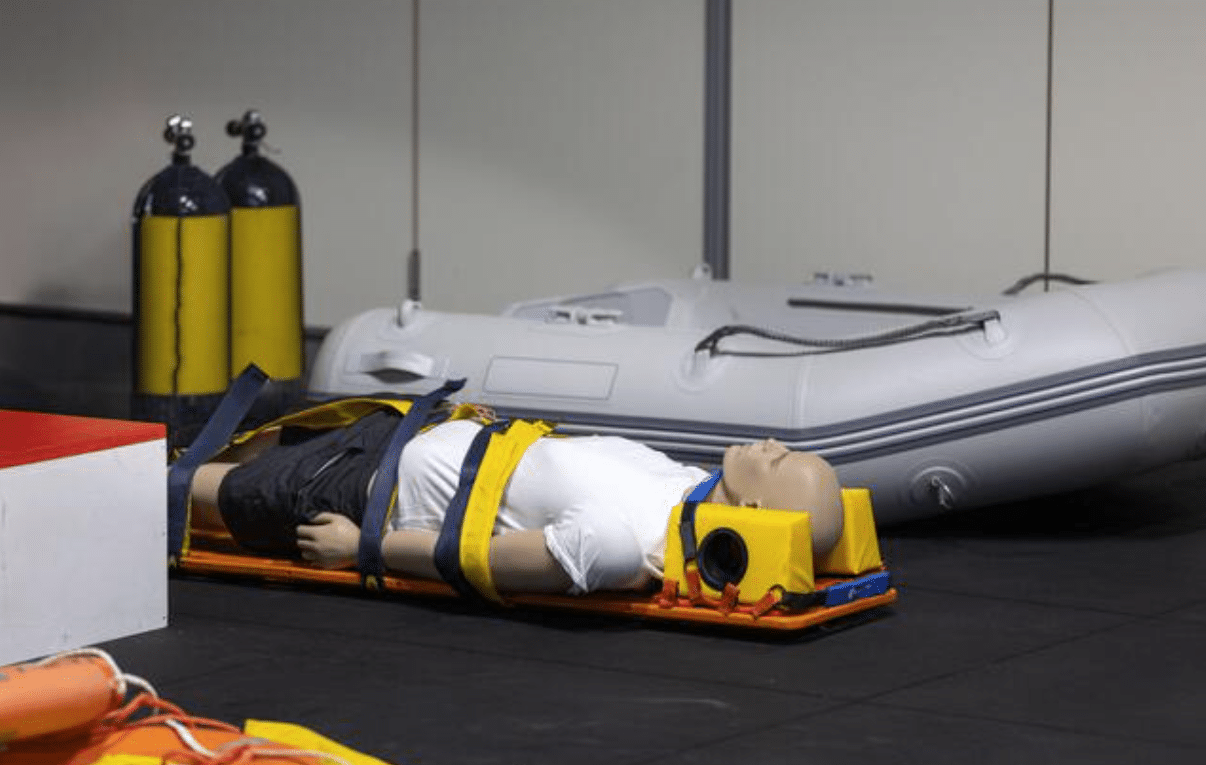
- Medical emergencies, requiring immediate response with limited resources
- Evacuation scenarios, involving movement under pressure and route selection
- Communication failures, where coordination must be maintained with degraded systems
Each scenario is designed to test multiple competencies simultaneously. For example, a medical scenario may also test communication, leadership, and situational awareness.
At N9BO℠, scenarios are layered to reflect operational complexity, ensuring that personnel are not trained in isolation of real-world conditions.
Decision-Making Under Pressure
One of the primary objectives of scenario-based training is to evaluate decision-making under pressure. In controlled environments, individuals have time to think, consult, and validate decisions. In operational environments, this is rarely the case.
Scenarios introduce constraints that force prioritisation:
- Limited time to act
- Incomplete or conflicting information
- Competing tasks and responsibilities
These conditions reveal how individuals process information and make decisions. Delayed decisions, hesitation, or over-analysis become visible under pressure.
Effective decision-making in scenarios is not about perfection. It is about maintaining control, reducing risk, and adapting as conditions evolve.
At N9BO℠, we train personnel to act on indicators, accept uncertainty, and adjust decisions dynamically.
Behavioural Observation and Feedback
Scenario-based training provides a unique opportunity to observe behaviour in a controlled but realistic environment. This allows instructors to identify gaps that are not visible during theoretical instruction.
Common behavioural observations include:
- Failure to maintain situational awareness under task load
- Breakdown in communication during stress
- Over-reliance on individuals rather than team coordination
- Hesitation or indecision when faced with uncertainty
Feedback is a critical component of this process. Without structured debriefing, the value of the scenario is reduced. Personnel must understand not only what occurred, but why it occurred and how it can be improved.
At N9BO℠, debriefing is treated as part of the training, not an optional addition. It is where learning is consolidated and behaviour is adjusted.
Stress Exposure and Performance
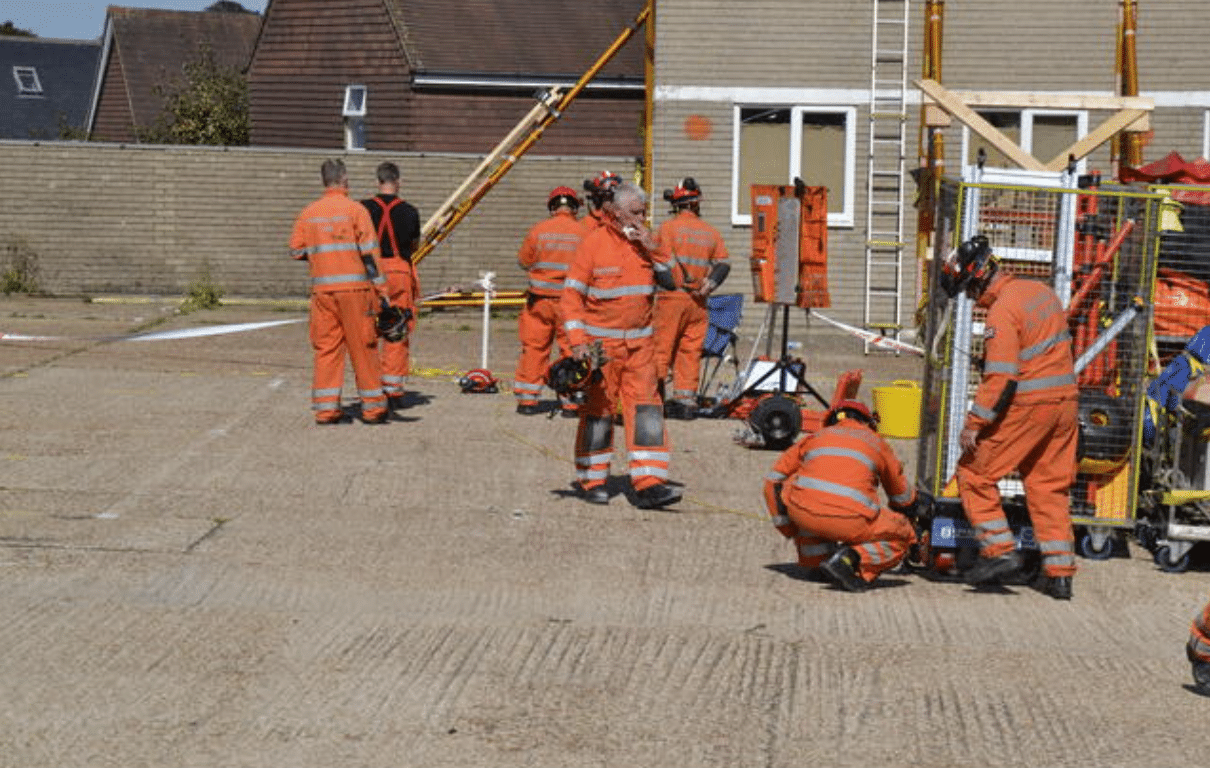
Scenarios introduce controlled stress to replicate operational conditions. This stress is essential. Without it, training does not accurately reflect real-world performance.
Stress affects:
- Cognitive processing
- Communication clarity
- Physical coordination
- Decision-making speed
By exposing personnel to stress in training, they become more familiar with its effects and better able to manage them. This reduces performance degradation during actual incidents.
However, stress must be controlled. Excessive stress without structure reduces learning and can reinforce negative behaviours. The objective is to challenge, not overwhelm.
At N9BO℠, stress is applied progressively, ensuring that personnel build resilience while maintaining effective performance.
Integration with Procedures and Protocols
Scenario-based training reinforces the application of procedures in context. Procedures that are understood in theory must be executed under pressure to become effective.
Scenarios test:
- Whether procedures are followed correctly
- Whether they are adapted appropriately when conditions change
- Whether personnel understand the intent behind the procedure
This distinction is critical. Rigid adherence without understanding can lead to inappropriate actions when conditions differ from expectations. Conversely, complete deviation undermines structure.
At N9BO℠, we train personnel to apply procedures with understanding, ensuring flexibility without loss of control.
From Scenario to Operational Readiness
The objective of HEAT scenarios is not performance during training—it is performance in the field. Scenarios provide a bridge between controlled learning and operational execution.
Effective scenario training results in:
- Faster recognition of risk
- More confident and timely decision-making
- Improved communication under pressure
- Greater consistency in behaviour across teams
These outcomes directly translate to reduced exposure and improved safety in operational environments.
At N9BO℠, scenario-based training is not treated as an isolated activity. It is integrated into the overall training framework to ensure that learning is retained and applied.
Operational Mindset
HEAT training scenarios are not simulations for demonstration—they are tools for behavioural conditioning. Personnel must approach them with the same seriousness as real-world operations.
The value of a scenario is determined by the level of engagement and the willingness to learn from outcomes. Mistakes in training are expected. Failure to learn from them is not.
Scenario-based training reinforces a critical mindset: the ability to operate under uncertainty, make decisions with incomplete information, and maintain control in dynamic environments.
At N9BO℠, we use scenarios to ensure that personnel are not encountering these conditions for the first time in the field.
Train for Reality, Not Theory
Contact N9BO℠ to integrate scenario-based HEAT training into your programmes and ensure your teams can apply knowledge effectively under real-world conditions.
From the N9BO℠ Knowledge Base