Scuba Existed Before Cousteau — Access Did Not
Underwater breathing systems existed prior to Cousteau.
What did not exist was a reliable, self-contained, user-friendly system that allowed ordinary people to dive safely without surface support. Cousteau recognised that accessibility—not novelty—was the missing link.
The Aqua-Lung: A Functional Revolution
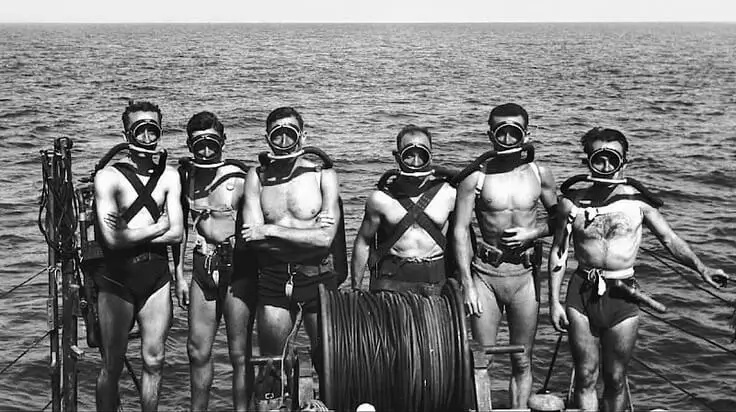
In collaboration with engineer Émile Gagnan, Cousteau helped develop the Aqua-Lung.
Its significance lay in:
- Demand-regulated air delivery
- Self-contained portability
- Reduced task loading
- Improved safety margins
This was not just equipment—it was a systems breakthrough.
Instructor Perspective: Technology Changes Behaviour
Instructors often observe that improved equipment changes diver behaviour faster than education.
At N9BO℠, Cousteau’s work is used to illustrate how technology must be matched with training or risk increases as access expands.
Democratization of the Underwater World
Cousteau believed the ocean should be experienced, not hidden.
By making diving accessible, he:
- Expanded public interest in the sea
- Enabled recreational diving
- Created a global diving culture
This accessibility shaped modern dive training organisations.
Storytelling as a Force Multiplier
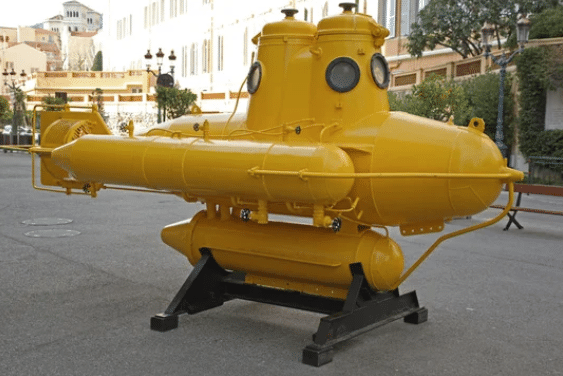
Cousteau’s films and books did more than entertain.
They:
- Humanised underwater exploration
- Built emotional connection to the ocean
- Influenced environmental awareness
Few individuals have shaped public perception of the sea as deeply.
Environmental Advocacy Before It Was Popular
Later in his career, Cousteau shifted focus toward conservation.
He recognised that exposure creates responsibility—and that access without stewardship leads to destruction.
The Myth vs the Man
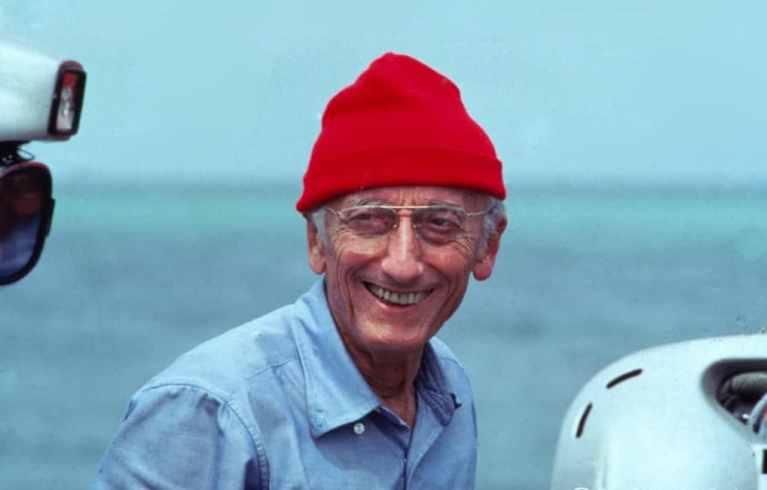
Cousteau is often mythologised as a solitary pioneer.
In reality, he was:
- A collaborator
- A communicator
- A system builder
Understanding this avoids hero worship and highlights process over personality.

Cousteau’s Influence on Training Philosophy
Modern diver education owes much to Cousteau’s vision.
Standardised equipment, entry-level accessibility, and modular progression reflect his belief that diving should be learned safely and progressively.
Limits of the Cousteau Era
Cousteau’s era did not fully address:
- Decompression theory
- Technical diving limits
- Environmental impact of mass diving
Modern training builds upon—and corrects—these gaps.
Professional Parallels
Like aviation pioneers, Cousteau transformed an elite activity into a regulated, teachable discipline.
Professional divers must understand both the benefits and responsibilities this created.
The Bottom Line
Jacques Cousteau did not invent diving—but he made it possible for the world.
By combining engineering, accessibility, and storytelling, he changed how humans interact with the ocean. At N9BO℠, his legacy is taught with respect, context, and responsibility—because access without discipline is not progress.
Want to Take the Next Step in Your Diving Journey?
Modern scuba exists thanks to innovation and disciplined exploration. Contact us to discuss training pathways from recreational to professional diving.
From the N9BO℠ Knowledge Base