CCR and OC Are Not Progression Levels
A common misconception is that CCR represents a natural “upgrade” from OC.
In reality, CCR and OC are different solutions to different problems. Choosing between them is an operational decision—not a status milestone.
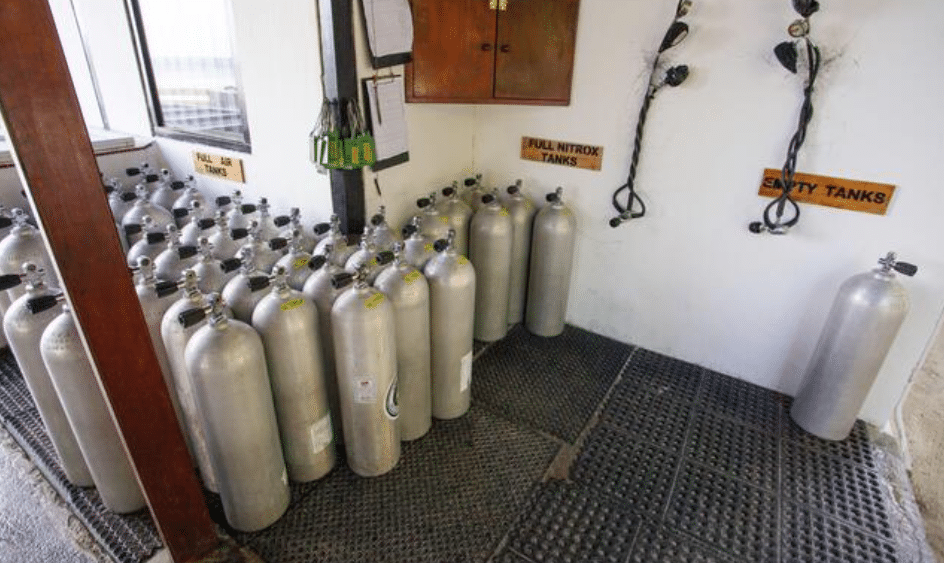
Open Circuit: Simplicity and Transparency
OC systems are mechanically simple.
They provide:
- Direct gas delivery
- Immediate feedback on failures
- Lower cognitive load
- Clear failure recognition
When something goes wrong on OC, it usually does so loudly and obviously.
Closed Circuit: Efficiency and Complexity
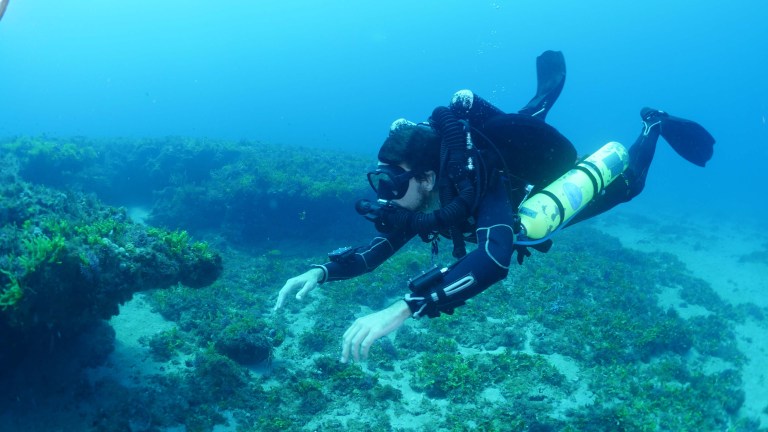
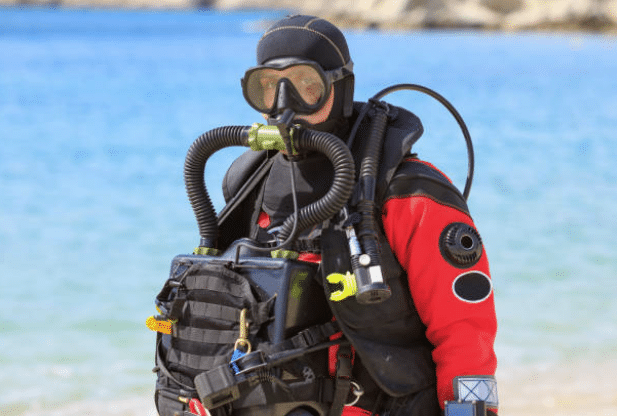
CCR systems recycle breathing gas.
They offer:
- Extended dive duration
- Optimised gas efficiency
- Reduced bubble signature
- Stable oxygen partial pressure
These benefits come at the cost of increased system complexity.
Instructor Perspective: Failure Modes Matter More Than Depth
Instructors consistently see divers compare systems based on depth capability.
At N9BO℠, training reframes the discussion: how systems fail is more important than how deep they go.
CCR Failure Is Often Silent
Unlike OC, many CCR failures are subtle:
- Oxygen sensor drift
- Electronics malfunction
- Hypoxia or hyperoxia development
These failures demand constant vigilance and disciplined monitoring.
Cognitive Load and Task Saturation
CCR diving requires:
- Continuous PO₂ monitoring
- Manual intervention readiness
- Strict checklist discipline
Task loading increases dramatically under stress. Training must inoculate against complacency.
OC Failure Characteristics
OC failures are usually mechanical:
- Gas depletion
- Regulator malfunction
- Free-flow
They are often easier to diagnose and resolve quickly—especially under stress.

Training Philosophy Differences
CCR training emphasises:
- Systems understanding
- Failure recognition
- Bailout decision-making
OC training emphasises:
- Gas planning
- Team awareness
- Procedural simplicity
Both require discipline—just in different domains.
Application Matters More Than Capability
CCR excels in:
- Long-duration dives
- Deep exploration
- Bubble-sensitive environments
OC excels in:
- Simplicity
- Training scalability
- Rapid response scenarios
Choosing incorrectly increases risk.
Professional and Operational Contexts
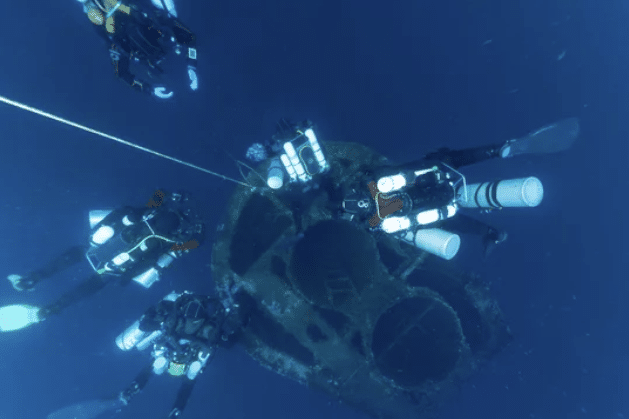
Military, cave, scientific, and expedition divers choose systems based on mission requirements—not preference.
Professional training teaches mission-driven system selection.
The Human Factor
Most CCR incidents are not mechanical—they are behavioural.
Complacency, skipped checks, and assumption kill silently. The system does not forgive shortcuts.
The Bottom Line
CCR and OC are not better or worse—they are different.
Each is a life support system with specific strengths, weaknesses, and demands. At N9BO℠, divers are trained to choose, operate, and respect their system based on mission requirements, risk tolerance, and uncompromising discipline.
Considering CCR or Advanced Technical Diving?
Choosing between CCR and OC requires understanding operational goals, risks, and training requirements. Contact us to discuss appropriate technical diving pathways.
From the N9BO℠ Knowledge Base