Understanding Sea Turtle Behaviour
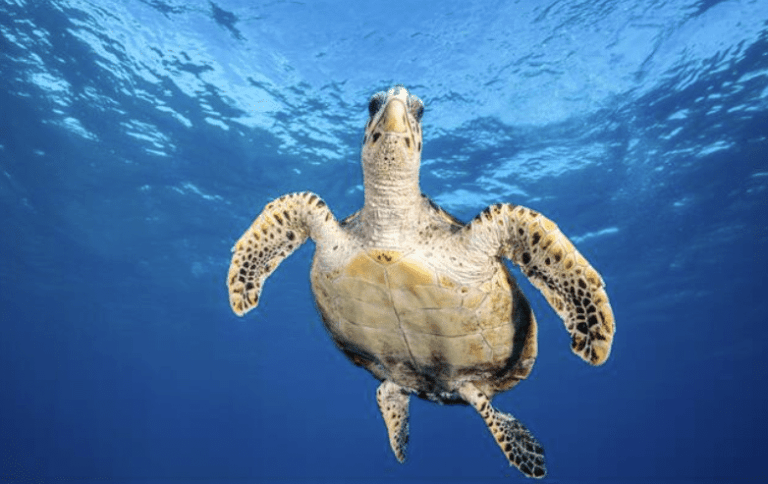
Sea turtles are not passive or indifferent to diver presence. Their behaviour is influenced by perceived threat, environmental conditions, and prior exposure to human activity. While some individuals may appear tolerant, this should not be interpreted as absence of stress.
Turtles rely on energy conservation for survival. Activities such as feeding, resting, and surfacing for air are critical. Disruption to these behaviours increases energy expenditure and can affect long-term health.
Common behavioural patterns include:
- Resting under ledges or within reef structures
- Slow, deliberate movement during feeding
- Regular ascents to the surface for breathing
Interruption of these patterns, particularly repeated disturbance, creates cumulative stress.
At N9BO℠, we emphasise that understanding behaviour is the basis for controlling interaction.
Approach and Distance Management
The most significant factor in diver impact is proximity. Approaching too closely alters turtle behaviour, often causing premature movement or avoidance.
Divers must manage distance deliberately. Closing distance for observation or photography increases pressure on the animal.
Best practice includes maintaining:
- A consistent, non-threatening distance
- A position that does not block movement or escape routes
- A slow, controlled approach when necessary
Direct pursuit or rapid approach should be avoided entirely. Turtles that feel pressured will either flee or alter their natural behaviour, both of which increase stress.
At N9BO℠, we treat distance as a control measure, not a guideline.
Positioning and Movement Control
Diver positioning has a direct impact on how turtles perceive risk. Approaching from above or directly in front can be interpreted as a threat, triggering avoidance behaviour.
Effective positioning involves:
- Remaining slightly below or level with the turtle
- Avoiding interception of its path
- Maintaining lateral positioning rather than direct approach
Movement must remain controlled. Sudden finning, changes in direction, or attempts to reposition quickly increase disturbance.
Buoyancy control is critical. Poor buoyancy leads to unintentional contact or encroachment into the turtle’s space.
At N9BO℠, positioning and movement are treated as key behavioural controls in wildlife interaction.
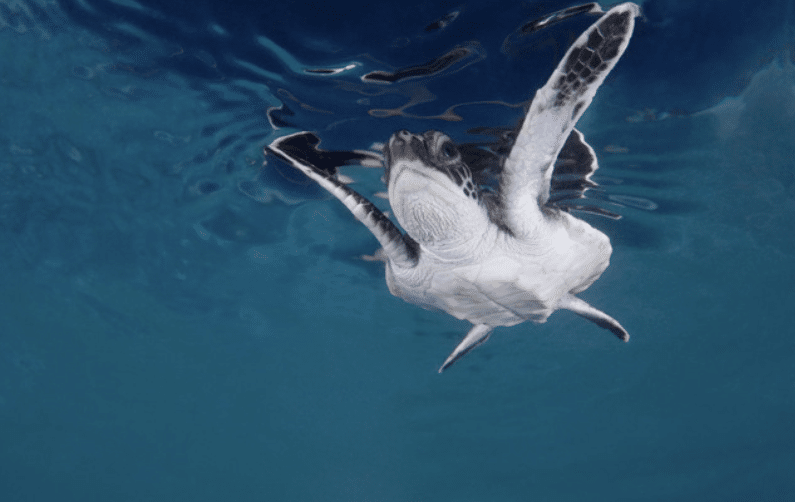
Interaction During Feeding and Resting
Feeding and resting are high-sensitivity periods. Disturbance during these activities has a greater impact than during transit or general movement.
When turtles are feeding:
- Maintain increased distance
- Avoid interrupting feeding patterns
- Do not attempt to reposition for closer observation
When turtles are resting:
- Do not approach closely or attempt to elicit movement
- Avoid surrounding or cornering the animal
- Maintain awareness of its need to surface for air
Forcing movement during these periods increases energy expenditure and stress, particularly if repeated over time.
At N9BO℠, we emphasise that observation must not interfere with essential behaviours.
Photography and Diver Behaviour
Photography is a common driver of poor interaction practices. Divers often reduce distance or alter positioning to capture images, increasing disturbance.
Risk behaviours include:
- Moving too close for framing
- Using flash in low-light environments
- Attempting to direct or anticipate movement
These actions shift focus from environmental awareness to task completion, increasing the likelihood of negative interaction.
Control measures involve maintaining distance and prioritising the animal’s behaviour over image capture. If conditions do not allow for responsible photography, the attempt should be abandoned.
At N9BO℠, we reinforce that photography must not override operational discipline.
Cumulative Impact and Site Pressure
Individual interactions may appear insignificant, but cumulative impact is a critical factor. In high-traffic dive sites, turtles may be exposed to repeated disturbance throughout the day.
This leads to:
- Altered behaviour patterns
- Increased avoidance of certain areas
- Reduced feeding or resting efficiency
Over time, this can result in displacement from preferred habitats.
Managing cumulative impact requires:
- Controlling diver numbers around individual animals
- Limiting interaction time
- Ensuring consistent behaviour across all divers
At N9BO℠, we treat site pressure as an operational factor that must be actively managed.
Training and Briefing Standards
Effective interaction begins before entering the water. Divers must be briefed on expected behaviour and operational limits.
Briefings should include:
- Minimum approach distances
- Positioning guidance
- Prohibition of contact or pursuit
- Expectations for group control
Without clear instruction, divers default to individual judgement, which is often inconsistent.
Guides and instructors must enforce these standards during the dive, not only communicate them beforehand.
At N9BO℠, environmental briefings are treated as mandatory operational procedures.
Legal and Conservation Considerations
In many regions, sea turtles are protected species. Regulations may define minimum distances, interaction limits, and prohibited behaviours.
Non-compliance can result in:
- Legal penalties
- Loss of operational permits
- Increased scrutiny of dive operations
Beyond legal considerations, adherence to conservation standards supports long-term sustainability of dive sites.
At N9BO℠, we align operational practices with both regulatory requirements and conservation objectives.
Operational Mindset
Responsible interaction with marine life requires discipline, not intention. Divers may aim to minimise impact, but without structured behaviour, disturbance still occurs.
Sea turtles are particularly vulnerable to repeated human interaction. Their tolerance should not be interpreted as resilience.
At N9BO℠, we approach wildlife interaction as an operational control. Distance, positioning, and behaviour are managed in the same way as safety procedures.
The objective is not to maximise interaction. It is to minimise impact while maintaining observation.
In marine environments, sustainability is determined by consistency of behaviour across all divers, not isolated best practice.

Protect the Experience by Reducing Impact
Contact N9BO℠ to integrate responsible wildlife interaction standards into your dive operations and training, ensuring sustainable encounters for both divers and marine life.
From the N9BO℠ Knowledge Base