The Dive Is Only the Visible Part
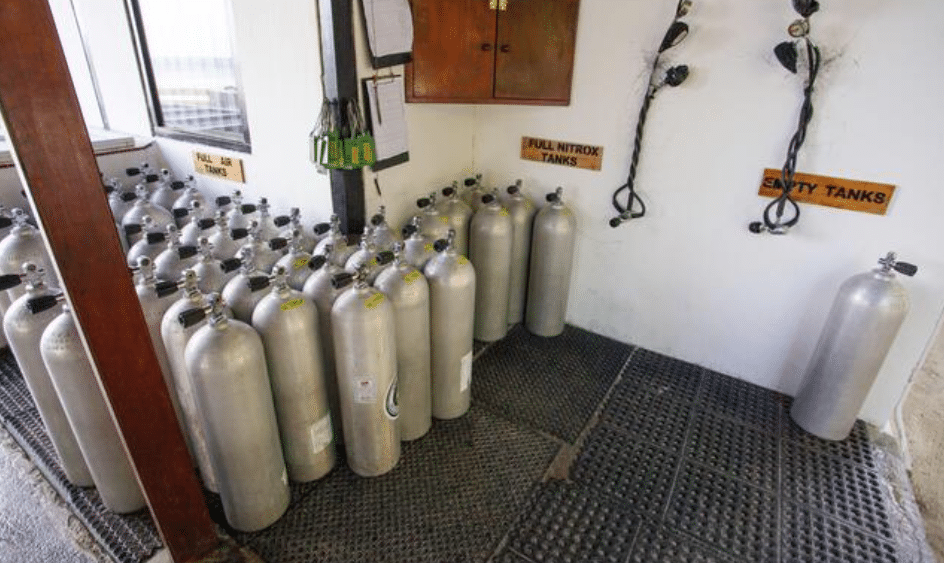
In expedition environments, diving represents the final stage of a complex operational chain.
Preparation includes:
- Travel logistics
- Equipment transport
- Environmental assessment
- Medical planning
- Communication redundancy
- Evacuation strategy
The visible dive may last hours.
The preparation spans weeks or months.
Professional expeditions succeed because invisible planning reduces uncertainty.
Logistics as Risk Management
Remote expedition sites introduce constraints:
- Limited infrastructure
- Restricted medical access
- Challenging terrain
- Unpredictable weather
- Supply chain limitations
Equipment redundancy becomes essential.
Critical components should be duplicated:
- Regulators
- Masks
- Lights
- Communication devices
- Spare parts
Logistical discipline reduces dependency on improvisation.
Improvisation in remote environments carries amplified risk.
Environmental Intelligence Before Deployment
Understanding environmental variables determines operational stability:
- Tidal cycles
- Current patterns
- Seasonal weather shifts
- Local marine life
- Water temperature
Surface reconnaissance informs dive planning.
Unexpected environmental conditions often challenge unprepared teams.
Preparation reduces cognitive overload when conditions shift.
At N9BO℠, we emphasise that expedition diving begins with environmental intelligence — not equipment selection.

Team Structure and Defined Roles
Expeditions require structured team architecture.
Roles may include:
- Dive lead
- Safety officer
- Logistics coordinator
- Communications officer
- Medical lead
Clear role definition prevents overlap and confusion.
Authority must align with responsibility.
Unclear leadership structures degrade response capability under stress.
Professional expedition teams rehearse communication flow before field deployment.
Medical and Emergency Preparedness
Remote operations often delay access to definitive medical care.
Planning includes:
- Oxygen availability
- Trauma kit preparation
- Emergency extraction plan
- Nearest recompression facility location
- Satellite or radio communication backup
Medical response windows shrink when distance increases.
Preparedness extends survival margin.
Psychological Resilience in Isolation
Expeditions introduce psychological stressors:
- Fatigue
- Isolation
- Environmental unpredictability
- Operational pressure
Maintaining morale and mental clarity requires:
- Structured rest cycles
- Clear communication
- Stable leadership tone
Stress management preserves decision quality.
Professional endurance supports team stability.
Surface Discipline Influences Underwater Performance
Underwater performance reflects surface behaviour.
If equipment setup is rushed or planning incomplete, stress follows underwater.
Expedition divers must:
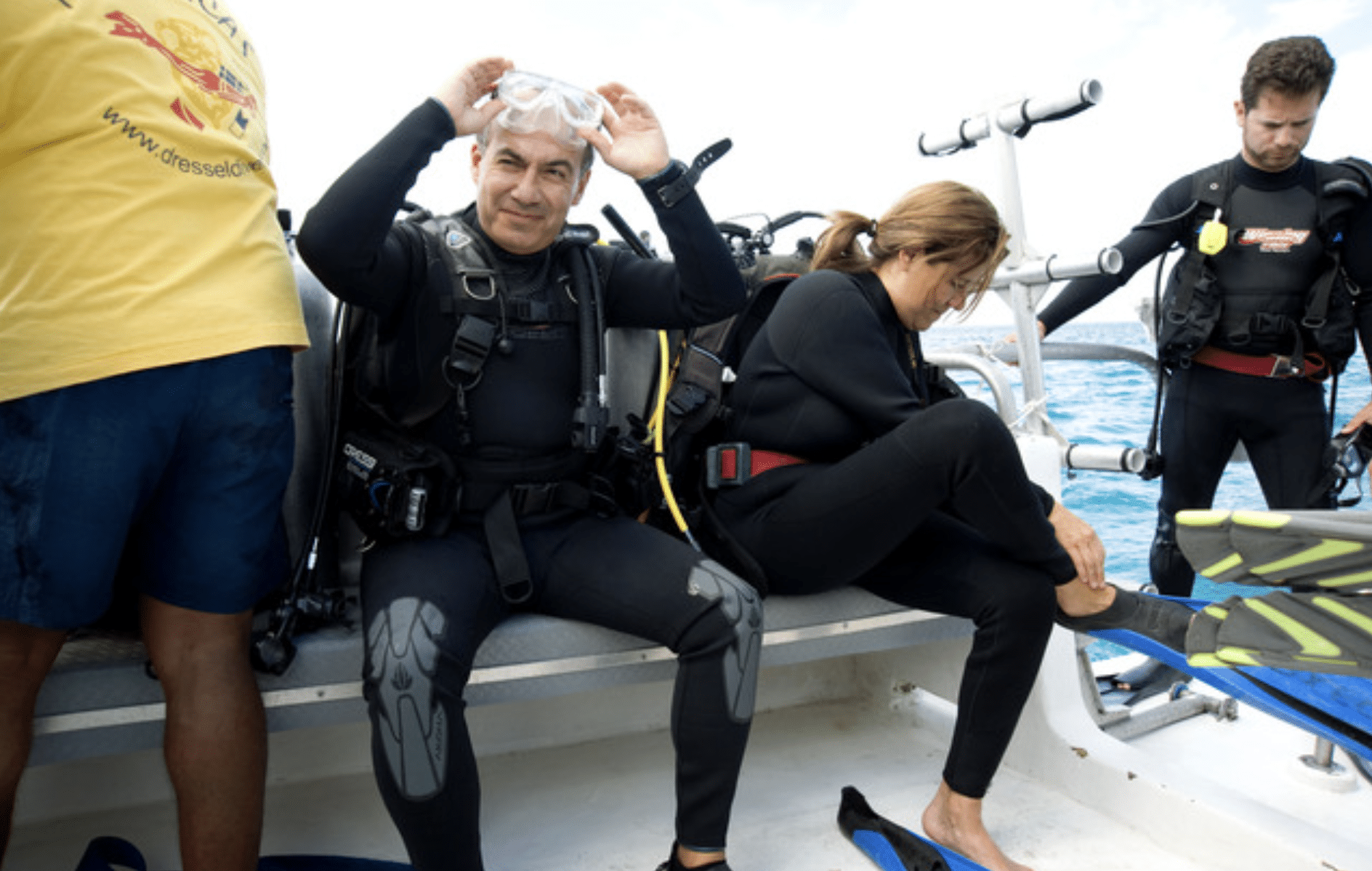
- Conduct detailed pre-dive checks
- Review gas planning thoroughly
- Confirm team signals and abort criteria
- Brief contingencies clearly
Structure before descent reduces improvisation below.
Consistency builds operational confidence.
Contingency Planning and Flexibility
No expedition unfolds exactly as planned.
Contingencies may include:
- Weather delays
- Equipment malfunction
- Environmental restriction
- Personnel illness
Flexibility within structured boundaries maintains safety.
Aborting or modifying a dive objective does not constitute failure.
Professional expeditions prioritise team integrity over ambition.
Operational Debriefing
Expeditions should include structured debrief cycles.
Debriefing captures:
- Procedural gaps
- Environmental observations
- Equipment performance
- Team communication issues
Continuous improvement strengthens future deployments.
Learning does not stop at the surface.
Why Expedition Diving Requires Professional Culture
Remote environments magnify consequences.
Minor oversights escalate.
Professional diving culture — structured planning, conservative margin, clear communication — ensures resilience.
At N9BO℠, we view expedition diving as an integrated operation where logistics, leadership, and discipline intersect with underwater competence.
Exploration succeeds when preparation dominates uncertainty.

Planning a Dive Expedition?
Successful expeditions depend on structured logistics, risk management, and disciplined execution. Contact N9BO℠ to discuss expedition support and advanced training.
From the N9BO℠ Knowledge Base